Vila Nova de Gaia and the Port Wine Cellars
How to choose between historic Port lodges in Gaia, Ruby versus Tawny styles and sunset at Serra do Pilar.
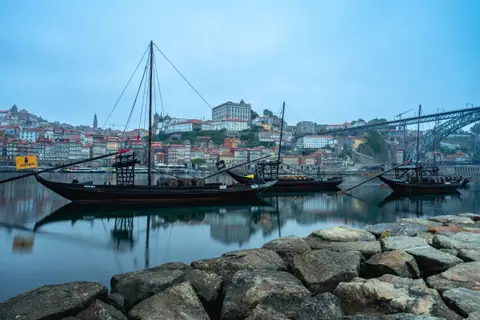
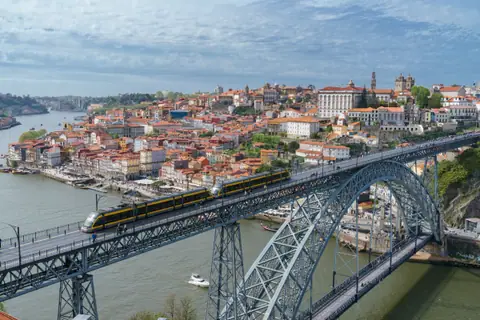
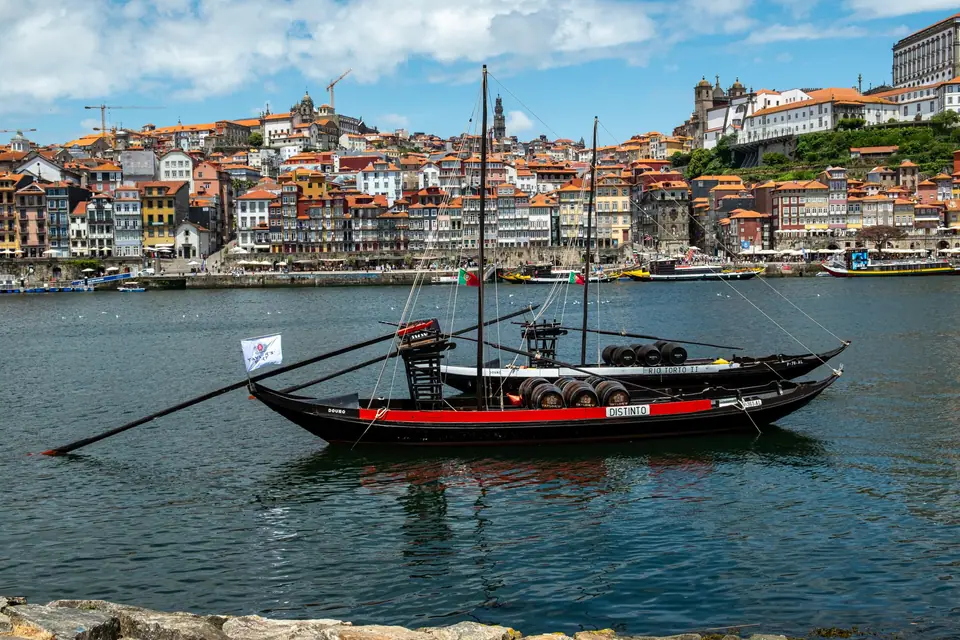
Look across the Douro River from Ribeira and you will see rows of terracotta roofs blazoned with white painted letters: Sandeman, Taylor's, Graham's, Ferreira, Cálem, Ramos Pinto, Burmester and Kopke. Although visitors think of them as part of Porto, these historic wine lodges stand in Vila Nova de Gaia, a separate city on the south bank where fortified wine from the Douro Valley has been aged for over three hundred years.
Why the cellars are in Gaia and which lodges to book
Grapes for Port wine are grown a hundred kilometres upriver on the schist terraces of the Alto Douro, where fermentation is halted early by adding neutral grape spirit so natural berry sweetness remains. Historically, barrels were floated downriver on flat-bottomed wooden rabelo boats to Vila Nova de Gaia because its north-facing granite hillside and cool Atlantic humidity provided far steadier ageing temperatures than the hot inland valley. Rather than touring five lodges in an afternoon, pick one guided tour and one seated terrace tasting:
- Uphill view estates (15 to 20 minutes' walk up the cobbled lanes): Graham's (1890 Lodge) and Taylor's sit high on the ridge above Gaia, offering vast timber-roofed cellars and tranquil garden or veranda tasting rooms with panoramic views back across the Douro toward Porto.
- Waterfront lodges along Cais de Gaia (flat walk from the lower bridge): Ramos Pinto (with preserved Belle Époque offices), Sandeman, Ferreira, Burmester (right by the bridge) and Kopke (the oldest Port house, founded in 1638 and famed for single-harvest Colheita Tawnies) require no uphill climbing.
White, Ruby, LBV, Vintage and Aged Tawny Port explained
Knowing the two main ageing families makes a cellar tasting far more rewarding:
- Bottle-aged / reductive styles (Ruby, Reserve, Late Bottled Vintage and Vintage Port): aged initially in huge oak vats (balseiros) where the wine barely touches oxygen, preserving deep ruby colour and bold blackcurrant and cherry fruit. LBV ages four to six years in wood so it is ready to drink straight from the bottle, whereas declared Vintage Port is bottled after two years to mature for decades in glass.
- Barrel-aged / oxidative styles (Tawny, Colheita and 10, 20, 30 or 40 Year Old Tawny): matured in smaller ~600-litre oak casks (pipas) whose porous wood lets the wine breathe slowly, turning its colour amber-gold with silky notes of roasted hazelnut, dried fig, orange peel and caramel, served slightly chilled.
- White Port: made from white Douro grapes and served cold, often poured with tonic water, ice and mint as a Porto Tónico aperitif.
Sunset at Jardim do Morro and Mosteiro da Serra do Pilar
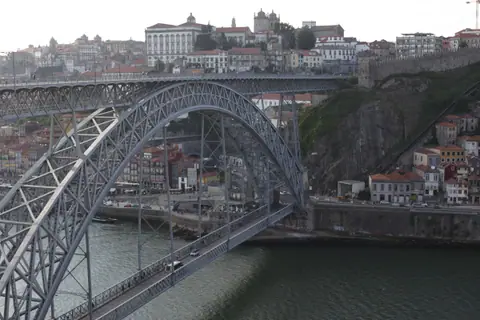
Finish your afternoon in Gaia by riding the Teleférico de Gaia (Gaia Cable Car) from the waterfront up to Jardim do Morro and the circular terrace of Mosteiro da Serra do Pilar right beside the upper deck of the Dom Luis I Bridge. Facing straight northwest across the gorge to the Sé Cathedral and Ribeira, this is the finest sunset viewpoint in the city; afterwards, walk five minutes across the upper bridge walkway back into central Porto for dinner.
Traveller tips
Real advice from people who have been to Vila Nova de Gaia and the Port Wine Cellars. Every tip is read by our team before it goes live.
No tips yet. Been here? Yours could be the first.
Thank you! Your tip will appear here after a quick review.
More in Porto
Continue exploring Porto with related neighbourhood, food, and planning guides