


























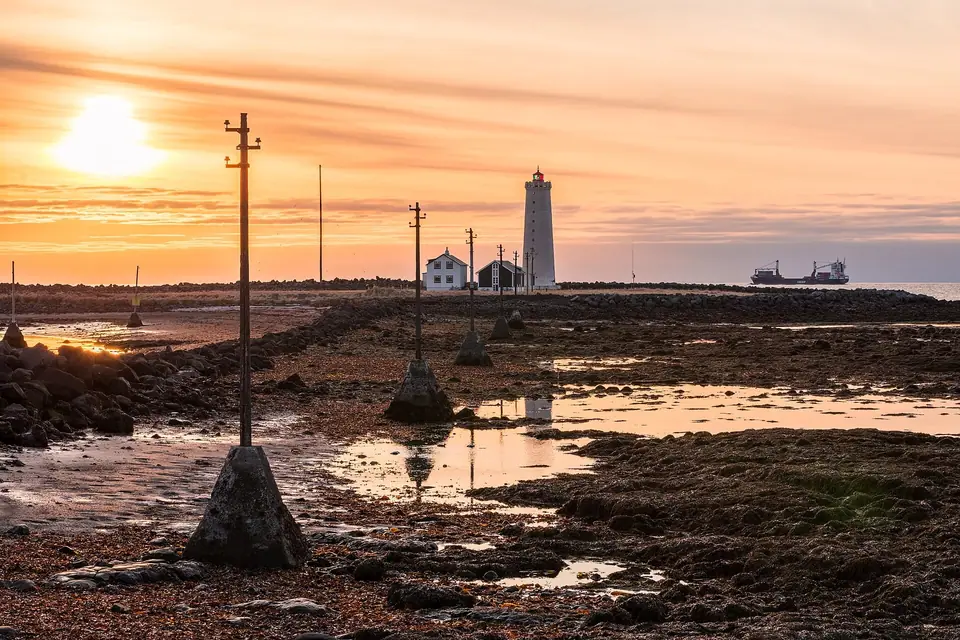
Best Time to Visit Reykjavik: Midnight Sun, Puffins, Northern Lights & WMO Climate
Month-by-month weather and daylight guide for Reykjavik using official 1991-2020 IMO/WMO climate normals: compare the 21-hour Midnight Sun and puffin season of May to August with the Aurora Borealis months of September to mid-April.
Because the warm Irminger Current (a northern branch of the Gulf Stream) wraps around south-western Iceland, Reykjavík enjoys a sub-polar oceanic climate that is far milder in winter, and cooler in summer, than its 64°08' North latitude suggests. According to official 1991 to 2020 Icelandic Meteorological Office (IMO) and WMO normals, January daytime highs average 2°C (lows -2°C) and July highs average 15°C (lows 10°C), meaning your choice of month revolves primarily around daylight hours and the Northern Lights.
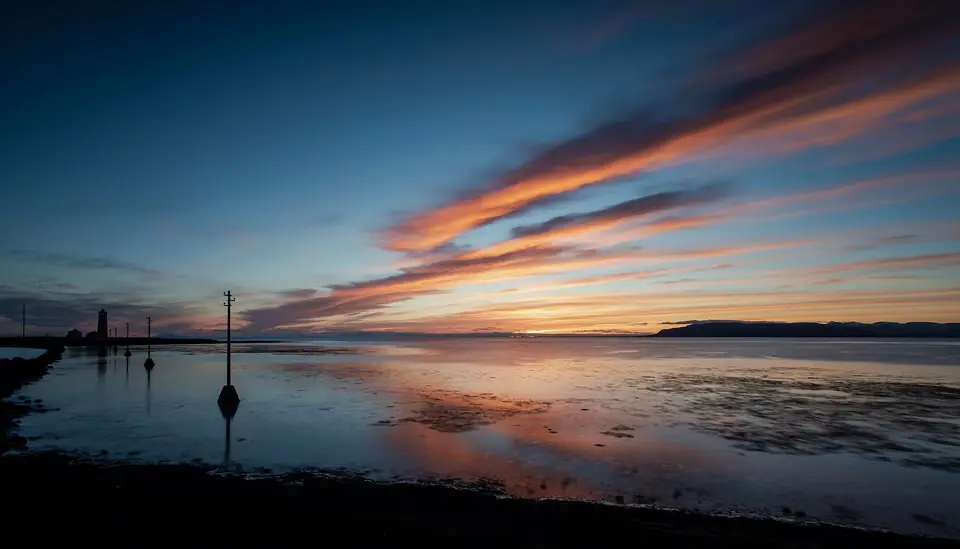
1. May to Mid-August: 21-Hour Midnight Sun, Nesting Puffins & Open Highland Trails
- Endless Summer Daylight & Mild Highs (10°C to 15°C, 9 Rain Days/Month): From May through July, Reykjavík enters its driest window of the year (averaging just 9 precipitation days per month). Around the June summer solstice, the sun sets just before midnight and rises again around 03:00, leaving the sky bathed in bright golden twilight all night long. Long days let you drive the Golden Circle or South Coast late in the evening after tour buses have departed, and spot Atlantic puffins nesting on Akurey and Lundey islands in Faxaflói Bay between early May and mid-August. Note that you cannot see the Northern Lights from May to early August because the night sky never gets dark.
2. Late August to October & February to April: The Prime Aurora & Daylight Balance
- September & October (Highs 7°C to 11°C) and February to Early April (Highs 3°C to 7°C): If your goal is to combine full daytime sightseeing with dark skies for the Aurora Borealis, target the autumn equinox months of September and October (snow-free Ring Road driving and crisp 9 to 13 hours of daylight) or late-winter February and March (8 to 12 hours of daylight with snow-blanketed volcanic peaks and blue ice caves).
- November to January (Highs 2°C to 4°C, 4 to 6 Hours of Low Polar Light): Around the December solstice, the sun skims low above the southern horizon for four to five hours of pink-and-gold "golden hour" light, while downtown Reykjavík glows with Yule Lads illuminations, cosy bakeries, and steaming geothermal pools.
Traveller tips
Real advice from people who have been to Best Time to Visit Reykjavik: Midnight Sun, Puffins, Northern Lights & WMO Climate. Every tip is read by our team before it goes live.
No tips yet. Been here? Yours could be the first.
Thank you! Your tip will appear here after a quick review.
More in Reykjavik
Continue exploring Reykjavik with related neighbourhood, food, and planning guides
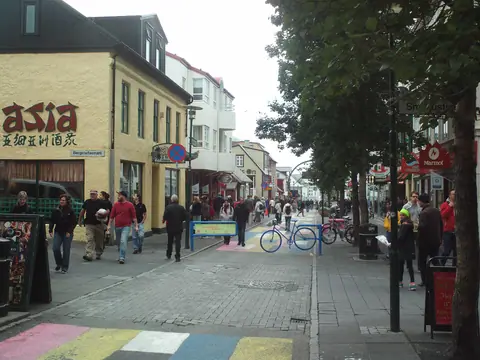
Where to Stay in Reykjavik: Midborg (101), Old Harbour & Grandi, Tjornin & Laugardalur
Reykjavik, Iceland

3 Days in Reykjavik: Midborg & Sky Lagoon, the Golden Circle, Plus South Coast Waterfalls
Reykjavik, Iceland
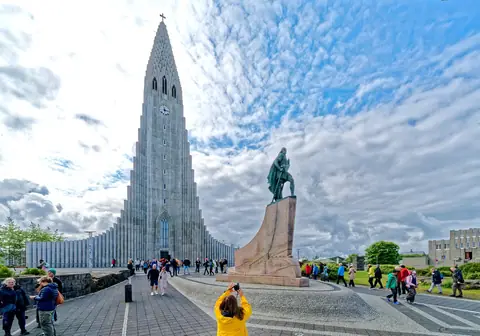
Hallgrimskirkja, Harpa Concert Hall & Sun Voyager: Reykjavik's Architectural Trio
Reykjavik, Iceland
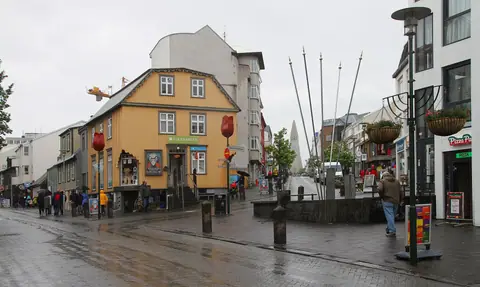
Downtown Midborg Walk: Rainbow Street, Laugavegur, 1881 Parliament, Tjornin & Old Harbour
Reykjavik, Iceland
