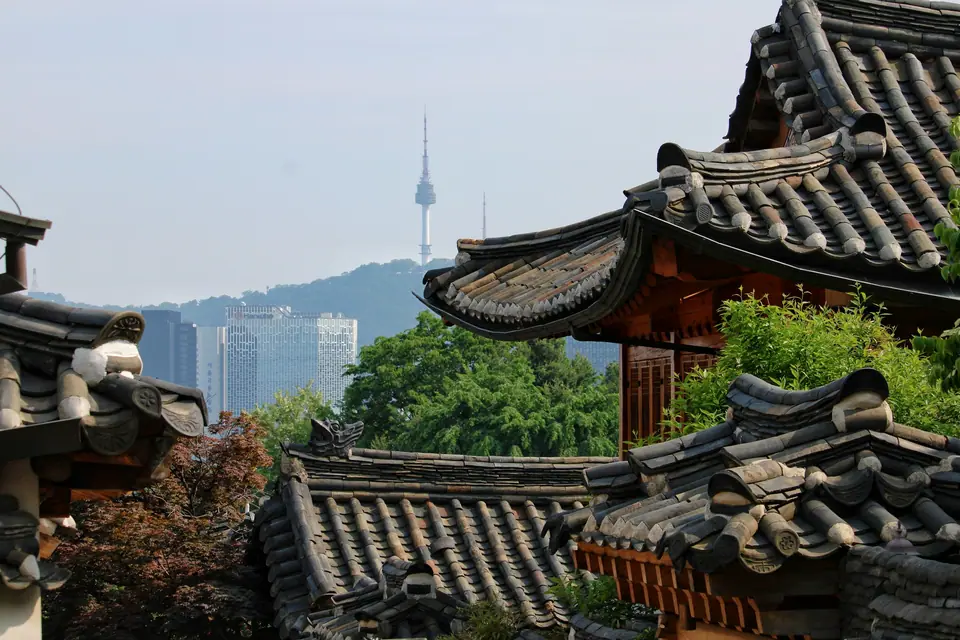
Photo by Timothée Gidenne on Unsplash
Seoul: What to Know Before You Go
How Seoul is laid out, which apps to install and what surprises first-time visitors.
Seoul is home to nearly ten million people, and another fifteen million or so live in the towns around it. That sounds overwhelming until you notice how the city actually works: a set of distinct districts linked by one of the best subway systems in Asia. Pick two or three areas a day and it becomes a very manageable city.
How the city is laid out
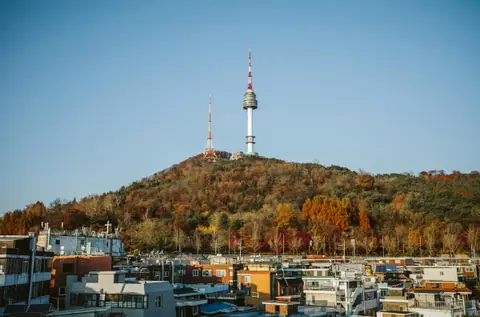
The Han River runs east to west through the middle. North of it, in Jongno and Jung-gu, you'll find the palaces, Bukchon, Insadong, Myeongdong and the big markets. Hongdae and Yeonnam-dong are to the west, Seongsu to the east, and Namsan, with N Seoul Tower on top, rises in the middle of everything. South of the river are Gangnam, COEX and Jamsil, with the Lotte World Tower. Our 3-day itinerary takes one of these areas at a time.
Entry
Many passport holders can visit South Korea without a visa but need a K-ETA, an online travel authorisation, applied for before departure. Travellers from a list of 22 countries, including the US, the UK, Japan, Australia, Canada and several European countries, are exempt from K-ETA until the end of 2026. Use only the official K-ETA website, not the lookalike agencies. Everyone without a K-ETA should also fill in the e-Arrival card online in the three days before landing, the online version of the old paper arrival card.
Maps and apps
Google Maps has long been weak here, with patchy walking directions, because of Korean rules on map data. Install Naver Map or Kakao Map instead. Both have English menus and show exactly which subway exit and car to use. Papago, Naver's translation app, reads Korean menus through the camera better than most. For taxis, locals use Kakao T.
Money
Cards work almost everywhere, including taxis and convenience stores. Market stalls, some small restaurants and T-money card top-ups at stations still want cash. Tipping isn't part of the culture. Many shops with a "Tax Free" sign give an immediate tax refund at the till if you show your passport.
Etiquette
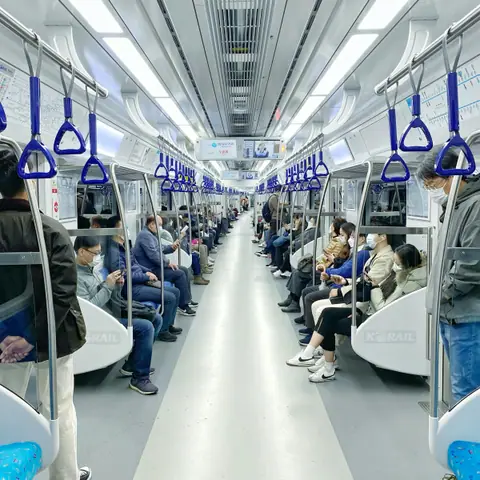
Subway cars are quiet. Leave the pink seats free for pregnant women and the priority seats at each end for older passengers, even when the train is empty. Give and receive things, especially cards and money, with both hands. At dinner with Korean friends, don't pour your own drink; pour for others, and they'll do the same for you.
Small practical things
Plugs are the round two-pin European type at 220V. Tap water is safe, though most locals drink it filtered. The Korea Travel Hotline, 1330, answers in English and several other languages, around the clock. For transport cards and airport trains, see our getting there guide.
Traveller tips
Real advice from people who have been to Seoul: What to Know Before You Go. Every tip is read by our team before it goes live.
No tips yet. Been here? Yours could be the first.
Thank you! Your tip will appear here after a quick review.
More in Seoul
Continue exploring Seoul with related neighbourhood, food, and planning guides