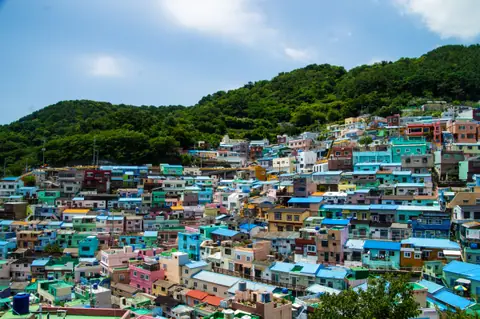
Photo by Chanhee Lee on Unsplash
Seoul
Joseon palaces and hanok lanes under granite mountains, with market food, late nights and one of Asia's easiest subways.
Quick decisions
How many days?
3 days: the palaces, Bukchon, the markets, Namsan and one modern district. 4 to 5 days: add Seongsu, the Han River parks and a museum. 6 days or more: add the DMZ, Suwon's fortress or a hike on Bukhansan.
Where should I stay?
Myeongdong or Jongno: central, with the palaces and markets close. Hongdae: younger, livelier and on the airport line. Gangnam: only if your plans are south of the river. More in our where to stay guide.
Do I need a car?
No. Traffic is heavy, parking is hard and the subway goes almost everywhere, with signs and announcements in English. Taxis are plentiful for the rest.
Best for
Food lovers: markets, barbecue and late-night stews. History: five royal palaces in the centre. Nightlife: Hongdae, Itaewon and Euljiro. Families: safe, clean and easy to get around.
Before you go
Entry: check whether you need a K-ETA and fill in the e-Arrival card. Apps: install Naver Map or Kakao Map. Book ahead: the Secret Garden at Changdeokgung and any DMZ tour.
Getting around
From Incheon: the AREX train to Seoul Station or Hongik University, or an airport limousine bus to your hotel area. In the city: subway and buses with a T-money card. Details in our getting there guide.
Continue your trip
The KTX reaches Busan in about two and a half hours from Seoul Station. Jeonju's hanok village is under two hours by train, and flights to Jeju leave Gimpo all day.
Overview
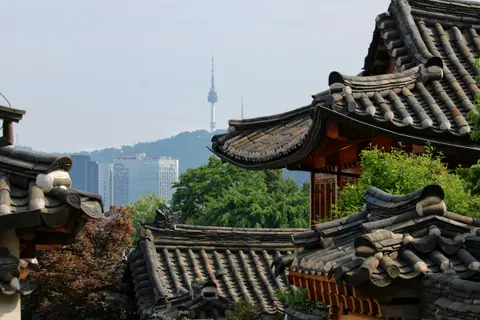
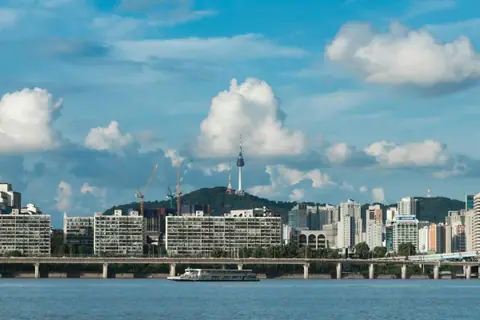
Seoul sits in a bowl of granite mountains, cut in two by the Han River. North of the river is the old capital of the Joseon kings: palace gates, the hanok (traditional tiled houses) of Bukchon, and markets that have fed the city since the early 1900s. South of it is the Seoul of the last fifty years, Gangnam's towers and wide avenues. The fun is in how closely the two sit together. A palace wall runs past a coffee shop in a converted print works, and a market alley of mung bean pancakes opens onto a street of glass office blocks.
It's an easy city to visit. The subway is clean and simple, the streets are safe late at night, and meals are served fast and in generous quantities. Give it at least three days, take each day one district at a time, and leave the evenings free, because Seoul stays up late. Start with our Seoul travel guide.
Getting there
Almost all long-haul flights land at Incheon, about an hour west of the centre. The AREX airport railway runs to Seoul Station, and limousine buses go to the main hotel districts. Gimpo, closer in, handles domestic flights and short hops to Japan, China and Taiwan. Our getting there guide covers both, plus cards and apps.
Where to stay
Seoul is spread out, so your base matters. Myeongdong and Jongno keep you close to the palaces and markets, Hongdae suits night owls and has the airport train, and Seongsu is for a second visit. We compare the areas, including Gangnam and Itaewon, in our where to stay guide.
Things to do
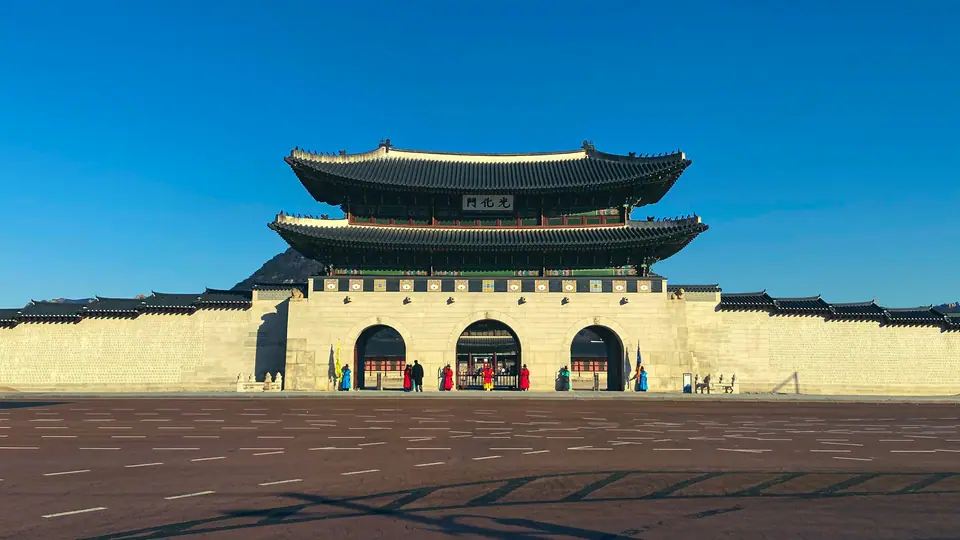
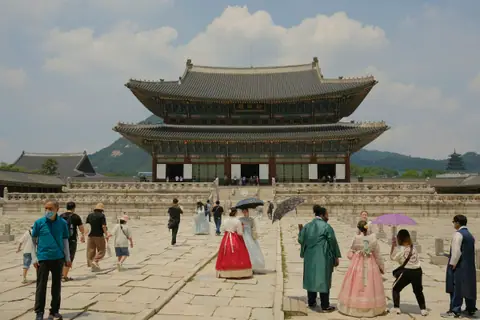
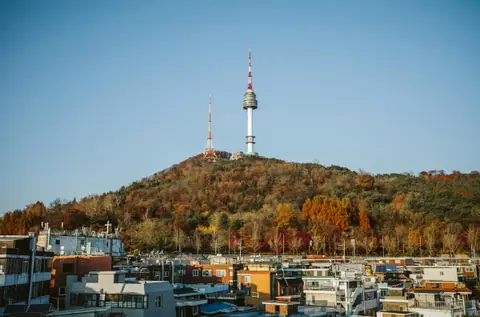
Most first trips start with Gyeongbokgung, Changdeokgung and the lanes of Bukchon, all covered in our palaces guide. For Namsan, Hongdae, Seongsu and the Han River parks, see our things to do list. The DMZ and Suwon's fortress are in our day trips guide.
Food and drink
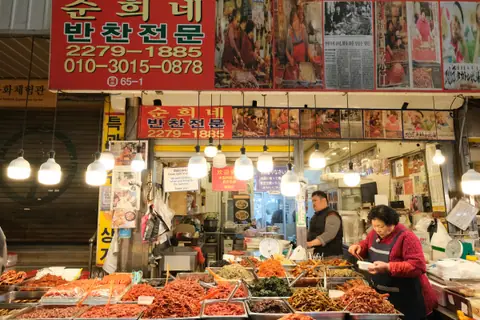
Eat in markets and in small places with a short menu. At Gwangjang Market, try bindaetteok (crisp mung bean pancakes) and mayak gimbap (small seaweed rolls with a mustard dip). In the evening, find a barbecue place grilling samgyeopsal (pork belly) at the table, then end the night with fried chicken and beer, a pairing Koreans call chimaek. Our street food guide has more.
Culture
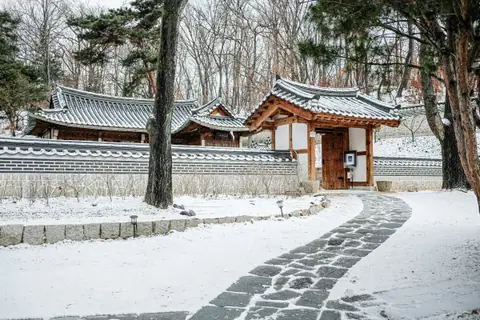
Seoul became the Joseon capital in 1394, a valley chosen for its mountains and river. The 20th century was brutal: colonial rule from 1910, then a war that left much of the city in ruins, followed by one of the fastest rebuildings anywhere. The palaces are largely careful reconstructions. Confucian habits survived it all: respect for elders, two hands when giving, and the youngest pouring the drinks.
Weather by month
Seoul is warmest in August, with average highs around 29°C, and coldest in January, when nights drop to about -7°C. July is the wettest month, with rain on about 18 days. For mild weather with fewer rainy days, aim for October.
| Month | Low | Range | High | Rain | Rainy days |
|---|---|---|---|---|---|
| Jan | -7°C | 2°C | 18 mm | 3 d | |
| Feb | -5°C | 5°C | 26 mm | 5 d | |
| Mar | 0°C | 12°C | 40 mm | 6 d | |
| Apr | 6°C | 18°C | 64 mm | 7 d | |
| May | 12°C | 23°C | 106 mm | 8 d | |
| Jun | 18°C | 27°C | 121 mm | 10 d | |
| Jul | 22°C | 29°C | 310 mm | 18 d | |
| Aug | 23°C | 29°C | 260 mm | 16 d | |
| Sep | 17°C | 25°C | 131 mm | 9 d | |
| Oct | 9°C | 19°C | 76 mm | 6 d | |
| Nov | 2°C | 11°C | 59 mm | 7 d | |
| Dec | -5°C | 3°C | 26 mm | 5 d |
Averages of daily values from 2015 to 2024. Rainy days are days with at least 1 mm of rain. Source: Open-Meteo · Compare destinations by month.
Seoul on the map
Every place we cover in Seoul. Tap a category or pin to explore.
In-depth Seoul guides
Browse the guides grouped by topic: sights, neighbourhoods, food, transport, day trips and trip planning.
Sights, Landmarks & Parks
Key monuments, viewpoints, museums and nature trails.
Neighbourhoods & Where to Stay
Districts, historic quarters and the best bases for your stay.
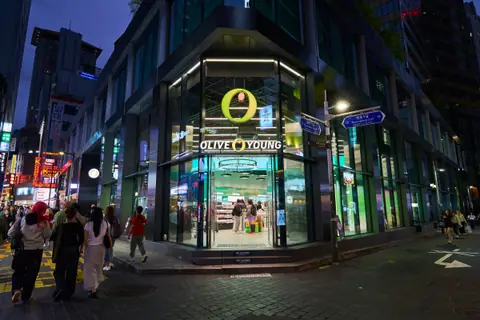
Food & Drink
Local dishes, markets, cafés and dining districts.
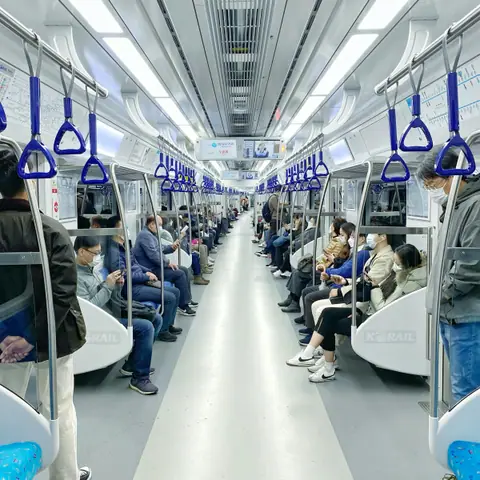
Getting Around & Arrival
Airport transfers, public transit, passes and driving rules.
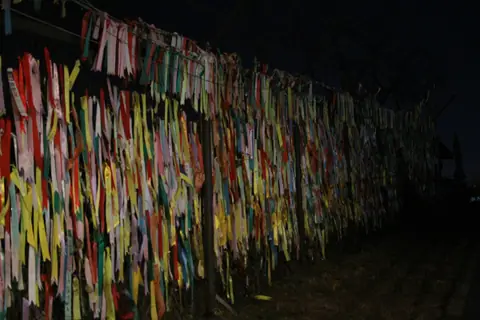
Day Trips & Excursions
Easy half-day and full-day trips from the city.
Trip Planning & Itineraries
When to visit, what to pack and day-by-day routes.
- Seoul: What to Know Before You GoHow Seoul is laid out, which apps to install and what surprises first-time visitors.
- Best Time to Visit SeoulCherry blossom, autumn colour, the summer monsoon and a very cold winter.
- What to Wear in SeoulShoes for the hills, layers for the seasons and a coat for real cold.
- Seoul 3-Day ItineraryThree days, one side of the city at a time.
Need your embassy or consulate in South Korea? See embassies and consulates in South Korea.
Reviews
Log in to write a review.
No reviews yet.