Photo: Dietmar Rabich · CC BY-SA 4.0
Strasbourg
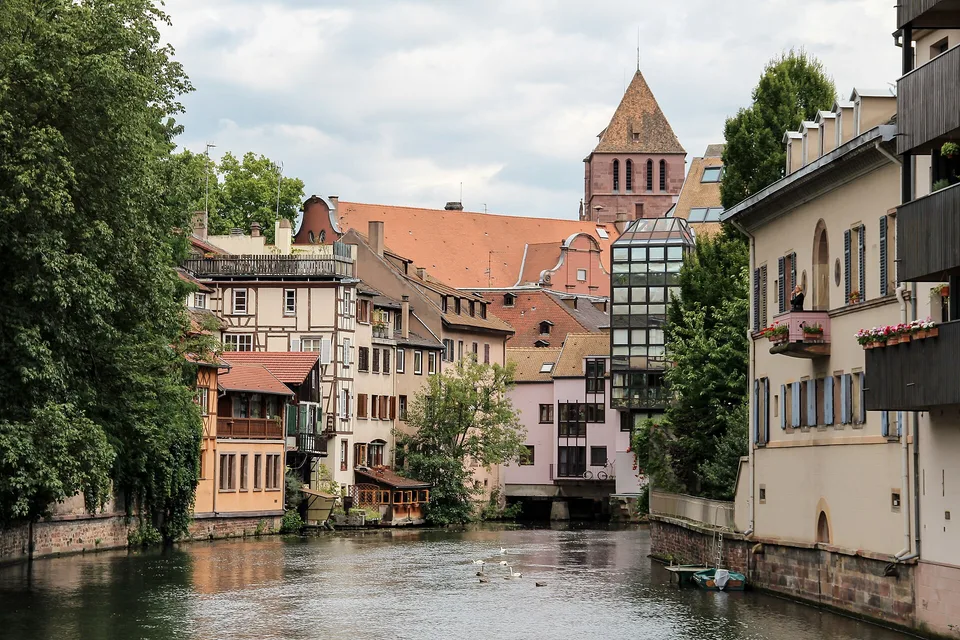
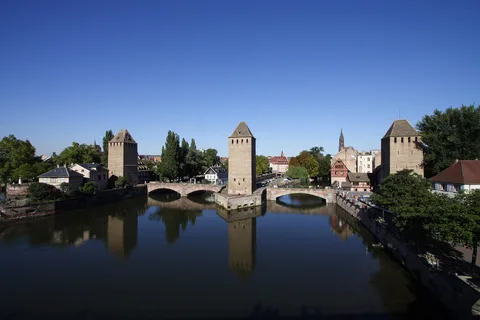
Strasbourg unites French and German heritage along the Ill River, pairing timbered Petite France canals with the soaring sandstone Cathedral.
Quick decisions
How many days?
Two full days cover Grande-Île, Petite France, the Cathedral, and Neustadt. Add a third day to tour the European Parliament or take a regional train to Colmar.
Where should I stay?
Base yourself on Grande-Île for direct access to timbered lanes. Choose Neustadt for calmer residential streets or the station area for early rail departures. Compare Strasbourg's historic island hotels and quiet Neustadt quarters.
Do I need a car?
No. Strasbourg is strictly pedestrianised across its centre. The city enforces a round-the-clock Low Emission Zone banning older vehicles, so rely on trains and trams instead.
Best for
Travellers seeking walkable historic river quarters, Gothic architecture, distinct Franco-German food, and swift high-speed rail connections across eastern France.
Before you go
Musée Alsacien is closed for major refurbishment until June 2028. Bring your physical passport for European Parliament entry, and note Cathedral nave services. Review essential Strasbourg museum schedules and emission rules before arriving.
Getting around
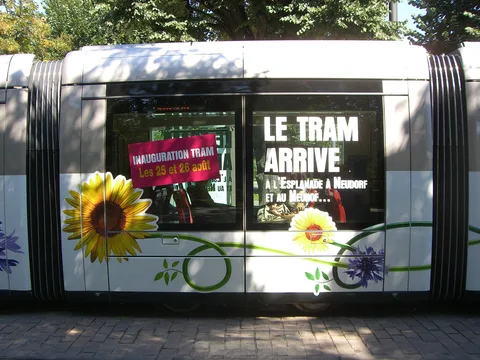
Six CTS tram lines connect the station, river islands, and suburbs. The central island is entirely flat and best explored on foot or by Vélhop rental bike.
Continue your trip
Direct TGV INOUI trains run west to Paris Est in under two hours. Trains to Lyon Part-Dieu take longer, making Lyon an onward multi-day base rather than a day trip.
Overview
Strasbourg rests in eastern France's Bas-Rhin department beside the Rhine, functioning as the formal capital of the Grand Est region. Its core spans two designated UNESCO zones covering 182 to 183 hectares. Grande-Île represents the historic medieval and Renaissance heart. The neighbouring Neustadt showcases imperial German urban planning from the late nineteenth century.
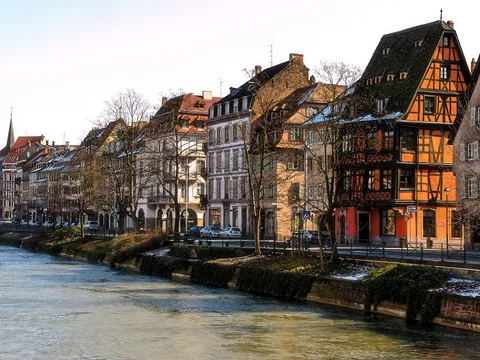
The Ill River encircles Grande-Île, creating a flat oval island roughly 1.25 kilometres long by 0.75 kilometres wide. Twenty-two brass plaques mark the bridges that lead onto the island, where half-timbered merchant homes crowd around canals. Walking from the western canal locks of Petite France to the pink sandstone facade of the Cathedral takes roughly fifteen minutes.
Historic borders shifted repeatedly across centuries, leaving an architectural dialogue between French elegance and German monumentalism. While French remains the official civic language, regional Alsatian roots appear across neighbourhood street signs and winstub menus. This dual identity makes Strasbourg a singular urban landscape in central Europe.
Getting there
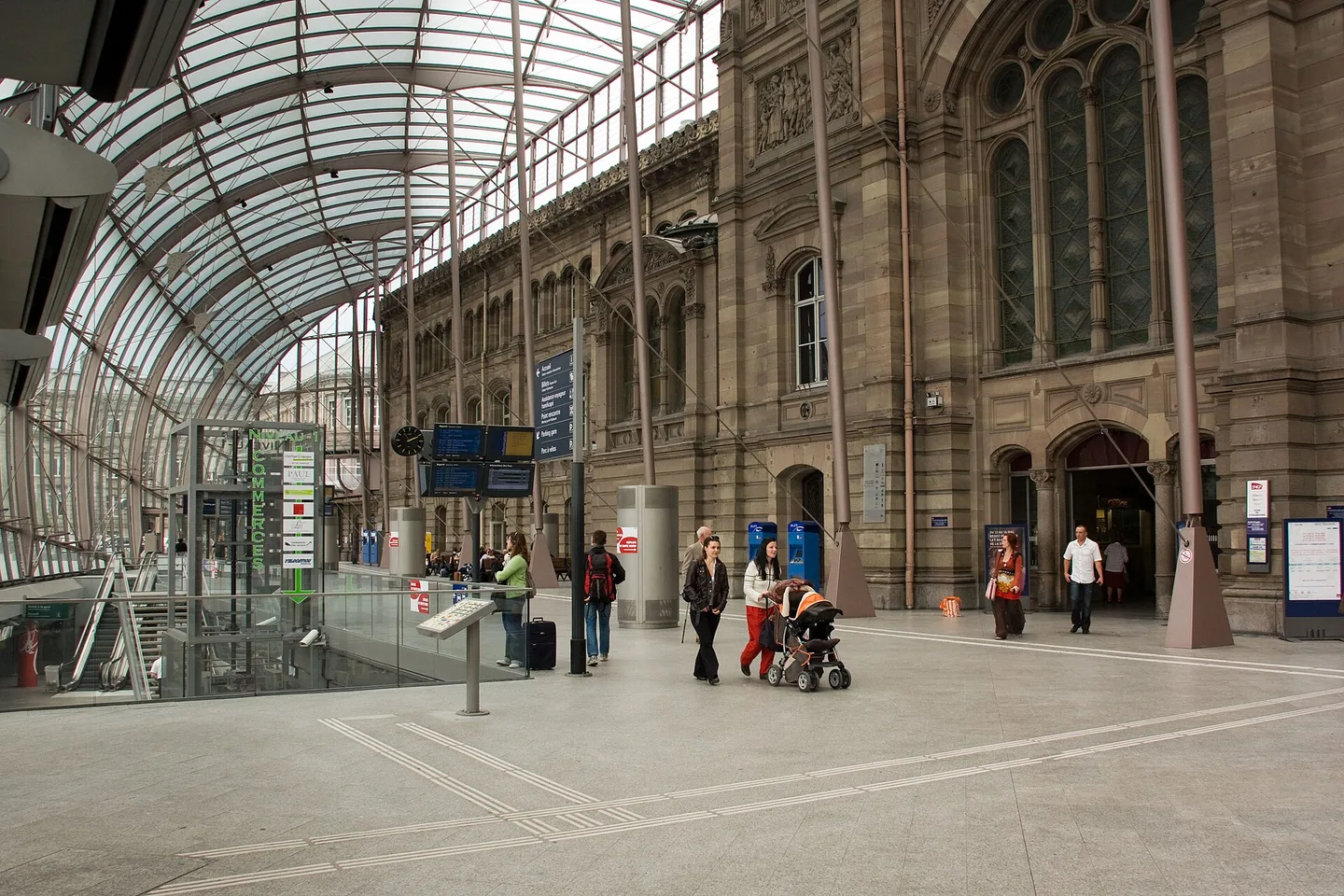
Gare de Strasbourg serves as the primary gateway, sheltered beneath an expansive curved glass canopy added in 2007. High-speed TGV INOUI runs link Paris Est to the city in as little as 1 hour 44 minutes, averaging about 2 hours 15 mins. Southbound TGV trains reach Lyon Part-Dieu from 3 hours 42 mins, averaging 4 hours 35 mins. Regional TER trains run south to Colmar every half hour, taking 26 to 31 mins across 41 to 42 direct departures daily.
For air travel, Strasbourg Airport lies ten kilometres away and connects to the central station via an eight-minute train shuttle. EuroAirport Basel-Mulhouse-Freiburg and Stuttgart Airport offer broader international flights roughly 110 kilometres away.
Driving into the city requires caution because all 33 metropolitan municipalities enforce a continuous low-emission zone. This zone bans Crit'Air 4, 5, and unclassified vehicles round the clock. Motorists must display a valid French sticker or register an exemption before entering metropolitan roads. Check Strasbourg's local driving regulations and travel practicalities before setting off.
Where to stay
Choosing accommodation in Strasbourg depends primarily on your transit plans and preference for evening quiet. Grande-Île offers immediate access to evening dining, historic alleys, and the Cathedral, though cobblestones can complicate rolling luggage. Staying within the oval island means stepping straight from your hotel doorway into pedestrianised streets beside the canal network.
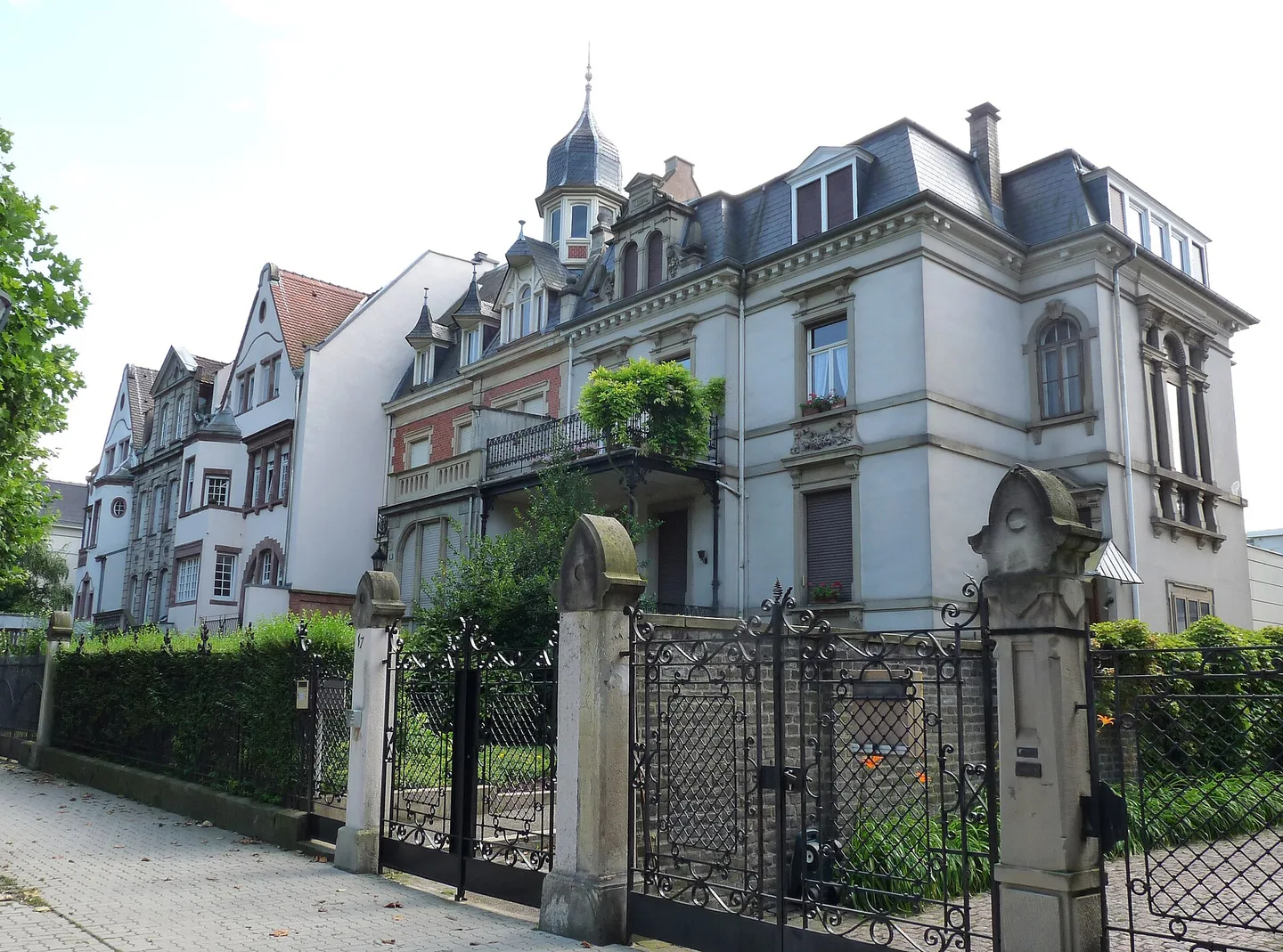
Across the Canal du Faux-Rempart, Neustadt offers wider boulevards, grand residential architecture, and a peaceful atmosphere after dark. Tram lines connect Place de la République quickly to both the station and the European district.
Staying near the central station suits early morning rail connections, while drivers should consider park-and-ride facilities on outer tram lines. Twelve automated park-and-ride sites keep private cars outside the pedestrianised historic core and include return transit tickets for groups. Read our breakdown of Strasbourg's central canal districts and residential bases.
Things to do
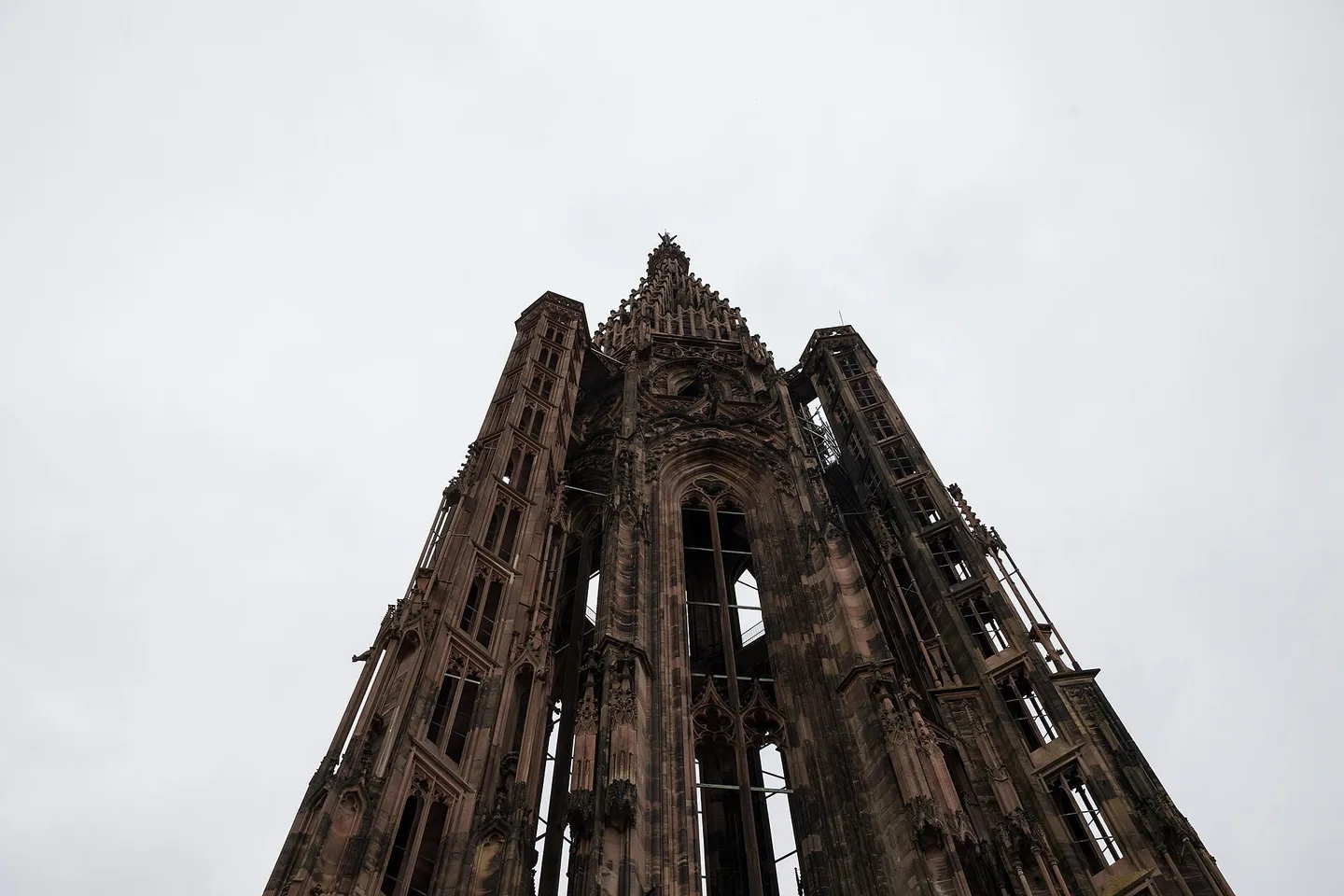
Strasbourg Cathedral dominates the city skyline, rising 142 metres above the central square. Built from pink Vosges sandstone between 1015 and 1439, its interior houses an intricate 1842 astronomical clock that performs at solar noon. Climbers can tackle the 330 to 332 spiral steps to reach the 66-metre outdoor platform, which offers sweeping panoramas across the rooftops toward the Black Forest. Detailed planning advice appears in our Cathedral and Petite France Guide.
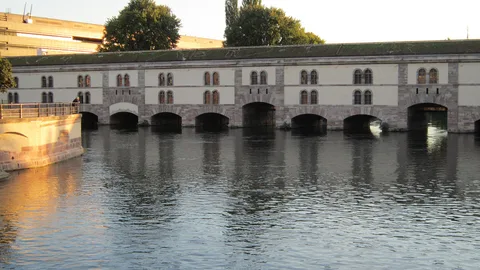
At the western tip of the island, Petite France displays preserved sixteenth-century tanners' houses beside rushing canal locks. Nearby, the rooftop terrace of the 1690 Barrage Vauban provides classic views over the thirteenth-century Ponts Couverts towers.
Beyond the historic centre, tram lines head northeast to the European Parliament and the 26-hectare Parc de l'Orangerie, where resident storks nest along tree-lined paths. The Louise Weiss parliamentary building welcomes visitors to its Hemicycle with a valid passport or national ID card. Explore our curated selection of Strasbourg's premier river sights and historic landmarks.
Food and drink
Dining in Strasbourg revolves around the traditional winstub, a cosy tavern style that reflects centuries of shared French and German domestic heritage. Meals typically start with tarte flambée, baked on thin dough with fresh cream, onions, and smoked lardons. Heartier mains include choucroute garnie, pairing slow-cooked sauerkraut with various cuts of pork, as well as baeckeoffe, a slow-baked casserole of marinated meats and sliced potatoes.
These robust dishes pair naturally with dry regional white wines served in distinctive green-stemmed glasses. Local cellars pour crisp Riesling, aromatic Pinot Gris, and fragrant Gewurztraminer from nearby foothill vineyards. Finish a meal with tender spaetzle or a slice of sweet, yeast-leavened kougelhopf dusted with icing sugar.
Culture
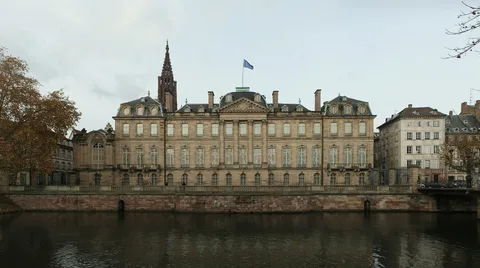
Strasbourg balances French administrative rhythm with an enduring Alsatian identity. Bicultural heritage shapes museum collections across the city, though travellers should note that Musée Alsacien is closed for major restoration work until June 2028. Visual arts collections inside Palais Rohan close on Tuesdays, while the historical and modern art museums close on Mondays.
Spring and autumn bring comfortable temperatures, with afternoon averages reaching 19.7°C in May and 21.8°C in September. December afternoons average 7°C, when the annual Christkindelsmärik market fills Place Kléber and Place Broglie from late November until Christmas Eve. Navigating the crowded winter streets requires extra patience and reliance on public transport. Plan a weekend walking route using our two-day Strasbourg historic trail.
Official prices and opening hours
- Strasbourg Cathedral NaveOfficial site ↗
- Strasbourg Cathedral Platform (330+ steps)Official site ↗
- Cathedral Astronomical Clock PresentationOfficial site ↗
- Palais Rohan Museums (Fine Arts, Decorative Arts, Archaeological)Official site ↗
- CTS Tram & Bus Single Ticket / 24h Solo PassOfficial site ↗
- Batorama Ill River Boat CircuitsOfficial site ↗
- European Parliament (Louise Weiss Building)Official site ↗
Weather by month
Strasbourg is warmest in July, with average highs around 27°C, and coldest in January, when nights drop to about 0°C. December is the wettest month by rainfall (90 mm), with rain on about 14 days. For mild weather with fewer rainy days, aim for July, August and September.
| Month | Low | Range | High | Rain | Rainy days |
|---|---|---|---|---|---|
| Jan | 0°C | 6°C | 86 mm | 15 d | |
| Feb | 1°C | 9°C | 68 mm | 12 d | |
| Mar | 2°C | 12°C | 70 mm | 12 d | |
| Apr | 5°C | 16°C | 70 mm | 12 d | |
| May | 10°C | 20°C | 89 mm | 13 d | |
| Jun | 15°C | 25°C | 76 mm | 13 d | |
| Jul | 16°C | 27°C | 74 mm | 11 d | |
| Aug | 16°C | 26°C | 63 mm | 11 d | |
| Sep | 12°C | 22°C | 60 mm | 9 d | |
| Oct | 8°C | 16°C | 78 mm | 12 d | |
| Nov | 4°C | 10°C | 81 mm | 14 d | |
| Dec | 1°C | 7°C | 90 mm | 14 d |
Averages of daily values from 2015 to 2024. Rainy days are days with at least 1 mm of rain. Source: Open-Meteo · Compare destinations by month.
Strasbourg on the map
Every place we cover in Strasbourg. Tap a category or pin to explore.
In-depth Strasbourg guides
Browse the guides grouped by topic: sights, neighbourhoods, food, transport, day trips and trip planning.
Sights, Landmarks & Parks
Key monuments, viewpoints, museums and nature trails.
- Strasbourg Sights, Museums, and European InstitutionsStrasbourg pairs riverside episcopal palaces and municipal art collections with modernist architecture and the transparent glass halls of European democracy.
- Strasbourg Cathedral, the Astronomical Clock, and Petite FranceWe trace pink sandstone spires, Renaissance engineering, and historic river channels across the medieval core of Alsace.
Neighbourhoods & Where to Stay
Districts, historic quarters and the best bases for your stay.
Getting Around & Arrival
Airport transfers, public transit, passes and driving rules.
Trip Planning & Itineraries
When to visit, what to pack and day-by-day routes.
Need your embassy or consulate in France? See embassies and consulates in France.
Reviews
Log in to write a review.
No reviews yet.