


























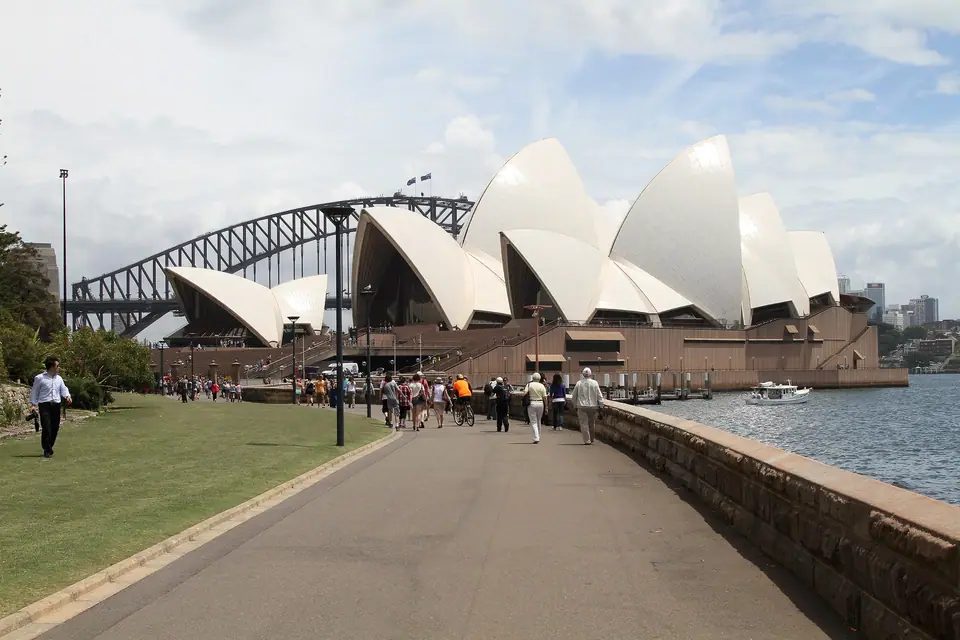
Best Time to Visit Sydney: Seasons, Ocean Temperatures, Jacarandas and Festivals
Month-by-month breakdown of Sydney weather, Pacific ocean swimming temperatures, spring jacaranda bloom, and winter Vivid Sydney light installations.
Because Sydney sits in the Southern Hemisphere at latitude 33 degrees south, its seasons are the exact opposite of those in Europe and North America. Tempered by the Tasman Sea, the city enjoys a humid subtropical climate with more than three hundred days of sunshine a year, mild winters that never bring frost to the harbour, and warm coastal breezes that keep summer afternoons comfortable along the water.
Spring (September to November) and Autumn (March to May): the sweet spots
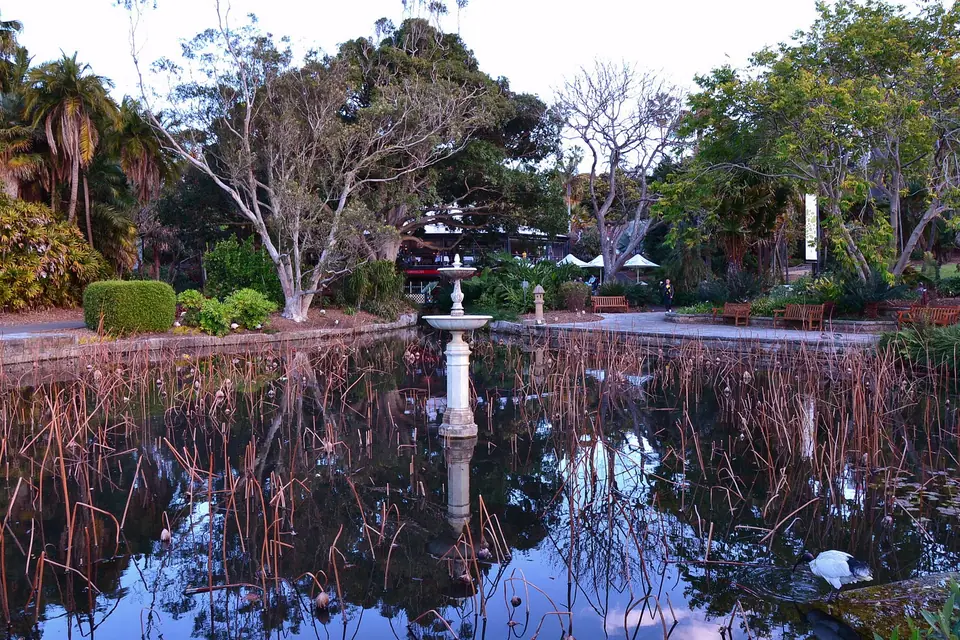
For most first-time visitors, late spring (October and November) and autumn (March and April) offer the best balance of warm daytime temperatures, lower humidity, and manageable hotel occupancy. In October and early November, thousands of jacaranda trees burst into purple blossom across Kirribilli, McDougall Street in Milsons Point, Paddington, and the Quadrangle at the University of Sydney, while Sculpture by the Sea lines the sandstone cliffs of the Bondi to Coogee walk. In March and April, the Pacific Ocean retains all its summer warmth (around 23 to 24 degrees Celsius), making autumn ideal for swimming at Manly and Bondi without the peak January school-holiday crowds.
Summer (December to February): beach culture and harbour celebrations
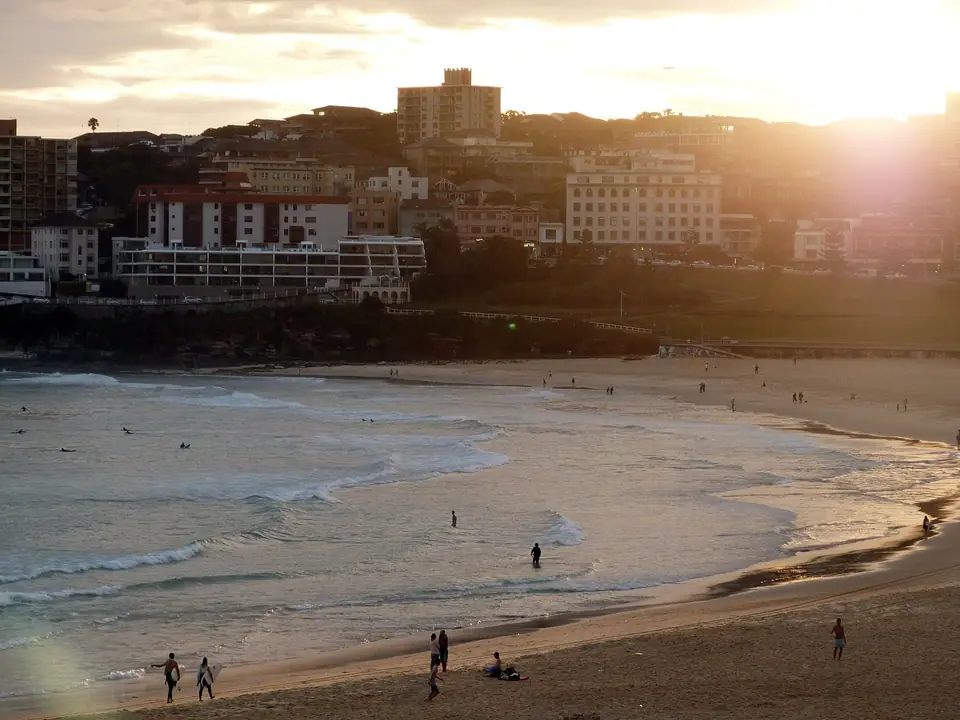
Summer is high season in Sydney, when daytime highs average 26 to 27 degrees Celsius along the coast (and occasionally climb above 35 degrees in the western suburbs before a cool afternoon sea breeze known locally as the Southerly Buster sweeps up the coast). Late December and January bring the Sydney to Hobart Yacht Race start on Boxing Day (26 December), the world-famous New Year's Eve fireworks over the Sydney Harbour Bridge, the Sydney Festival in January, and the Sydney Gay and Lesbian Mardi Gras Parade along Oxford Street in late February or early March. Because Australian schools break for six weeks from mid-December through late January, book accommodation in central harbour and beach districts well in advance.
Month-by-month ocean water temperatures for swimmers
Unlike air temperatures, which peak in January, the Tasman Sea off Bondi, Bronte, and Manly warms and cools with a two-month lag. Sea surface temperatures reach their warmest levels of the entire year in February and March (averaging 23 to 24 degrees Celsius) and stay comfortable for swimsuit dips right through April (22 to 23 degrees) and May (21 degrees). Water temperatures drop to their coolest point in August and September at around 18 to 19 degrees Celsius, when local lap swimmers at Bondi Icebergs and Cabbage Tree Bay wear a thin spring wetsuit.
Winter (June to August): Vivid Sydney and whale migration
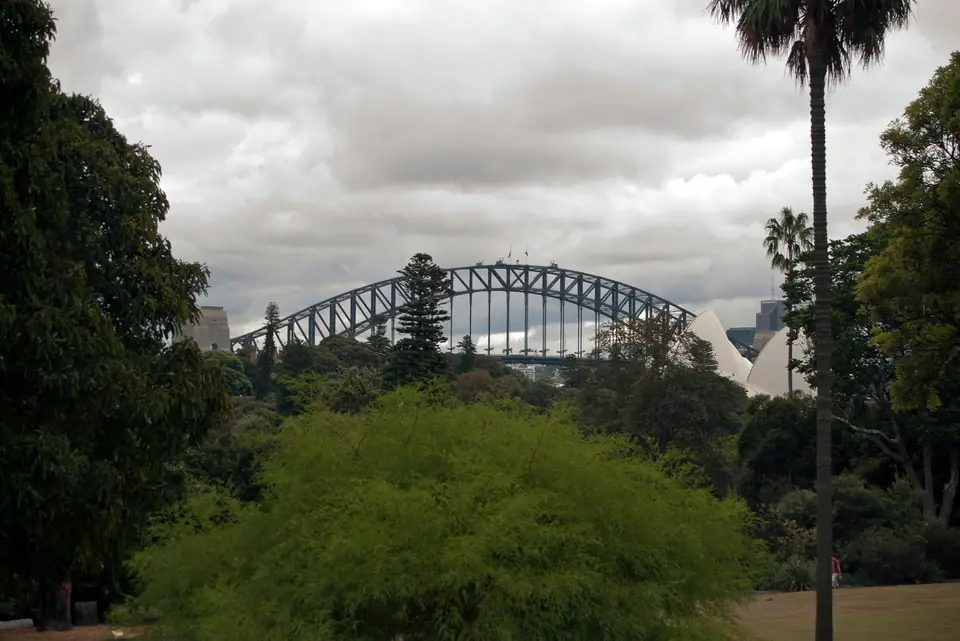
- Vivid Sydney (late May to mid-June): For three weeks at the start of winter, the annual Vivid Sydney festival transforms the sails of the Sydney Opera House, the facades of The Rocks, Circular Quay, and Darling Harbour with free large-scale light projections, interactive installations, and live music.
- Humpback whale watching: Between May and November, thousands of humpback whales migrate north and south along the New South Wales coast; you can spot their breaches and tail slaps with the naked eye from the sandstone headlands at North Head, South Head, and Cape Solander in Kamay Botany Bay National Park.
- Blue Mountains crisp air: Daytime winter highs in the city hover around 17 to 19 degrees Celsius, while Katoomba in the Blue Mountains sits around 1,000 metres above sea level and requires a warm fleece and windproof jacket.
Traveller tips
Real advice from people who have been to Best Time to Visit Sydney: Seasons, Ocean Temperatures, Jacarandas and Festivals. Every tip is read by our team before it goes live.
No tips yet. Been here? Yours could be the first.
Thank you! Your tip will appear here after a quick review.
More in Sydney
Continue exploring Sydney with related neighbourhood, food, and planning guides
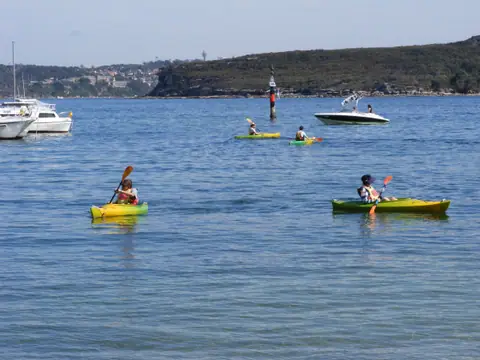
3 Days in Sydney: Harbour Icons, Bondi to Coogee Walk, Manly Ferry and Blue Mountains
Sydney, Australia
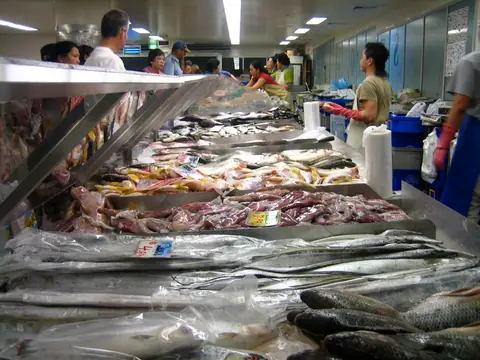
What to Eat in Sydney: Rock Oysters, Barramundi, Meat Pies, Pavlova and Lamingtons
Sydney, Australia
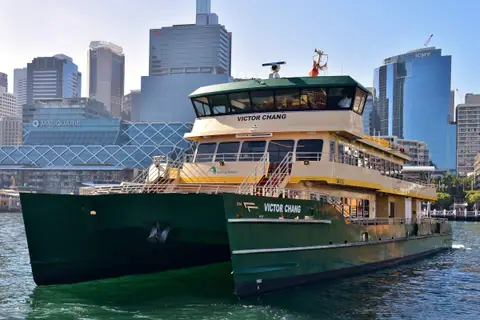
Getting Around Sydney: Contactless Opal Fares, Ferries, Light Rail, Metro and Trains
Sydney, Australia
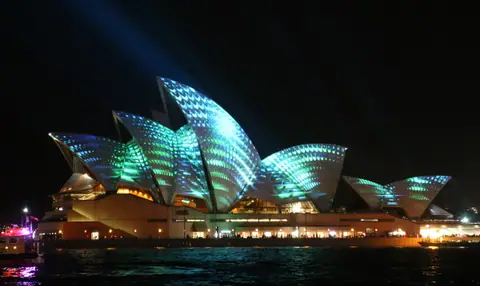
Sydney Opera House: Utzon Sails, Concert Hall, Forecourt Views and Guided Tours
Sydney, Australia
