


























Sydney: Harbour Layout, Opal Transit, Beaches and First-Time Planning
How Sydney is organised around Port Jackson, the eastern beaches, and the inner suburbs, plus visa rules, sun safety, and transit essentials.
Sydney is Australia's largest and oldest metropolis, founded on 26 January 1788 at Sydney Cove on the ancestral lands of the Gadigal people of the Eora Nation. Although it is the state capital of New South Wales and home to more than five million residents, the parts that matter to travellers are remarkably easy to navigate because they wrap around two bodies of water: the sheltered bays of Port Jackson (Sydney Harbour) and the surf beaches of the Tasman Sea.
How Sydney's geography works
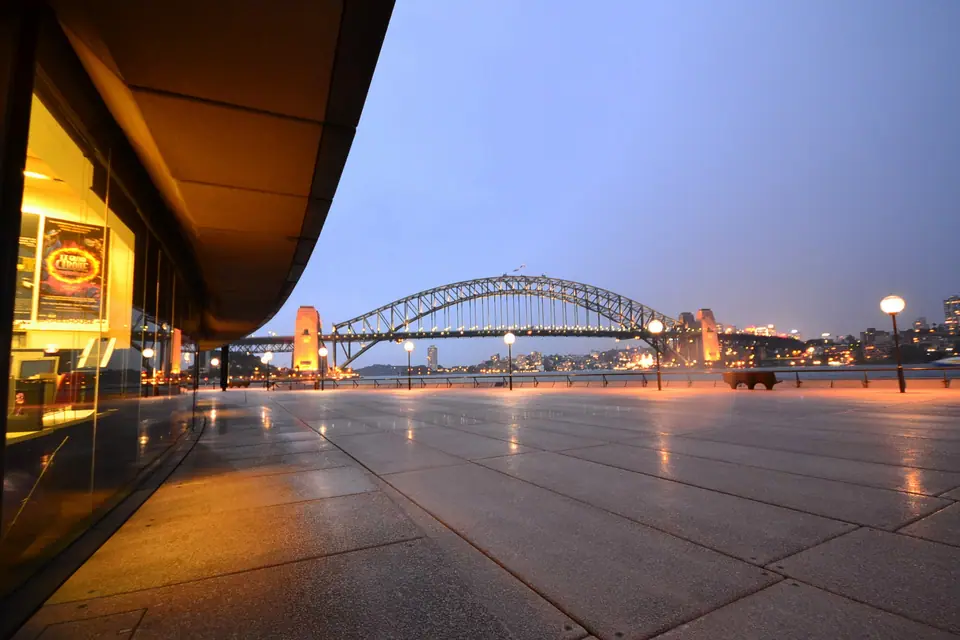
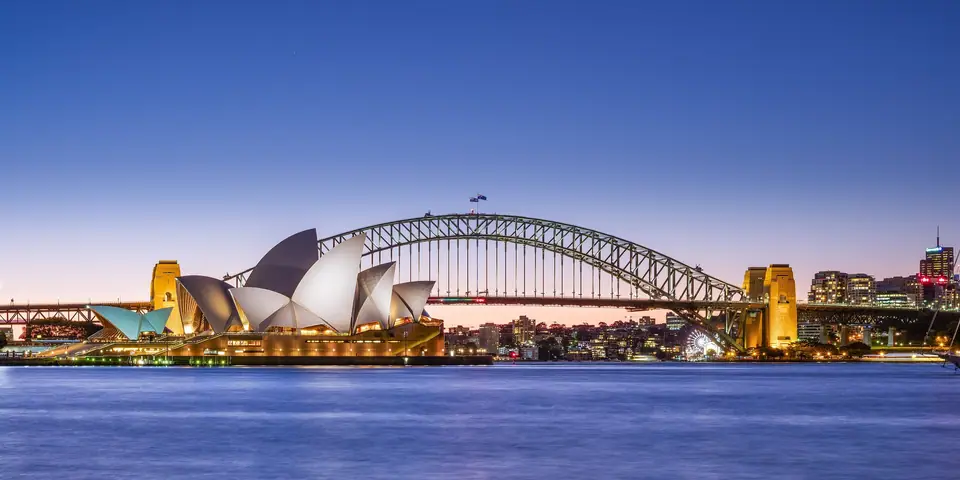
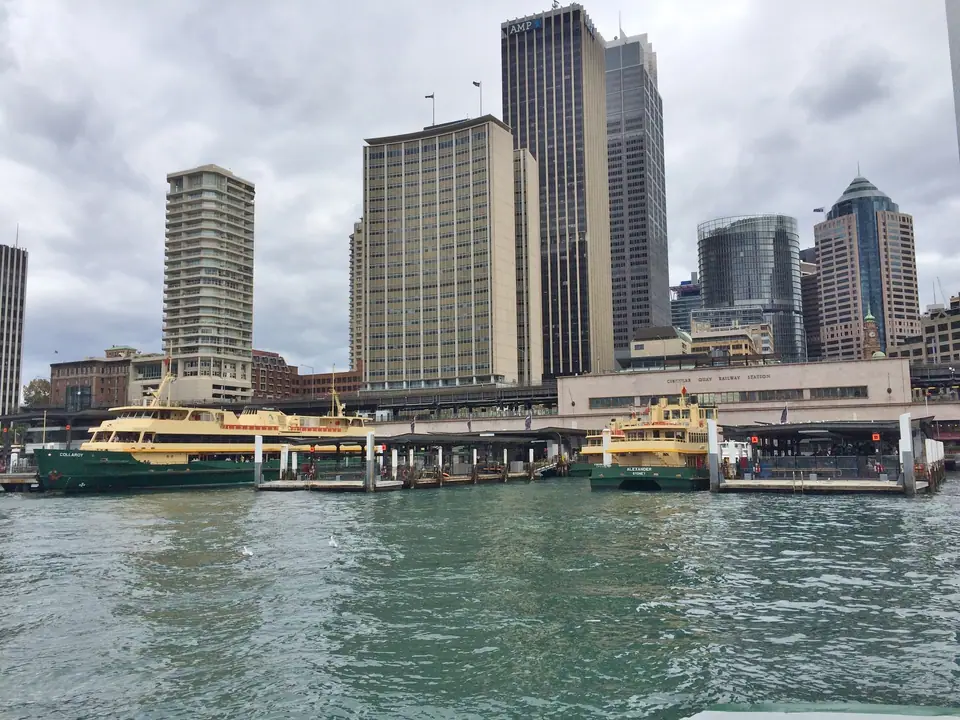
The Sydney Harbour Bridge and the Sydney Opera House face each other across Sydney Cove at Circular Quay, which serves as the city's main ferry, train, and light rail hub. Directly south of the quay, the Central Business District (CBD) runs along George Street and Pitt Street down to Central Station. Flanking the CBD are The Rocks to the north-west, Darling Harbour and Barangaroo to the west, and the Royal Botanic Garden to the east. Beyond the inner-city terraces of Surry Hills and Paddington lie the Eastern Suburbs beaches (Bondi, Tamarama, Bronte, and Coogee), while the Northern Beaches (Manly) sit across the harbour heads.
Visas, biosecurity and arrival essentials
All foreign visitors except New Zealand citizens must hold an approved Australian visa or electronic travel authority before boarding a flight. Passport holders from eligible European countries apply for the free eVisitor (subclass 651), while travellers from the United States, Canada, the United Kingdom, Japan, and Singapore apply through the official Australian ETA mobile app (subclass 601). Australia enforces strict biosecurity rules at the border: declare all food, plant material, wooden items, and hiking boots with soil traces on your Incoming Passenger Card so customs officers can inspect them on arrival.
Money, contactless Opal transit and tipping
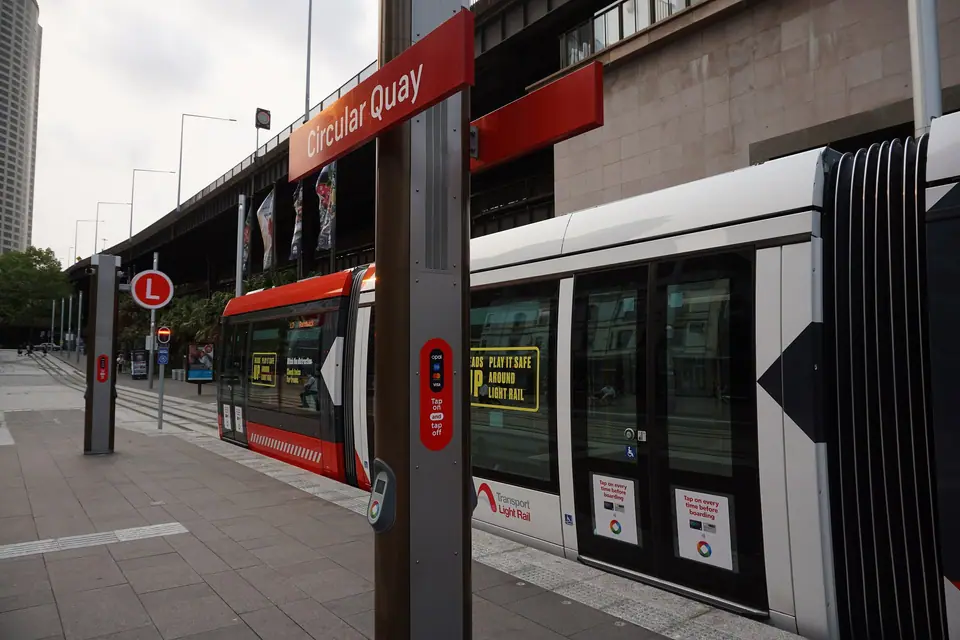
Australia uses the Australian Dollar (AUD), and Sydney is almost entirely cashless. Contactless Visa, Mastercard, and American Express cards (as well as Apple Pay and Google Wallet) work everywhere, from specialty coffee kiosks to surf club bars. You do not need to buy a physical Opal card for public transport unless you qualify for a concession fare: simply tap the same contactless bank card or phone on and off at the Opal readers on trains, metro services, ferries, and light rail, and the system automatically applies daily and weekly fare caps. Tipping is not mandatory in Australia, as hospitality staff receive statutory minimum wages and weekend penalty rates.
How many days to allow and how to group your days
A four-day stay gives first-time visitors enough breathing room to experience both the inner harbour and the wider sandstone basin without rushing. Dedicate your first day to Circular Quay, the Royal Botanic Garden, Bennelong Point, and the historic laneways of The Rocks before walking across the Harbour Bridge deck at dusk. Spend your second day along the Pacific cliffs on the six-kilometre walk from Bondi Icebergs to Coogee, and your third day riding the F1 commuter ferry across the Sydney Heads to Manly and Shelly Beach. Reserve a fourth day for a two-hour rail trip from Central Station to Katoomba in the World Heritage-listed Blue Mountains.
Sun safety and ocean swimming rules
- UV protection: Australia experiences intense ultraviolet radiation even on cool or overcast days. Apply broad-spectrum SPF 50+ water-resistant sunscreen, wear a wide-brimmed hat, and carry sunglasses year-round.
- Swim between the flags: Pacific surf beaches produce powerful rip currents. Always swim strictly between the red-and-yellow flags patrolled by Surf Life Saving Australia lifeguards, or use the concrete ocean rock pools cut into the headlands at Bondi Icebergs, Bronte, Clovelly, and Coogee.
- Power sockets and emergency numbers: Australia uses the three-flat-pin Type I plug at 230 volts and 50 Hz, and the national emergency telephone number for police, fire, and ambulance is 000.
Traveller tips
Real advice from people who have been to Sydney: Harbour Layout, Opal Transit, Beaches and First-Time Planning. Every tip is read by our team before it goes live.
No tips yet. Been here? Yours could be the first.
Thank you! Your tip will appear here after a quick review.
More in Sydney
Continue exploring Sydney with related neighbourhood, food, and planning guides
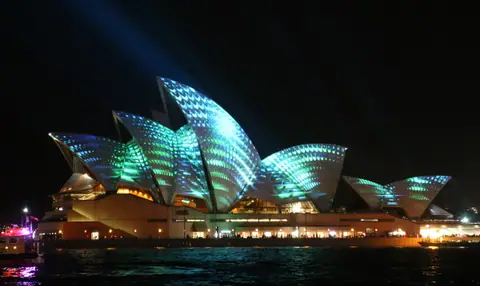
Sydney Opera House: Utzon Sails, Concert Hall, Forecourt Views and Guided Tours
Sydney, Australia
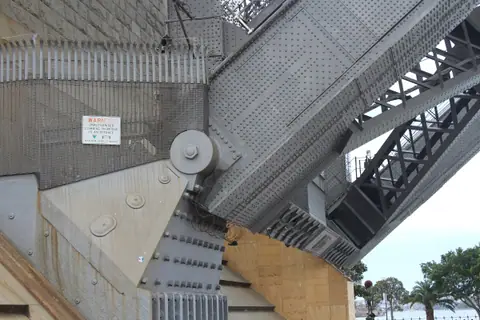
Sydney Harbour Bridge: Free Pedestrian Walkway, Pylon Lookout and BridgeClimb
Sydney, Australia
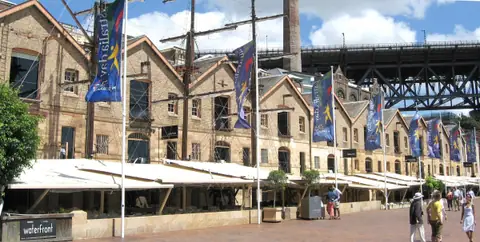
The Rocks and Circular Quay: Sandstone Laneways, Cadmans Cottage and Markets
Sydney, Australia
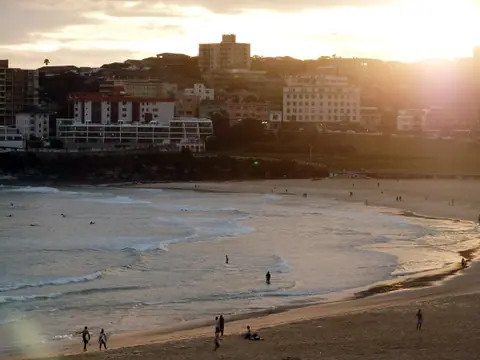
Bondi to Coogee Coastal Walk: Icebergs Pool, Tamarama, Bronte and Clifftop Bays
Sydney, Australia
