
Inca Trail Trek to Machu Picchu
Four days on stone paths the Incas laid, over a 4,200-metre pass and down through cloud forest to the Sun Gate above Machu Picchu.
Overview
Most people reach Machu Picchu by train and bus. The Inca Trail is the other way in: about 42 kilometres of original Inca paving, stairways and tunnels cut into rock, from the Urubamba valley over three high passes to Inti Punku, the Sun Gate, where the citadel appears below you for the first time. It is the most famous trek in South America, and it lives up to it. It is also tightly regulated, so it takes more planning than any other part of a Peru trip.
The classic four days
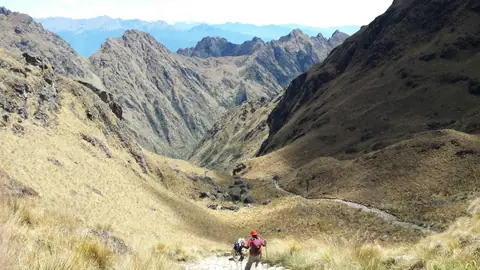
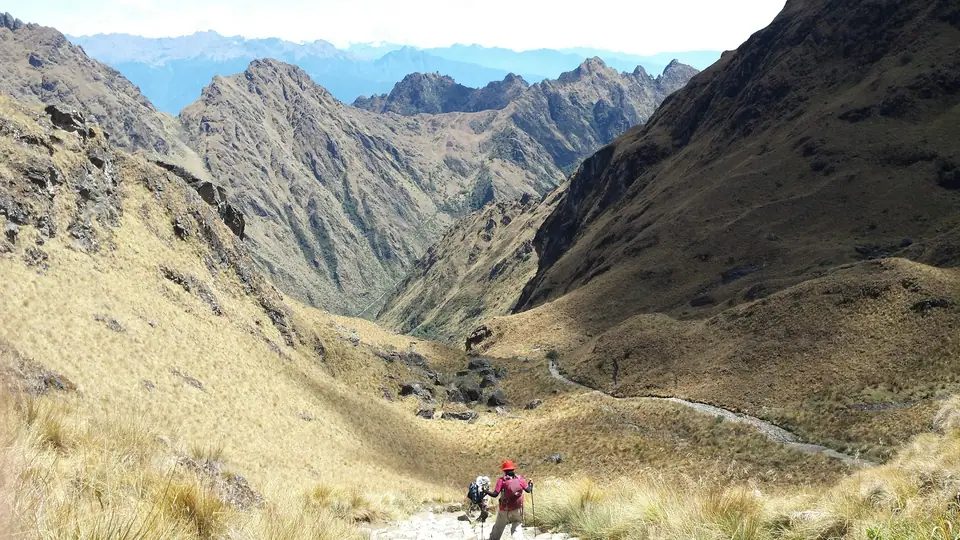
The trek starts at a checkpoint called kilometre 82, named after the railway marker. Day one is a gentle warm-up along the river past the ruins of Llactapata. Day two is the one everyone talks about: a long climb up high stone steps to Warmiwañusca, Dead Woman's Pass, at about 4,200 metres. Few people find it technical. Most find it slow, with short steps and many stops to breathe.
Day three is the longest and, for us, the best. You cross a second pass by the round ruin of Runkurakay, pass Sayacmarca on its rocky spur and Phuyupatamarca with its stone baths, then drop through cloud forest to the terraces of Wiñay Wayna. On day four you wake before dawn, wait at the last checkpoint and walk the final stretch to the Sun Gate. On a clear morning, the view down to the city is the moment the whole trip builds to. On a cloudy one you see white, and the ruins appear later as the mist lifts. Both happen often.
From the gate you walk down into the site for a guided visit, which uses a timed entry ticket on a fixed one-way route like everyone else's. Our tickets guide explains how the circuits work.
The short version
The one-day Inca Trail starts at kilometre 104, climbs steadily past Wiñay Wayna and reaches the Sun Gate in the afternoon. It has its own permit quota and still goes through an operator. Many packages sell it as two days: the hike, a night in Aguas Calientes and a proper visit to the citadel the next morning. It suits people short on time or anyone who cannot face camping, though you miss the high passes and most of the ruins on the way.
Altitude and acclimatising
Cusco sits at about 3,400 metres, and the trail tops out higher. Give yourself at least two or three nights in Cusco or the Sacred Valley before you start, walk slowly, drink water and skip alcohol for the first days. Our travel guide has more on altitude.
Who it suits, and who it does not
It suits reasonably fit walkers who are happy camping for three nights, like a group, and care about arriving on foot. It is hard on bad knees, because the descents on day three are long and steep, and there is no easy exit once you pass the first day. If you are not sure you want four days of stairs, the short version or the train is the honest choice.
If permits are gone, the Salkantay trek (higher, wilder, around a glacier peak) and the Lares trek (quieter, through Andean villages) need no Inca Trail permit and finish with a train to Aguas Calientes. Neither follows an Inca road into the site.
How to Book
You cannot walk the trail alone. Every hiker goes with a licensed operator and a guide, and the operator buys your permit. The number of people who can start the trail each day is capped, and that cap includes guides and porters, so the places for trekkers are far fewer. Permits carry your name and passport number and cannot be transferred or changed to another person. Carry the same original passport on the trail, because it is checked at the start. If you renew your passport after booking, tell your operator straight away.
For June to August, book months ahead. The trail closes every February for maintenance.
When you compare operators, look for:
- Group size, and whether a private departure is possible.
- What is included: permit, Machu Picchu entry ticket, the bus down to Aguas Calientes, the train back, and tents and sleeping mats.
- How they treat porters: fair pay, proper boots and sleeping gear, and respect for the legal load limit.
- The rules on cancellation and date changes. Permits are usually non-refundable once issued.
Most operators collect you from your hotel in Cusco or the Sacred Valley before dawn on day one.
Tips
- Break in your boots before you fly. New boots on day two are how blisters start.
- Pack for freezing nights. The camp after Dead Woman's Pass is cold even in the dry season. Our what to wear guide has the full list.
- Hire an extra porter for your personal bag if the operator offers one. Carrying only a daypack makes the climb far easier.
- Bring cash for tips for the porters, cooks and guide, handed over on the last evening.
- Use walking poles with rubber tips. Metal tips damage the stones.
- Book a night in Aguas Calientes after the trek instead of rushing back to Cusco. Our where to stay guide covers it.
- Accept the weather. The Sun Gate is often in cloud at dawn, and the view usually opens later in the morning.
Reviews
Log in to write a review.
No reviews yet.
You might also like
Ubud Cycling Tour
Usually a half day to a full day including hotel pickup, with around 2 to 3 hours on the bike · Bali
Tokyo Izakaya Food Tour
About 3 hours, usually three or four stops in one or two neighbourhoods · Tokyo
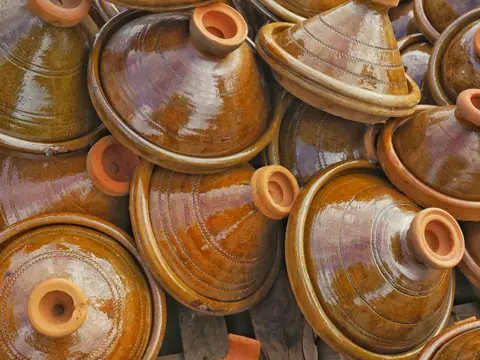
Moroccan Cooking Class in Marrakech
About 3 to 5 hours, including the market visit and the meal you cook · Marrakech
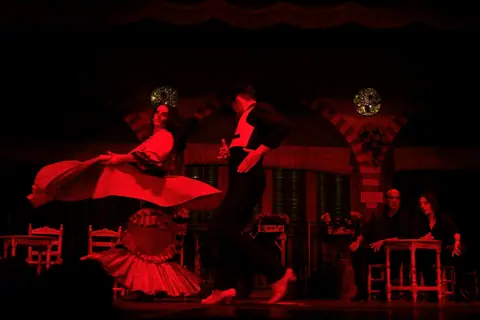
Flamenco Show in Barcelona
About 1 hour for a tablao show, 75 minutes to 1.5 hours for a concert-hall gala, 2 to 2.5 hours with dinner · Barcelona