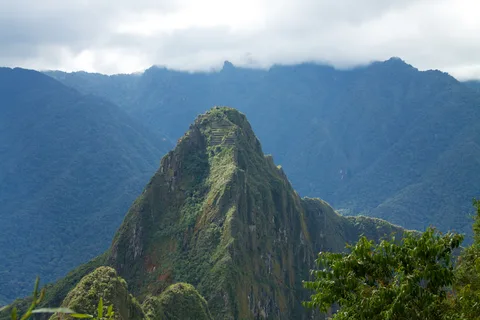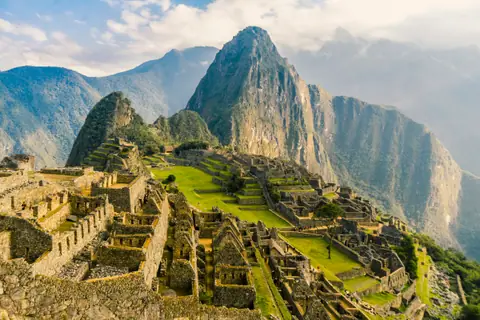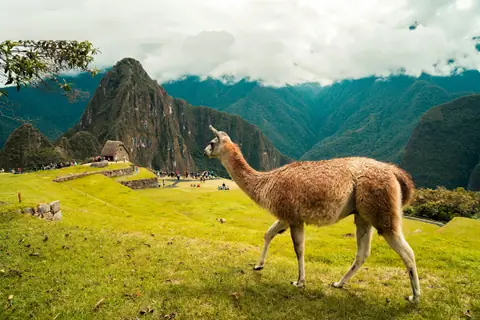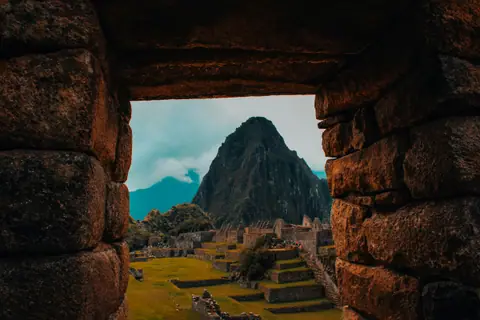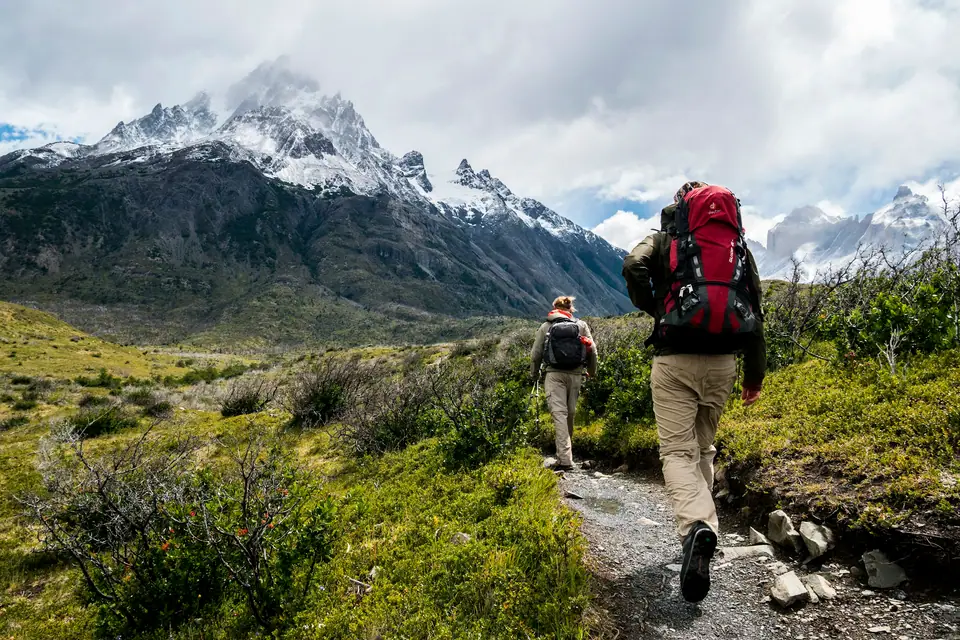
Photo by Toomas Tartes on Unsplash
What to Wear to Machu Picchu: Essential Packing and Clothing Guide
Master your clothing choices for Machu Picchu with advice on layering for cloud forest weather, choosing rugged footwear, and complying with strict citadel baggage regulations.
Understanding the Cloud Forest Microclimate
Machu Picchu sits in the Urubamba Province within the Cusco Region, perched above the Vilcanota River. The ancient citadel, derived from the Quechua name meaning old mountain or prominence, occupies an intermediate zone between high Andean peaks and the Amazonian cloud forest. This unique geographical setting creates volatile weather that can shift dramatically within a single morning. A typical excursion begins in cool morning mist and progresses to intense equatorial sunshine, often punctuated by sudden rain showers.
Preparing for these shifts requires versatile layering rather than heavy winter apparel. During June and July, the climate is comparatively dry, with July recording 47 millimetres of rainfall across roughly 11 wet days. However, dry season mornings remain brisk, as overnight temperatures drop to an average low of 8.9 degrees in July and 9.2 degrees in June. Conversely, the rainy period brings heavy moisture. January records an average of 329 millimetres across 30 wet days, while October sees 205 millimetres. Afternoon highs consistently hover between 17.8 and 19.0°C throughout the year. You can assess overall weather trends across our best time to visit Machu Picchu guide.
Footwear Requirements for Ancient Stone Trails
Footwear is the single most critical gear choice for your visit. The archaeological site features hundreds of original stone steps, narrow agricultural terraces, and polished granite paths. Morning condensation and regular precipitation make these surfaces slick. Worn athletic trainers with flat soles offer inadequate traction and increase the likelihood of slipping.
Standard tourist circuits demand sturdy walking shoes or trail runners equipped with deep rubber treads. For visitors tackling the steep ascents outlined in our Huayna Picchu and Machu Picchu Mountain guide, mid-cut hiking boots provide valuable ankle stability across exposed vertical staircases. Make sure that your chosen footwear is thoroughly broken in before arriving in Peru, as stiff boots will cause blisters on sustained uphill climbs. Pair your shoes with synthetic or merino wool hiking socks that wick moisture and prevent friction.
Layering Strategy for Every Season
A functional clothing system relies on three coordinated layers that fit neatly inside your daypack when not in use.
- Base Layer: Wear a breathable, moisture-wicking short-sleeve or long-sleeve technical shirt. Avoid pure cotton fabrics, which absorb sweat and leave you chilled when the mountain wind picks up. Long sleeves offer reliable protection against high-altitude ultraviolet radiation and biting sandflies near the river valley.
- Insulating Mid Layer: Pack a lightweight microfleece or a packable synthetic jacket. This layer provides essential warmth during early departures from Aguas Calientes or while waiting at the bus boarding area.
- Outer Protective Shell: Carry a waterproof, breathable jacket with taped seams in every month of the year. While a basic plastic poncho provides temporary cover during passing downpours, a structured waterproof jacket shields against continuous rain while allowing perspiration to vent.
- Hiking Trousers: Choose quick-drying, lightweight trekking trousers. Avoid denim jeans, which become heavy, cold, and uncomfortable when damp. Convertible trousers with zip-off legs allow you to adapt immediately as temperatures climb toward midday.
Machu Picchu Clothing and Equipment Matrix
| Gear Category | Recommended Item | Key Functional Purpose | Essential Season |
|---|---|---|---|
| Base Layer | Long-sleeve synthetic top | Sun protection and insect defence | All year round |
| Mid Layer | Microfleece or packable fleece | Warmth during cold early mornings | May to August |
| Outer Layer | Waterproof jacket with hood | Wind and heavy precipitation barrier | September to April |
| Footwear | Treaded trail shoes or boots | Secure grip on wet granite steps | All year round |
| Trousers | Stretch nylon trekking pants | Abrasion resistance and rapid drying | All year round |
Sun and Insect Protection
At high elevations, ultraviolet exposure is significantly stronger than at sea level. A wide-brimmed sun hat or a technical cap with neck coverage is vital when touring the open ruins, where shade is virtually nonexistent across the agricultural terraces. Quality sunglasses with total ultraviolet filtering prevent eye strain caused by bright granite reflections. Apply broad-spectrum sunscreen repeatedly, especially on exposed hands and the back of your neck.
The sub-tropical climate surrounding the Vilcanota River supports persistent biting insects, particularly tiny gnats known locally as simuliidae. These insects congregate around the ruins and throughout Aguas Calientes, located six kilometres down the valley. Standard insect repellent containing practical active ingredients is essential to prevent clusters of itchy bites. Wearing full-length trousers and long sleeves remains the most dependable physical barrier against these insects.
Citadel Regulations and Daypack Restrictions
Before packing your gear, you must understand the security regulations enforced at the site gates. The authorities restrict carry-in luggage to small daypacks. Large backpacks and multi-day trekking rucksacks are prohibited inside the archaeological reserve. Visitors carrying oversized bags must leave them at paid luggage storage facilities outside the main turnstiles before entry.
Trekking poles are strictly forbidden inside the circuits to prevent structural degradation to ancient masonry, unless an individual holds an official medical permit. If allowed, poles must feature soft rubber tips. Tripods, large camera rigs, selfie sticks, and drones are entirely prohibited. For planning your complete arrival logistics, read our Machu Picchu travel guide to coordinate your timings smoothly.
Remember that transport operators servicing Aguas Calientes from Cusco or Ollantaytambo enforce separate weight and volume limits on passenger carriages. Large suitcases should be left with your hotel storage facility in Cusco or the Sacred Valley, carrying only your immediate essentials in a compact pack for your stay in Machupicchu Pueblo. Pack your original passport, entrance tickets, a reusable water container, and your functional clothing layers to guarantee an exceptional visit to this iconic sanctuary.
Where it is
- 1Machu Picchu
- Alejandro Velasco Astete International Airport (CUZ) · about 78 km from Machu Picchu in a straight line
- Directions in Google Maps
Stations and taxi ranks: OpenStreetMap. Airports: OurAirports. Distances are in a straight line.
Traveller tips
Real advice from people who have been to Machu Picchu. Every tip is read by our team before it goes live.
No tips yet. Been here? Yours could be the first.
Thank you! Your tip will appear here after a quick review.
More in Machu Picchu
Continue exploring Machu Picchu with related neighbourhood, food, and planning guides