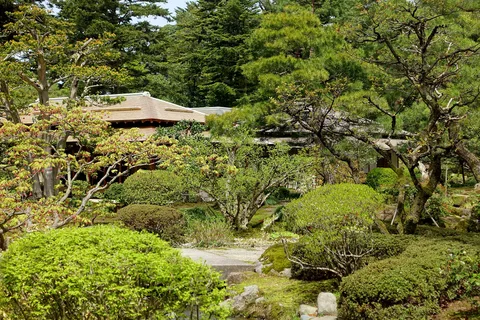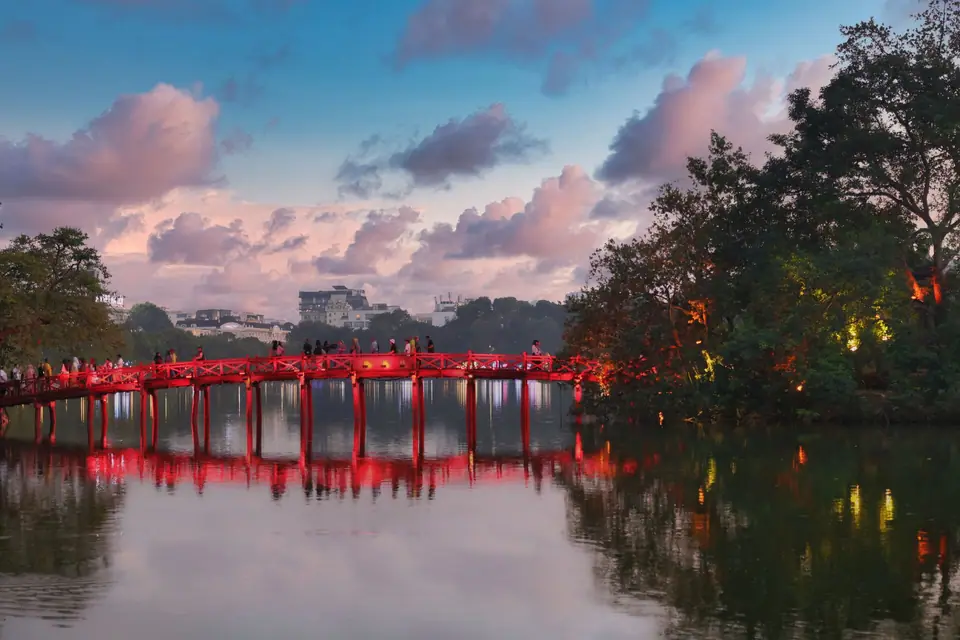
A detailed walking route through a thousand years of Thang Long and Hanoi: Hoan Kiem Lake, the 36 artisan guild streets, the Temple of Literature, and ochre French Quarter villas.
A Millennium Since Emperor Lý Thái Tổ’s Ascending Dragon Decree
In AD 1010 Emperor Lý Thái Tổ relocated the Vietnamese capital from Hoa Lư to the Red River bend of Đại La, renaming it Thăng Long (Ascending Dragon) after a vision of a golden dragon rising above the river. In 1070 Emperor Lý Thánh Tông founded the Temple of Literature (Văn Miếu) and Vietnam's first national university, while artisan guilds from surrounding villages settled thirty-six specialized merchant streets (the Old Quarter) between the royal citadel and the Red River dykes.
Renamed Hà Nội (Inside the Rivers) by Emperor Minh Mạng in 1831, the city became capital of French Indochina in 1902, blending banyan-shaded Buddhist pagodas and tube houses with yellow-stucco Belle Époque avenues and Long Biên Bridge.
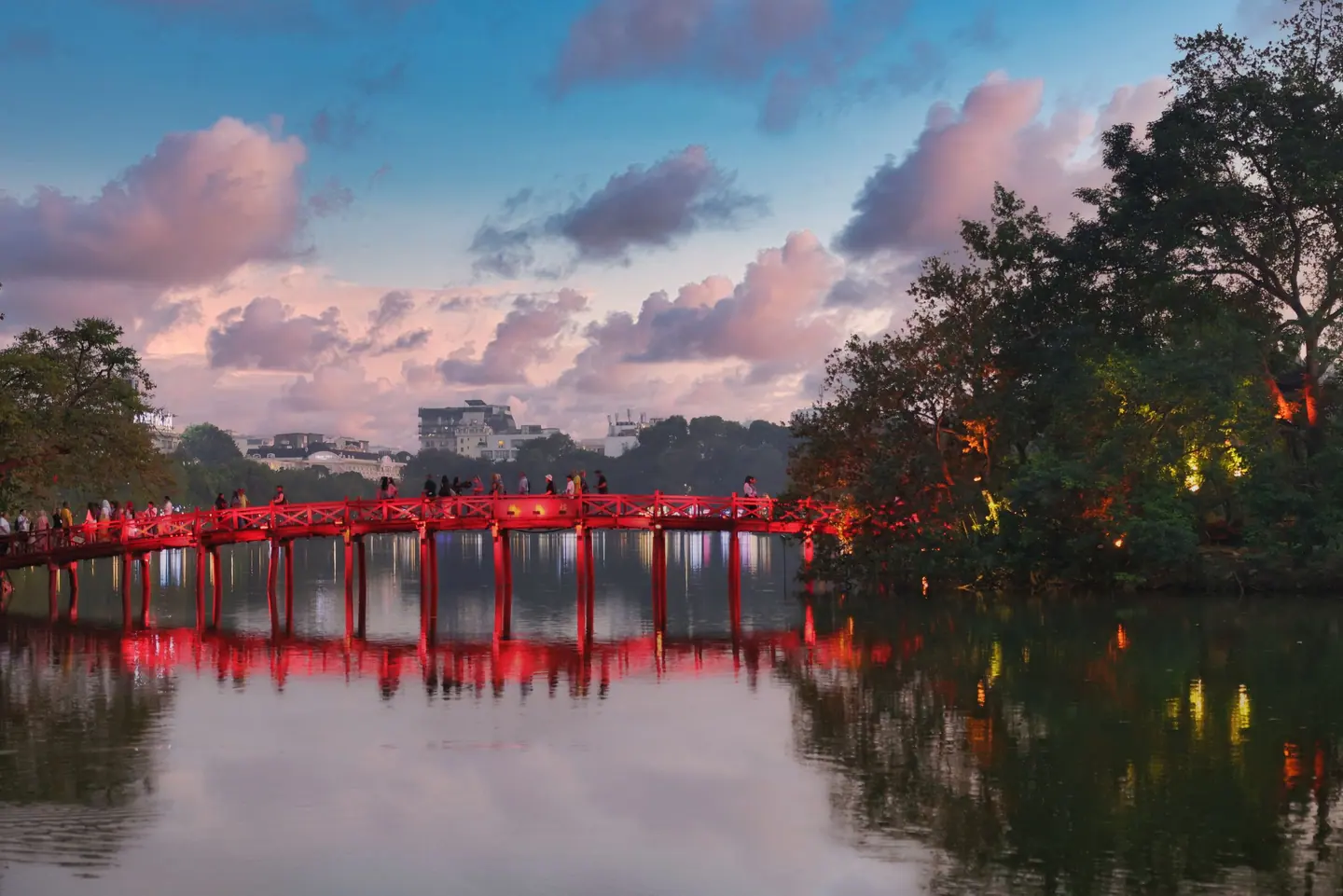
Hoan Kiem Lake & Southern Old Quarter
Hoan Kiem Lake, Ngoc Son Temple, The Huc Red Bridge, Turtle Tower Thap Rua, Ly Thai To Statue, Thang Long Water Puppet Theatre, St Joseph’s Cathedral Hanoi, and Ba Da Pagoda
Hoan Kiem Lake
Also known as the Lake of the Returned Sword, this central water body is tied to fifteenth-century legends of Emperor Le Loi. Tree-lined footpaths encircle the perimeter, offering views of central islands and historical shrines. It serves as an essential focal point for morning walkers, civic gatherings, and cultural celebrations.
Ngoc Son Temple
Erected on Jade Island during the nineteenth century, this complex commemorates military leader Tran Hung Dao and scholar Van Xuong. Visitors pass through multi-tiered gateway pavilions inscribed with Chinese calligraphy before entering the sanctuary. Inside, we observe traditional incense altars alongside a preserved specimen of the lake's famed giant softshell turtle.
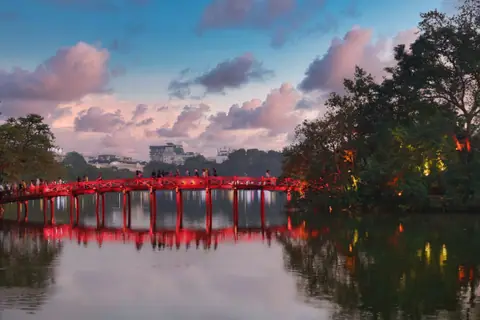
The Huc Bridge
Constructed in 1865 under the guidance of scholar Nguyen Van Sieu, this scarlet wooden bridge connects the eastern lakeshore to Ngoc Son Temple. Its name translates as the Morning Sunlight Bridge, reflecting classical poetic sensibilities. The curved structure features wooden railings and traditional joinery, presenting a distinct silhouette against the surrounding waters.
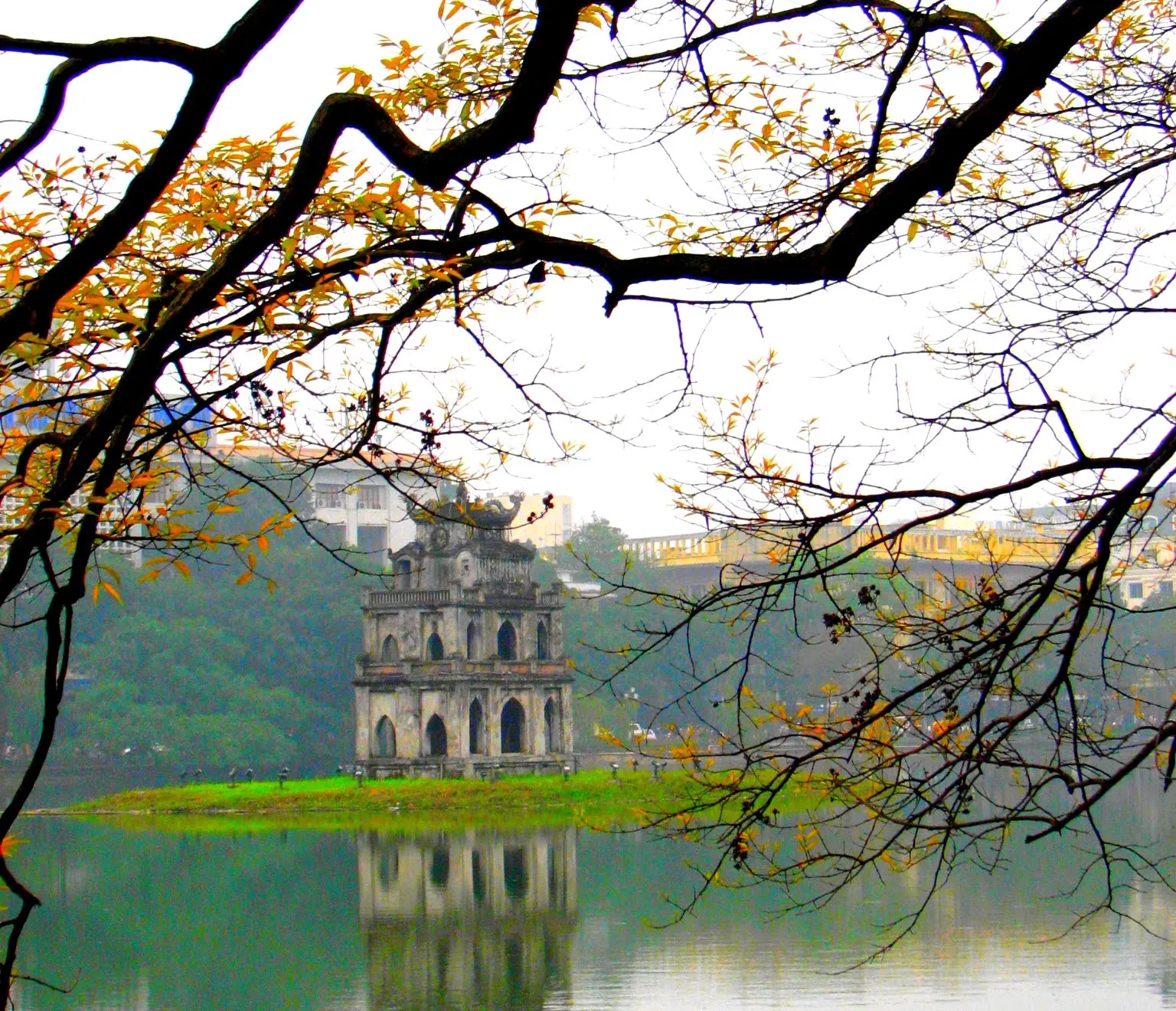
Turtle Tower
Standing upon a tiny southern knoll in Hoan Kiem Lake, this three-tiered tower was erected in 1886. The architecture merges European Gothic arched openings with traditional Vietnamese curved roof ridges. Although the interior remains inaccessible to the public, the monument serves as an enduring civic emblem visible from all surrounding shorelines.
Ly Thai To Statue
Positioned inside an open public garden east of the lake, this monumental bronze figure commemorates Emperor Ly Thai To. In 1010, the monarch transferred the royal capital to Thang Long, modern Hanoi. The landscaped square surrounding the plinth accommodates public ceremonies, traditional games, and evening gatherings of local residents.
Thang Long Water Puppet Theatre
Established along the northeastern edge of the lake, this venue preserves a folk art developed in the flooded paddies of the Red River Delta. Puppeteers stand waist-deep behind bamboo screens, manipulating lacquered wooden figures across a liquid stage. Traditional live orchestrations featuring bronze gongs, drums, and flutes accompany each historical narrative.
St Joseph's Cathedral Hanoi
Constructed during early French administrative rule, this cathedral mimics the dramatic twin towers and ribbed vaulting of Notre-Dame de Paris. Its weathered stone facade faces an open piazza flanked by leafy cafes. Within the nave, colourful stained glass windows crafted in France illuminate tall arched columns and a traditional gilded altar.
Ba Da Pagoda
Founded during the Ly Dynasty, this quiet complex serves as the administrative headquarters of the Hanoi Buddhist Sangha. The temple received its colloquial name, meaning Stone Lady, after workers unearthed an ancient stone feminine statue on site. The present structures showcase detailed timber carvings, ceremonial bronze bells, and peaceful courtyards tucked behind Nha Tho Street.
Hoa Lo Prison
Constructed by the French colonial administration in the late nineteenth century, this fortress held political dissidents and revolutionaries. During the Vietnam War, it detained captured American aviators. The preserved cell blocks display original iron shackles, a guillotine chamber, and informative panels detailing the harsh treatment and escape attempts of inmates.
Hanoi Opera House
Completed in 1911 at August Revolution Square, this grand municipal venue exhibits classical French architectural motifs, slate domes, and wrought-iron balconies. The interior holds a lavish eight-hundred-seat auditorium featuring crystal chandeliers and ornate ceiling frescoes. It continues to host classical concerts, civic events, and international orchestral performances throughout the calendar year.
National Museum of Vietnamese History
Designed by architect Ernest Hebrard and finished in 1932, this edifice is a prime example of French Indochina architecture merging European masonry with multi-tiered Vietnamese roofs. The galleries exhibit artefacts spanning prehistoric Dong Son bronze drums to imperial Nguyen Dynasty treasures. The collection provides insight into ancient metallurgy, early kingdoms, and anticolonial struggles.
Pen Tower
Erected upon an artificial knoll named Mountain of Jade, this ten-metre stone tower was designed in 1865 by scholar Nguyen Van Sieu. The summit tapers into a stone writing brush pointing toward the sky, inscribed with characters meaning Writing onto the Clear Blue Sky. It forms an integral part of the symbolic approach toward Ngoc Son Temple.
Ink Slab Pavilion
Positioned immediately past the Pen Tower, this ceremonial gateway supports a massive peach-shaped stone basin held aloft by three sculpted frogs. According to classical design, shadow from the brush-shaped tower fell across the basin during solar equinoxes. This arrangement reflects the deep reverence for Confucian scholarship and literary discipline within traditional Vietnamese culture.
Dinh Tien Hoang Street
This broad thoroughfare runs directly along the eastern waters of Hoan Kiem Lake, linking administrative structures and lakeside parks. On weekends, the route closes to vehicular traffic, converting into a wide pedestrian concourse for street artists, musicians, and family strolls. The street offers clear vistas of the waters and adjacent French colonial facades.
Hang Khay Street
Demarcating the southern limit of Hoan Kiem Lake, this historic street was traditionally known for skilled artisans working with inlaid mother-of-pearl and woodcarving. Today, the street features picture framing shops, traditional art galleries, and view terraces overlooking Turtle Tower. Its broad pavements allow travellers easy access between the lake and the French residential quarter.
King Le Temple
Hidden behind a modest entrance gate on the western shore of Hoan Kiem Lake, this quiet courtyard contains a memorial dedicated to Emperor Le Thai To. Atop a tall stone column stands a bronze statue of the monarch brandishing the sacred sword toward the water. It directly commemorates the legendary return of the blade to the golden turtle.
Dong Kinh Nghia Thuc Square
Named after the historic Tonkin Free School established here in 1907 to modernise Vietnamese education, this open junction links the lake with the dense Old Quarter. A central multi-tiered fountain forms a prominent landmark opposite preserved shophouse facades. The square acts as a historic gathering space and the primary entry gate for weekend night markets.
Hanoi Post Office
Facing the southeastern corner of Hoan Kiem Lake, this functional complex has served as the municipal postal headquarters since colonial times. The modernist main building incorporates a towering public clock face that chimes across the lakeside promenade. Travellers still utilise the grand hall for international mailing services and postal stamp collections.
Trang Tien Plaza
Occupying a prominent corner south of the lake, this location originally housed the Maison Godard department store in the early twentieth century. Reconstructed with neoclassical exterior details and arched windows, the complex now functions as an upscale shopping centre. It marks the ceremonial starting point of Trang Tien Street, which extends eastward toward the Hanoi Opera House.
Ly Quoc Su Pagoda
Located just north of the cathedral on Ly Quoc Su Street, this historic temple honours Zen Master Nguyen Minh Khong, who healed Emperor Ly Than Tong. The sanctuary retains antique wooden roof trusses, ceremonial altars, and carved statues representing Buddhist deities and royal physicians. Its modest entrance provides a peaceful contrast to the surrounding culinary alleyways.
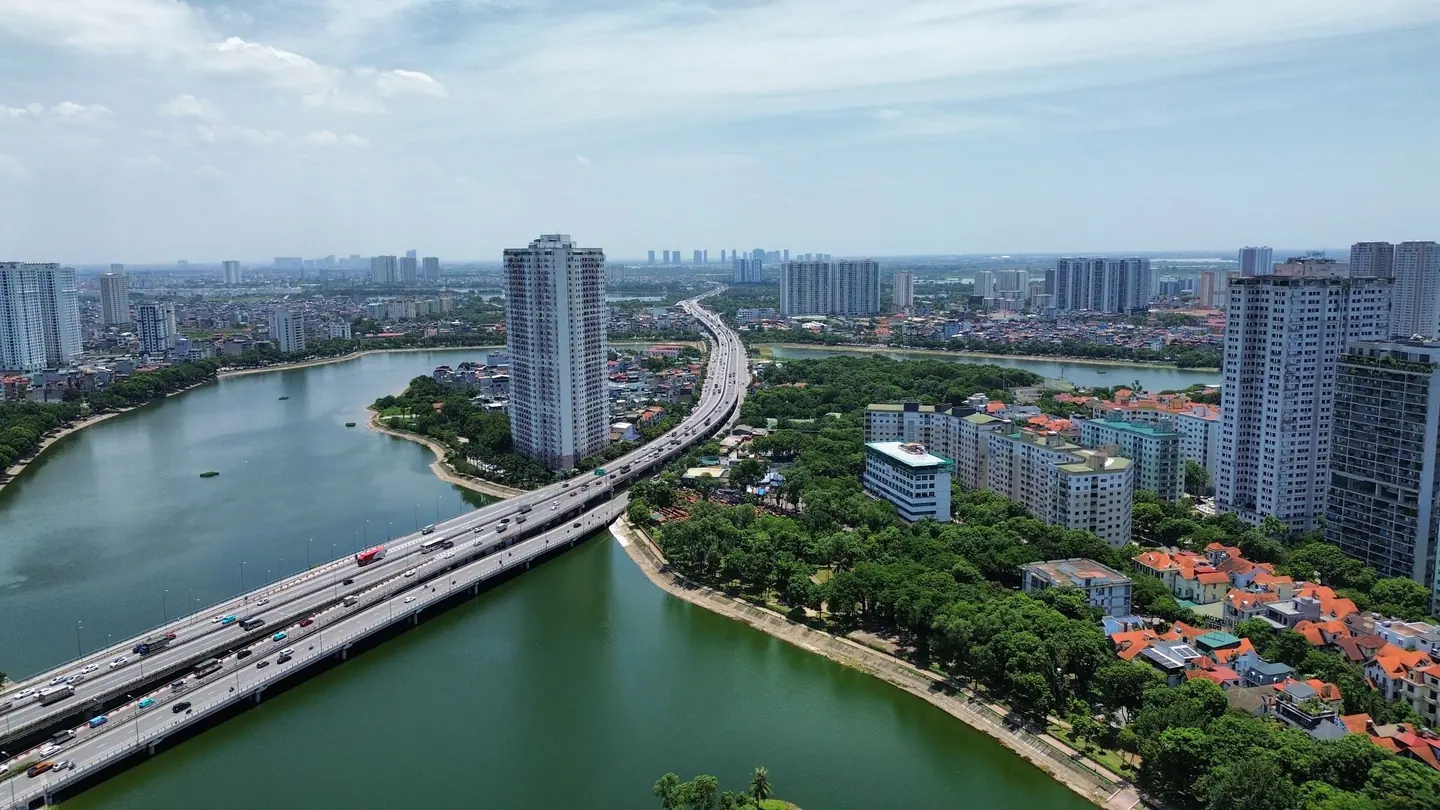
The 36 Guild Streets, Bach Ma Temple & Long Bien Bridge
Ma May Heritage House 87 Ma May, Bach Ma Temple, Hang Bac Silver Street, Ta Hien Beer Corner, Old City Gate O Quan Chuong, Dong Xuan Market, Phung Hung Mural Street, and Long Bien Bridge
Ma May Heritage House
Constructed in the late nineteenth century, this traditional merchant residence exemplifies the deep, narrow tube house architecture typical of the historic district. Interior courtyards provide light and natural ventilation between functional wooden living spaces. Visitors can examine original hardwood furniture, period trade goods, and domestic altars arranged according to ancestral customs.
Bach Ma Temple
Recognised as one of the four sacred guardian temples of ancient Thang Long, this shrine dates back to the eleventh century under Emperor Ly Thai To. Dedicated to the legendary White Horse that helped trace the citadel walls, it features intricately carved wooden rafters and gilded shrines. A striking lacquered horse statue stands prominently within the main hall.
Hang Bac Silver Street
Hang Bac has operated as the city centre for precious metal casting and currency exchange since the fifteenth century. Traditional craftsmen from neighbouring provinces established workshops here under royal patronage, shaping ingots and ornate jewellery. Today, family-run storefronts continue to display silver ornaments alongside historic guild assembly houses that commemorate village founders.
Ta Hien Beer Corner
Ta Hien retains late nineteenth-century French colonial façades that harmonise with traditional Vietnamese shophouse architecture. Known historically as an entertainment quarter, the narrow street transforms each evening into a gathering spot for sampling fresh draft beer and regional snacks. The distinct two-storey buildings with shuttered windows reflect the dense commercial character of old commercial quarters.
O Quan Chuong Gate
Erected in 1749 and rebuilt in 1817, this fortified structure served as the eastern portal through the earthworks of Thang Long toward the Red River. It comprises a central arched entrance surmounted by a two-tiered watchtower that once housed guards. The brickwork displays a stone plaque bearing royal edicts concerning public conduct and gate regulations.
Dong Xuan Market
Established by French authorities in 1889, Dong Xuan is the largest indoor market hall in the northern capital. Its prominent five-arched facade survived a severe fire in 1994, leading to a comprehensive modern reconstruction. Inside, three expansive storeys accommodate wholesale vendors selling textiles, household goods, foodstuffs, and traditional regional confectionery.
Phung Hung Mural Street
Built beneath the stone arches supporting the historic north-bound railway viaduct, this public art project was completed through a joint Vietnamese-Korean cultural initiative. Seventeen stone arches feature trompe-l'oeil murals that depict daily urban scenes, historic trade vendors, and traditional school life from past decades. Pedestrians can stroll along the paved promenade to observe these vivid interpretations.
Long Bien Bridge
Designed by the Dayde et Pille engineering firm and opened in 1902, this cantilever steel bridge was previously named after Paul Doumer. It remains a vital rail and pedestrian link, bearing visible scars and repair spans from heavy bombardment during the Vietnam War. Commuters and trains still cross daily, providing clear views of riverboats and alluvial sandbanks.
Kim Ngan Dinh
Constructed in the late fifteenth century, this communal hall serves as the spiritual heart of the silversmith guild on Hang Bac. Dedicated to Hien Vien, the patron deity of handicrafts, the building features traditional timber frames, stone pillars, and ceremonial altars. Regular cultural exhibitions and traditional folk performances are held in the inner courtyards.
Dong Huong Communal Hall
Located along Hang Bac, this historic communal hall was originally established by migrants from Hai Duong province who specialised in silver refining. The structure follows a classic courtyard plan with open wooden galleries and ornately carved ceiling beams. It now serves as a dedicated venue for performances of Ca Tru, an ancient form of Vietnamese chamber music.
Hang Ngang Street
Hang Ngang was settled by Cantonese merchants who traded in silks, teas, and medicines during the seventeenth and eighteenth centuries. The street retains notable examples of hybrid Sino-Vietnamese architecture, featuring narrow shop fronts and enclosed back courtyards. House number 48 is particularly celebrated as the location where Ho Chi Minh drafted the Vietnamese Declaration of Independence.
Hang Gai Street
Historically designated for hemp rope and cordage, Hang Gai transitioned over generations into the premier silk and tailoring street in the city. The thoroughfare features elegant multi-storey shophouses, many hiding long, narrow residential quarters behind commercial fronts. Tailoring boutiques, fine embroidery workshops, and paper lantern stores populate both sides of this leafy avenue.
Hang Bo Street
Originally famous for producing and selling large woven bamboo containers used for storing grain, Hang Bo subsequently evolved into a market for sewing notions. Small shops along this lane are packed with spools of thread, ribbons, lace, and garment accessories. The street retains high wooden gables and French-colonial balconies above modern business premises.
Hang Ma Street
Hang Ma is the capital centre for votive paper craft, producing paper money, miniature household items, and spirit offerings for ancestral rituals. The storefronts change dramatically according to seasonal celebrations, stocking mid-autumn lanterns, lion dance masks, and wedding decorations. The street showcases traditional multi-generational trade passed down by artisans from surrounding craft villages.
Hang Thiec Street
Known as Tinsmith Street, Hang Thiec maintains an uninterrupted tradition of metalworking that dates to early colonial times. Artisans work along the pavement, shaping sheet tin, zinc, and aluminium into household utensils, cake tins, and industrial chimneys. The constant rhythmic chiming of hammers and soldering torches offers a direct link to the historic guild manufacturing system.
Hang Quat Street
Hang Quat was historically named for its production of feather, silk, and paper hand fans before becoming a centre for religious wooden crafts. Workshops along the street specialise in carving ancestral altars, gilded tablet frames, ceremonial parasols, and embroidered banners. The dense display of red lacquer and gold leaf work reflects ongoing traditions of filial worship.
Hang Duong Street
Connecting Hang Ngang to Dong Xuan Market, Hang Duong historically traded in raw sugar, molasses, and confectionery. Today, the street remains renowned for O Mai, a traditional Vietnamese snack made from salted and sugared dried fruits like plums and apricots. Several shops occupy heritage brick buildings containing preserved family altars and inner brick courtyards.
Cau Dong Temple
Situated on Hang Duong, this historic temple once stood near an ancient stone bridge crossing the former To Lich river channel. The sanctuary houses rare bronze Buddha statues, an altar dedicated to national heroes Tran Hung Dao and Tran Thu Do, and ancient stone steles. Its quiet courtyard provides a stark architectural contrast to the surrounding commerce.
Huyen Thien Temple
This sacred site on Hang Giay street was originally established during the Ly dynasty as a Taoist temple before incorporating Buddhist and mother goddess worship. The complex features a tranquil pond, centuries-old incense burners, and carved wooden halls that venerate Tran Vu, the celestial guardian. It represents a rare surviving centre of ancient Taoist practices in the inner city.
Huong Tuong Temple
Tucked away on Ma May street, Huong Tuong Temple commemorates Nguyen Trung Ngan, an accomplished fourteenth-century governor of ancient Thang Long. The structure preserves fine carved wooden lintels, dragon-embossed roof ridges, and several stone steles detailing urban administration in the Tran dynasty. Its narrow street front leads directly into a sequence of quiet, incense-scented ceremonial chambers.
French Quarter, Opera House & Hoa Lo Museum
Hanoi Opera House, Sofitel Legend Metropole Hanoi, State Bank of Vietnam Art Deco Building, National Museum of Vietnamese History, Trang Tien Plaza, Hoa Lo Prison Relic, Vietnamese Women’s Museum, and Ambassade Pagoda Quan Su
Hanoi Opera House
Modelled on the Palais Garnier in Paris, this grand theatre was erected by French colonial authorities between 1901 and 1911. The yellow-and-white facade incorporates classical Italian porticos, Corinthian columns, and a slate roof. Visitors can admire the ornate interior hall, decorated with crystal chandeliers, Italian marble floorings, and ceiling murals.
August Revolution Square
Formerly known as Place du Theatre, this expansive square was the focal point of the Viet Minh rally on 19 August 1945, which spearheaded the August Revolution. Today the plaza acts as an open civic area surrounded by classical French administrative buildings. Travellers gather here to view the monumental front facade of the opera hall.
Sofitel Legend Metropole Hanoi
Established in 1901, this storied hotel preserves classic French colonial architecture with green shutters, decorative wrought iron, and polished timber floors. Guests such as Charlie Chaplin and Graham Greene stayed within its historic Metropole Wing. The property also maintains a preserved wartime bomb shelter rediscovered during renovations in the hotel courtyard.
State Bank of Vietnam Building
Originally built as the headquarters of the Bank of Indochina, this striking structure represents an early blend of French Art Deco and local Indochinois decorative motifs. The symmetrical facade showcases stylized lotus capitals, geometric stonework, and heavy bronze entrance gates. It continues to house the national central bank operations today.
National Museum of Vietnamese History
Designed by architect Ernest Hebrard in the 1920s as the Ecole Francaise d'Extreme-Orient, the building fuses European brickwork with traditional multi-tiered Vietnamese eaves. The galleries showcase bronze Dong Son drums, Cham stone carvings, and imperial ceramic wares. Deep verandahs and shaded double walls reflect Hebrard's early climatic architectural principles.
Vietnamese Women's Museum
Run by the Vietnam Women's Union, this modern cultural venue details the roles played by women throughout national defence, craft traditions, and family life. Five floors display ethnic embroidery, wartime propaganda, and traditional marriage artefacts from across the nation's diverse regional communities. Key exhibitions focus on the matriarchal customs of ethnic minorities.
Hoa Lo Prison Relic
Constructed by the French in the late nineteenth century, this imposing detention centre held Vietnamese political dissidents before holding American prisoners of war decades later. Surviving sections include sombre communal detention wards, the solitary confinement rows, and an original guillotine. Interpretive displays chart both colonial oppression and wartime resistance movements.
Quan Su Pagoda
Originally founded to host Buddhist ambassadors from neighbouring kingdoms, Quan Su serves as the headquarters of the Buddhist Sangha of Vietnam. The present main hall was rebuilt in 1942, featuring triple wooden gateways, shaded courtyard banyans, and serene interior sanctuaries. Devotees visit throughout the month to pay homage before gilded Buddha figures.
Trang Tien Plaza
Built on the site of the former colonial Maison Godard department store, this neoclassical complex serves as an upscale shopping centre. The exterior features colonnaded arched windows, symmetrical pediments, and ornate balustrades facing the corner of Trang Tien Street. Inside, expansive modern retail atriums contrast with the early twentieth century architectural facade.
Government Guest House
Erected in 1918, this stately building once functioned as the Palace of the Lieutenant-Governor of Tonkin. The exterior is notable for its classical columns, high French mansard roof, and bullet scars preserved in the wrought-iron fence from the 1946 battle for the city. It currently serves as an official state guesthouse.
Ly Thai To Park
This leafy urban square faces the eastern banks of Hoan Kiem Lake, dominated by an imposing bronze statue of Emperor Ly Thai To. In 1010, the emperor chose this region as the capital of Dai Viet, naming it Thang Long. The paved grounds serve as an open gathering spot for walkers, skateboarders, and public ceremonies.
Vietnam National Museum of Fine Arts
Housed within a former French girls' boarding school, this museum showcases stone sculptures, lacquer paintings, and watercolours on silk. Distinctive Indochina rooflines were added to the building in the 1960s to adapt it for public display. The collection preserves rare eleventh-century Cham temple figures and revolutionary wartime art.
National Library of Vietnam
Founded under the name Bibliotheque Pierre Pasquier, this research library preserves precious archives, ancient Sino-Vietnamese manuscripts, and French administrative records. The grand entrance portico leads into quiet courtyards shaded by tropical trees, maintaining a quiet academic atmosphere. Architectural highlights include classical pediments and tall shuttered windows.
St. Joseph's Cathedral
Completed on the grounds of the former Bao Thien Pagoda, this cathedral draws inspiration from Notre-Dame de Paris with its twin square bell towers. The vaulted interior displays stained glass windows imported from France and a gilded wooden altarpiece made in the Vietnamese tradition. It serves as the seat of the Roman Catholic Archdiocese.
Courts of Justice, Hanoi
Constructed in the early 1900s as the French colonial Palais de Justice, this palatial court building features imposing pediments and Ionic pilasters. It has long functioned as the focal point of the nation's legal infrastructure, housing the Supreme People's Court. The perimeter walls border tree-lined Ly Thuong Kiet Street in the French Quarter.
Ham Long Church
Erected in 1934, Ham Long Church is considered an architectural success for incorporating indigenous building materials into Roman Catholic design. Architect Doctor Than integrated simplified Gothic lancet windows with acoustic wall tiles produced from local straw, lime, and paper mulberry. The exterior is framed by leafy tropical palms.
Indochina Medical College
Originally opened in 1926 as the main auditorium of Indochina University, this grand hall features an expansive copper dome and soaring arched windows. Ernest Hebrard applied hybrid design concepts here, combining French academic layout with Asian clay tile accents. The interior lecture theatre still retains historic student tiers and detailed wood panelling.
Hanoi Museum of Revolution
Set within a handsome yellow colonial administration building dating to 1917, this museum displays documents, weapons, and photographs detailing national liberation struggles. It forms part of the national museum complex alongside the neighbouring historical museum. The rooms follow the chronology of anti-colonial campaigns from the late nineteenth century through to independence.
Vietnam Geological Museum
Housed within an early French administrative facility, this science museum was originally established by the Geological Survey of Indochina. Three interior floors exhibit rare regional minerals, dinosaur fossils discovered in the north, and detailed tectonic mapping records. The facade displays characteristic colonial louvered blinds and ornamental keystones above arched doorways.
Cung Van Hoa Huu Nghi Viet Xo
Constructed on the site of the former French colonial Exhibition Fairground, this vast complex was gifted to the city by the Soviet Trade Union Council. The structure illustrates late Soviet Brutalist architecture, incorporating broad concrete terraces, severe geometric pillars, and extensive performance auditoriums. It remains a venue for national congresses and artistic events.
Temple of Literature, Imperial Citadel & Ba Dinh Square
Temple of Literature Van Mieu, Vietnam National Fine Arts Museum, Imperial Citadel of Thang Long Doan Mon Gate, Flag Tower of Hanoi, Ba Dinh Square, One Pillar Pagoda, Ho Chi Minh Stilt House, and Presidential Palace
Temple of Literature
Founded in 1070 under Emperor Ly Thanh Tong, this walled sanctuary honoured Confucius and educated Vietnam's royal administrative class. Five landscaped courtyards lead through ceremonial pavilions towards ancient sanctuaries. Visitors can inspect eighty-two carved stone turtles bearing stelae that record the names of doctoral laureates.
Khue Van Cac
Constructed in 1805 during the Nguyen Dynasty, this two-tiered wooden pavilion marks the entrance to the third courtyard of the Temple of Literature. Its distinctive circular windows symbolise the radiance of the literary constellation. The structure stands on square stone pillars adjacent to the Well of Heavenly Clarity.
Vietnam National Fine Arts Museum
Situated opposite the Temple of Literature, this museum occupies an adapted French colonial building that originally served as a girls' dormitory. The galleries trace Vietnamese artistic traditions from prehistoric stone carvings through lacquerware and silk paintings. Highlights include celebrated twentieth-century works that document revolutionary resistance and everyday rural life.
Imperial Citadel of Thang Long
Constructed in the eleventh century by the Ly Dynasty, this extensive royal complex remained the political epicentre of regional power for centuries. Excavations have revealed layered ceramic foundations, royal drainage systems and palace footprints beneath later French military barracks. We observe continuous architectural traces spanning dynastic rule, colonialism and contemporary wartime history.
Doan Mon Gate
Serving as the grand southern entrance to the imperial palace, this multi-arched gate was rebuilt in stone and brick during the Le Dynasty. Five arched portals pierce the lower level, with the central arch reserved exclusively for the reigning monarch. Visitors can climb to the upper gazebo overlooking ancient foundations and expansive parade grounds.
Flag Tower of Hanoi
Built during the reign of Emperor Gia Long, this thirty-three-metre brick tower is one of the few citadel structures left intact by French colonial engineers. The structure comprises three stepped stone tiers topped by an octagonal watch post and national flagpole. Spiral staircases within the brick core grant access to historic observation vantage points.
Kinh Thien Palace Foundation
Positioned at the spiritual centre of the Citadel, this raised platform preserves the monumental site where emperors held supreme court audiences. Four intricately carved stone dragons from 1467 flank the central staircase, displaying masterworks of Le Dynasty sculpture. A colonial artillery headquarters building now stands atop the original ceremonial foundations.
Hau Lau
Known as the Pavilion of the Ladies or Northern Palace, this brick building was constructed in the nineteenth century to lodge royal concubines and female attendants. Heavily damaged during late colonial conflicts, it was subsequently reconstructed in French-Vietnamese hybrid architecture. It offers an insight into the private domestic arrangements of royal palace life.
House D67 and Bunker
Constructed in 1967 within the Citadel grounds, this single-storey bunker served as the wartime headquarters for the Vietnamese Central Military Commission. Reinforced walls and deep underground tunnels protected commanders such as General Vo Nguyen Giap from aerial bombardments. The interior preserves original communication equipment, operational maps and meeting tables in situ.
Northern Gate of Hanoi Citadel
Known locally as Cua Bac, this fortress portal dates to 1805 and once guarded the northern defensive wall of the Nguyen fortress. The exterior brickwork clearly shows damage from French naval artillery shells fired during the 1882 assault on the city. A small gazebo shrine on the upper level honours the defending commanders.
Ba Dinh Square
Covering several hectares of manicured grass lawns, this open plaza is where Ho Chi Minh read the Proclamation of Independence on 2 September 1945. Bordered by central administrative ministries, the square serves as the primary stage for formal state ceremonies and flag-raising parades. Broad paved avenues allow pedestrian access across this political precinct.
One Pillar Pagoda
Commissioned in 1049 by Emperor Ly Thai Tong, this historic Buddhist sanctuary was designed to resemble a blooming lotus blossom rising from a pond. The current structure is an exact reconstruction, built after French military forces dynamited the original wooden pavilion in 1954. Pilgrims regularly pray here for fertility and family prosperity.
Ho Chi Minh's Stilt House
Constructed in 1958 based on traditional ethnic minority dwellings, this simple two-room wooden home was where Ho Chi Minh resided during his presidency. The building overlooks a quiet carp pond surrounded by fruit trees and shaded walkways. Preserved interiors contain his small study, vintage typewriter and telephone lines used during critical diplomatic discussions.
Presidential Palace, Hanoi
Designed by architect Auguste Henri Vildieu and completed in 1906, this grand French Renaissance palace served as the colonial government seat of Indochina. Classical pediments, wrought-iron balconies and grand formal driveways dominate the exterior grounds. While closed to standard foot traffic, the building remains an active diplomatic venue for hosting visiting foreign leaders.
Ho Chi Minh Museum
Inaugurated in 1990 to mark the centenary of the leader's birth, this massive concrete building resembles a blooming white lotus. The interior departs from standard documentary exhibits by using constructivist and avant-garde installations to convey national political narratives. Galleries trace anti-colonial movements and global socio-political history alongside personal letters and artefacts.
National Assembly Building of Vietnam
Completed in 2014 directly on Ba Dinh Square, this contemporary building houses the supreme legislative body of Vietnam. The basement incorporates a purpose-built archaeological museum showcasing thousands of artefacts uncovered during construction. Glass walkways allow visitors to look down directly on excavated Ly and Tran Dynasty domestic foundations.
Vietnam Military History Museum
Situated adjacent to the ancient Flag Tower, this museum chronicles Vietnamese armed conflicts against foreign colonial and imperial forces. The outdoor courtyard displays artillery pieces, Soviet-supplied fighter jets and a famous sculpture constructed from downed aircraft wreckage. Indoor exhibition rooms trace defensive battle tactics at Dien Bien Phu and subsequent campaigns.
Quan Thanh Temple
Positioned near the southern shore of West Lake, this ancient Taoist sanctuary is dedicated to Tran Vu, guardian spirit of the north. The primary shrine hall houses a four-tonne bronze deity cast in 1677, revered as a masterpiece of domestic metal casting. Intricate wood carvings depict sacred animals and legendary figures throughout the inner rafters.
Cua Bac Church
Designed by French architect Ernest Hebrard and completed in 1932, this church is an important example of Indochinese architectural synthesis. The building combines Romanesque arched windows and high clock towers with oriental roofing tiles designed for tropical ventilation. Stained glass panels and tall yellow stucco walls characterize the quiet interior.
Dien Huu Pagoda
While travellers focus primarily on the isolated pillar in the lotus pond, this neighbouring monastery grounds the historic complex. Established alongside the original eleventh-century foundation, its temple hall preserves gilded Buddha figures, antique bronze bells and memorial stupas for past abbots. Shaded courtyards offer an authentic monastic setting for quiet contemplation.
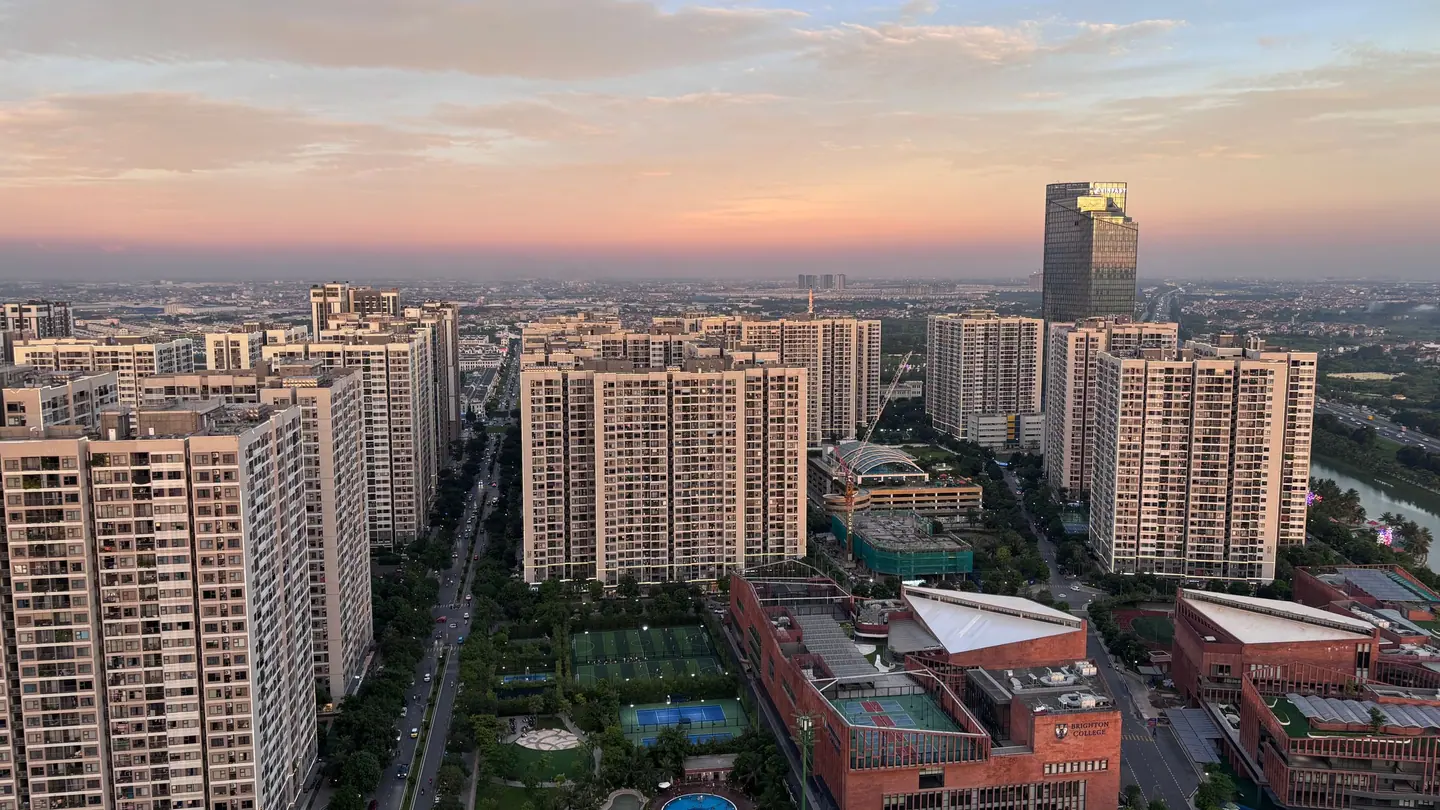
West Lake (Tay Ho), Tran Quoc Pagoda & Museum of Ethnology
Quan Thanh Temple, Tran Quoc Pagoda, Truc Bach Lake, Tay Ho Palace Phủ Tây Hồ, Kim Lien Pagoda, Lotte Observation Deck, Vietnam Museum of Ethnology, and Bat Trang Ceramic Village
Tran Quoc Pagoda
Constructed during the reign of Emperor Ly Nam De, this revered site is considered the oldest Buddhist temple in Hanoi. Visitors can admire the towering red stupa with its carved Amitabha statues, a sacred Bodhi tree grown from an Indian cutting, and ancestral shrines housing historic stele carvings.
Quan Thanh Temple
Founded under the Ly Dynasty, this historic temple forms one of Hanoi's four sacred protective shrines. The main hall features an immense seventeenth-century bronze statue of Tran Vu, cast with extraordinary detail alongside intricate wood carvings, ancient poetry plaques, and serene courtyard gardens shaded by banyan trees.
Truc Bach Lake
Separated from West Lake in the seventeenth century by a dyke that became Thanh Nien Street, this peaceful basin holds deep historical significance. Lakeside footpaths lead past traditional cafés, tranquil waterside temples, and a monument marking the spot where John McCain's aircraft was brought down in 1967.
West Lake
Covering more than five square kilometres, Hanoi's largest lake was historically flanked by royal palaces and pleasure pavilions. Today, walking along its wide perimeter reveals traditional lotus ponds, tranquil boat docks, and numerous ancient shrines that reflect the capital's gradual transition from ancient citadel to modern metropolis.
Tay Ho Temple
Occupying a scenic promontory on West Lake, this temple complex serves as the spiritual heart of the indigenous Mother Goddess religion. Pilgrims gather here to offer incense at ornate altars, admire red-lacquered wooden arches, and view historic bronze bells dating to the Nguyen Dynasty.
Kim Lien Pagoda
Erected on the grounds of a former royal palace, this lakeside Buddhist temple exhibits an exquisite three-tiered pavilion design known as the tam style. The complex features masterfully sculpted dragon rafters, antique Buddha statues of lacquered wood, and a peaceful courtyard set apart from urban traffic.
Vietnam Museum of Ethnology
This premier cultural institution showcases the customs, textiles, and everyday artefacts of Vietnam's fifty-four recognized ethnic groups. Its outdoor park displays authentic full-scale reconstructions of traditional architecture, including a towering Bahnar communal house, an Ede longhouse, and an elaborate Gia Rai funeral tomb.
Lotte Center Hanoi
Rising high above Ba Dinh district, this dual-towered building provides sweeping vistas across Hanoi and its waterways. The observation deck on the sixty-fifth floor features glass-bottomed skywalks that extend outward, multimedia historical displays, and panoramic vantage points stretching across West Lake towards the Red River.
Bat Trang Ceramic Village
Established during the Ly Dynasty, this renowned village has produced fine porcelain and ceramic wares for royal courts across Asia. Visitors can explore narrow historic alleys filled with artisan workshops, watch craftsmen shape clay on potter's wheels, and inspect ancient communal kilns preserved through generations.
Chau Long Pagoda
Situated on a gentle rise near Truc Bach Lake, this tranquil Buddhist sanctuary dates to the eleventh century. The halls hold precious bronze statues, carved stone stele detailing the temple's renovations, and peaceful incense-filled chambers honouring both Buddhist deities and national historical figures.
Van Nien Pagoda
Founded around the time Emperor Ly Thai To established the capital, this temple is among Hanoi's oldest continuously operating religious sites. Its halls house fifty ancient statues, intricately carved wooden pillars, and a bronze bell cast under the reign of Emperor Gia Long.
Tao Sach Pagoda
Positioned directly beside West Lake in Nhat Tan ward, this serene compound was historically a gathering place for scholars and monks. The sanctuary features a rich collection of Sino-Vietnamese inscriptions, painted wooden reliefs, and shaded courtyards that look out over quiet waters.
Nhat Tan Peach Blossom Village
Renowned for generations as Hanoi's primary source of Tet blossoms, this district maintains broad expanses of cultivated fields. Visitors can observe traditional pruning methods, walk between rows of ornamental peach trees and seasonal chrysanthemums, and explore neighbouring village shrines honouring local horticultural ancestors.
Yen Phu Village
Jutting into the eastern waters of West Lake, this former village is celebrated for its centuries-old tradition of raising gold-tailed carp and cultivating bonsai. Narrow lanes retain old brick portals, traditional communal houses, and lakeside quays that preserve the village's distinct suburban heritage.
Thuy Khue Street
Running parallel to the southern bank of West Lake, this ancient street preserves dozens of arched gateways leading into former craft hamlets. Travellers walking the corridor encounter antique moss-covered brickwork, hidden village communal halls, and traditional bakeries that have produced mooncakes for decades.
Quan Hoa Pagoda
Situated in Cau Giay district near the Ethnology Museum, this neighbourhood pagoda was constructed under the early Le Dynasty. The complex contains antique wooden statues of the Amitabha triad, stone stele recording community land grants, and peaceful garden courtyards bordered by bonsai pots.
Nghia Do Park
Located adjacent to the Museum of Ethnology, this extensive green space serves as an urban sanctuary for west Hanoi. The park features a central lake crossed by footpaths, native trees providing generous canopy shade, and sculpture installations that provide quiet respite after touring museum exhibitions.
Nhat Tao Communal House
Located in Dong Ngac ward near the Red River, this historical village hall honours local tutelary spirits and scholar-officials. Its inner chamber preserves the celebrated Nhat Tao bronze bell, cast in the tenth century and recognized nationally for its historical and epigraphic value.
Dong Ngac Cultural Village
Often called the village of doctoral scholars, this community on the capital's northwestern fringe retains magnificent architectural heritage. Visitors can walk stone-paved lanes to discover five-hundred-year-old ancestral halls, a grand communal house adorned with gilded carvings, and courtyard residences built during the French colonial era.
Nhat Tan Bridge
Inaugurated in 2015, this monumental transport link features five diamond-shaped pylons symbolizing the ancient gates of Hanoi. Stretching nearly four kilometres across the Red River floodplains, the structure offers expansive vantage points over riverside orchards, alluvial islands, and the northern outskirts of the metropolis.
Walking Early Around Hanoi’s Lakes and Shophouses
Before setting out, check local transit connections, museum booking notes and monthly weather data in our Hanoi city guide, and compare other walking itineraries.