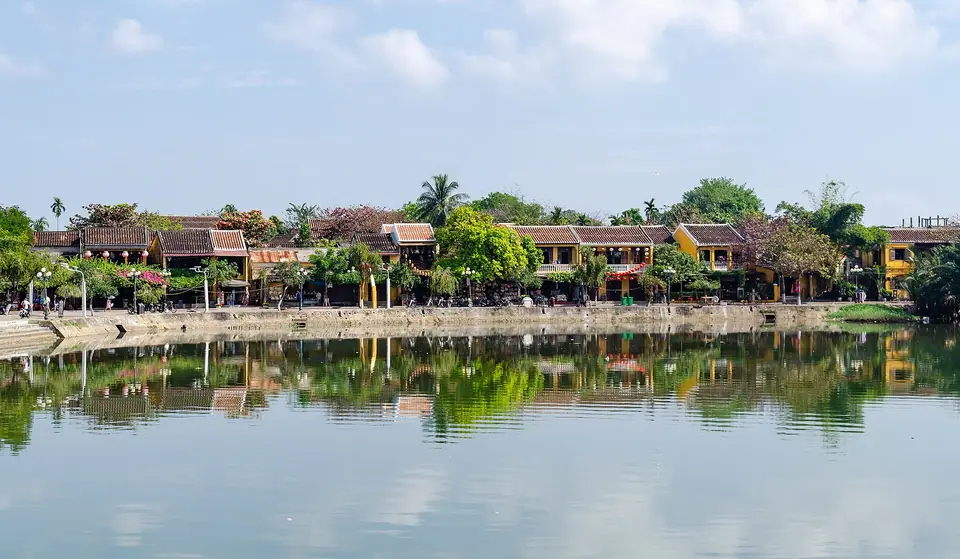
Photo: Steffen Schmitz (more photos) · CC BY-SA 4.0
Hoi An
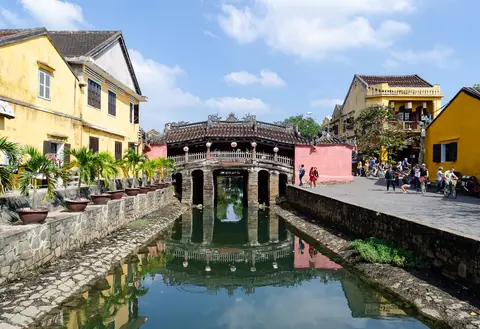
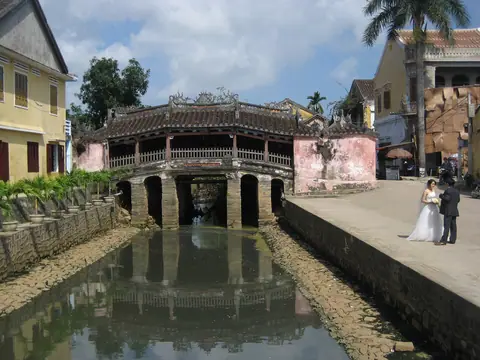
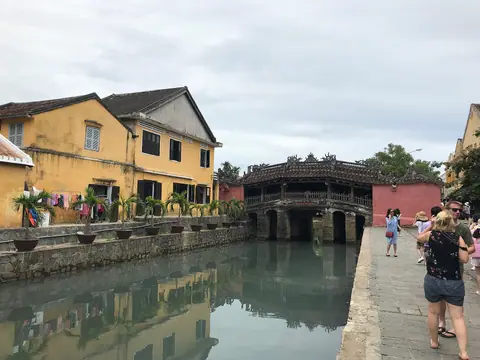
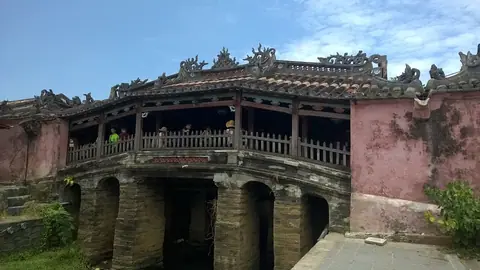
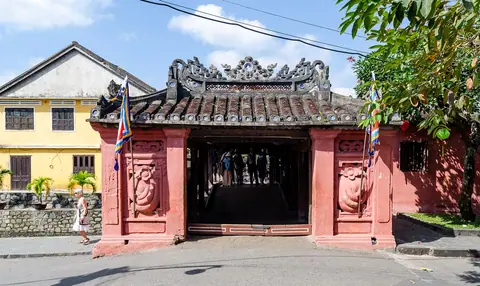
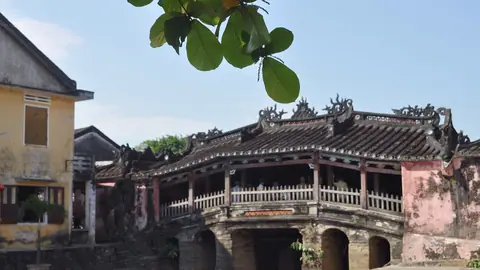
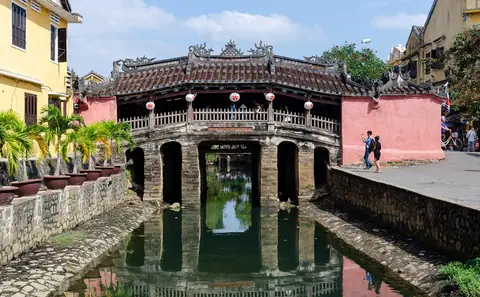
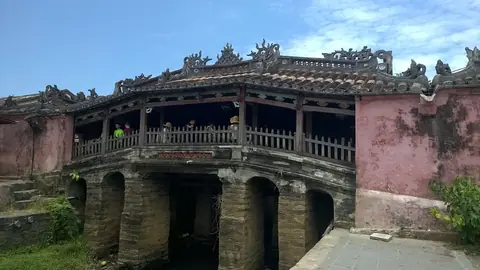
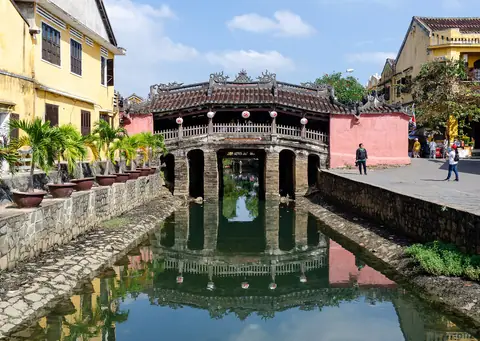
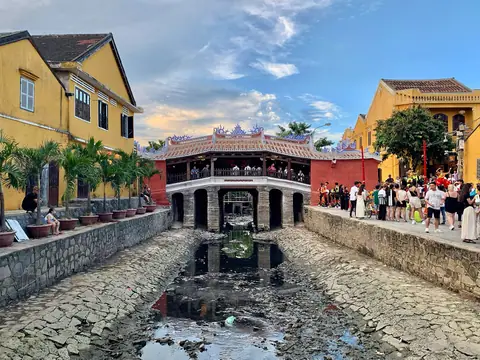
On the Thu Bon River estuary in Central Vietnam, UNESCO-listed Hoi An Ancient Town preserves over a thousand timber merchant shophouses and Chinese assembly halls. The historic Japanese Covered Bridge sits within easy cycling reach of organic herb islands, coconut channels, and An Bang Beach.
Quick decisions
How many days?
Allow 3 to 4 full days. Follow our 4-day Hoi An itinerary to pair the Ancient Town merchant houses with three custom tailoring fittings. You also have time for cycling through Tra Que and Cam Thanh, sunrise at My Son Sanctuary, and An Bang Beach.
Where should I stay?
Compare our five zones in the where to stay in Hoi An guide. Pick the Ancient Town perimeter for lantern walks or Cam Chau for rice-paddy villas. Choose An Bang Beach if you prefer coastal breezes.
Do I need a car?
No, historic streets inside the UNESCO Ancient Town close to motorbikes and cars for long pedestrian windows each day. Flat country dykes make bicycles and electric buggies ideal.
Best for
Seventeenth-century timber merchant architecture, overseas Chinese guild temples, bespoke silk and linen tailoring, cao lau noodles and white rose dumplings, rural cycling, and Champa Hindu archaeology.
Before you go
Purchase the five-coupon Heritage Ticket at the official wooden booths around the Ancient Town perimeter. Pack slip-on shoes and shoulder-covering linen from our packing guide, and check the lunar calendar for the Full Moon Lantern Festival.
Getting around
Hoi An has no airport or train station of its own. Fly or take the Reunification Express train to Da Nang (30 km north), then ride 45 minutes by car via our arrival guide.
Continue your trip
Drive north across the Marble Mountains, Son Tra Peninsula, and Hai Van Pass toward Hue. You can also take a Cua Dai speedboat to the Cham Islands Biosphere Reserve.
Overview
Hoi An Ancient Town rests on the northern floodplain of the Thu Bon River estuary in Quang Nam Province, four kilometres from the East Sea. It preserves a remarkably intact example of a traditional Southeast Asian trading port. UNESCO inscribed the thirty-hectare riverfront district as a World Heritage Site in December 1999. The port prospered from the fifteenth to nineteenth centuries under the Nguyen Lords, when European navigators charted it as Faifo. Guided by seasonal East Sea monsoon winds, merchant junks arrived from China, Japan, India, Portugal, and the Dutch East India Company. Those vessels anchored along the silted channels for months at a time. They traded raw Vietnamese silk, Chu Dau ceramics, cinnamon bark, agarwood, and medicinal herbs. You can trace that maritime exchange across hundreds of intact timber-framed buildings in our Hoi An travel guide and top things to do guide.
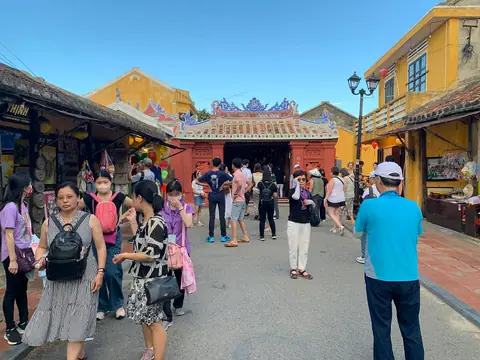
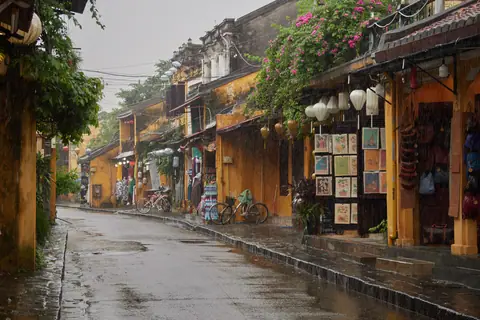
The Thu Bon River gradually silted up in the late nineteenth century. French colonial administrators then shifted commercial shipping and the north-south railway thirty kilometres north to Da Nang Bay. As a result, Hoi An bypassed twentieth-century concrete redevelopment. Today its mustard-yellow shophouses, ironwood merchant homes, and historic Japanese Covered Bridge line the riverfront. Ornate Fujian, Cantonese, and Hainan assembly halls sit a short bike ride from Tra Que Village and Cam Thanh. Pair our seasonal weather calendar with our 4-day Hoi An itinerary to balance heritage mornings with afternoons on An Bang Beach.
Getting there
Hoi An protected its historic core by declining both a railway line and a commercial runway. Consequently, all long-distance travellers arrive through neighbouring Da Nang, roughly 30 kilometres northwest along the coast. Domestic and international flights land daily at Da Nang International Airport (DAD). Meanwhile, scenic north-south Reunification Express trains cross the Hai Van Pass from Hue into Da Nang Railway Station. From either terminal, pre-booked cars, taxis, and ride-hailing vehicles reach town in about 45 minutes past the Marble Mountains. Once in town, bicycles, regulated green electric buggies, and walking cover every lane, as explained in our Hoi An arrival and transport guide.
Where to stay
Hoi An's compact six-kilometre corridor between the Thu Bon River and the East Sea lets you choose between five distinct micro-environments. Many visitors often book boutique hotels along the Ancient Town perimeter or An Hoi Islet for easy dawn walks and evening lanterns. Travellers seeking quiet garden pools and water-buffalo views stay halfway to the coast in the emerald rice paddies of Cam Chau and Cam Thanh. Beach lovers wake up to the surf at An Bang, Hidden Beach, or Cua Dai.
Things to do
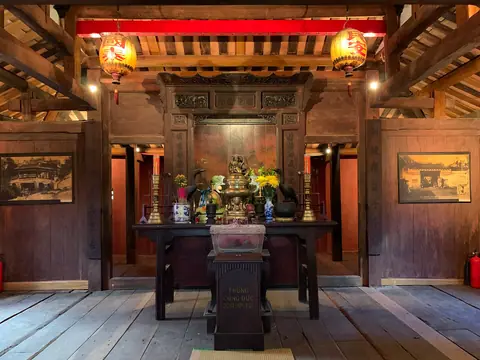
Your five-coupon Heritage Ticket opens the Japanese Covered Bridge and ironwood merchant homes like Tan Ky and Phung Hung. It also covers the Chinese Assembly Halls and the Sa Huynh and Trade Ceramics museums. Beyond the pedestrian streets, schedule three fittings with Hoi An's custom tailors and leather shoemakers. Cycle out to Thanh Ha Pottery and Kim Bong Carpentry villages along the river. You can also watch sunrise at My Son Sanctuary and snorkel the Cham Islands.
Food and drink
Centuries of maritime trade between Quang Nam fishermen, Fujian settlers, and Japanese merchants created a regional pantry found nowhere else in Vietnam. Begin your mornings at a terracotta-rooftop roastery or silent tea house on Tran Phu Street. Then explore our Hoi An food guide to taste smoky ash-water cao lau noodles made with Ba Le Well water. Save room for translucent banh bao banh vac (White Rose dumplings), turmeric mi Quang, crispy banh mi, and com ga chicken rice.
Culture
Unlike museum towns where historic buildings stand empty after dusk, Hoi An remains a living spiritual community. Multi-generational families still tend ancestral altars on their upper timber lofts, while flood lines on ironwood pillars record decades of autumn river rises. Every fourteenth evening of the lunar calendar, fluorescent bulbs across the old quarter switch off for the Full Moon Lantern Festival. The Hoai River glows with floating paper lotus candles and traditional Bai Choi folk singing. Check our Hoi An dress and packing guide before entering ancestral halls and Champa sanctuaries.
Weather by month
Hoi An is warmest in June, with average highs around 34°C, and coldest in January, when nights drop to about 19°C. October is the wettest month by rainfall (147 mm), with rain on about 21 days. For mild weather with fewer rainy days, aim for February.
| Month | Low | Range | High | Rain | Rainy days |
|---|---|---|---|---|---|
| Jan | 19°C | 24°C | 84 mm | 12 d | |
| Feb | 20°C | 26°C | 49 mm | 7 d | |
| Mar | 22°C | 28°C | 35 mm | 5 d | |
| Apr | 24°C | 31°C | 42 mm | 6 d | |
| May | 25°C | 33°C | 63 mm | 9 d | |
| Jun | 26°C | 34°C | 56 mm | 8 d | |
| Jul | 26°C | 34°C | 49 mm | 7 d | |
| Aug | 25°C | 34°C | 70 mm | 10 d | |
| Sep | 24°C | 32°C | 105 mm | 15 d | |
| Oct | 23°C | 29°C | 147 mm | 21 d | |
| Nov | 22°C | 27°C | 140 mm | 20 d | |
| Dec | 20°C | 25°C | 126 mm | 18 d |
Averages of daily values from 2015 to 2024. Rainy days are days with at least 1 mm of rain. Source: Open-Meteo · Compare destinations by month.
Hoi An on the map
Every place we cover in Hoi An. Tap a category or pin to explore.
In-depth Hoi An guides
Browse the guides grouped by topic: sights, neighbourhoods, food, transport, day trips and trip planning.
Sights, Landmarks & Parks
Key monuments, viewpoints, museums and nature trails.
- Best Things to Do in Hoi An: Bridges, Assembly Halls, Villages & BeachesExplore the historic Japanese Covered Bridge, Chinese assembly halls, sandy beaches, and local villages across Hoi An Ancient Town.
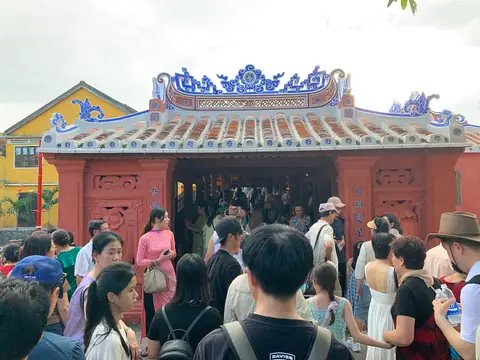
- Japanese Covered Bridge & Hoi An Merchant Houses: Tan Ky & Phung HungWalk the timber spine of Hoi An Ancient Town, starting at the restored Japanese Covered Bridge and its guardians. Visit 1741 Tan Ky Old House, Phung Hung Old House, Quan Thang House, and Duc An House.
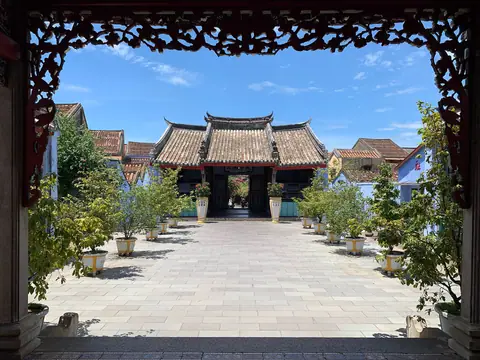
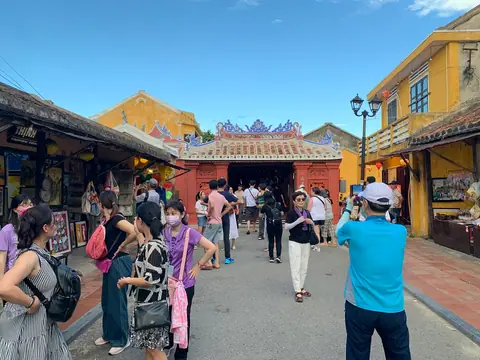
- Hoi An Chinese Assembly Halls: Fujian, Cantonese, Hainan & TeochewExplore the five historic Chinese congregational halls along Tran Phu Street: the Fujian Hall, Cantonese Hall, Chaozhou Hall, Hainan Hall, and Trung Hoa Hall.
- Tra Que Vegetable Village, Cam Thanh Coconut Palms & Hoi An Cycling GuidePedal into the countryside to explore sixteenth-century Tra Que Vegetable Village, where farmers fertilise organic herbs with riverweed. Cycle narrow Cam Chau rice-paddy dykes past water buffalo and paddle round bamboo basket boats in Cam Thanh.
- Hoi An Beaches Guide: An Bang Beach, Hidden Beach & Cua Dai CoastlineExplore the East Sea coastline near Hoi An Ancient Town, from An Bang Beach's morning basket boats to quiet Hidden Beach and Cua Dai's palm-lined sandbars.
- Thanh Ha Pottery Village, Kim Bong Carpentry & Hoi An Lantern MakingVisit the traditional craft villages that built Hoi An Ancient Town: historic Thanh Ha Pottery Village and Terracotta Park along the Thu Bon River. Ferry across to Kim Bong Carpentry Village and join a collapsible bamboo-and-silk lantern class.
- Hoi An Museums Guide: Trade Ceramics, Sa Huynh Culture, Folklore & RéhahnUse your Heritage Ticket coupons at the Museum of Trade Ceramics (80 Tran Phu) and Sa Huynh Culture Museum (149 Tran Phu). The pass also covers the Museum of Folk Culture, while Réhahn's Precious Heritage Art Gallery Museum is free.

Neighbourhoods & Where to Stay
Districts, historic quarters and the best bases for your stay.
- Where to Stay in Hoi An: Ancient Town, Rice Paddies & An Bang BeachCompare five stay zones: the Ancient Town Perimeter and An Hoi Islet for lantern walks, or Cam Chau and Cam Thanh for paddy villas. We also cover An Bang Beach, Cam Nam Island, and Cua Dai.
- Hoi An Lantern Festival: Full Moon Nights, River Boats & Night MarketExperience Hoi An Ancient Town after dark during the monthly Full Moon Lantern Festival on the 14th evening of the lunar calendar. Float paper lotus candles from Hoai River wooden rowboats, listen to Bai Choi folk singing, and browse the Nguyen Hoang Night Market.
- Hoi An Custom Tailors & Shoemakers Guide: 3-Fitting Timeline & Silk FabricsCommission bespoke clothing and leather shoes in Hoi An Ancient Town with our multi-fitting timetable and guidance on testing genuine mulberry silk.

Food & Drink
Local dishes, markets, cafés and dining districts.
- Hoi An Coffee Culture: Specialty Roasters, Rooftop Cafes & Tea HousesDiscover Hoi An's café culture inside historic yellow shophouses and terracotta-rooftop terraces along Tran Phu Street. Taste phin drip coffee, salted cream coffee, coconut slush coffee, and Vietnamese oolong at Reaching Out Tea House.
- What to Eat in Hoi An: Cao Lau Noodles, Banh Mi, White Rose & Food GuideTaste Hoi An's culinary heritage, led by smoky ash-water cao lau noodles made with Ba Le Well water and crispy banh mi baguettes. Sample translucent White Rose shrimp dumplings, turmeric mi Quang, com ga chicken rice, and nuoc Mot tea.
Getting Around & Arrival
Airport transfers, public transit, passes and driving rules.
Day Trips & Excursions
Easy half-day and full-day trips from the city.
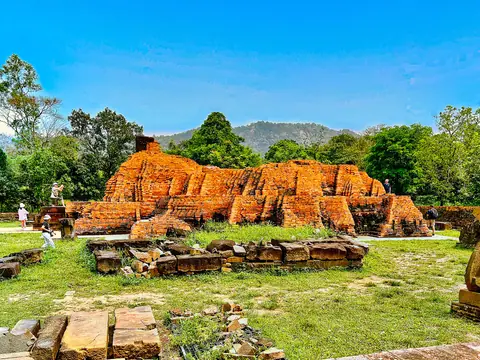
- My Son Sanctuary Day Trip from Hoi An: Champa Hindu Temples at SunriseVisit UNESCO-listed My Son Sanctuary, 45 kilometres from Hoi An Ancient Town, to explore 4th-to-13th-century Champa Hindu brick temples built without mortar.
- Cham Islands (Cu Lao Cham) Day Trip: Biosphere Reserve & SnorkellingCross 15 kilometres offshore from Cua Dai Beach to the eight islands of the Cu Lao Cham UNESCO Biosphere Reserve.
- Marble Mountains, Lady Buddha & Hai Van Pass Day Trip from Hoi AnExplore the coast north toward Da Nang, visiting the Marble Mountains caves, the Lady Buddha statue on Son Tra Peninsula, and the 21-kilometre Hai Van Pass.
Trip Planning & Itineraries
When to visit, what to pack and day-by-day routes.
- Hoi An: UNESCO Ancient Town Ticket, Pedestrian Hours & LayoutNavigate UNESCO-listed Hoi An Ancient Town with our guide to the historic port of Faifo and the 5-coupon Heritage Ticket. We also cover daily motor-free pedestrian hours and cycling paths to the coast.
- Best Time to Visit Hoi An: Dry Season, Flood Months & Full Moon DatesPlan around Central Vietnam's microclimate: dry sunny weather from February to August and autumn rains from September to January.
- What to Wear in Hoi An: Temple Dress Codes, Slip-On Shoes & Linen PackingPack smart for Hoi An Ancient Town with our guide to dress codes at Chinese Assembly Halls, merchant houses, and My Son Sanctuary. Bring slip-on sandals for threshold shoe removal, breathable linen for cycling, and rain gear.
- Hoi An 4-Day Itinerary: Ancient Town, Rice Paddies, My Son & Cham IslandsFollow our 4-day Hoi An itinerary linking UNESCO merchant houses and tailors on Day 1 with Tra Que cycling and An Bang Beach on Day 2. Day 3 visits My Son Sanctuary at sunrise, followed by the Cham Islands or Marble Mountains on Day 4.
Need your embassy or consulate in Vietnam? See embassies and consulates in Vietnam.
Reviews
Log in to write a review.
No reviews yet.