Asmara
UNESCO-listed 1930s Futurist and Art Deco landmarks at 2,325 metres on the Eritrean highland plateau, from the winged Fiat Tagliero station and Cinema Impero to palm-lined Harnet Avenue.
Quick decisions
How many days?
3 days: Harnet Avenue, Cinema Impero and the religious triangle on day one, Fiat Tagliero, Medeber recycling market and the Tank Graveyard on day two, plus the Qohaito escarpment or Massawa mountain road on day three. Follow our three-day route.
Where should I stay?
Harnet Avenue & Maekel (Central Core): walk out of your lobby straight to Art Deco cinemas and pastry bars. Tiravolo & Palace Hill: quiet tree-lined villa avenues west of the centre. Compare areas in where to stay in Asmara.
Do I need a car?
Not inside central Asmara. The UNESCO historic perimeter is flat, calm and built for strolling; hire a car with driver and travel permit only when leaving the city limits.
Best for
Architecture lovers: the world's most intact collection of 1930s Rationalist, Futurist and Art Deco buildings. Café culture: vintage Gaggia espresso machines and Tigrinya coffee ceremonies. Highland air: sunny 2,325-metre days.
Before you go
Cash-only economy and travel permits: foreign bank cards and ATMs do not work in Eritrea, mobile data is limited to slow Wi-Fi spots, and trips outside Asmara require local permits. Read our practical briefing.
Getting around
From Asmara International Airport (ASM): located just 5 kilometres south-east of Harnet Avenue, connected by yellow city taxis and blue buses. Details in arrival and transport.
Continue your trip
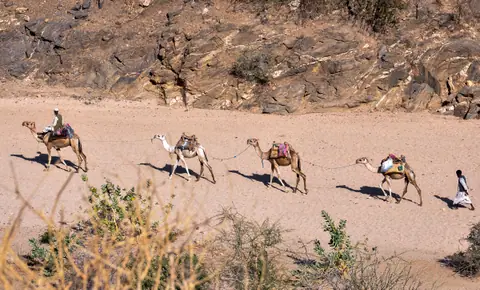
Once your travel permit is issued in Asmara, descend the dramatic 2,300-metre Filfil or Nefasit mountain road to the Red Sea coral port of Massawa, or visit the cloud-wrapped highland town of Keren.
Overview
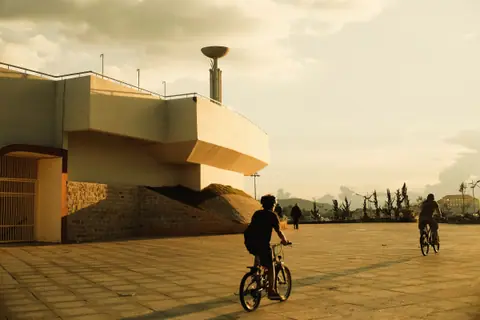
Perched at 2,325 metres on the edge of the Great Rift Valley escarpment, Asmara is one of the most visually astonishing capitals in the world. Inscribed as a UNESCO World Heritage site in 2017, the city preserves an extraordinary ensemble of 1930s Italian Rationalist, Futurist, Art Deco and Novecento architecture, anchored by the cantilevered concrete wings of the Fiat Tagliero service station and the glowing porthole facade of Cinema Impero.
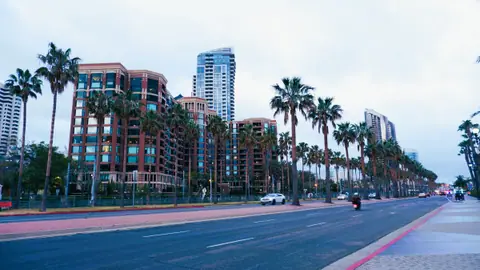
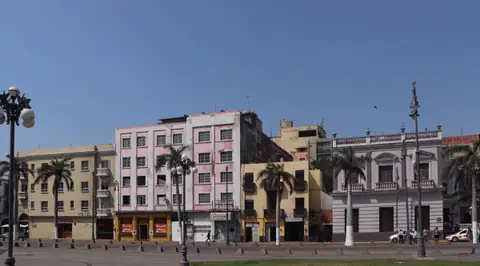
Yet Asmara is far more than an architectural time capsule. Along palm-fringed Harnet Avenue, families stroll between the Catholic Cathedral, Enda Mariam Orthodox Cathedral and the Great Mosque before lingering over foamy macchiatos and spiced injera.
Getting there
Asmara International Airport (ASM) sits only 5 kilometres south-east of the historic centre and receives direct flights from Dubai, Jeddah, Cairo, Istanbul and Addis Ababa. Yellow city taxis and blue municipal buses link the terminal to Harnet Avenue in fifteen minutes. See getting to Asmara and arranging regional permits.
Where to stay
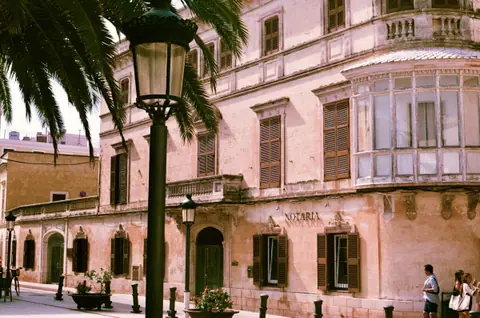
Because Asmara's central grid is flat, safe and quiet at night, staying within a few blocks of Harnet Avenue or Sematat Avenue lets you cover almost every landmark on foot. Restored 19th- and early-20th-century palace hotels sit west of the centre, while Art Deco mid-range hotels line the market streets. Compare neighbourhoods in where to stay in Asmara.
Things to do
Trace the avant-garde curves of Fiat Tagliero, Cinema Impero and Cinema Roma, climb the bell tower on Harnet Avenue before visiting Enda Mariam Cathedral and the Medeber recycling market, and watch clouds roll up the escarpment at Enda Mariam views or the Massawa railway. See our top ten in things to do in Asmara.
Food and drink
Asmara's dining scene marries Eritrean highland cooking with century-old Italian pastry and espresso traditions: fiery zigni beef stew and shiro chickpea purée served on sour injera flatbread, handmade tagliatelle and wood-fired pizza, and morning macchiatos pulled on brass lever machines alongside cream-filled paste pastries. Explore where to eat in our café and railway overview.
Culture
Formed around four highland Tigrinya villages that united on the plateau before becoming the capital of Eritrea in the 1890s, Asmara evolved a distinctive urban culture of mutual respect between Orthodox Christian, Sunni Muslim and Catholic communities, whose three principal houses of worship stand within three hundred metres of each other in the heart of the city.
Weather by month
Asmara is warmest in April, with average highs around 25°C, and coldest in January, when nights drop to about 7°C. July is the wettest month, with rain on about 13 days. For mild weather with fewer rainy days, aim for January, February, March, October, November and December.
| Month | Low | Range | High | Rain | Rainy days |
|---|---|---|---|---|---|
| Jan | 7°C | 22°C | 3 mm | 1 d | |
| Feb | 8°C | 24°C | 4 mm | 1 d | |
| Mar | 10°C | 25°C | 12 mm | 2 d | |
| Apr | 11°C | 25°C | 32 mm | 4 d | |
| May | 12°C | 25°C | 42 mm | 5 d | |
| Jun | 12°C | 25°C | 38 mm | 4 d | |
| Jul | 12°C | 22°C | 165 mm | 13 d | |
| Aug | 12°C | 22°C | 160 mm | 14 d | |
| Sep | 10°C | 23°C | 26 mm | 4 d | |
| Oct | 9°C | 22°C | 14 mm | 2 d | |
| Nov | 8°C | 22°C | 12 mm | 2 d | |
| Dec | 7°C | 22°C | 4 mm | 1 d |
Averages of daily values from 2015 to 2024. Rainy days are days with at least 1 mm of rain. Source: Open-Meteo · Compare destinations by month.
Asmara on the map
Every place we cover in Asmara. Tap a category or pin to explore.
In-depth Asmara guides
Browse the guides grouped by topic: sights, neighbourhoods, food, transport, day trips and trip planning.
Sights, Landmarks & Parks
Key monuments, viewpoints, museums and nature trails.
Neighbourhoods & Where to Stay
Districts, historic quarters and the best bases for your stay.
- Harnet Avenue, the Three Faiths and Medeber Recycling MarketStrolling Harnet Avenue's religious triangle of Catholic, Orthodox and Muslim landmarks to Medeber Market.
- Where to Stay in Asmara: Best Areas and Heritage HotelsChoosing between restored 1899 palace hotels, Art Deco central properties on Harnet Avenue and quiet villa streets.
Food & Drink
Local dishes, markets, cafés and dining districts.

Getting Around & Arrival
Airport transfers, public transit, passes and driving rules.
Trip Planning & Itineraries
When to visit, what to pack and day-by-day routes.
- Asmara: What to Know Before You GoCash-only Eritrean nakfa rules, applying for travel permits outside Asmara, offline maps and altitude tips.
- Best Time to Visit AsmaraYear-round spring-like days at 2,325 metres, dry sunny winters from October to March, May blossoms, and late-summer highland festivals.
- What to Wear in AsmaraSmart layers for warm highland sun and crisp 7°C nights, plus respectful attire for churches and mosques.
- Asmara 3-Day Itinerary: Modernist Icons, Markets and EscarpmentThree unhurried days covering UNESCO modernist landmarks, Medeber Market, macchiato bars and the Rift escarpment.

Need your embassy or consulate in Eritrea? See embassies and consulates in Eritrea.
Reviews
Log in to write a review.
No reviews yet.