


























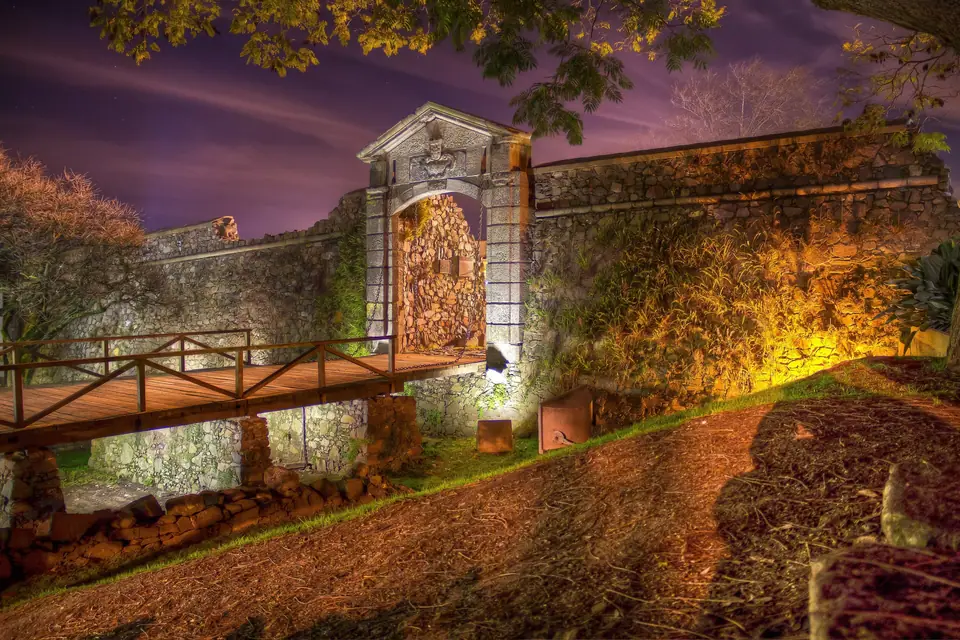
UNESCO Barrio Histórico Guide: 1745 Portón de Campo, Muralla & Calle de los Suspiros
Walk the 1680 Portuguese core of Colonia del Sacramento: cross the 1745 Portón de Campo drawbridge and moat, trace the stone ramparts of the Muralla, and explore the cobbled Calle de los Suspiros.
Inscribed on the UNESCO World Heritage List in December 1995, the 16-hectare Barrio Histórico of Colonia del Sacramento is an open-air textbook of seventeenth- and eighteenth-century geopolitics. Because Portuguese military engineers laid out the original 1680 citadel to follow the natural contours of the rocky San Gabriel peninsula while Spanish governors later added wider orthogonal brick streets after 1777, walking two blocks here carries you between two distinct colonial empires.
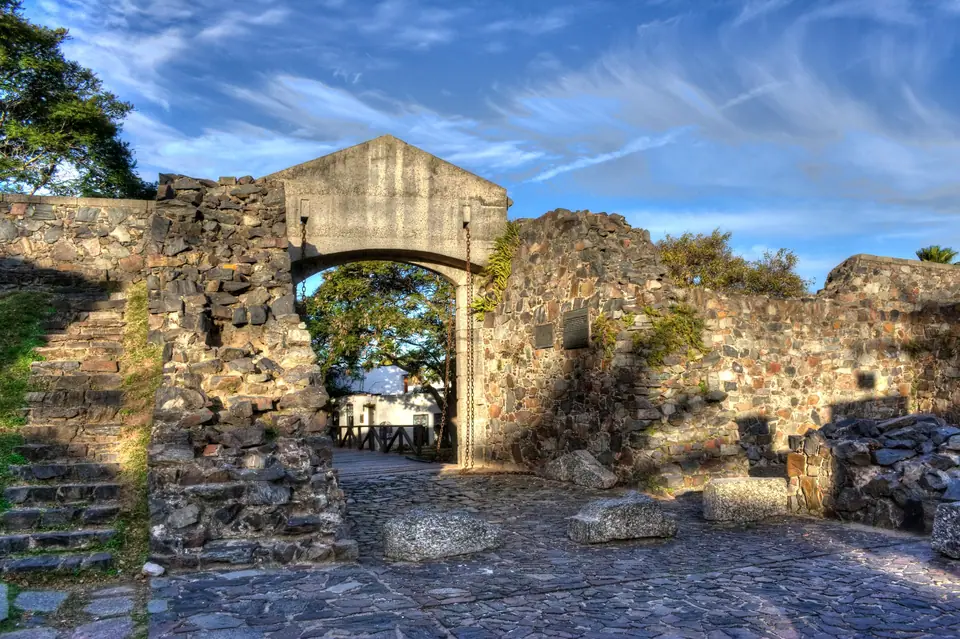
1. The Portón de Campo (1745), Drawbridge, Pilori & Muralla
- Governor Vasconcelos's Fortress Gate: Every visit to the Barrio Histórico begins at Plaza 1811 by crossing the wooden planks of the Portón de Campo (Citadel Gate) over a dry defensive moat. Commissioned in 1745 by Colonia's longest-serving and most capable Portuguese governor, António Pedro de Vasconcelos (governed 1722 to 1749), the gate and its flanking granite ashlar ramparts sealed off the landward neck of the peninsula during repeated Spanish sieges.
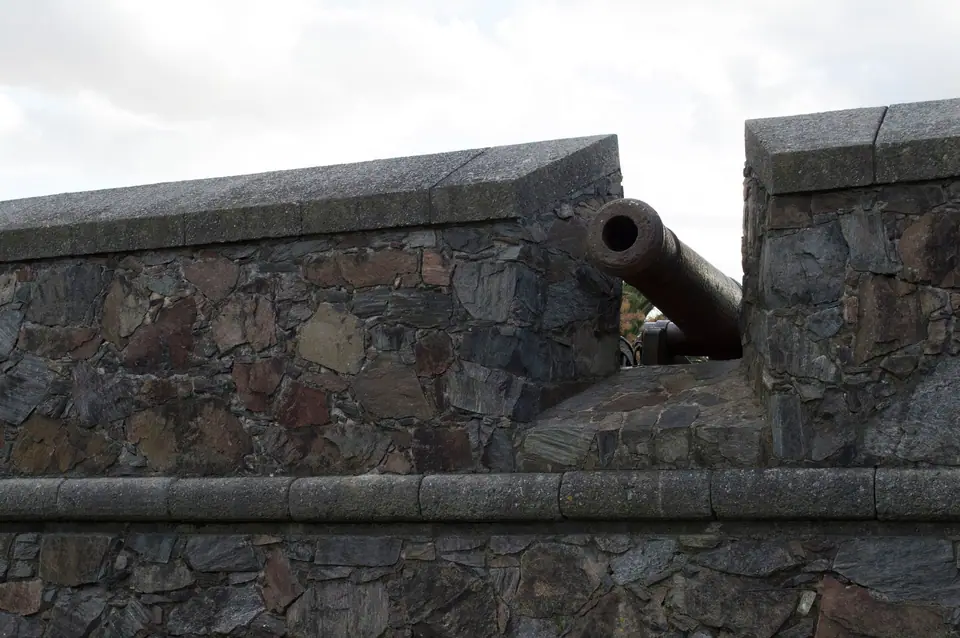
- The Portuguese Pillory Coat of Arms & Cannon Ramparts: Pause inside the vaulted stone archway to inspect the carved stone relief of the Portuguese royal coat of arms (El Pilori), then climb the wide stone steps onto the top of the Muralla (meticulously reconstructed between 1968 and 1971 by historian Miguel Ángel Odriozola on the original 18th-century foundations) to look out over the moat and the southern riverfront of the Bastión de San Miguel.
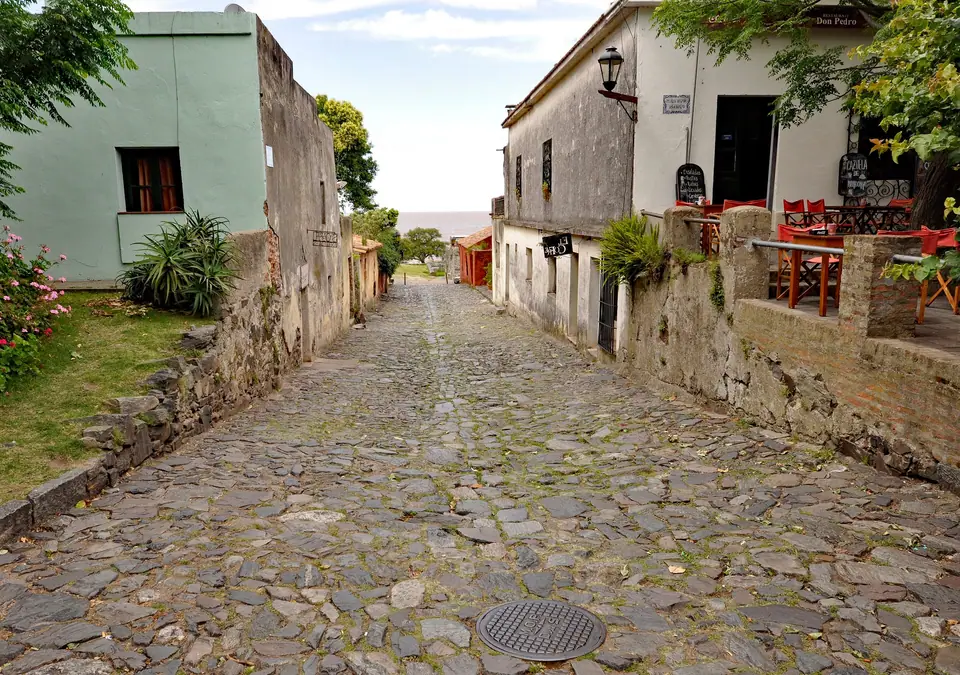
2. Calle de los Suspiros ("Street of Sighs")
- An Intact 17th- and 18th-Century Luso-Brazilian Street: One block inside the gate, turn south off Plaza Mayor onto Calle de los Suspiros, the most photographed and best-preserved Portuguese colonial lane in the Río de la Plata basin. Notice three architectural details that distinguish it immediately from Spanish colonial streets:
- No Sidewalks & a Concave Central Drainage Gutter: Paved in ungrouted wedges of rough granite (pé de moleque), the street slopes inward from both house walls toward a central stone gutter that channels rainwater straight down to the river.
- Four-Sloped Terracotta Roofs (Telhados de Quatro Águas): Low single-storey cottages built of rough fieldstone bound with clay and oyster-shell lime mortar are topped with curved clay tiles made by enslaved workers curved over their thighs.
Traveller tips
Real advice from people who have been to UNESCO Barrio Histórico Guide: 1745 Portón de Campo, Muralla & Calle de los Suspiros. Every tip is read by our team before it goes live.
No tips yet. Been here? Yours could be the first.
Thank you! Your tip will appear here after a quick review.
More in Colonia del Sacramento
Continue exploring Colonia del Sacramento with related neighbourhood, food, and planning guides

How to Get to Colonia del Sacramento: Buenos Aires Fast Ferries & Montevideo Route 1 Buses
Colonia del Sacramento, Uruguay
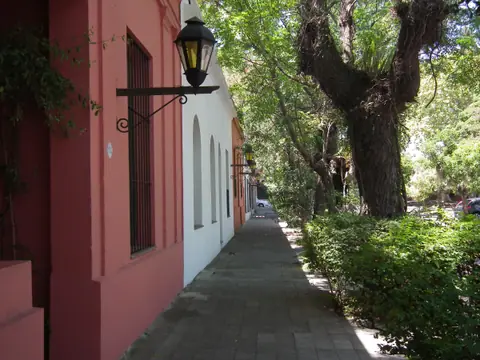
Best Time to Visit Colonia del Sacramento: Spring Blossoms, March Wine Harvest & River Sunsets
Colonia del Sacramento, Uruguay
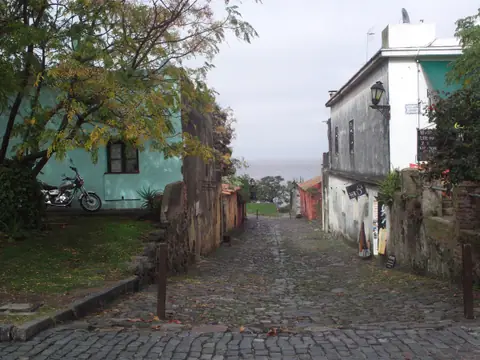
What to Wear in Colonia del Sacramento: Flat Soles for 1680 Cobblestones & River Layers
Colonia del Sacramento, Uruguay
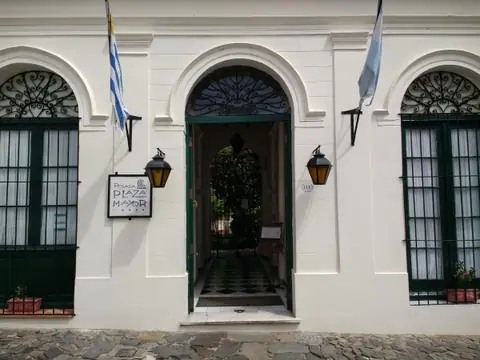
Where to Stay in Colonia del Sacramento: UNESCO Barrio Histórico, Centro & Rambla Resorts
Colonia del Sacramento, Uruguay
