Colonia del Sacramento
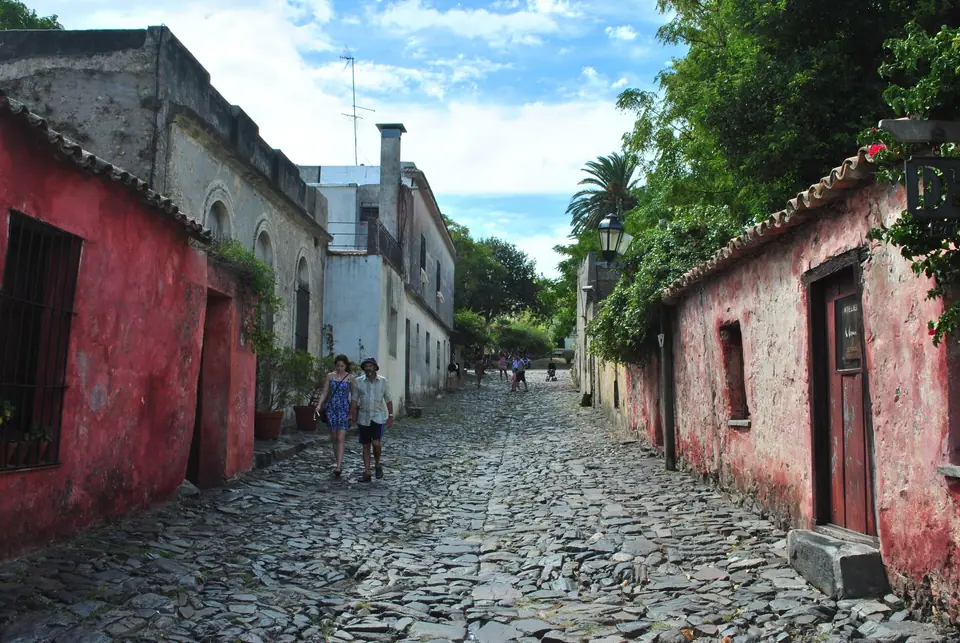
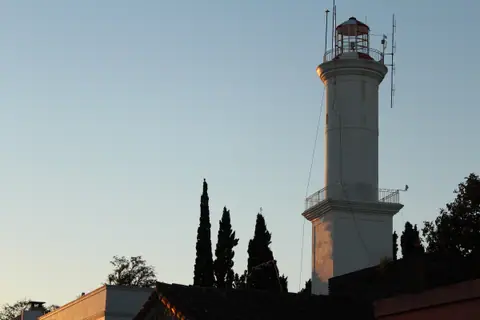
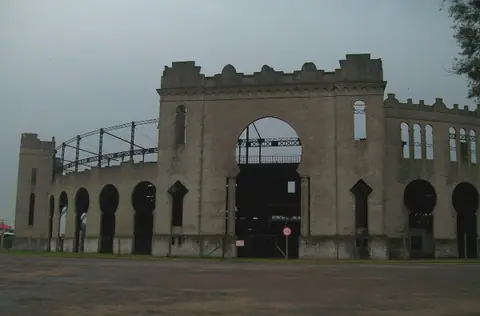
Founded by the Portuguese in January 1680 on a rocky peninsula across the Río de la Plata from Buenos Aires, UNESCO-listed Colonia del Sacramento is Uruguay's oldest city, pairing the wooden drawbridge of the Portón de Campo, the cobbled Calle de los Suspiros, and the 1857 Lighthouse inside a ruined 1683 convent with the restored 1910 Plaza de Toros and the Tannat wineries of Carmelo.
Quick decisions
- How many days? Spend 2 to 3 days so you can linger inside the UNESCO Barrio Histórico after day-trippers return to Buenos Aires, cycle along the Rambla to the restored 1910 Plaza de Toros at Real de San Carlos, and take a wine-and-cheese day trip to Carmelo or Colonia Suiza.
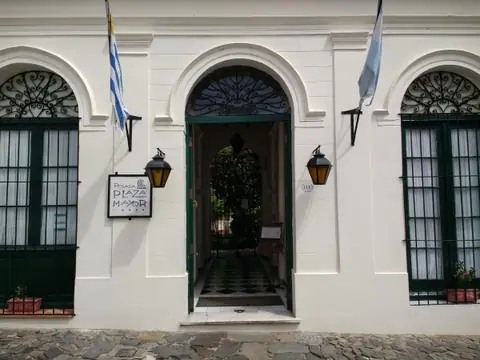
- Where should I stay? Book an 18th-century stone courtyard posada inside the UNESCO Barrio Histórico around Plaza Mayor, a boutique hotel near Avenida General Flores and the ferry port, or a riverfront resort along the Rambla de las Américas.
- Do I need a car? You do not need a car inside the Barrio Histórico or Centro (everything is 10 to 15 minutes on foot from the ferry and bus terminals), while bicycles, electric golf carts, and local buses reach Real de San Carlos; rent a car or book a vineyard transfer for Carmelo.
- Best for: 17th- and 18th-century Portuguese and Spanish colonial architecture, Río de la Plata sunsets, Neo-Mudéjar Belle Époque heritage, boutique Tannat and Cabernet Franc vineyards, and artisanal Uruguayan cheeses.
- Before you go: Pack flat, cushioned rubber-soled shoes for the uneven 17th-century granite cobblestones of Calle de los Suspiros, and bring your passport if crossing by ferry from Argentina.
- Getting around: Walk everywhere within the walled peninsula, hire a bicycle or buggy for the five-kilometre Rambla de las Américas, and use regional buses or taxis for Carmelo and Nueva Helvecia.
- Continue your trip: Sail 75 minutes across the Río de la Plata to Buenos Aires, or ride a direct 2.5-hour coach east along Route 1 to Montevideo and Punta del Este.
Overview
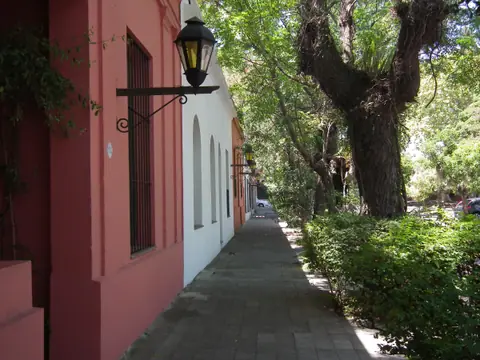
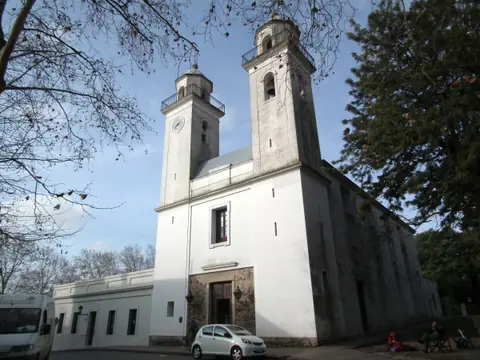
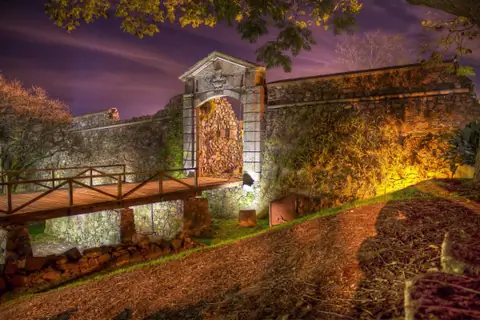
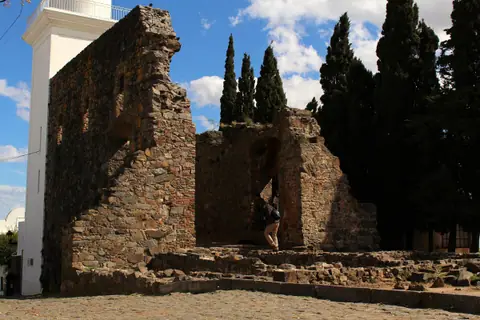
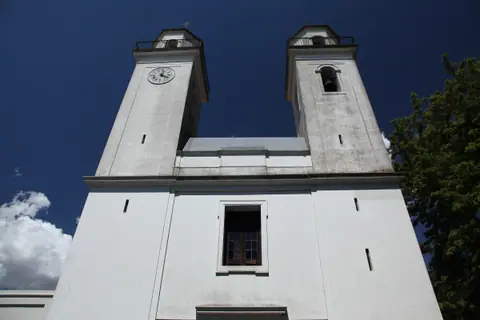
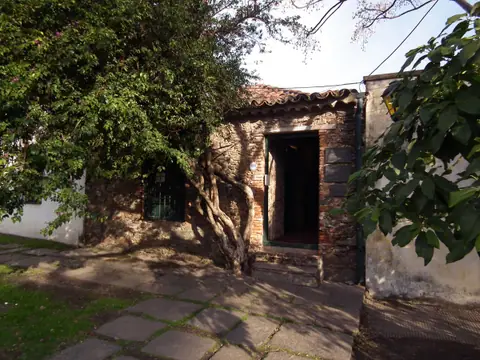
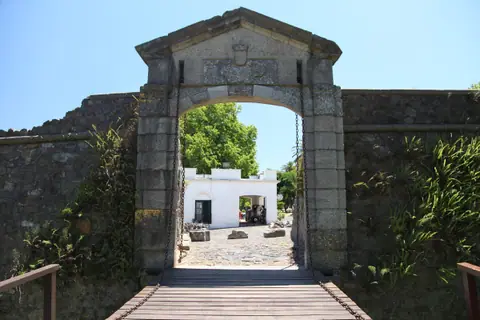
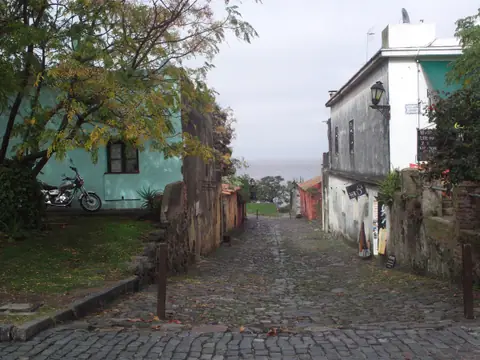
Founded in late January 1680 as Colônia do Santíssimo Sacramento by Portuguese Governor of Rio de Janeiro Dom Manuel Lobo directly across the Río de la Plata from Spanish Buenos Aires, Colonia del Sacramento is the oldest European settlement in Uruguay and one of the most contested colonial fortresses in the Americas. Changing hands between the crowns of Portugal and Spain no fewer than seven times before the 1777 Treaty of San Ildefonso, its 16-hectare walled peninsula was inscribed as a UNESCO World Heritage Site in 1995 for its unique urban fusion: winding, terrain-hugging Portuguese stone alleys with concave central gutters sit side by side with wide, brick-built Spanish neoclassical streets. Stepping across the wooden drawbridge of the 1745 Portón de Campo leads you past the bougainvillea-draped cottages of Calle de los Suspiros, the 1857 Lighthouse rising out of the 1683 ruins of the Convento de San Francisco, the twin towers of the Basílica del Santísimo Sacramento, and a five-kilometre riverfront Rambla culminating at the restored 1910 Mudéjar-style Plaza de Toros Real de San Carlos.
Getting there
Board a 75-minute high-speed Buquebus or Colonia Express catamaran across the Río de la Plata from Puerto Madero in Buenos Aires, or ride a direct 2.5-hour COT or Turil coach 177 kilometres west along Route 1 from Montevideo.
Where to stay
Sleep inside a restored 18th-century stone posada in the UNESCO Barrio Histórico, along tree-lined Avenida General Flores near the port, or facing the sandy river beaches of the Rambla de las Américas.
Things to do
Cross the Portón de Campo and stroll Calle de los Suspiros, climb the 1857 Lighthouse on Plaza Mayor, walk the Basílica and waterfront bastions, tour the Portuguese and Tile Museums, and visit the 1910 Plaza de Toros.
Food and drink
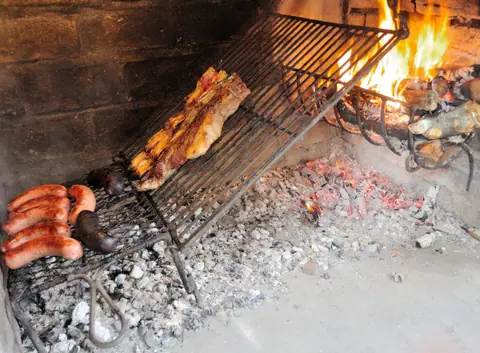
Dine under sycamore trees on hardwood parrillada, chivito al plato, and artisanal Queso Colonia, paired with Tannat and Cabernet Franc from Carmelo and Granja Narbona.
Culture
Explore the 17th-century Luso-Spanish heritage of the Sistema de Museos de Colonia, the 1741 Jesuit lime kilns of Calera de las Huérfanas, and the 1862 Swiss-immigrant dairy traditions of Colonia Suiza (Nueva Helvecia).
Weather by month
Colonia del Sacramento is warmest in January, with average highs around 28°C, and coldest in July, when nights drop to about 8°C. October is the wettest month, with rain on about 7 days. For mild weather with fewer rainy days, aim for May.
| Month | Low | Range | High | Rain | Rainy days |
|---|---|---|---|---|---|
| Jan | 19°C | 28°C | 42 mm | 6 d | |
| Feb | 19°C | 27°C | 42 mm | 6 d | |
| Mar | 17°C | 25°C | 42 mm | 6 d | |
| Apr | 14°C | 22°C | 42 mm | 6 d | |
| May | 11°C | 18°C | 35 mm | 5 d | |
| Jun | 9°C | 15°C | 35 mm | 5 d | |
| Jul | 8°C | 14°C | 35 mm | 5 d | |
| Aug | 9°C | 16°C | 35 mm | 5 d | |
| Sep | 10°C | 18°C | 42 mm | 6 d | |
| Oct | 13°C | 21°C | 49 mm | 7 d | |
| Nov | 16°C | 24°C | 42 mm | 6 d | |
| Dec | 18°C | 27°C | 42 mm | 6 d |
Averages of daily values from 2015 to 2024. Rainy days are days with at least 1 mm of rain. Source: Open-Meteo · Compare destinations by month.
Colonia del Sacramento on the map
Every place we cover in Colonia del Sacramento. Tap a category or pin to explore.
In-depth Colonia del Sacramento guides
Browse the guides grouped by topic: sights, neighbourhoods, food, transport, day trips and trip planning.
Sights, Landmarks & Parks
Key monuments, viewpoints, museums and nature trails.
- 12 Best Things to Do in Colonia del Sacramento: Suspiros, Lighthouse, Bullring & WineriesDiscover the 12 best things to do in Colonia del Sacramento, Uruguay: cross the 1745 Portón de Campo, walk Calle de los Suspiros, climb the 1857 Lighthouse, tour the restored 1910 Plaza de Toros, and taste Carmelo Tannat.
- Best Time to Visit Colonia del Sacramento: Spring Blossoms, March Wine Harvest & River SunsetsMonth-by-month weather guide to Colonia del Sacramento using official 1991-2020 INUMET/WMO climate normals: compare flowering spring (October-November), summer river beaches, and the March Carmelo grape harvest.
- 3 Days in Colonia del Sacramento Itinerary: UNESCO Citadel, 1910 Plaza de Toros & CarmeloPlan the perfect 3 days in Colonia del Sacramento, Uruguay: explore the UNESCO Barrio Histórico, Calle de los Suspiros, and Lighthouse on Day 1, the museums and 1910 Plaza de Toros on Day 2, and Carmelo or Colonia Suiza on Day 3.
- UNESCO Barrio Histórico Guide: 1745 Portón de Campo, Muralla & Calle de los SuspirosWalk the 1680 Portuguese core of Colonia del Sacramento: cross the 1745 Portón de Campo drawbridge and moat, trace the stone ramparts of the Muralla, and explore the cobbled Calle de los Suspiros.
- 1857 Lighthouse (Faro), Convento de San Francisco Ruins & Plaza Mayor 25 de Mayo GuideExplore the monumental heart of Colonia del Sacramento: stroll tree-shaded Plaza Mayor 25 de Mayo, inspect the 1683 ruins of the Convento de San Francisco, and climb the 1857 Lighthouse for river views.
- Basílica del Santísimo Sacramento & Waterfront Bastions Walk (Carmen, San Pedro & San Miguel)Visit Uruguay's oldest church and walk the 18th-century waterfront ramparts of Colonia del Sacramento: tour the Basílica del Santísimo Sacramento and trace the Bastión del Carmen and Bastión de San Pedro.
- Colonia del Sacramento Museums Guide: Museo Portugués, Casa de Nacarello & Museo del AzulejoHow to use the single combined museum ticket in Colonia del Sacramento: explore the 18th-century Museo Portugués, Casa de Nacarello, Museo Municipal Rebuffo, Museo Español, and the tiny 1750 Museo del Azulejo.
- Real de San Carlos & Restored 1910 Plaza de Toros Guide: Neo-Mudéjar Bullring & RamblaCycle or drive 5 km along the Rambla de las Américas to Real de San Carlos: tour the magnificently restored 1910 Neo-Mudéjar Plaza de Toros, see the giant Frontón Euskaro, and visit the 1761 Capilla San Benito.
Neighbourhoods & Where to Stay
Districts, historic quarters and the best bases for your stay.
- Colonia del Sacramento: UNESCO Barrio HistóricoPlan your visit to Colonia del Sacramento, Uruguay: understand how the 1680 UNESCO Barrio Histórico, the 19th-century Centro by the ferry port, and the Rambla de las Américas to Real de San Carlos connect.
- What to Wear in Colonia del Sacramento: Flat Soles for 1680 Cobblestones & River LayersPractical packing and footwear guide for Colonia del Sacramento: why flat rubber-soled shoes are essential for the 17th-century granite cobblestones of Calle de los Suspiros, plus wind layers for the ferry and riverfront.
- Where to Stay in Colonia del Sacramento: UNESCO Barrio Histórico, Centro & Rambla ResortsCompare the best areas to stay in Colonia del Sacramento, Uruguay: 18th-century stone courtyard posadas inside the UNESCO Barrio Histórico, convenient hotels on Avenida General Flores, or riverfront resorts on the Rambla.
Food & Drink
Local dishes, markets, cafés and dining districts.
Getting Around & Arrival
Airport transfers, public transit, passes and driving rules.

Day Trips & Excursions
Easy half-day and full-day trips from the city.
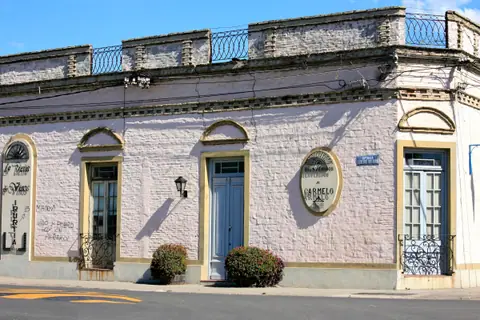
- Carmelo Wineries, Granja Narbona & 1741 Calera de las Huérfanas Day Trip from ColoniaPlan a wine day trip 75 km north of Colonia del Sacramento to Carmelo: taste Tannat and Cabernet Franc at 1909 Bodega Narbona, El Legado, and CampoTinto, see the 1912 swing bridge, and visit Calera de las Huérfanas.
- Colonia Suiza (Nueva Helvecia) Day Trip: Swiss Heritage & Artisan Queso Colonia RouteExplore the cradle of Uruguay's dairy industry 58 km east of Colonia del Sacramento: visit Nueva Helvecia (Colonia Suiza, founded 1862), taste authentic aged Queso Colonia and Gruyère, and see the 1875 Molino Quemado.
Reviews
Log in to write a review.
No reviews yet.