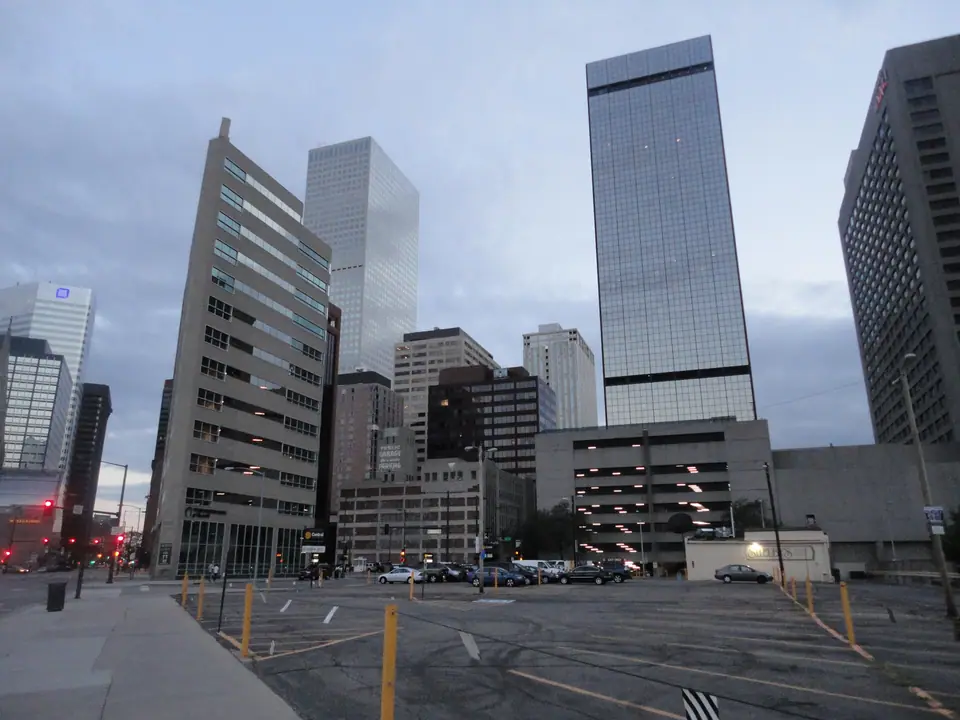
Photo: Dbenbenn · CC BY-SA 3.0
How to Get to Denver
Arrive in Denver with ease using direct airport rail to central Union Station, coordinated regional buses, and walkable downtown transit connections.
You can reach Denver directly by air through Denver International Airport (DEN) or by train and regional bus into central Denver Union Station.
Arriving by Air at Denver International Airport
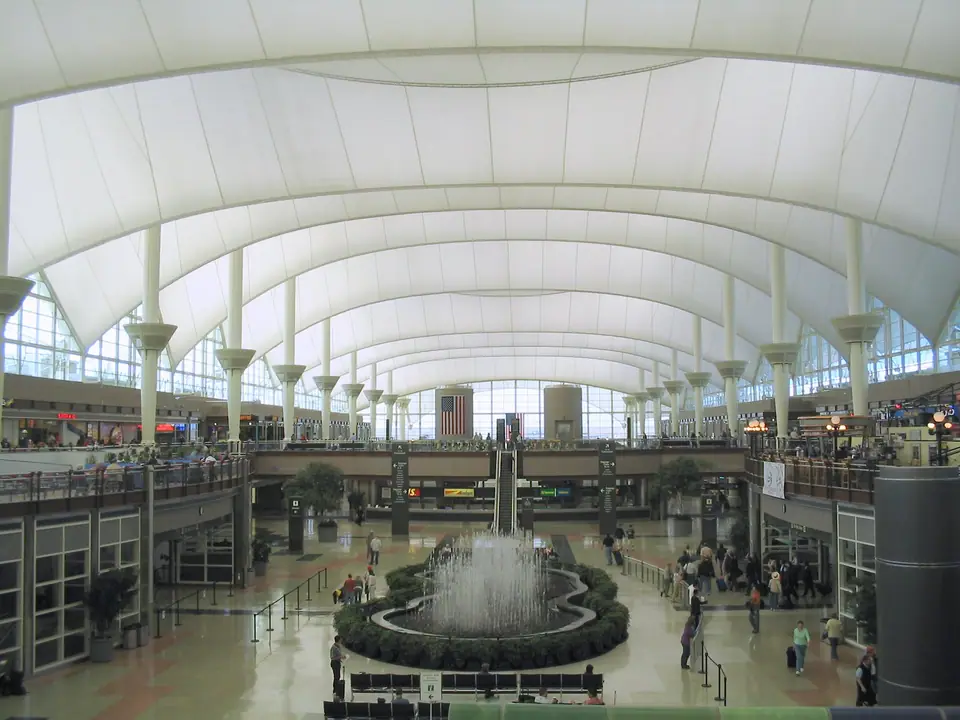
Denver International Airport features nonstop service from nearly three dozen international cities. The facility also provides direct flights to all 16 tournament host cities. Famously named the Mile High City, Denver rests precisely 5,280 feet above sea level where the high plains meet the Rockies. When landing from abroad, international visitors must meet strict border protocols. British citizens travelling from the UK must possess either a valid US visa or an Electronic System for Travel Authorisation before departure. Your passport must remain valid for the duration of your planned stay in the United States.
United States border officials may request to inspect electronic devices, emails, text messages, and social media activity upon your entry. Travellers who visited Cuba on or after 12 January 2021 cannot apply for an ESTA visa waiver. Those with a past arrest or criminal record may also be ineligible for ESTA. Children and young people must hold their own valid visa or ESTA on arrival. When travelling alone, with one parent, or with adults who are not legal guardians, younger travellers require a consent letter, preferably in English and notarised. For broader advice on trip planning, consult our Denver Travel Guide: What to Know Before You Go.
Taking the A Line Train to Downtown
The primary rail link between the airport and the city centre is the Regional Transportation District commuter service known as the A Line. The airport train connects Denver International Airport directly to Denver Union Station in 37 minutes. The service runs every 15 to 30 minutes throughout the day, offering a predictable journey into central neighbourhoods. Rail service between the terminal and Union Station includes six intermediate stops along the route.
Commuter rail removes the unpredictability of regional highway traffic. Travellers carrying luggage find level boarding platforms and clear station signage at both ends of the corridor. Taking the A Line allows you to settle into your journey smoothly without having to navigate unfamiliar ring roads. If you need ideas for planning your schedule after reaching the rail terminus, review our detailed Denver in 3 Days: A Practical Itinerary.
Rideshares, Taxis, and Airport Road Transfers
If you prefer door-to-door transport with heavy bags, road transfers offer an alternative to the commuter rail. Taxis and app-based rideshare providers such as Uber and Lyft operate directly curbside outside the airport terminal. Trips from the airport into downtown typically take 30 to 45 minutes, depending on current traffic conditions. Severe weather or peak commuting hours can extend these travel estimates significantly.
Road routes approach the city across open plains before entering the metropolitan grid. Expect higher congestion during weekday rush hours and around major holiday periods. While road journeys drop you directly at hotel entrances, rail transit remains faster during peak travel windows. Travellers planning early departures or late-night arrivals should verify local traffic conditions before setting out on the motorway.
Denver Union Station as Your Transport Hub
Denver Union Station is situated centrally in downtown Denver, functioning as the primary arrival nexus for the entire metropolitan area. The station occupies a renovated 1914 Beaux-Arts building that houses the 112-room Crawford Hotel as well as local boutiques, restaurants, and bars. Union Station provides seamless access to RTD Front Range bus routes, regional light rail lines, and national Amtrak passenger services. Its underground Bus Concourse earned a Gold LEED certification for green building in 2014, recognising its use of recycled materials and natural ventilation.
A dedicated tourist information desk inside the station operates daily to assist arriving passengers. Travellers can collect transit maps, rail information, Official Visitors Guides, and arrival guides detailing local accommodation. Staff members at the desk provide personal navigation assistance for visitors orienting themselves to the city grid. The central concourse offers comfortable waiting space while you connect between intercity trains and municipal bus corridors.
Free Shuttles and Downtown Transit Connections
Moving through the downtown core without a car is straightforward once you leave Union Station. Complimentary vehicles operating under the 16th Street FreeRide label travel back and forth across the pedestrian promenade. These electric shuttles stop at every corner, providing direct access to most central hotels and commercial districts. The service allows visitors to hop on and off without purchasing tickets or checking complex timetables.
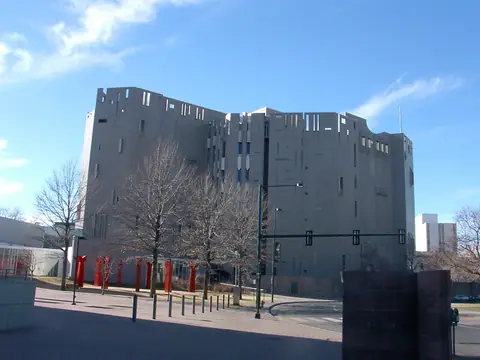
For local excursions across the city, the regional transit authority operates an extensive network of bus routes. RTD buses 20 and 40 stop near the science museum on Colorado and Montview Boulevards. To reach the botanical exhibits on York Street, travellers can board RTD bus routes 10 or 24. Families should note that riders under age 19 ride free across the public transport network under the Zero Fare for Youth program. Visitors exploring cultural sites can also utilise ticket options like the Denver CityPass and Mile High Culture Pass.
Micromobility, Walking, and Cycling in Denver
Denver enjoys over 300 sunny days annually across four distinct seasons. These dry, pleasant conditions support outdoor transit options, including cycling and walking between central districts. In May of 2021, Denver entered into license agreements with Lyft and Lime to operate the municipal Shared Micromobility Program. This shared bike and electric scooter system gives residents and visitors convenient options to travel across town without hiring an automobile.
Cultural institutions support active travel with dedicated infrastructure for cyclists. The museum on Colorado Boulevard provides bike racks on the north side near the main entrance and on Level 2 of its parking garage. Denver Botanic Gardens also supplies bike racks at its York Street main entrance. Visitors should pack layers and be ready for sun year-round, as clear skies remain common across all seasons.
Driving and Excursions into the Foothills
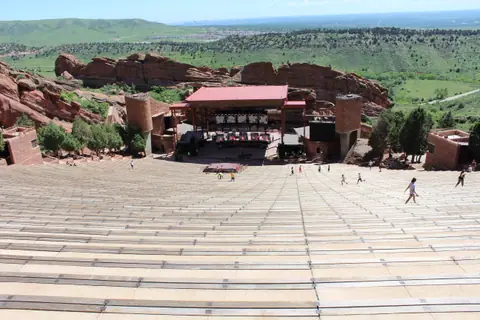
The mountain foothills begin about 30 minutes west of downtown Denver, making day trips by car simple to arrange. Red Rocks Park and Amphitheatre is located at 18300 W. Alameda Parkway in Morrison, Colorado. On non-event days, the amphitheatre opens one hour before sunrise and closes one hour after sunset. Admission and parking are free for visiting the park, amphitheatre, Visitor Center, and Trading Post. Parking lots open two hours before event doors for ticketed performances.
Visitors heading to Red Rocks should wear comfortable walking shoes, as distant parking locations may require a substantial uphill hike. Vehicles left overnight must be relocated before 10 a.m. the following day to avoid ticketing or towing. Passenger pickup for private cars, taxis, and rideshares at the end of concerts takes place in the Jurassic Lot. Dual-deck and articulated buses cannot make standard parking reservations and must park in Lower South Lot 2. Drivers operating electric cars will find four ChargePoint charging stations split between the Trading Post and Upper North parking lots.
If you drive further north towards Rocky Mountain National Park, note the administrative contact details in advance. The information office is situated at 1000 US Hwy 36 in Estes Park, postcode CO 80517. The park information desk operates year-round, open on Saturdays and Sundays from 8 a.m. to noon during the winter season. Motorists planning mountain crossings can consult a recorded Trail Ridge Road status line available 24 hours a day at (970) 586-1222. Within city limits, free parking options remain structured. The museum on Colorado Boulevard offers 550 underground spaces across two levels entered via 22nd and 23rd Avenues. Denver Botanic Gardens provides limited parking on York Street with strict prohibitions against recreational vehicles and overnight stays.
Where it is
- 1Denver
- Denver International Airport (DEN) · about 30 km from Denver in a straight line
- Directions in Google Maps
Stations and taxi ranks: OpenStreetMap. Airports: OurAirports. Distances are in a straight line.
Traveller tips
Real advice from people who have been to Denver. Every tip is read by our team before it goes live.
No tips yet. Been here? Yours could be the first.
Thank you! Your tip will appear here after a quick review.
More in Denver
Continue exploring Denver with related neighbourhood, food, and planning guides