Photo: Hustvedt · CC BY-SA 3.0
Best Things to Do in Denver
Denver pairs celebrated cultural institutions and historic red sandstone performance spaces with expansive urban parks and access to Rocky Mountain trails.
Denver offers an engaging mix of mountain landscapes, historic concert venues, celebrated museums, expansive botanical collections, and an unmatched craft beer culture.
Red Rocks Amphitheatre and Geological Foothills
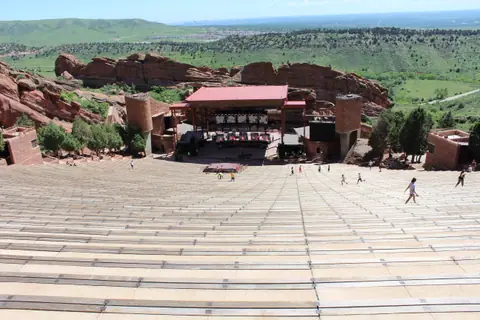
Red Rocks Amphitheatre stands out as a world-renowned destination where live music meets natural geology. Carved from ancient red sandstone, the amphitheatre provides an extraordinary setting where music encounters nature. The legendary venue had its official grand opening on June 15, 1941. Today, the site is owned and operated directly by the City and County of Denver.
At 85 years old, Red Rocks ranks among the oldest music venues in the United States to earn official LEED Gold recognition. The facility achieved this environmental standard through sustainable site development, water savings, energy efficiency, waste diversion, and careful materials selection. Visitors can explore the massive rock formations on foot during non-event hours, enjoying sweeping views over the surrounding plains.
Nearby at Dinosaur Ridge, hikers can explore historic geological trails that date back millions of years. The path features famous Jurassic dinosaur bones discovered in 1877, including original Stegosaurus and Apatosaurus fossils. Hikers can also inspect visible Cretaceous dinosaur footprints preserved directly in the stone layers. If you want to plan your travel routes into the foothills, read our detailed Red Rocks and Mountain Parks Guide before setting off.
The transition between the Great Plains and the Southern Rocky Mountains creates distinct landscapes around this foothill zone. Travellers who enjoy morning exercise often use the amphitheatre staircases for conditioning at altitude. The red sandstone monoliths create natural acoustic walls that have attracted performers from all over the globe for decades.
Downtown Museums and Civic Cultural Quarters
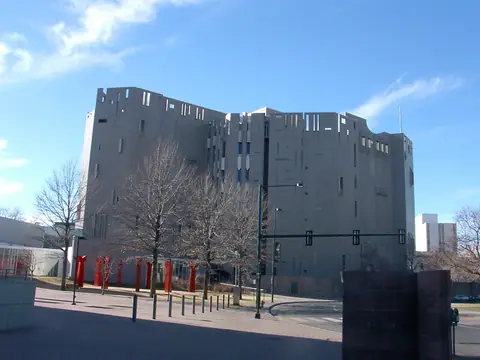
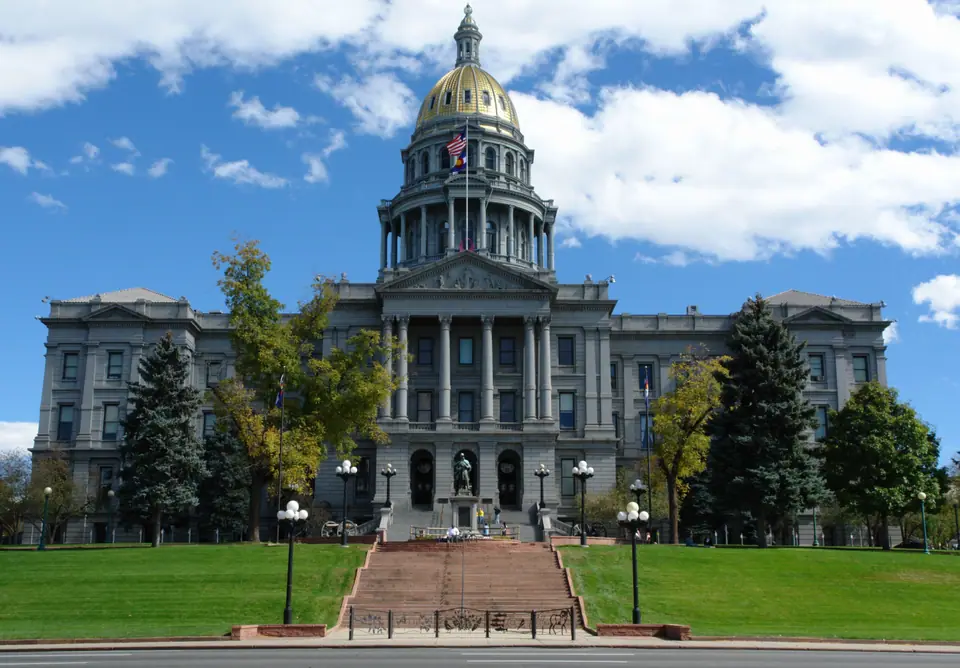
Denver houses notable cultural institutions within comfortable walking distance of central districts. The Denver Art Museum sits at 100 W 14th Ave. Pkwy. in Denver, showcasing diverse exhibitions across striking architectural galleries. Visitors can examine visual arts, contemporary regional works, and historic design pieces across varied collection halls.
A short walk across the civic district brings you to the Colorado History Museum. This prominent institution is located at 1200 N Broadway in the 80203 postcode area. Formerly known as the History Colorado Center, the museum tells the complex story of the state through interactive exhibits. Admission to the museum is free for children and members, making it particularly accessible for travelling families. To coordinate your itinerary between galleries and civic squares, consult our Denver Museums and Downtown Guide.
Further east along 2001 Colorado Blvd in Denver's 80205 district stands an expansive museum dedicated to natural history and earth sciences. It overlooks the park lakes and downtown skyline, anchoring one of the most scenic public settings in the capital.
Botanic Gardens and Natural Science Exhibits
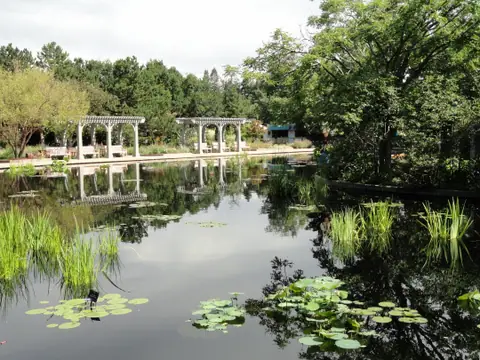
Denver Botanic Gardens at York Street presents an impressive range of living collections covering 24 acres. Located at 1007 York Street in postcode 80206, the property displays an ever-widening diversity of plants from all corners of the world. Its celebrated Gardens of the West section includes 18 arid gardens showcasing plants that thrive in Colorado's dry climate while providing season-long colour and texture.
Visitors can use the Gardens Navigator website to locate and study thousands of plants from the living collections. This digital tool also lets guests learn about current exhibitions and build a personalized tour across the 24-acre grounds. Walking these themed pathways demonstrates how intelligent landscaping adapts to high-plains water conditions and intense sunlight.
City Park also houses the Denver Zoo, located at 2300 Steele St. in Denver, CO 80205. The zoo features Toyota Elephant Passage, spanning 10 acres with two miles of interconnected trails. It ranks as one of the largest and most complex elephant habitats in North America.
Guests can step into Tropical Discovery, which houses nearly 300 species and nearly 1,800 individual animals in an indoor rainforest environment. Primate Panorama spans seven acres of lushly forested land, allowing visitors to observe multiple species of ape, monkey, and lemur. Over at The EDGE habitat, visitors can get as close as six inches from three tigers through reinforced viewing glass.
Marine life flourishes at African Penguin Point, which features a 10,000-gallon swimming pool ringed by golden beaches. The enclosure includes realistic heated rockwork, cozy burrows, and comfortable resting zones. Comprehensive veterinary care takes place inside the 22,000-square-foot Helen and Arthur E. Johnson Animal Hospital, which offers two treatment rooms, critical care units, and a surgical suite. During the winter holidays, the zoo presents Zoo Lights, which has operated for 35 years as a beloved seasonal tradition.
Urban Green Spaces and Parkland Cycling
Denver enjoys over 300 days of sunshine each year, creating ideal conditions for outdoor recreation. Crisp mountain air and natural beauty complement the vast municipal park network. The city features nearly 20,000 acres of city and mountain parkland, more than 250 individual urban parks, and approximately 850 miles of bike trails.
Paved multi-use paths connect neighbourhood green belts directly to suburban networks and regional river corridors. Cycling along these off-road trails provides a smooth way to move between distant neighbourhoods without automotive traffic. The extensive trail count makes Denver one of the most bike-friendly urban destinations in the United States.
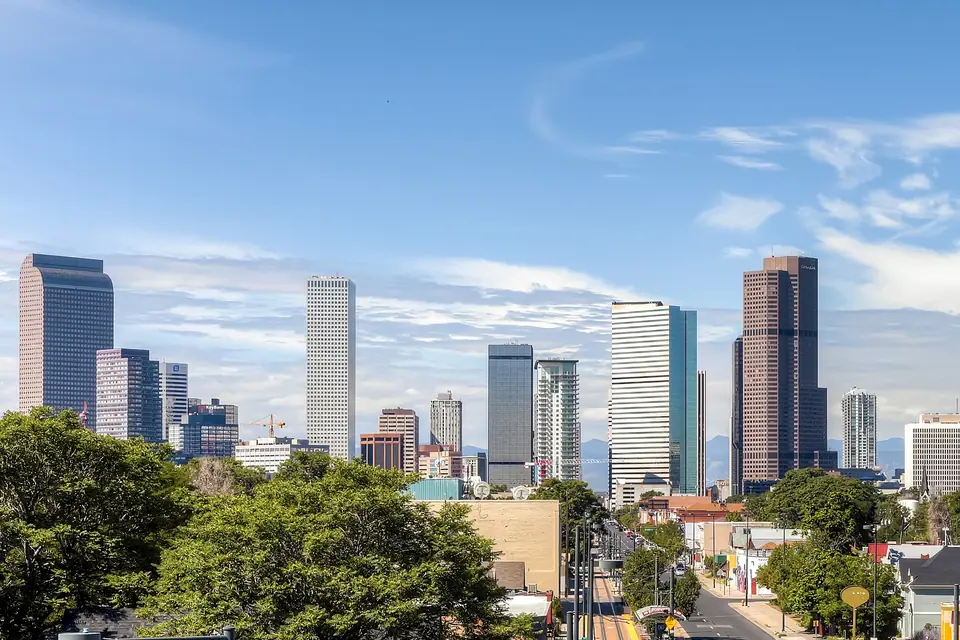
Just 10 minutes from downtown Denver, the Rocky Mountain Arsenal National Wildlife Refuge provides a fully rehabilitated natural wonder. As one of the most fascinating ecological sites in the country, this protected space gives travellers a quiet sanctuary for wildlife observation. Visitors can view native prairie species against the dramatic silhouette of distant downtown skyscrapers.

High Alpine Scenic Roads and National Parks
The Southern Rocky Mountains rise immediately west of the city limits, inviting travellers into dramatic high-altitude terrain. Drivers can ascend the Mount Blue Sky Scenic Byway, officially recognised as the highest paved road in North America. This remarkable route climbs to the top of one of 54 peaks in Colorado that soar to 14,000 feet and above.
Travelling up the byway takes visitors through distinct climatic zones, ranging from montane forests to fragile alpine tundra. Rocky outcroppings and glacial valleys offer sweeping views that stretch across the continental divide. Planning a drive up this route offers an unforgettable glimpse of high-altitude Colorado geography.
Further north, Rocky Mountain National Park spans over 415 square miles, covering 265,807 acres in northern Colorado. The park offers camping for both tents and RVs, allowing guests to stay immersed in wilderness settings. Its official Information Office remains open year-round to assist visitors with weather forecasts and trail advice.
Visiting between September and early November provides an exceptional opportunity to view changing fall foliage across the valleys. Golden aspens stand out against dark evergreen forests during this autumn window. Travellers can base themselves in Denver while venturing out on these rewarding alpine day excursions.
Brewery Culture and Creative Annual Festivals
Denver has more breweries than any other U.S. city, anchoring an internationally known beer heritage. The city features the largest single-site brewery in the world, as well as specialty microbreweries scattered across industrial and residential quarters. Travellers can take behind-the-scenes brewery tours to learn how local ingredients produce innovative stouts, lagers, and hoppy ales.
The local beer scene reflects historic roots as a supply hub for mining camps and railway pioneers. Modern taprooms frequently anchor revitalised warehouse districts, serving as relaxed social centres for visitors and neighbourhood residents alike. Sampling regional craft beer is an engaging way to understand Denver's contemporary social landscape.
Denver's event calendar remains packed with creative gatherings that showcase the city's artistic pulse and community spirit. Outdoor lovers congregate every May for Outside Days, which features live music, adventure films, thought-provoking speakers, immersive experiences, and the latest outdoor gear. The festival highlights the region's deep connection to wilderness exploration and mountain sports.
Throughout the warmer months, major cultural staples draw crowds from across the western states. Signature events include the Denver Jazz Fest, high-spirited summer festivities for Cinco de Mayo, and the long-running Cherry Creek Arts Festival. These recurring celebrations bring musicians, visual artists, and local food vendors into the city's shared public spaces.
Where it is
- 1Denver
- Denver International Airport (DEN) · about 30 km from Denver in a straight line
- Directions in Google Maps
Stations and taxi ranks: OpenStreetMap. Airports: OurAirports. Distances are in a straight line.
Traveller tips
Real advice from people who have been to Denver. Every tip is read by our team before it goes live.
No tips yet. Been here? Yours could be the first.
Thank you! Your tip will appear here after a quick review.
More in Denver
Continue exploring Denver with related neighbourhood, food, and planning guides