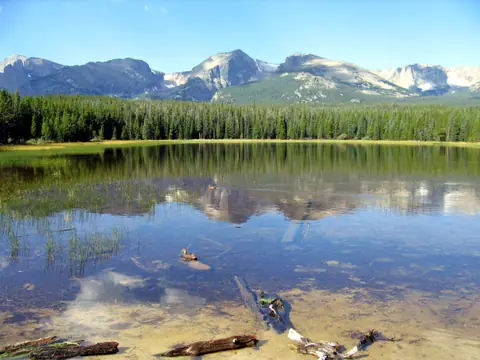
Photo: Jeffrey Beall · CC BY 3.0
What to Wear in Denver
Pack flexible layers, sturdy footwear, and strong sun protection to handle Denver's intense mountain light and rapid temperature swings.
When deciding what to wear in Denver, pack adaptable clothing layers, robust walking shoes, and dependable sun protection to handle dramatic weather swings and mountain light.
Denver features 300-plus days of sunshine and natural beauty, but its elevated inland location produces swift atmospheric changes. Warm mornings under cloudless skies can yield to brisk winds by late afternoon. Travellers frequently move between historic avenues and high-altitude day excursions. Denver has more winter sports stores and skiers per capita than any city in America. That high level of retail competition keeps outdoor gear prices lower than in resort valleys, establishing a casual, performance-driven urban aesthetic.
Because the regional atmosphere is dry and elevation is significant, dressing properly directly influences physical comfort. You do not need formal garments for dining rooms or cultural landmarks. Local style centres on well-fitted trousers, technical fleece jumpers, and quality shells. If you are preparing an itinerary across multiple neighbourhoods, consult our Denver Travel Guide: What to Know Before You Go.
Seasonal City Dressing for Urban Parks and Street Markets
The municipal network incorporates over 250 urban parks, about 850 miles of bike trails, and nearly 20,000 acres of open urban and mountain parkland. Exploring these expansive green spaces demands breathable, comfortable garments that resist friction and sudden breezes. A compact day bag containing a windproof or waterproof jacket ensures you stay comfortable as clouds roll across the plains.
Spring and summer city walks benefit from lightweight, light-coloured tops that reflect strong solar radiation. Outside Days is held every May, presenting outdoor gear, adventure films, live music, and guest speakers. Late spring brings mild conditions, but mountain snowmelt can generate damp breezes across urban districts. Keep a lightweight waterproof shell handy for sudden afternoon cloudbursts.
Autumn brings crisp, dry air that cools rapidly once the sun slips behind the Front Range. Beginning Thanksgiving weekend, downtown Denver's holiday lights walking tour begins, encouraging visitors to admire illuminated avenues after dark. You will want an insulated puffy jacket, a cosy scarf, and gloves for navigating city pavements in the evening. Denver is the world's largest après ski town, where casual clothing like denim and technical sweaters is standard attire in local eateries.
Winter brings sharp cold mixed with bright sunlight. Taking place every January at the National Western Complex, the National Western Stock Show welcomes crowds in sturdy boots, tough denim, and wool coats. Outdoor celebrations also flourish throughout the festive season. Visitors can shop for artisan gifts and foods at the Denver Christkindlmarket at Tivoli Quad on Auraria Campus. Snow Days at the Children's Museum of Denver at Marsico includes an ice rink, sledding on real snow, and fireside seating. Warm mittens keep hands protected during these family winter outings. At Chatfield Farms, all lights used in the Trail of Lights event are LED for sustainability.
Layering Strategies for Mountain Excursions and Alpine Day Trips
Venturing beyond metropolitan borders exposes travellers to sudden shifts in terrain and elevation. Weather and conditions can change quickly in the mountains, so your clothing must adapt instantly. Even in the middle of summer, temperatures can drop in high elevation areas. Dress in layers to help insulate your body against these rapid thermal drops. To plan your excursions, check our Best Day Trips From Denver.
A well-prepared day pack must hold multiple garments to protect against cold exposure. You should pack multiple types of jackets including a wind or rain jacket, fleece layer, and a waterproof winter jacket shell or an insulated puffy jacket. Wear a windproof or waterproof jacket to stop biting gusts from penetrating your core. From October through late May, be prepared for snow and winter conditions in high elevation areas.
Cold-weather mountain excursions require comprehensive peripheral protection. Hikers and drivers should wear mittens or gloves and pull on a protective neck gaiter. Wear glasses or goggles to help protect your eyes from intense ultraviolet rays reflected off white snowbanks. For backcountry routes, make sure you are properly equipped for the worst-case scenario with items such as a map, compass, GPS, and telecommunication equipment. Ensure your insurance covers mountain rescue, helicopter costs, and repatriation for dangerous sports like skiing, mountaineering, or climbing.
Drivers and skiers heading westward experience extreme climate shifts within an hour. Loveland Ski Area sits on I-70, roughly 53 miles west of Denver, and receives roughly 400 inches of seasonal snowfall each year. Travellers lacking cold-weather equipment can take advantage of Daytripper packages at Loveland, which include lift tickets, equipment, and clothing rentals. In the city itself, REI is one of the largest sporting goods stores in the nation with winter clothing and gear. Travellers can also visit Central City and Black Hawk, situated 34 miles west of Denver. In those two mountain towns, more than 30 casinos provide indoor entertainment away from harsh weather.
Summer scenic drives also demand thermal preparation. Constructed as the continent's highest paved thoroughfare, the Mount Blue Sky Scenic Byway climbs to the top of a peak exceeding 14,000 feet. Temperatures at the summit platform can feel freezing even when the city swelters in summer heat, making an insulated puffy jacket vital.

Footwear Requirements for Diverse Trails and Rocky Formations
Walking surfaces in and around Denver range from polished concrete pavements to jagged sandstone, loose gravel, and muddy mountain paths. Choosing the right shoes prevents fatigue, sprains, and blisters across diverse elevations. The route to Chief Mountain summit requires 1,000 to 3,000 feet of elevation gain. For that climb, hikers must wear sturdy hiking boots and carry plenty of water.
Footwear rules apply equally to scenic reserves near the city perimeter. Red Rocks Amphitheatre is owned and operated by municipal authorities. Visitors exploring the grounds often take on the Trading Post Loop Hiking Trail. This 1.4-mile adventure loops through remarkable rock formations, valleys, and open meadows, where flat urban shoes struggle on loose dirt. At Dinosaur Ridge, hikers encounter Cretaceous dinosaur footprints near Jurassic dinosaur bones discovered in 1877. Navigating these rocky ledges demands supportive soles with deep rubber tread.
Seasonal transitions alter trail surfaces dramatically throughout the year. Late spring hiking may involve muddy trails as snow melts across the foothills. Water-resistant hiking boots with ankle stability keep your socks dry during these wet months. Winter hiking at higher elevations may require traction devices or snowshoes over insulated boots. Shaded mountain trails frequently retain dangerous packed ice.
Attire Regulations and Etiquette at Gardens, Zoos, and Venues
Denver cultural attractions maintain specific dress codes and conduct policies to keep visitors safe and comfortable. Proper attire, including shoes and shirts, must be worn at all times at the zoo. Bare feet or swimwear are strictly barred, and sturdy walking shoes prove essential for covering the zoo's vast outdoor pathways.
Denver Botanic Gardens enforces clear guidelines across its grounds. Costume masks that obscure the entire face are not permitted for guests over 17 years of age. The Gardens is a non-smoking facility by city ordinance, which includes e-cigarettes and vaporizers. No pets are allowed at the York Street gardens, though service dogs and animals are permitted. Seating across the lawns is limited, so visitors are advised to bring a blanket for a picnic.
Your attire should also reflect the time you plan to spend exploring the botanical collections. A quick walk through the main loop takes 45 to 60 minutes. Most visitors opt for a casual visit of 1.5 to 2 hours. This duration allows people to tour outdoor beds and humid indoor conservatories comfortably. An in-depth visit takes 3 or more hours, covering art galleries in the Freyer-Newman Center or the seasonal Mordecai Children's Garden. Children under the age of 16 must be accompanied by an adult. Dressing in removable layers makes moving between warm indoor glasshouses and brisk outdoor gardens seamless.
Finally, keep identification and age regulations in mind when dressing for evening dining or cultural events. The national legal age for purchasing and consuming alcohol throughout the US is 21. Always carry your passport to show you have permission to enter or remain in the United States, keeping it secure inside an inner jacket pocket.
Where it is
- 1Denver
- Denver International Airport (DEN) · about 30 km from Denver in a straight line
- Directions in Google Maps
Stations and taxi ranks: OpenStreetMap. Airports: OurAirports. Distances are in a straight line.
Traveller tips
Real advice from people who have been to Denver. Every tip is read by our team before it goes live.
No tips yet. Been here? Yours could be the first.
Thank you! Your tip will appear here after a quick review.
More in Denver
Continue exploring Denver with related neighbourhood, food, and planning guides