Djibouti City
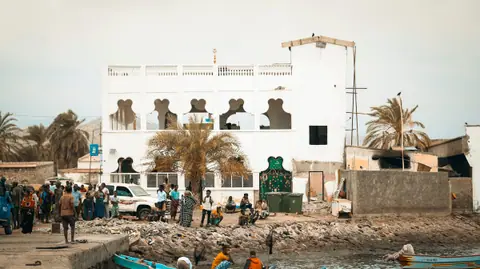
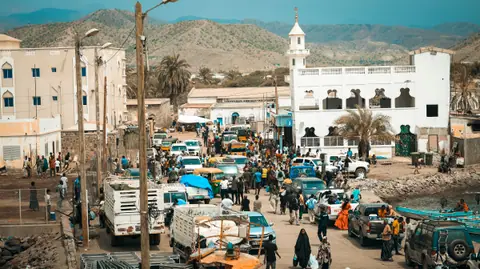
Whitewashed coral-stone arcades on Place Ménélik, the Ottoman-style minaret of Hamoudi Mosque, whale sharks in the Gulf of Tadjoura and the blinding salt crust of Lake Assal.
Quick decisions
How many days?
3 days: Place Ménélik, Hamoudi Mosque and Khor Ambado on day one, a boat trip to Moucha and Maskali Islands (or whale shark snorkelling in winter) on day two, and Lake Assal and the Goubet on day three. Follow our three-day route.
Where should I stay?
Plateau du Serpent & Héron: breezy coastal peninsulas with diplomatic villas and sea views. Place Ménélik (European Quarter): walkable arcades and cafés. Compare areas in where to stay in Djibouti City.
Do I need a car?
A 4x4 with driver for geological day trips. The historic arcades around Place Ménélik and Place Mahmoud Harbi are walkable, while reaching Khor Ambado beach or Lake Assal requires a 4x4.
Best for
Marine life lovers: snorkelling alongside juvenile whale sharks between October and February. Earth science fans: standing 155 metres below sea level on the salt flats of Lake Assal. Crossroads culture: Afar, Somali, Arab and French heritage.
Before you go
Arrange your e-visa and respect the midday heat: Djibouti's currency is pegged to the US dollar, and summer temperatures from June to August are extreme, making October to April the prime season. Read our practical briefing.
Getting around
From Ambouli International Airport (JIB): located just 6 kilometres south of the centre, with electric rail links from Addis Ababa arriving at Nagad Station. Details in arrival and transport.
Continue your trip
Passenger ferries and speedboats cross the Gulf of Tadjoura to the whitewashed town of Tadjoura and the mountain cedar forest of Day Forest National Park, while the electric railway climbs inland to Dire Dawa and Addis Ababa.
Overview
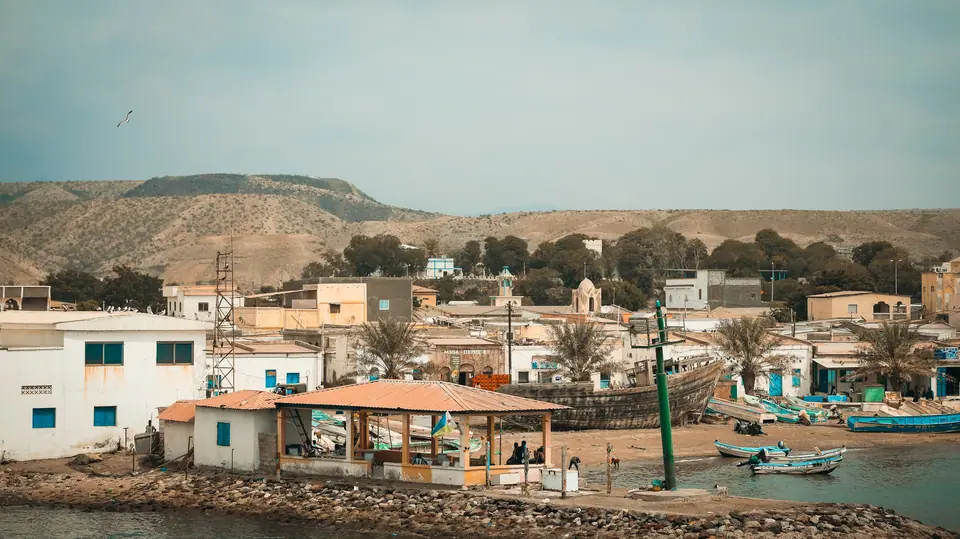
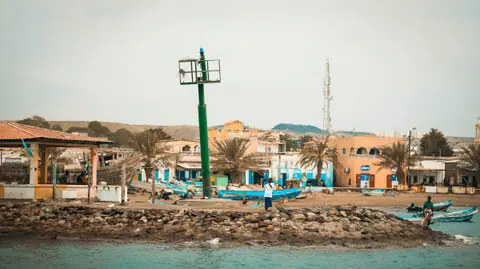
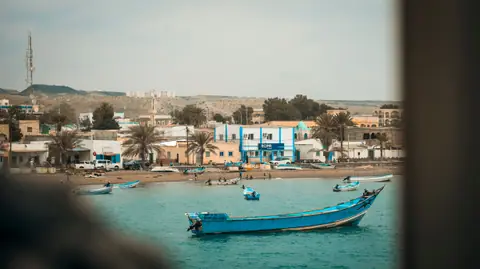
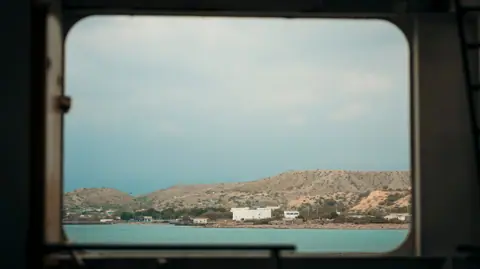
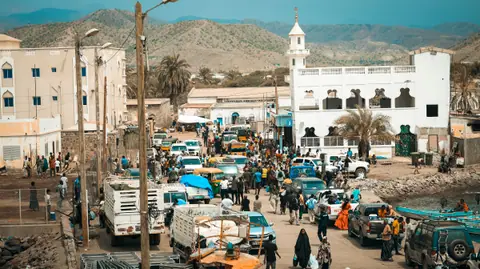
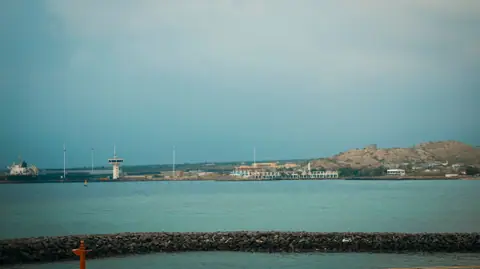
Jutting out into the southern entrance of the Red Sea where the Gulf of Tadjoura meets the Bab-el-Mandeb Strait, Djibouti City is a sun-bleached maritime crossroads shaped by Afar and Issa Somali traditions, Yemeni merchant links and decades as the port of French Somaliland. Around Place Ménélik and Place Mahmoud Harbi, arcaded coral-rag townhouses and open-air terraces give way to spice-scented alleys and the carved stone minaret of the 1906 Hamoudi Mosque.
Beyond the port cranes, the capital is the springboard for two of East Africa's most extraordinary natural phenomena: snorkelling with planktivorous whale sharks and diving Moucha Island reefs in the Gulf of Tadjoura, and driving down into the tectonic rift to Lake Assal, the lowest land point on the African continent.
Getting there
Djibouti-Ambouli International Airport (JIB) sits only 6 kilometres south of the central peninsula, receiving non-stop flights from Paris, Istanbul, Dubai, Doha, Addis Ababa, Nairobi and Cairo. Overland travellers can also ride the standard-gauge electric railway between Addis Ababa, Dire Dawa and Djibouti's Nagad Station. See getting to Djibouti City and around the coast.
Where to stay
The historic core of Djibouti City occupies a series of flat coral peninsulas extending north into the gulf. Staying near Place Ménélik puts cafés and restaurants on your doorstep, while the breezy seafront promontories of Plateau du Serpent, Plateau du Marabout and Héron offer resort pools and quieter nights. Compare options in where to stay in Djibouti City.
Things to do
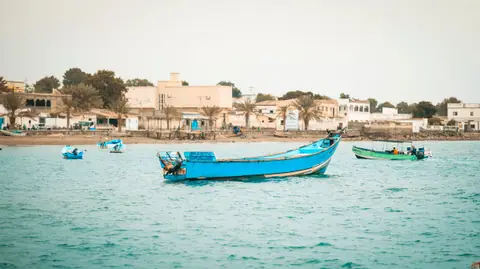
Wander the whitewashed colonnades of Place Ménélik, the Hamoudi Mosque and Marché Central, take a morning boat from Doraleh or the fishing port to Moucha and Maskali Islands or Khor Ambado beach, and journey west past lava fields to the turquoise waters and salt icebergs of Lake Assal. See the full list in things to do in Djibouti City.
Food and drink
Djiboutian tables blend Horn of Africa spices, Yemeni charcoal-roasting techniques and French bakery habits: whole red snapper or kingfish baked split-open in clay-oven mukbaza style with sweet banana-date paste, fragrant fah-fah goat soup with coriander, lacy fermented lahoh pancakes, and crisp baguettes, all detailed in our Red Sea food and islands overview.
Culture
Founded as a port in 1888 and made capital of French Somaliland in 1896 as the terminus of the imperial railway to Ethiopia, Djibouti City sits at the triple junction of the African, Arabian and Somali tectonic plates. In the late afternoon when the sea breeze rises, the city pauses for cardamom-spiced tea and lively conversation under the arcades.
Weather by month
Djibouti City is warmest in July, with average highs around 42°C, and coldest in January, when nights drop to about 22°C. November is the wettest month, with rain on about 2 days.
| Month | Low | Range | High | Rain | Rainy days |
|---|---|---|---|---|---|
| Jan | 22°C | 29°C | 12 mm | 2 d | |
| Feb | 23°C | 29°C | 14 mm | 2 d | |
| Mar | 24°C | 31°C | 18 mm | 2 d | |
| Apr | 26°C | 33°C | 22 mm | 2 d | |
| May | 28°C | 36°C | 9 mm | 1 d | |
| Jun | 30°C | 41°C | 1 mm | 0 d | |
| Jul | 31°C | 42°C | 6 mm | 1 d | |
| Aug | 30°C | 41°C | 11 mm | 1 d | |
| Sep | 29°C | 37°C | 8 mm | 1 d | |
| Oct | 26°C | 33°C | 20 mm | 2 d | |
| Nov | 24°C | 31°C | 24 mm | 2 d | |
| Dec | 23°C | 29°C | 15 mm | 2 d |
Averages of daily values from 2015 to 2024. Rainy days are days with at least 1 mm of rain. Source: Open-Meteo · Compare destinations by month.
Djibouti City on the map
Every place we cover in Djibouti City. Tap a category or pin to explore.
In-depth Djibouti City guides
Browse the guides grouped by topic: sights, neighbourhoods, food, transport, day trips and trip planning.
Sights, Landmarks & Parks
Key monuments, viewpoints, museums and nature trails.
- Best Things to Do in Djibouti CityWhitewashed colonial squares, Red Sea coral islands, whale shark snorkelling and the salt plains of Lake Assal.
- Place Ménélik, Hamoudi Mosque and the Historic QuartersExploring the colonial arcades of Place Ménélik, the Ottoman-inspired Hamoudi Mosque and the African Quarter.
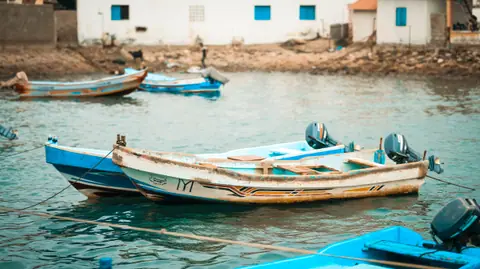
- Whale Sharks, Moucha Island, Khor Ambado and Red Sea FoodWinter whale shark encounters, Moucha Island coral reefs, Khor Ambado bay and Yemeni-Djiboutian seafood.
Neighbourhoods & Where to Stay
Districts, historic quarters and the best bases for your stay.
Getting Around & Arrival
Airport transfers, public transit, passes and driving rules.
Day Trips & Excursions
Easy half-day and full-day trips from the city.
Trip Planning & Itineraries
When to visit, what to pack and day-by-day routes.
- Djibouti City: What to Know Before You GoCurrency pegged to the US dollar, strict photography rules around ports and military bases, and the daily rhythm.
- Best Time to Visit Djibouti CityPleasant 29°C winter days and whale shark season from November to February versus extreme summer heat.
- What to Wear in Djibouti CityLoose natural fabrics for coastal heat, reef-safe UV swim shirts and sturdy soles for sharp salt flats.
- Djibouti City 3-Day Itinerary: Old Quarters, Islands and Lake AssalThree days combining the historic coral arcades of Djibouti City, Gulf of Tadjoura marine life and Lake Assal.
Need your embassy or consulate in Djibouti? See embassies and consulates in Djibouti.
Reviews
Log in to write a review.
No reviews yet.