Best Time to Visit Gaborone
Dry, crisp Kalahari winters for hiking and wildlife versus hot summer afternoons and dramatic thunderstorms.
Perched at roughly 1,000 metres on the south-eastern rim of the Kalahari basin, Gaborone has a semi-arid subtropical climate with over three hundred sunny days a year. For comfortable hiking temperatures on Kgale Hill, clear views and easy wildlife spotting around waterholes, the prime window is May to August, along with the shoulder months of April and September.
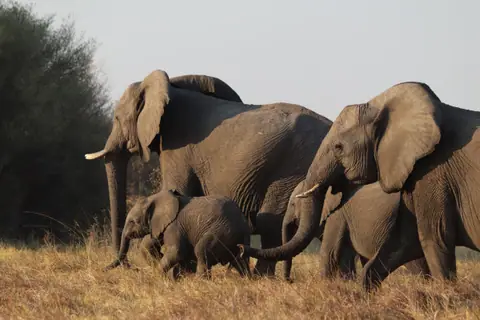
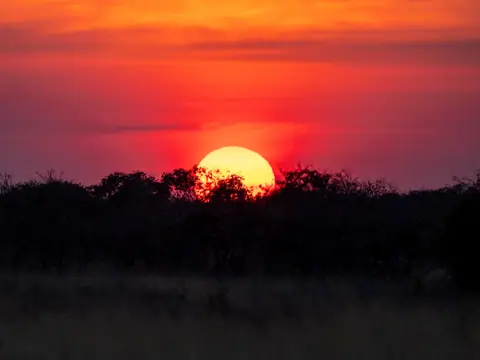
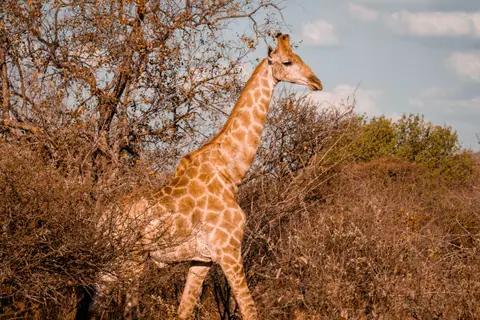
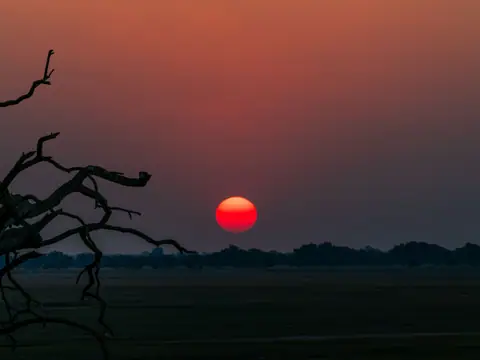
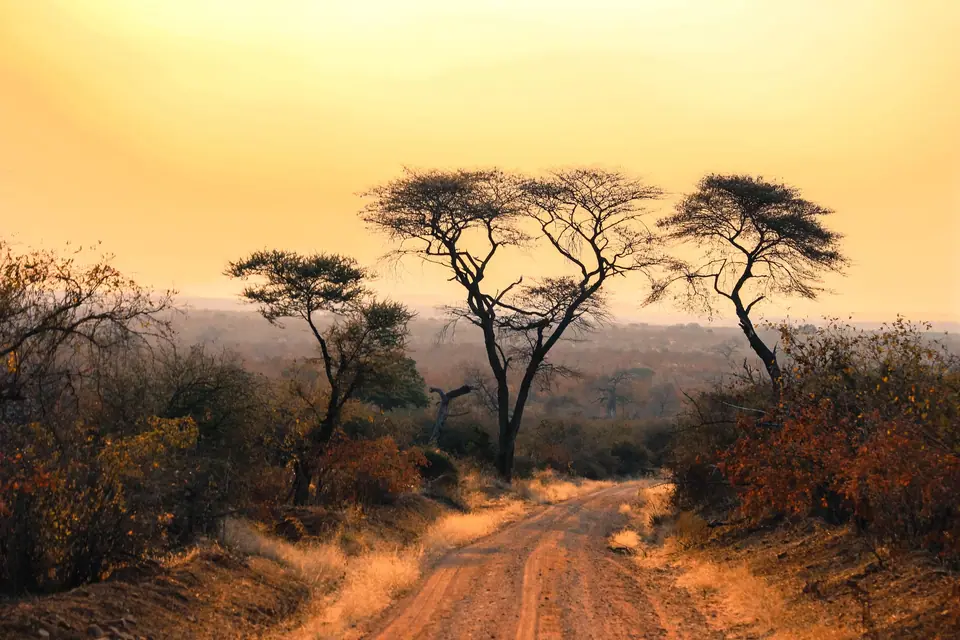
Cool Dry Winter (May to August) is the most pleasant season to explore the capital on foot. Rain is virtually absent for months at a time, skies stay a deep cobalt blue, and daytime highs hover around a mild 22°C to 25°C. Because the bushveld thins out and seasonal pools dry up, impala, kudu, zebra and white rhino congregate reliably around permanent waterholes in Gaborone Game Reserve and Mokolodi. Do not underestimate the diurnal temperature swing: once the sun drops over the Kalahari in June and July, clear desert-edge nights fall rapidly to 5°C or 6°C, and early mornings can bring a light frost in low-lying valleys.
Shoulder Seasons (April and September) bridge the gap between winter chill and summer heat. In April, the landscape is still lush and green from the late summer rains while humidity drops and daytime highs settle around 26°C to 27°C. September warms quickly toward 30°C with crisp, dry air and flowering aloes across the National Botanical Garden, culminated by festive Botswana Day celebrations on 30 September when blue, black and white national flags drape the Main Mall and Three Dikgosi Monument.
Hot Late Dry Season (October) is the hottest month of the year before the rains break. Afternoon temperatures regularly climb to 32°C to 36°C under fierce sun; if you visit in October, restrict walks up Kgale Hill or through the Main Mall to early morning and use air-conditioned cafes or hotel pools through midday.
Green Summer Rainy Season (November to March) brings hot mornings (30°C to 32°C) followed by dramatic late-afternoon cumulonimbus clouds and short, refreshing thunderstorms that turn the thornveld emerald green and attract migratory woodland birds. Check what to wear in Gaborone before packing.
Traveller tips
Real advice from people who have been to Best Time to Visit Gaborone. Every tip is read by our team before it goes live.
No tips yet. Been here? Yours could be the first.
Thank you! Your tip will appear here after a quick review.
More in Gaborone
Continue exploring Gaborone with related neighbourhood, food, and planning guides