Gaborone
Bronze statues of the Three Dikgosi in the modern Central Business District, granite ridge views from Kgale Hill, white rhino tracking at Mokolodi Nature Reserve and slow-pounded seswaa beef.
Quick decisions
How many days?
3 days: the Three Dikgosi Monument, Main Mall and National Museum on day one, a sunrise climb up Kgale Hill and Gaborone Game Reserve on day two, plus Mokolodi Nature Reserve or Oodi Weavers on day three. Follow our three-day route.
Where should I stay?
Central Business District (CBD): modern high-rise hotels near the Three Dikgosi Monument. Village and Extension 9: leafy diplomatic streets near the museum. Gaborone Dam or Mokolodi: bush lodges south of town. Compare areas in our neighbourhood breakdown.
Do I need a car?
Helpful. Gaborone is spread across low-density residential extensions and shopping malls connected by wide avenues; a hire car or metered taxi is far easier for reaching Kgale Hill, Mokolodi and Oodi than relying on shared combis alone.
Best for
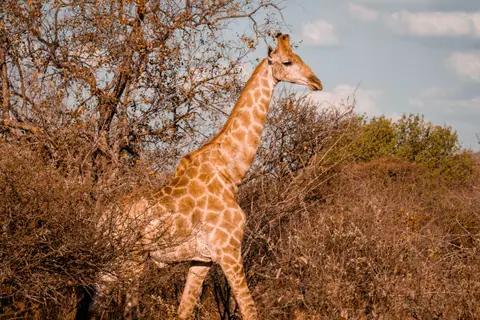
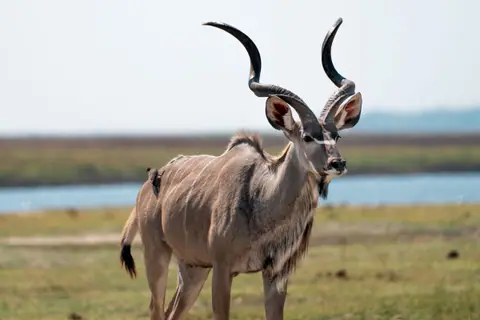
Urban wildlife: spotting zebra, kudu and giraffe within city limits and tracking white rhino just south of town. Hikers: granite boulder scrambles up Kgale Hill. Culture and craft: woven tapestries at Oodi and post-independence history.
Before you go
Book Mokolodi activities ahead: guided rhino tracking and bush drives south of the capital have small group limits. Carry small Pula notes for markets and taxis. Read our practical briefing.
Getting around
From Sir Seretse Khama International Airport (GBE): the terminal sits 15 kilometres north of the Central Business District; hotel shuttles, car hire desks and official airport taxis reach central hotels in around twenty minutes. Details in arrival and transport.
Continue your trip
Domestic flights from Gaborone connect north to Maun for the Okavango Delta and Kasane for Chobe River safaris, while paved highways run south to South Africa and north along the eastern rail corridor to Francistown.
Overview
Built from scratch on the edge of the Kalahari in the mid-1960s when Botswana prepared for independence, Gaborone is one of southern Africa's youngest and calmest capitals. Rather than radiating from a dense colonial fort, the city unfolds between the granite ridge of Kgale Hill and the Notwane River in a patchwork of tree-lined residential extensions, open-air malls and modern glass towers anchored by the Three Dikgosi Monument.
Although many travellers rush straight to the northern delta, spending a few days in the capital reveals how modern Botswana lives, works and eats. Start with our first-timer briefing and Setswana cooking and Oodi craft.
Getting there
Sir Seretse Khama International Airport (GBE) lies 15 kilometres north of the Central Business District with direct flights from Johannesburg, Addis Ababa and northern safari hubs Maun and Kasane. Overland travellers also enter via the Tlokweng, Pioneer Gate and Ramotswa road borders from South Africa. See how to get to Gaborone.
Where to stay
Staying in the Central Business District around Masa Centre puts restaurants, banks and the Three Dikgosi Monument within walking distance, whereas leafy diplomatic pockets near the Village or bush chalets around Mokolodi offer quieter gardens and birdsong. We compare the main areas in where to stay in Gaborone.
Things to do
Pay respects to the bronze chiefs at the Three Dikgosi Monument and Main Mall, scramble up the granite boulders of Kgale Hill before watching kudu and impala in Gaborone Game Reserve, track white rhino at Mokolodi Nature Reserve, and watch hand-spun wool tapestries come off the looms in Oodi village. Browse the complete list in things to do in Gaborone.
Food and drink
Setswana home cooking centres on slow-simmered, hand-pounded beef or goat known as seswaa, paired with sorghum porridge (bogobe), maize meal (pap), tangy morogo wild greens and free-range village chicken (koko ya Setswana). Read where to try traditional dishes and braai plates in our food and craft overview.
Culture
Named after Chief Gaborone of the Batlokwa people, who settled across the Notwane River in Tlokweng during the 1880s, the capital was chosen in 1965 to replace extraterritorial Mafeking because it had fresh dam water, a station on the railway line and land owned by the state rather than any single dominant tribe. The national motto, Pula (meaning rain, blessing and welcome), is also the name of the national currency.
Weather by month
Gaborone is warmest in October, with average highs around 31°C, and coldest in July, when nights drop to about 5°C. January is the wettest month, with rain on about 8 days. For mild weather with fewer rainy days, aim for April, May, June, July and August.
| Month | Low | Range | High | Rain | Rainy days |
|---|---|---|---|---|---|
| Jan | 19°C | 31°C | 88 mm | 8 d | |
| Feb | 19°C | 30°C | 76 mm | 7 d | |
| Mar | 17°C | 29°C | 58 mm | 6 d | |
| Apr | 13°C | 26°C | 36 mm | 4 d | |
| May | 8°C | 24°C | 10 mm | 1 d | |
| Jun | 5°C | 21°C | 4 mm | 1 d | |
| Jul | 5°C | 21°C | 2 mm | 0 d | |
| Aug | 8°C | 25°C | 3 mm | 1 d | |
| Sep | 13°C | 29°C | 12 mm | 1 d | |
| Oct | 17°C | 31°C | 38 mm | 4 d | |
| Nov | 18°C | 31°C | 64 mm | 6 d | |
| Dec | 19°C | 31°C | 82 mm | 8 d |
Averages of daily values from 2015 to 2024. Rainy days are days with at least 1 mm of rain. Source: Open-Meteo · Compare destinations by month.
Gaborone on the map
Every place we cover in Gaborone. Tap a category or pin to explore.
In-depth Gaborone guides
Browse the guides grouped by topic: sights, neighbourhoods, food, transport, day trips and trip planning.
Sights, Landmarks & Parks
Key monuments, viewpoints, museums and nature trails.
- Best Things to Do in GaboroneBronze founding chiefs, granite hilltop views, urban game reserves, rhino tracking and Setswana craft.
- Three Dikgosi Monument, the CBD, Main Mall and MuseumsTracing Botswana's independence story from the bronze Three Dikgosi statues to the Main Mall and Old Village.
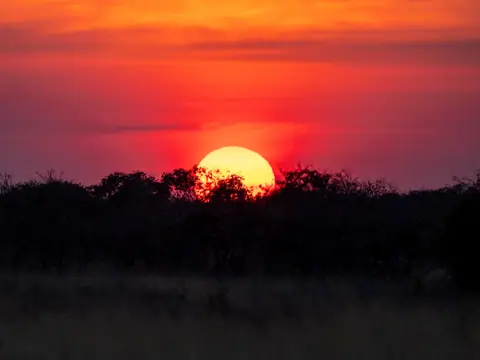
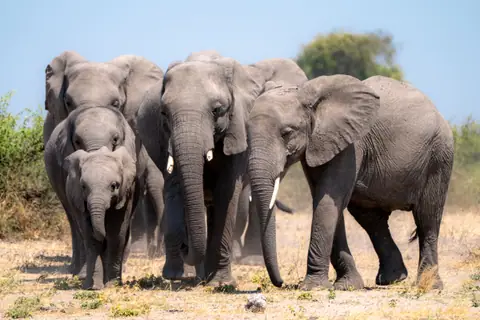
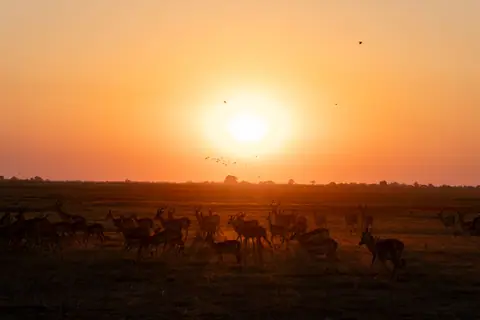
- Kgale Hill, Gaborone Game Reserve and Mokolodi WildlifeSunrise scrambles up Kgale Hill, urban plains game in Gaborone Game Reserve and white rhinos at Mokolodi.
Neighbourhoods & Where to Stay
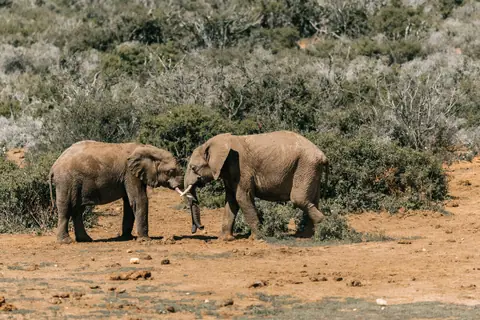
Districts, historic quarters and the best bases for your stay.
Getting Around & Arrival
Airport transfers, public transit, passes and driving rules.
Day Trips & Excursions
Easy half-day and full-day trips from the city.
Trip Planning & Itineraries
When to visit, what to pack and day-by-day routes.
- Gaborone: What to Know Before You GoUnderstanding Gaborone's polycentric mall layout, Pula payments, wildlife bookings and Setswana greetings.
- Best Time to Visit GaboroneDry, crisp Kalahari winters for hiking and wildlife versus hot summer afternoons and dramatic thunderstorms.
- What to Wear in GaboroneGrippy footwear for granite hills, neutral layers for game reserves and warm fleeces for crisp winter nights.
- Gaborone 3-Day Itinerary: Monuments, Kgale Hill and RhinosThree unhurried days combining civic monuments, Setswana cooking, granite hill views and white rhino tracking.
Need your embassy or consulate in Botswana? See embassies and consulates in Botswana.
Reviews
Log in to write a review.
No reviews yet.