Harare
Purple jacaranda avenues at 1,490 metres on the Highveld plateau, world-renowned Shona stone sculpture at the National Gallery and Chapungu Park, ancient Epworth Balancing Rocks and granite sunset domes at Domboshava.
Quick decisions
How many days?
3 days: Harare Gardens, the National Gallery and Chapungu Sculpture Park on day one, Epworth Balancing Rocks and Mukuvisi Woodlands on day two, plus Domboshava granite caves and Avondale markets on day three. Follow our three-day route.
Where should I stay?
Avondale and Belgravia: central, leafy and close to cafes and galleries. Borrowdale and Sam Levy's Village: northern garden hotels and dining plazas. Highlands and Newlands: quiet diplomatic avenues. Compare areas in our neighbourhood breakdown.
Do I need a car?
Yes, or a hired driver. Harare's suburbs, sculpture parks and surrounding granite kopjes are spread out across wide tree-lined avenues; a hire car or pre-booked local driver-guide is by far the smoothest way to connect sights.
Best for
Contemporary African art: museum-grade Shona serpentine and springstone sculpture. Geology and hikers: balancing granite tors and prehistoric rock-art domes. Highveld climate: sunny, spring-like days and blossom-filled avenues.
Before you go
Carry clean, small-denomination US dollar bills: crisp post-2013 notes in ones, fives and tens are essential for daily change alongside cards. Book Wild Is Life well ahead. Read our practical briefing.
Getting around
From Robert Gabriel Mugabe International Airport (HRE): the expanded terminal sits 15 kilometres south-east of central Harare; pre-arranged lodge transfers and official airport taxis reach Avondale or Borrowdale in 25 to 35 minutes. Details in arrival and transport.
Continue your trip
Domestic flights and highways from Harare connect north to Mana Pools on the Zambezi River, south to the dry-stone ruins of Great Zimbabwe near Masvingo, east to the Nyanga Highlands and west to Victoria Falls.
Overview
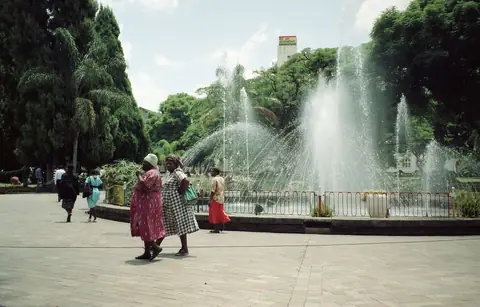
Set at nearly 1,500 metres on Zimbabwe's central Highveld plateau, Harare earns its moniker as the Sunshine City through crisp highland air and avenues shaded by purple jacarandas, scarlet flamboyants and golden cassias. Beneath its quiet garden suburbs lies one of southern Africa's richest artistic movements: for more than six decades, sculptors working in opal stone, cobalt serpentine and black springstone have made the National Gallery of Zimbabwe and Chapungu Sculpture Park international touchstones for contemporary African sculpture.
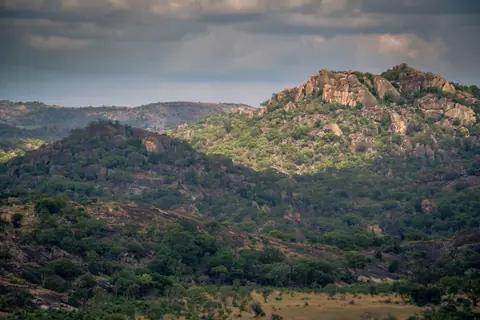
Beyond the galleries, ancient granite formations rise directly out of the plateau at Epworth Balancing Rocks and the painted caves of Domboshava. Start with our first-timer briefing and sadza dining and Avondale craft markets.
Getting there
Robert Gabriel Mugabe International Airport (HRE) lies 15 kilometres south-east of central Harare, receiving direct flights from Johannesburg, Addis Ababa, Lusaka, Nairobi, Dubai and Doha, alongside domestic links to Victoria Falls. Overland coaches and paved trunk highways also connect the capital with Lusaka, Bulawayo and Mutare. See how to get to Harare.
Where to stay
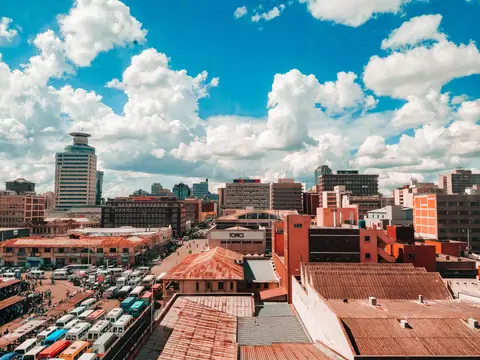
Most visitors prefer sleeping in the leafy northern suburbs of Avondale, Belgravia, Newlands, Highlands or Borrowdale rather than the downtown grid, trading post-office rush hours for jacaranda gardens, craft markets and evening bistros. We compare the main areas in where to stay in Harare.
Things to do
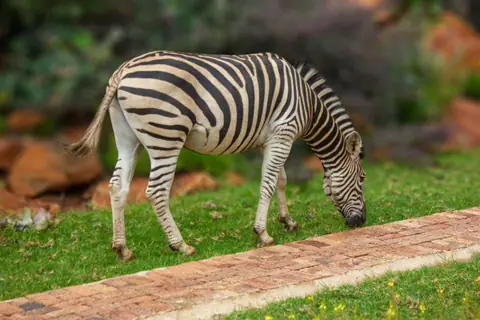
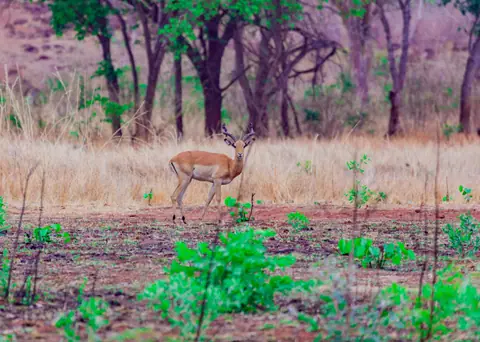
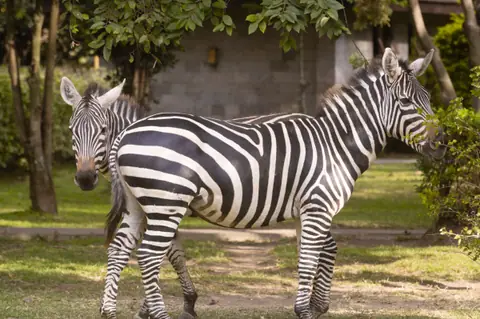
Examine masterworks of Shona stone carving at the National Gallery of Zimbabwe and Chapungu Sculpture Park, photograph the gravity-defying granite towers of Chiremba Balancing Rocks in Epworth and climb Domboshava at sunset, walk among giraffe and zebra in Mukuvisi Woodlands, and browse Avondale Flea Market. See the full list in things to do in Harare.
Food and drink
Zimbabwean meals revolve around sadza (thick white maize-meal or nutritious red finger-millet zviyo porridge) served with chargrilled beef or goat (nyama, often cooked at open-air gochi-gochi braai spots), rich peanut-butter greens (muboora or muriwo unedovi) and crispy dried kapenta fish from Lake Kariba. Read where to eat in our food and markets overview.
Culture
Founded as Fort Salisbury in 1890 and renamed Harare at independence in 1982 after the Shona chief Neharawa (whose people lived on the central granite Kopje), the capital is both the intellectual seat of Zimbabwe and the birthplace of the first-generation Shona sculpture movement championed in the 1950s and 1960s by Frank McEwen, Thomas Mukarobgwa, Nicholas Mukomberanwa and Joram Mariga.
Weather by month
Harare is warmest in October, with average highs around 29°C, and coldest in July, when nights drop to about 7°C. January is the wettest month, with rain on about 14 days. For mild weather with fewer rainy days, aim for May, June, July and August.
| Month | Low | Range | High | Rain | Rainy days |
|---|---|---|---|---|---|
| Jan | 16°C | 26°C | 188 mm | 14 d | |
| Feb | 16°C | 26°C | 156 mm | 12 d | |
| Mar | 15°C | 26°C | 98 mm | 9 d | |
| Apr | 13°C | 25°C | 38 mm | 4 d | |
| May | 10°C | 23°C | 8 mm | 1 d | |
| Jun | 7°C | 21°C | 2 mm | 0 d | |
| Jul | 7°C | 21°C | 1 mm | 0 d | |
| Aug | 9°C | 24°C | 2 mm | 0 d | |
| Sep | 12°C | 27°C | 6 mm | 1 d | |
| Oct | 15°C | 29°C | 32 mm | 3 d | |
| Nov | 16°C | 28°C | 96 mm | 9 d | |
| Dec | 16°C | 26°C | 178 mm | 14 d |
Averages of daily values from 2015 to 2024. Rainy days are days with at least 1 mm of rain. Source: Open-Meteo · Compare destinations by month.
Harare on the map
Every place we cover in Harare. Tap a category or pin to explore.
In-depth Harare guides
Browse the guides grouped by topic: sights, neighbourhoods, food, transport, day trips and trip planning.
Sights, Landmarks & Parks
Key monuments, viewpoints, museums and nature trails.
- Best Things to Do in HarareShona serpentine sculptures, gravity-defying granite rocks, painted caves, woodland walks and craft markets.
- National Gallery of Zimbabwe, Chapungu and Shona SculptureExploring Zimbabwe's world-renowned Shona stone carving tradition from the National Gallery to Chapungu Park.
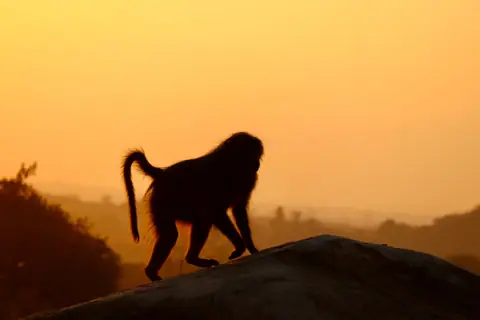
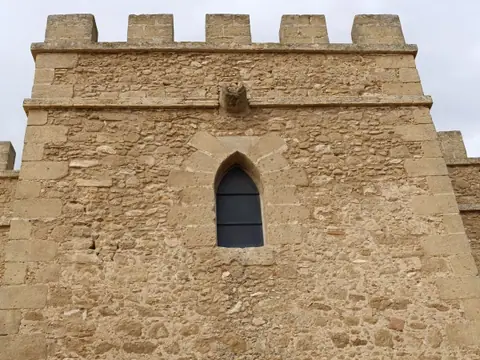
- Epworth Balancing Rocks, Domboshava and Mukuvisi WildlifeGravity-defying granite tors in Epworth, prehistoric rock art on Domboshava and wildlife in Mukuvisi.
Neighbourhoods & Where to Stay
Districts, historic quarters and the best bases for your stay.
Food & Drink
Local dishes, markets, cafés and dining districts.

Getting Around & Arrival
Airport transfers, public transit, passes and driving rules.
Trip Planning & Itineraries
When to visit, what to pack and day-by-day routes.
- Harare: What to Know Before You GoHow to handle cash notes and cards, navigate Harare's northern suburbs and book wildlife sanctuary visits.
- Best Time to Visit HarareSunny Highveld winters, the purple jacaranda blossom of September and October, and green summer afternoons.
- What to Wear in HarareRubber-soled shoes for smooth granite domes, warm winter evening layers and neat suburban dining attire.
- Harare 3-Day Itinerary: Shona Sculpture, Granite Domes and WildlifeThree days combining Harare's master stone sculptors, Epworth's balancing rocks and sunset on Domboshava.
Need your embassy or consulate in Zimbabwe? See embassies and consulates in Zimbabwe.
Reviews
Log in to write a review.
No reviews yet.