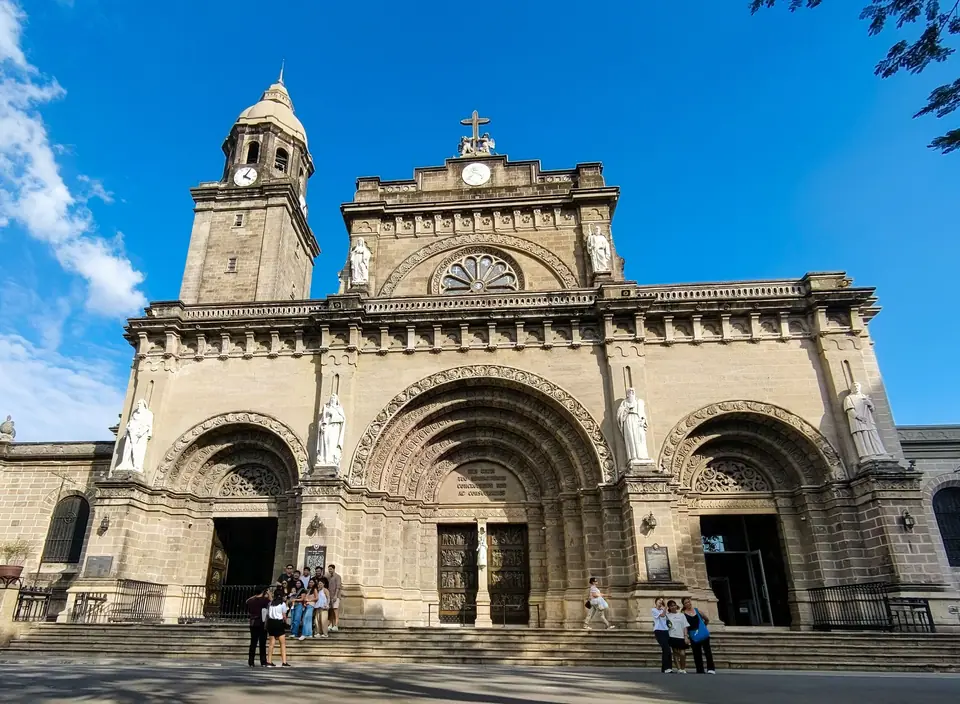
Rizal Park, the National Museum Complex and Binondo Chinatown
Exploring the free National Museums of Fine Arts, Anthropology and Natural History, plus Binondo.
Immediately south and north of walled Intramuros sit two of Manila's most rewarding experiences: the grand civic greensward of Rizal Park (Luneta) framed by the three neoclassical palaces of the National Museum of the Philippines, and historic Binondo across the Pasig River, founded in 1594 as the oldest Chinatown on earth.
The three free buildings of the National Museum Complex
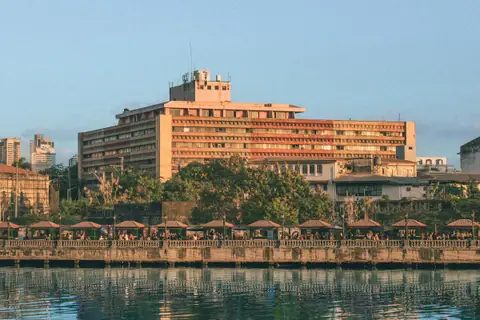
Designed originally under Daniel Burnham's 1905 City Beautiful plan for Manila and executed by Filipino architects Ralph Doane, Antonio Toledo and Juan Arellano, three former government buildings around the Agrifina Circle at the eastern end of Rizal Park now form a world-class museum campus (all three are free to enter, closed Mondays):
- National Museum of Fine Arts (former Old Legislative Building): start in the monumental main hall face-to-face with Juan Luna's four-by-seven-metre 1884 masterpiece Spoliarium, depicting fallen gladiators in Rome as an allegory of colonial rule, opposite Félix Resurrección Hidalgo's Las Virgenes Cristianas Expuestas al Populacho. Upstairs galleries trace five centuries of Filipino sculpture and modernist painting by Fernando Amorsolo, Carlos "Botong" Francisco and Anita Magsaysay-Ho.
- National Museum of Anthropology (former Finance Building): showcases the archipelago's maritime and indigenous heritage, including the Neolithic Manunggul Burial Jar from Palawan, the 900 CE Laguna Copperplate Inscription, recovered cargoes from the 1600 San Diego galleon wreck, and intricate handwoven t'nalak and Cordillera textiles.
- National Museum of Natural History (former Agriculture and Commerce Building): centred on the soaring DNA-helix "Tree of Life" glass dome courtyard, with interactive biodiversity halls covering Philippine coral reefs, cloud forests and the giant saltwater crocodile Lolong.
Rizal Park (Luneta) at late afternoon
From the museum steps, walk west through 58-hectare Rizal Park past the giant topographical relief map of the Philippine islands and the peaceful Chinese and Japanese Gardens to the Rizal Monument, guarded day and night by ceremonial sentries at the exact spot where Dr José Rizal was executed on 30 December 1896.
Crossing Jones Bridge into Binondo (1594 Chinatown)
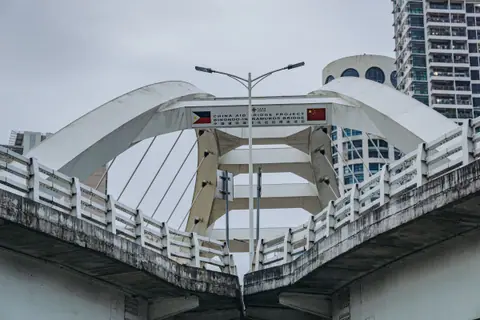
Head north from Intramuros or take the LRT-1 to Carriedo to cross neoclassical Jones Bridge and historic Escolta Street (worth a stop at the First United Building community museum and cafe) into Binondo. Established in 1594 by Spanish Governor Luis Pérez Dasmariñas for Catholic Hokkien merchants just outside cannon range of Intramuros, Binondo centres on Plaza Lorenzo Ruiz and Minor Basilica of St Lorenzo Ruiz (Binondo Church), whose octagonal five-tier granite bell tower dates from the 16th century. Walk up Ongpin Street, Carvajal Street (a narrow covered wet-market alley) and Yuchengco Street for pan-fried dumplings at Dong Bei, fresh Hokkien lumpia wrapped in seaweed and crushed peanuts, pork asado buns and purple yam hopia pastries at Eng Bee Tin. Pair this with Filipino dining in Makati and BGC.
Traveller tips
Real advice from people who have been to Rizal Park, the National Museum Complex and Binondo Chinatown. Every tip is read by our team before it goes live.
No tips yet. Been here? Yours could be the first.
Thank you! Your tip will appear here after a quick review.
More in Manila
Continue exploring Manila with related neighbourhood, food, and planning guides