Mardin Ulu Cami (Grand Mosque) and the Vaulted Bazaars (Çarşılar)
Around Mardin's 1176 Grand Mosque: vaulted medieval bazaars, green pistachio-oil bıttım soap and silver filigree.
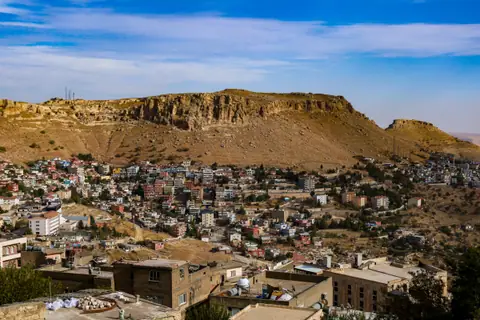
Immediately below Birinci Cadde, a maze of stepped stone lanes drops down into the medieval commercial heart of Mardin, anchored by the oldest mosque in the city and a network of vaulted stone arcades that have operated without interruption since the 12th and 16th centuries.
1. Mardin Ulu Cami (The Grand Mosque, 1176 AD)
Built by Artuqid rulers Qutb al-Din Ilghazi II and Husam al-Din Yavlak Arslan in the late 12th century, Mardin Ulu Cami is the architectural prototype of northern Mesopotamian mosque design and the landmark of the city skyline:
- The Landmark Minaret and Fluted Dome: originally built with two minarets (one of which collapsed during Timur's invasion), its surviving cylindrical minaret (rebuilt on its 1176 square base in 1888 to 1889) is carved from top to bottom with teardrops, geometric bands, vegetal arabesques and Kufic inscriptions, rising beside a ribbed external stone dome (dilimli kubbe) that became the signature of Mardin architecture.
- The Courtyard and Prayer Hall: step through the low gate into the peaceful rectangular stone courtyard with its central fountain, and inside the transverse barrel-vaulted prayer hall to see the carved stone minbar and mihrab (and a revered glass reliquary housing a hair of the Beard of the Prophet, Sakal-ı Şerif).
2. Navigating the Five Historic Bazaars Around Ulu Cami
Exiting Ulu Cami puts you straight into five interconnected guild alleys where you can shop directly from the makers:
- Revaklı Çarşı (Sipahiler Çarşısı, 17th Century): the most photogenic market street in Mardin, lined on both sides by symmetrical stone porticoes (revak) where shops sell hand-woven shawls, copper and spices.
- Kayseriye Bedesteni (1488 to 1502): a vaulted multi-domed stone market hall just north of Ulu Cami, now filled with jewellers and antique dealers.
- Kazancılar & Bakırcılar Çarşısı (The Coppersmiths' Lane): right beside the mosque, where masters still tin and engrave copper trays and point to the famous stone house wall covered in naive folk reliefs of Şahmeran (the mythical half-woman, half-serpent queen of wisdom in Mesopotamian folklore, also painted backward onto glass panels across Mardin).
- What to buy in the Bazaar: green blocks of 100% natural Bıttım Sabunu (handmade soap pressed from the oil of wild terebinth/pistachio berries, prized across Turkey for strengthening hair and soothing skin), handcrafted telkari (silver and gold wire filigree jewellery), and woodblock-printed linen headscarves and tablecloths (taş baskı).
Traveller tips
Real advice from people who have been to Mardin Ulu Cami (Grand Mosque) and the Vaulted Bazaars (Çarşılar). Every tip is read by our team before it goes live.
No tips yet. Been here? Yours could be the first.
Thank you! Your tip will appear here after a quick review.
More in Mardin
Continue exploring Mardin with related neighbourhood, food, and planning guides