Nairobi
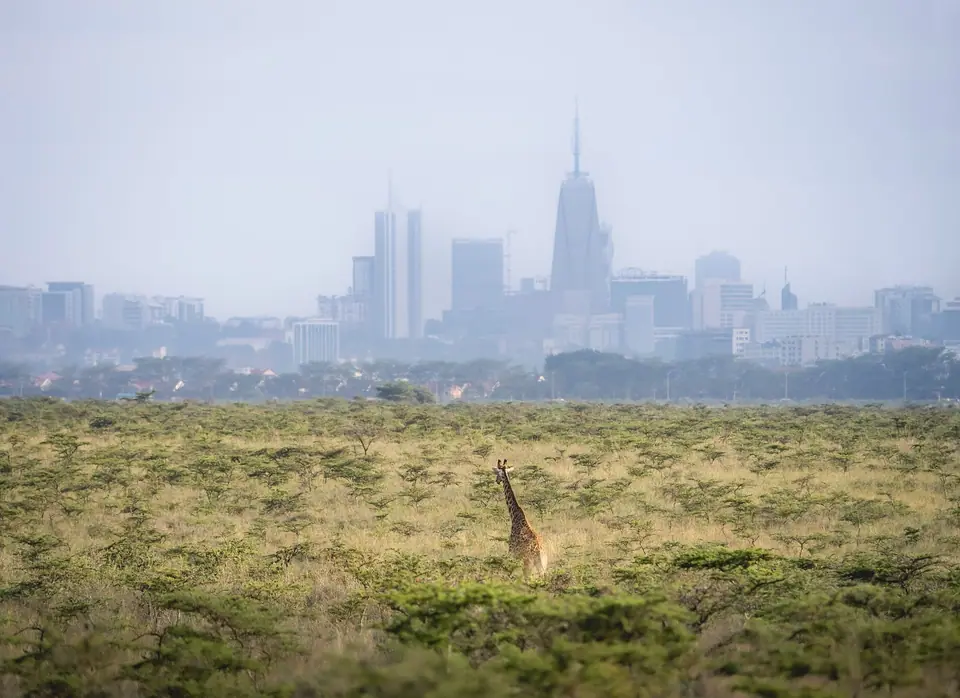
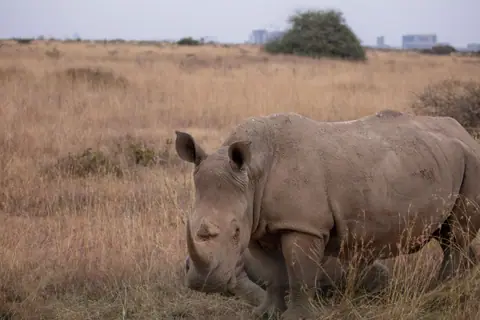
East Africa's high-altitude highland capital, where black rhinos and lions roam Nairobi National Park against a backdrop of glass skyscrapers, leafy Karen estates and urban indigenous forests.
Quick decisions
How many days?
3 days: an early game drive in Nairobi National Park plus the elephant nursery and Giraffe Centre on day one, the Karen Blixen Museum and Karura Forest trails on day two, and the Nairobi National Museum, KICC rooftop and nyama choma on day three. Follow our three-day route.
Where should I stay?
Karen and Langata: leafy garden lodges close to the National Park, Giraffe Centre and Wilson Airport. Westlands and Parklands: lively dining, malls and easy Expressway access. Gigiri or Kilimani: quiet diplomatic avenues and contemporary apartments. Compare areas in our neighbourhood overview.
Do I need a car?
No for city hops, yes (4x4 with driver) for the park. Ride-hailing apps (Uber and Bolt) cover the suburbs easily, while a high-clearance safari vehicle is best inside Nairobi National Park.
Best for
Urban wildlife: photographing rhinos, lions and giraffes with city towers on the horizon. Highland forests: waterfall trails in Karura Forest. East African culture and coffee: hominid fossils, highland coffee roasters and nyama choma grills.
Before you go
Complete your Kenya eTA online and book the Sheldrick elephant nursery well ahead: national parks and museums use cashless eCitizen / card payments. Read our practical briefing.
Getting around
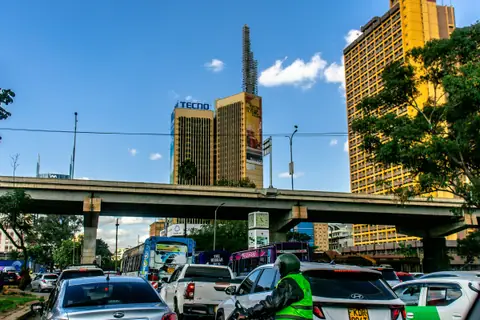
Two airports (JKIA & Wilson) and the SGR train: the Nairobi Expressway links JKIA (NBO) to Westlands in 20 minutes, Wilson (WIL) flies to the Maasai Mara, and the Madaraka Express runs to Mombasa. Details in arrival and transport.
Continue your trip
Bush planes from Wilson Airport reach the Maasai Mara, Amboseli and Samburu in under an hour, while the SGR Madaraka Express train descends through Tsavo to Mombasa and the Indian Ocean coast.
Overview
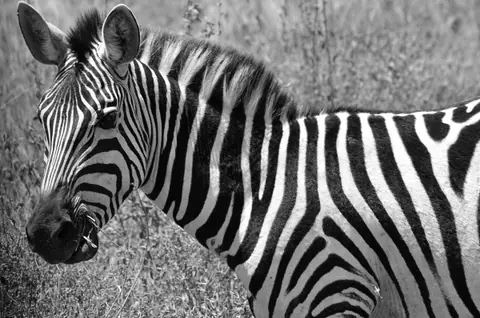
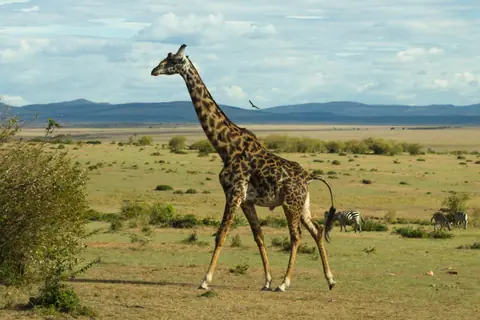
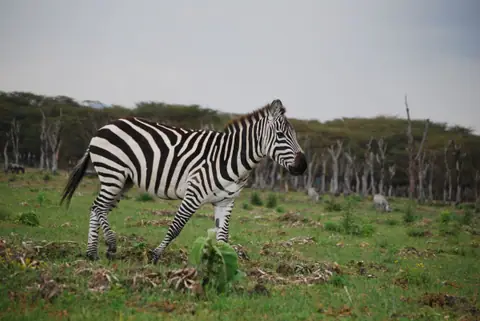
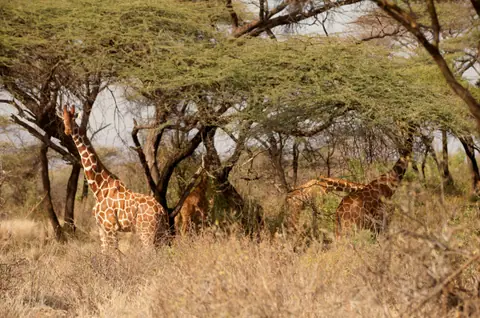
Sitting at an invigorating altitude of 1,795 metres on the edge of the Great Rift Valley, Nairobi takes its name from the Maasai phrase Enkare Nyrobi (Place of Cool Waters). Far more than a brief stopover between international flights and bush safaris, Kenya's capital is the only metropolis on earth bordered by a fenced-on-three-sides savannah reserve: inside Nairobi National Park, endangered black rhinos, lions and Masai giraffes graze across golden whistling-thorn plains with the glass towers of Upper Hill and the central business district rising directly behind them.
Beyond the park gates, Nairobi shifts from the jacaranda-lined gardens of Karen, the Giraffe Centre and the waterfalls of Karura Forest to the hominid fossil vaults of the Nairobi National Museum and Westlands' lively dining scene. Start with our before-you-go briefing and top things to do in Nairobi.
Getting there
Long-haul flights land at Jomo Kenyatta International Airport (JKIA / NBO) south-east of the centre, now connected straight to Museum Hill and Westlands in roughly twenty minutes via the elevated Nairobi Expressway toll road. Domestic safari aircraft to the Maasai Mara, Amboseli and Laikipia depart from smaller Wilson Airport (WIL) beside Langata Road, while the Standard Gauge Railway (SGR Madaraka Express) links Nairobi Terminus in Syokimau with Mombasa. See how to get to Nairobi and around.
Where to stay
Because Nairobi is spread across distinct green ridges and valleys, pick your base to match your plans: sleep in leafy Karen or Langata for tranquil garden lodges next to the wildlife attractions and Wilson Airport, or base yourself in Westlands, Kilimani or Gigiri for walkable restaurants, coffee roasters and fast Expressway links. Compare six neighbourhoods in where to stay in Nairobi.
Things to do
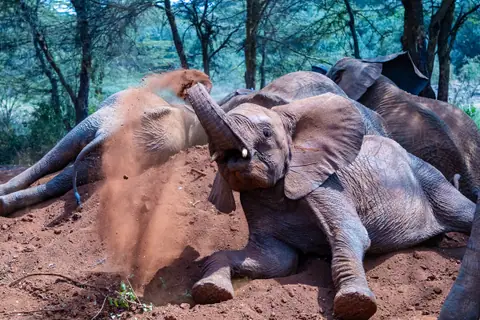
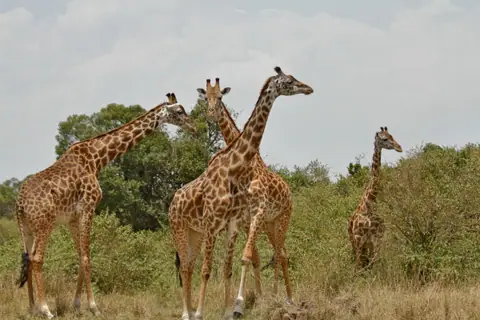
Head out at first light for a game drive in Nairobi National Park and the Sheldrick elephant nursery, feed endangered Rothschild's giraffes from a raised wooden platform at the Giraffe Centre before touring the Karen Blixen Museum and Karura Forest, and spend an afternoon exploring the Cradle of Humankind galleries at the Nairobi National Museum. Full list in things to do in Nairobi.
Food and drink
Nairobi is East Africa's culinary powerhouse, where open-air nyama choma (charcoal-roasted goat and beef) joints serve sizzling platters alongside ugali maize meal, braised sukuma wiki greens and zesty tomato-coriander kachumbari, complemented by coastal Swahili pilau, historic Gujarati-Kenyan vegetarian curries and single-estate Kenyan AA coffee. Read where to eat in our museum and food overview.
Culture
Founded in 1899 as a rail depot at Mile 327 on the Uganda Railway where the tracks climbed from the Athi Plains toward the Kikuyu highlands, Nairobi grew within a century into the diplomatic, conservation and creative hub of East Africa, hosting the global headquarters of the United Nations Environment Programme (UNEP) and pioneering mobile-money innovation.
Weather by month
Nairobi is warmest in February, with average highs around 28°C, and coldest in July, when nights drop to about 12°C. April is the wettest month, with rain on about 15 days. For mild weather with fewer rainy days, aim for January, June, July, August and September.
| Month | Low | Range | High | Rain | Rainy days |
|---|---|---|---|---|---|
| Jan | 13°C | 27°C | 46 mm | 5 d | |
| Feb | 14°C | 28°C | 48 mm | 5 d | |
| Mar | 15°C | 27°C | 92 mm | 9 d | |
| Apr | 15°C | 25°C | 198 mm | 15 d | |
| May | 14°C | 24°C | 142 mm | 13 d | |
| Jun | 12°C | 23°C | 34 mm | 5 d | |
| Jul | 12°C | 22°C | 18 mm | 3 d | |
| Aug | 12°C | 22°C | 22 mm | 4 d | |
| Sep | 13°C | 25°C | 26 mm | 4 d | |
| Oct | 14°C | 26°C | 62 mm | 7 d | |
| Nov | 14°C | 25°C | 138 mm | 14 d | |
| Dec | 14°C | 25°C | 84 mm | 9 d |
Averages of daily values from 2015 to 2024. Rainy days are days with at least 1 mm of rain. Source: Open-Meteo · Compare destinations by month.
Nairobi on the map
Every place we cover in Nairobi. Tap a category or pin to explore.
In-depth Nairobi guides
Browse the guides grouped by topic: sights, neighbourhoods, food, transport, day trips and trip planning.
Sights, Landmarks & Parks
Key monuments, viewpoints, museums and nature trails.
- Best Things to Do in NairobiSavannah game drives against a city skyline, hand-feeding Rothschild's giraffes, forest waterfalls and fossils.
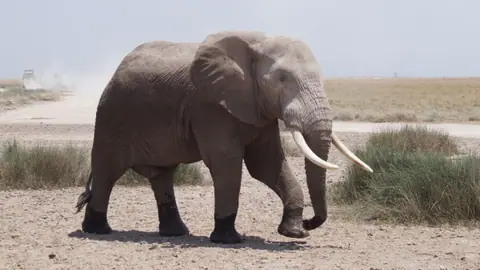
- Nairobi National Park, the Elephant Nursery and Safari WalkGame drives for black rhinos and lions against the city skyline, plus booking the Sheldrick elephant nursery.
- Karen, the Giraffe Centre, Karen Blixen Museum and Karura ForestHand-feeding endangered Rothschild's giraffes, Out of Africa history in Karen and waterfall walks in Karura.
- Nairobi National Museum, KICC Viewpoint and Kenyan FoodCradle of Humankind fossils at the National Museum, 360-degree KICC rooftop views and nyama choma grills.
Neighbourhoods & Where to Stay
Districts, historic quarters and the best bases for your stay.
Getting Around & Arrival
Airport transfers, public transit, passes and driving rules.

Trip Planning & Itineraries
When to visit, what to pack and day-by-day routes.
- Nairobi: What to Know Before You GoHow Kenya's electronic travel authorisation, cashless park gates, plastic bag ban and two airports work.
- Best Time to Visit NairobiDry-season wildlife viewing, October purple jacaranda avenues and Nairobi's cool 1,795-metre highland air.
- What to Wear in NairobiDressing for chilly 11°C highland mornings on safari, sunny equatorial afternoons and smart city evenings.
- Nairobi 3-Day Itinerary: National Park, Karen and Karura ForestThree traffic-smart days covering Nairobi National Park, the elephant nursery, Karen and Karura Forest.
Need your embassy or consulate in Kenya? See embassies and consulates in Kenya.
Reviews
Log in to write a review.
No reviews yet.