Photo: Eckhard Pecher Arcimboldo · CC BY-SA 2.5
Two Days in Nara from Early Kasuga Paths to Horyu-ji
Splitting Nara into two distinct geographic days links walkable eastern park paths with western rail hops without backtracking across the city.
Day 1 Morning: Lantern Paths and Ancient Cedar Groves
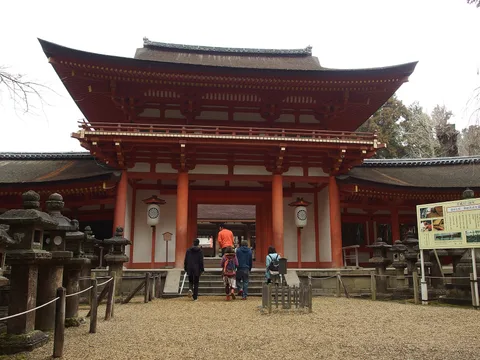
We begin Day 1 early beneath the cedar canopy of Kasuga Taisha, founded in 768 beside the Kasugayama Primeval Forest. Tree felling and hunting have remained forbidden across these sacred woods since 841. Starting along these lantern-lined gravel approaches before tour buses arrive grants calm views of grazing deer. Outer shrine grounds open early, giving us space to appreciate the stone lanterns before human crowds build.
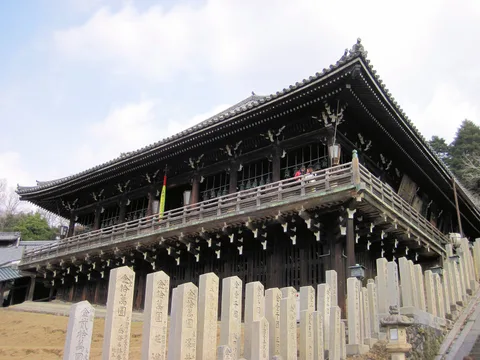
We walk north past Tamukeyama Hachimangu and climb up to Nigatsu-do. Its hillside balcony offers sweeping free views across tiled roofs toward the western mountains. After descending the stone steps, we head into Todai-ji's temple grounds and Kasuga woodland trails to enter the 1709 Great Buddha Hall. Inside rests the 14.98-metre bronze Daibutsu, consecrated in 752. We conclude our morning temple walk by exiting south past the massive guardian figures of the 1203 Nandaimon Gate.
As we wander, we watch some of the 1,200 to 1,300 wild sika deer living across the central parkland. Carry only official shika senbei crackers when choosing to feed them. Keep paper admission tickets and district maps safely zipped away inside daypacks. We give deer extra space during May to July fawning and the September to November rutting seasons.
Day 1 Afternoon: Quiet Gardens, Kofuku-ji, and Naramachi Townhouses
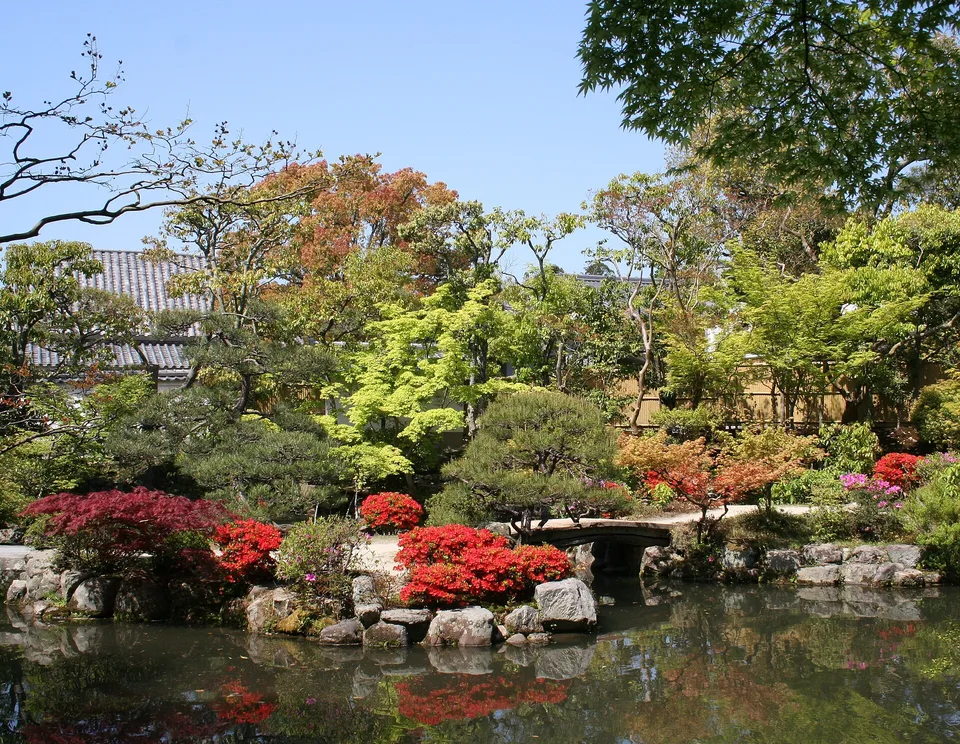
At midday, we slip just north of the central park grounds into calm Yoshikien Garden. Entry is free upon presenting an overseas passport, though it closes late February for winter maintenance. Next door sits Isuien Garden, which closes on Tuesdays, late December to mid-January, and late September. Both locations offer shaded ponds and mossy paths away from busy traffic.
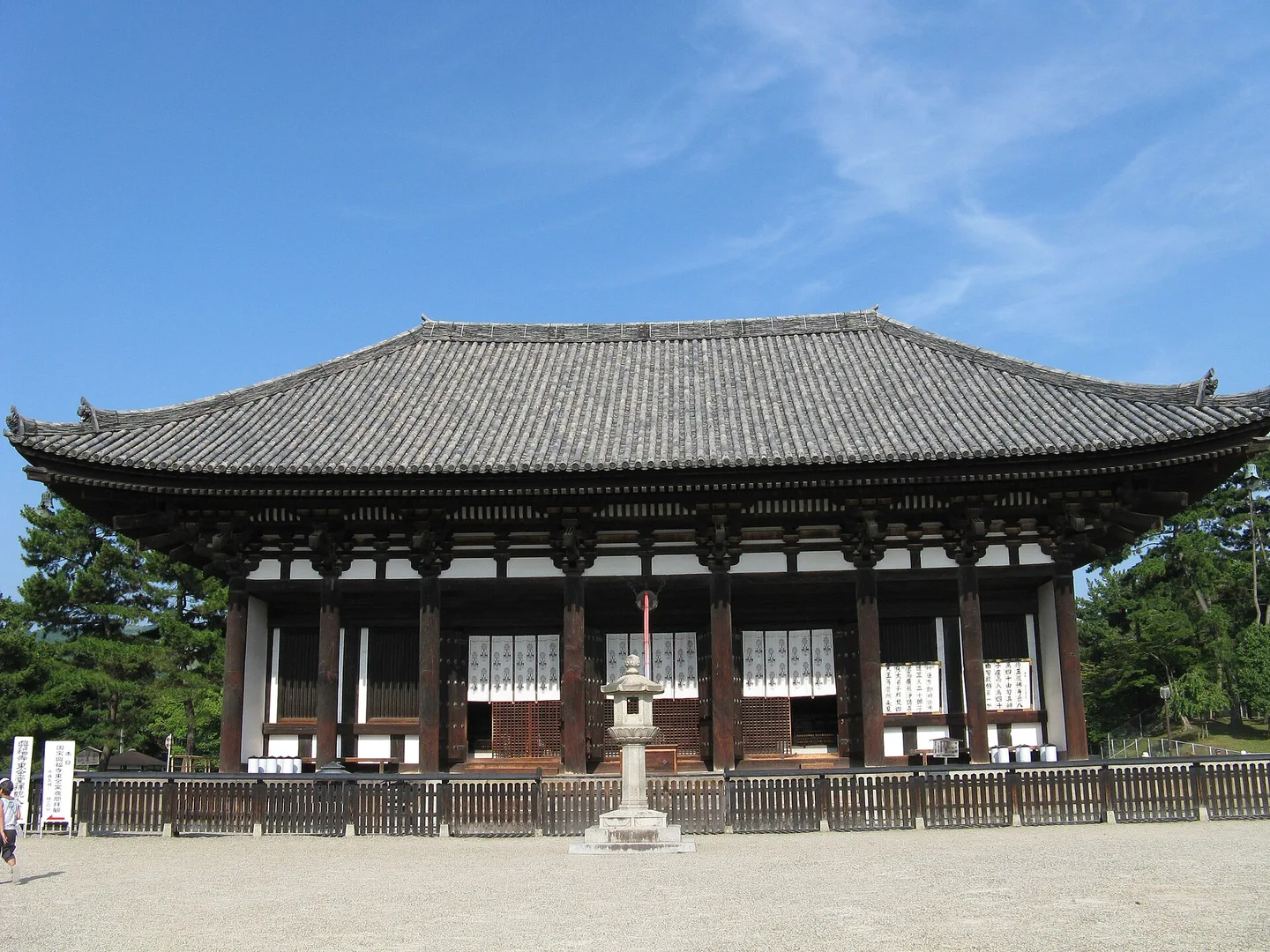
During the afternoon, we head west to Kofuku-ji to view the 2018-rebuilt Chukondo hall. We step into the National Treasure Museum to view the 734 Ashura sculpture, keeping cash ready for the entrance booth. The neighbouring 1426 Five-Storey Pagoda remains hidden behind conservation scaffolding through fiscal year 2033, ending in March 2034. When planning our culture stops, we remember the Nara National Museum closes on Mondays outside the autumn Shoso-in Exhibition.
We complete the afternoon south of Sarusawa Pond inside the historic Naramachi district. We step inside the Naramachi Koshi-no-Ie merchant townhouse replica and stop at Gango-ji, relocated here in 718 from 588 Asuka-dera. For dinner, we seek local persimmon-leaf kakinoha-zushi, fragrant roasted-tea chagayu porridge, or delicate Miwa somen noodles. Checking Nara traditional machiya inns and central stations near Sarusawa Pond keeps evening strolls peaceful and short.
Two-Day Nara Route Summary
| Route Stage | Primary Stops | Transit Mode |
|---|---|---|
| Day 1 Morning | Kasuga Taisha, Nigatsu-do, Todai-ji Great Buddha Hall, Nandaimon Gate | Walkable eastern park circuits |
| Day 1 Afternoon | Yoshikien or Isuien Garden, Kofuku-ji, Naramachi Koshi-no-Ie, Gango-ji | Pedestrian streets and garden lanes |
| Day 2 Morning | Horyu-ji West Precinct, East Precinct, and Treasure Gallery | JR Yamatoji Line rail hop plus local bus or stroll |
| Day 2 Afternoon | Toshodai-ji, Yakushi-ji, Suzakumon Gate at Heijo Palace Site | Kintetsu railway hops and flat walking paths |
Day 2 Morning: Early Timber Architecture at Horyu-ji
Day 2 shifts our attention west using regional railways, linking the ancient capital to older Yamato heritage sites. We board the JR Yamatoji Line at JR Nara Station towards Ikaruga. From the station exit, we either complete a flat 20-minute walk or take a 5-minute Nara Kotsu bus to the temple gates.
Horyu-ji was founded in 607 and designated as a UNESCO World Heritage site. Because ticket booths generally accept cash only, we carry Japanese yen notes for temple admission. We explore the ancient timber structures of the West Precinct before continuing to the eastern compound and Treasure Gallery. These preserved halls include the venerable Kondo sanctuary along with the five-tier pagoda, standing as the world's oldest wooden structures.
Walking between the wide courtyards feels serene compared to central city attractions. We admire exquisite early Buddhist sculptures and delicate wall frescoes preserved across centuries of careful temple stewardship. Following temple circuits and historic excursions across Nara details regional transit connections.
Day 2 Afternoon: Nishinokyo Sanctuaries and Heijo Palace Site
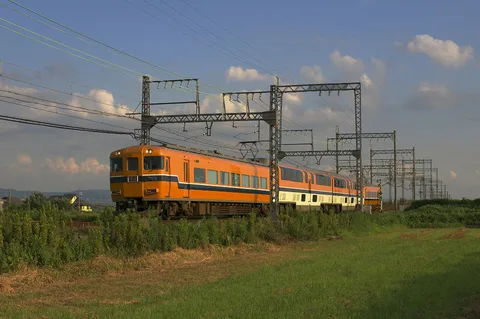
From Ikaruga, we travel east by train or bus connection to reach Kintetsu Nishinokyo Station. Here, a calm half-day walking loop links two celebrated temple compounds founded during the Nara capital era. Toshodai-ji was established in 759 by the Chinese monk Ganjin and offers quiet shaded paths. A short walk south brings us to Yakushi-ji, founded in 680, which retains its original eighth-century East Pagoda.
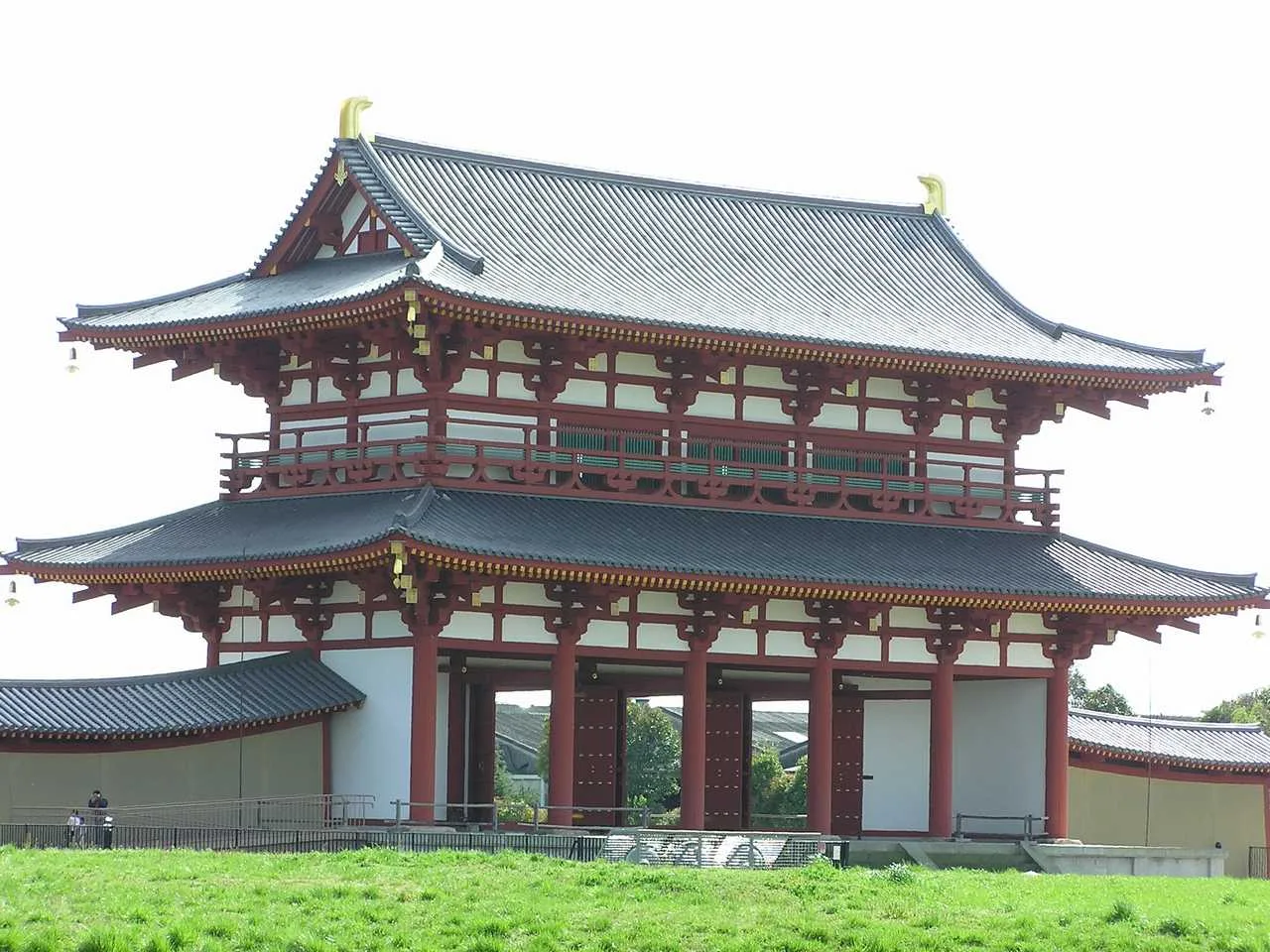
If daylight permits, we hop back onto the train to Yamato-Saidaiji Station. A stroll of 10 to 15 minutes east brings us onto the vast open grounds of Heijo Palace Site. Nara served as the imperial capital here between 710 and 784. We admire the reconstructed Suzakumon Gate rising over open fields and visit the free Nara Palace Site Museum.
Weekday scheduling requires careful timing across these western sights. The Nara Palace Site Museum closes on Mondays, so we swap it with daily-open Kofuku-ji or Nishinokyo temples when required. On Tuesdays, choose Yoshikien over closed Isuien. Carrying essential transport passes and temple customs in Nara helps us manage ticket windows smoothly across the wider prefecture.
Official prices and opening hours
- Todai-ji Great Buddha Hall (Daibutsuden)Official site ↗
- Kofuku-ji National Treasure MuseumOfficial site ↗
- Horyu-ji Temple (West & East Precincts + Treasury)Official site ↗
- Toshodai-ji & Yakushi-jiOfficial site ↗
Where it is
- 1Nara
- Osaka Itami International Airport (ITM) · about 35 km from Nara in a straight line
- Directions in Google Maps
Stations and taxi ranks: OpenStreetMap. Airports: OurAirports. Distances are in a straight line.
Traveller tips
Real advice from people who have been to Nara. Every tip is read by our team before it goes live.
No tips yet. Been here? Yours could be the first.
Thank you! Your tip will appear here after a quick review.
More in Nara
Continue exploring Nara with related neighbourhood, food, and planning guides