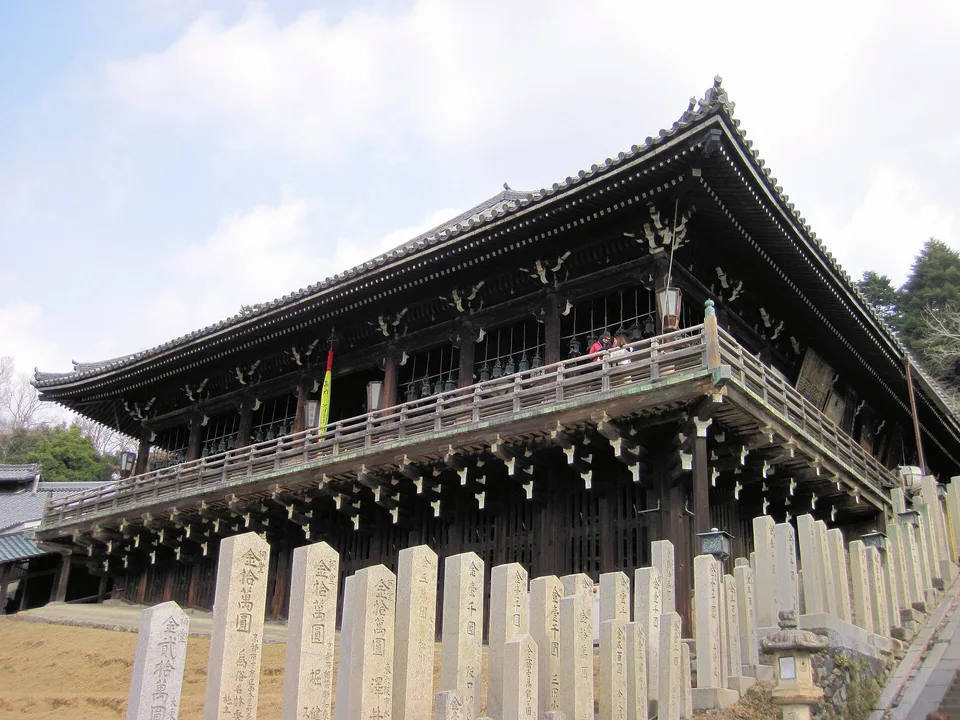
Photo: Nekosuki · CC BY-SA 4.0
Temples, Gardens and Heritage Districts Beyond Todai-ji in Nara
Beyond the central deer lawns, Nara preserves ancient Buddhist sculptures, quiet strolling gardens, and historic merchant districts.
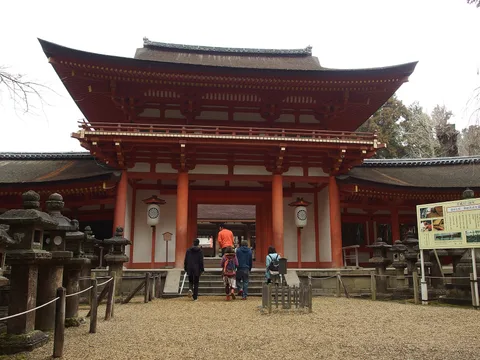
While central park lawns draw crowds, the wider basin guards exceptional Buddhist treasures and quiet residential neighbourhoods. Most travellers begin near Kintetsu-Nara Station before walking eastward through town. Looking beyond the popular Todai-ji grounds and Kasuga Taisha woodland shrines reveals centuries of intact timber architecture and tranquil walking trails. Nara-period sculpture halls and traditional Edo-style merchant lanes remain within easy reach on foot or by local train.
Kofuku-ji, Hillside Terraces and Park Sculpture
Sitting 5 minutes east of Kintetsu-Nara Station, Kofuku-ji anchors the western approach to the parklands. The site remains essential for the Central Golden Hall, rebuilt in 2018 and known as the Chukondo. Next door, the National Treasure Museum displays the dry-lacquer Ashura statue from the year 734. This sculpture shows three faces and six arms modelled with refined balance. However, the 1426 Five-Storey Pagoda, rising 50 metres tall, stays enclosed in protective scaffolding through fiscal year 2033, concluding around March 2034.
Climbing uphill behind Todai-ji leads to Nigatsu-do, an open wooden terrace on the hillside. Admission is free, offering wide views over urban rooftops and the surrounding valley. This hall hosts the nightly torch-and-water Omizutori ceremony, also called Shunie, every 1 to 14 March without interruption since 752. Down in the park, the Nara National Museum focuses on historic Buddhist art. It also stages the Shoso-in Exhibition for roughly two weeks from late October to early November. Entry arrangements and schedule shifts appear in the VisitorFactsBox below.
Historic Strolling Gardens and Naramachi Lanes
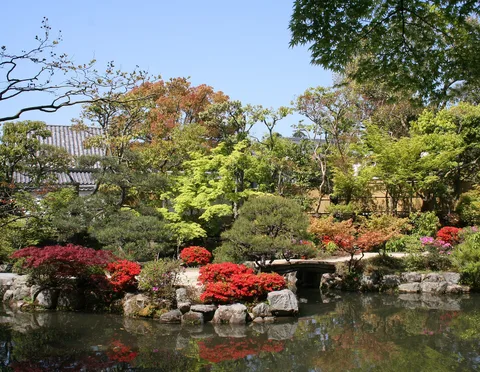
Between Kofuku-ji and the Todai-ji precinct, two historic gardens offer peaceful retreats away from the busiest avenues. Isuien Garden links two distinct strolling grounds and the Neiraku Museum. It incorporates the green slope of Mt. Wakakusa and Todai-ji's roofline directly into its landscape design as borrowed scenery. Beside it, Yoshikien Garden pairs three zones: a pond garden, a moss garden with a thatched teahouse, and a tea-flower garden. Foreign passport holders receive complimentary admission, subject to annual maintenance breaks.
Walking south across Sanjo-dori brings you into Naramachi, an old merchant quarter with narrow gridded streets. The district surrounds Gango-ji, which moved to Nara in 718 from Asuka-dera, originally founded in 588. Down these quiet residential lanes, Naramachi Koshi-no-Ie offers a faithful replica of a traditional Edo-period lattice townhouse. Visitors can walk through its long, narrow rooms, view interior light wells, and observe private courtyards. Planning these stops fits smoothly into a broader two-day Yamato route across ancient temples.
Eighth-Century Monasteries in Nishinokyo and the Imperial Palace
Riding the Kintetsu line west to Nishinokyo Station connects two foundational monasteries that sit within easy walking distance of one another. Toshodai-ji was established in 759 by Ganjin, the Tang Chinese monk who journeyed across the sea to teach monastic precepts. Its classical Golden Hall showcases pure eighth-century proportions. A short walk away stands Yakushi-ji, originally founded in 680 by Emperor Tenmu. Yakushi-ji preserves its surviving eighth-century East Pagoda, renowned for its intricate double-roof profile.
North of these temples lies the Heijo Palace Site, reachable in 10 to 15 minutes on foot from Yamato-Saidaiji Station. This open archaeological park marks the seat of government during the Nara period from 710 to 784. The reconstructed vermilion Suzakumon Gate anchors the compound across vast grasslands. Nearby, the Nara Palace Site Museum gives free entry to archaeological exhibits. Check the VisitorFactsBox below for exact museum closing days and operating calendars.
Seventh-Century Wooden Halls Across the Basin
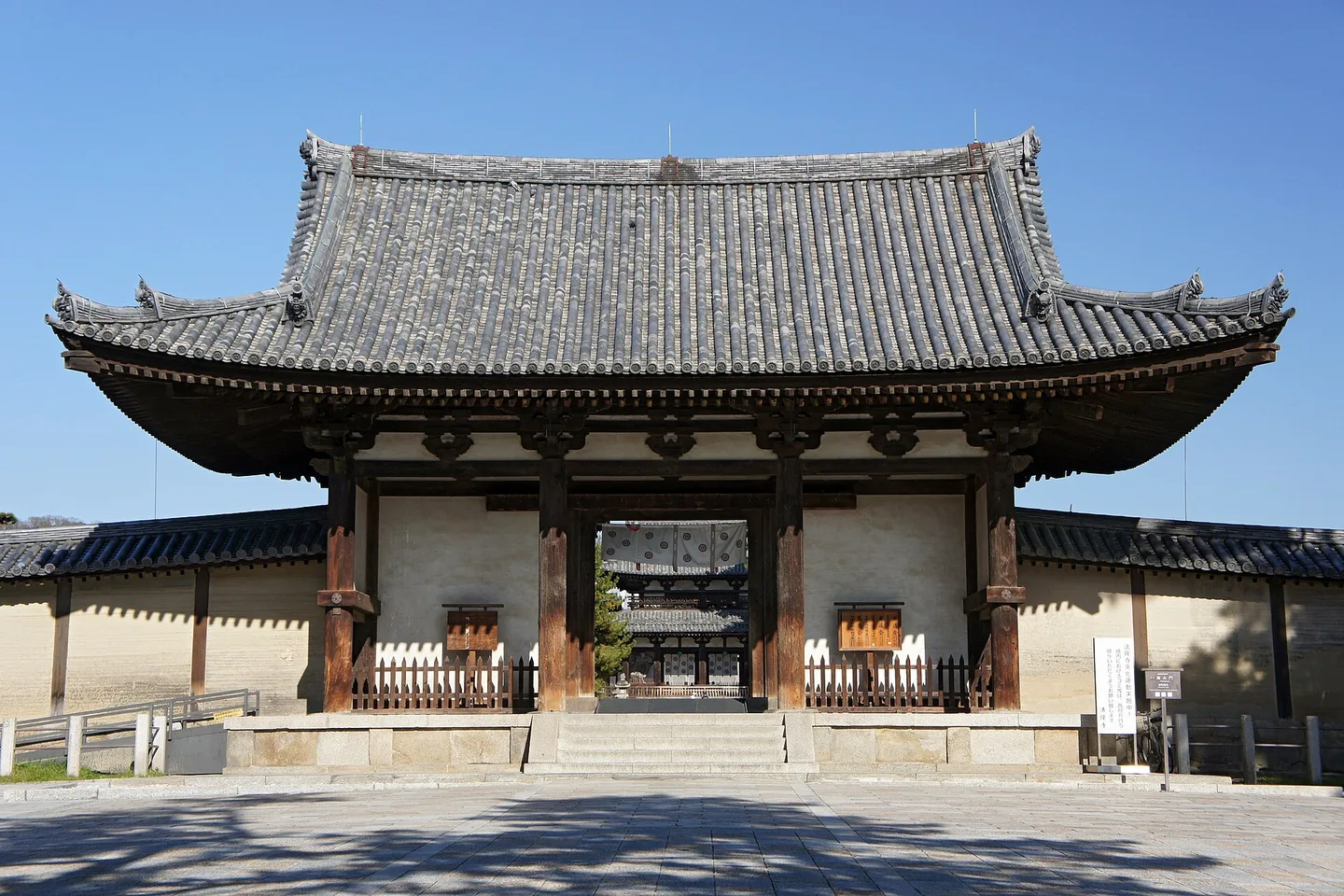
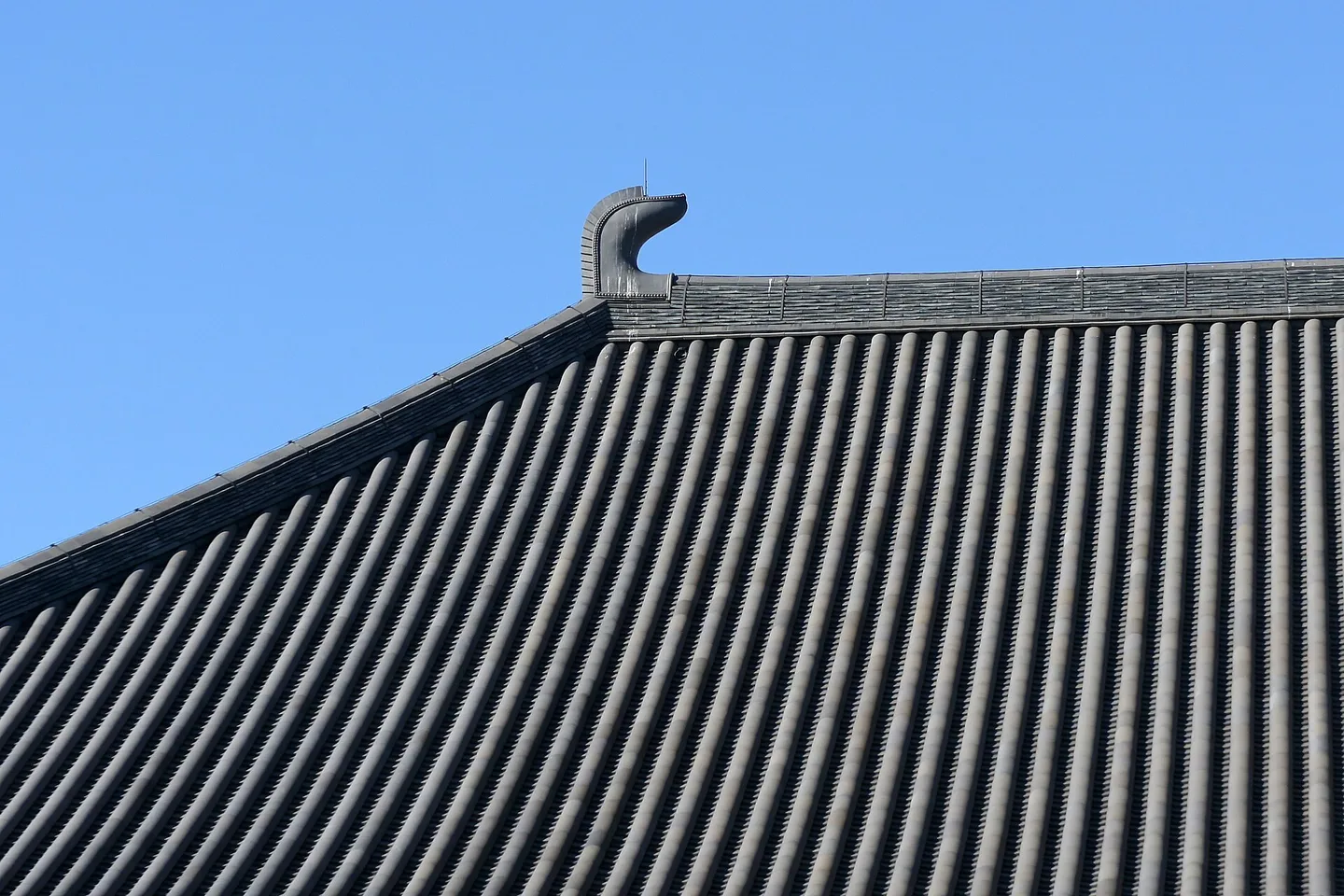
Heading southwest into Ikaruga brings travellers to Horyu-ji, founded in 607 by Prince Shotoku. Inscribed on the UNESCO World Heritage list in 1993 under Reference 660, the complex safeguards 48 monuments across 15.03 hectares, bordered by a 571-hectare buffer zone. Its compound preserves the oldest surviving wooden buildings in the world. Walking among its weathered timber pillars reveals seventh-century Asuka-period joinery that survived fires and earthquakes across fourteen centuries. The soaring Five-Storey Pagoda and Kondo main hall showcase magnificent bronze statues and ancient roof tiles.
Reaching Horyu-ji takes 11 to 12 minutes from JR Nara Station along the JR Yamatoji Line, followed by a 20-minute walk or a 5-minute Nara Kotsu bus ride. When organizing visits across the wider basin, note that seasonal closing times tighten between early November and late February. Several primary ticket counters, including Horyu-ji and Kofuku-ji, expect cash settlement in Japanese yen rather than card transactions. Consult the VisitorFactsBox below for full admissions schedules, seasonal maintenance dates, and ticket office details.
- Kofuku-ji displays the 734 Ashura statue in its National Treasure Museum, while the Five-Storey Pagoda stays behind scaffolding through fiscal year 2033.
- Nigatsu-do provides free hillside terrace views over urban Nara, hosting the torch-and-water Omizutori ceremony each March.
- Nara National Museum presents Buddhist masterpieces and holds the special Shoso-in Exhibition across late autumn.
- Isuien Garden incorporates borrowed scenery from Todai-ji and Mt. Wakakusa beside the neighbouring pavilions of Yoshikien Garden.
- Naramachi preserves narrow Edo-era merchant streets around historic Gango-ji and the lattice architecture of Koshi-no-Ie.
- Toshodai-ji and Yakushi-ji in Nishinokyo showcase eighth-century timber halls within an easy walk of Nishinokyo Station.
- Horyu-ji in Ikaruga safeguards the world's oldest timber structures across a protected UNESCO precinct, with ticket windows accepting yen cash.
Official prices and opening hours
- Kofuku-ji National Treasure Museum & ChukondoOfficial site ↗
- Nara National MuseumOfficial site ↗
- Isuien Garden & Neiraku MuseumOfficial site ↗
- Toshodai-ji & Yakushi-ji (Nishinokyo)Official site ↗
- Horyu-ji Temple (Ikaruga)Official site ↗
Where it is
- 1Nara
- Osaka Itami International Airport (ITM) · about 35 km from Nara in a straight line
- Directions in Google Maps
Stations and taxi ranks: OpenStreetMap. Airports: OurAirports. Distances are in a straight line.
Traveller tips
Real advice from people who have been to Nara. Every tip is read by our team before it goes live.
No tips yet. Been here? Yours could be the first.
Thank you! Your tip will appear here after a quick review.
More in Nara
Continue exploring Nara with related neighbourhood, food, and planning guides