Photo: Guilhem Vellut · CC BY 2.0
Todai-ji, Nara Park and Kasuga Taisha Walking Guide
We trace Nara's sacred parkland corridor linking ancient timber temples, free-roaming sika deer, and lantern-lit Shinto woodland shrines across an unbroken UNESCO sanctuary.
Nandaimon Gate and the Colossal Great Buddha
We begin our journey under the massive timber eaves of Nandaimon Gate, the grand southern portal to Todai-ji. Raised in 1203, this structure stands as Japan's largest temple gate at 25.46 metres high on 18 colossal timber pillars. Twin Kongo Rikishi guardian figures carved by master sculptors Unkei and Kaikei in 1203 exceed 8.4 metres, glaring outward with muscular intensity. When mapping out a wider cultural journey across the region, travellers frequently consult the Nara itinerary planner to coordinate their morning parkland walks. This planning helps link city sights with surrounding historic precincts.
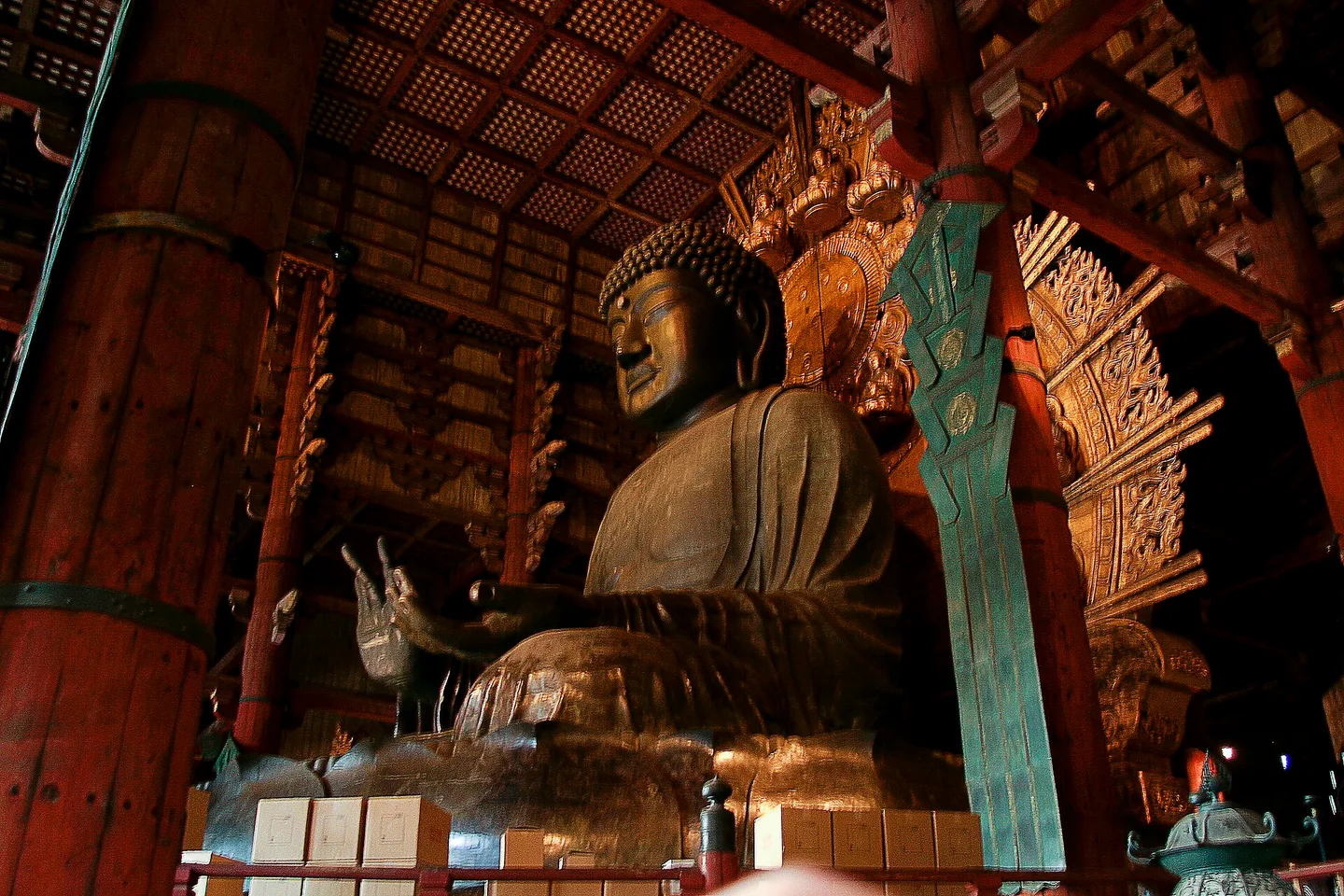
Passing Nandaimon brings us directly to the Daibutsuden, or Great Buddha Hall, rebuilt in 1709 following civil-war destruction in 1180 and 1567. The reconstructed hall spans 57 metres wide and rises 48.7 metres high, standing at roughly two-thirds of its original eighth-century width. Inside rests the bronze Vairocana Great Buddha, cast between 743 and 749 under Emperor Shomu and consecrated in 752. This seated bronze colossus measures 14.98 metres in height, its calm face spanning over 5 metres across the hall.
Nigatsu-do Balcony and Nara Park Deer Sanctuary
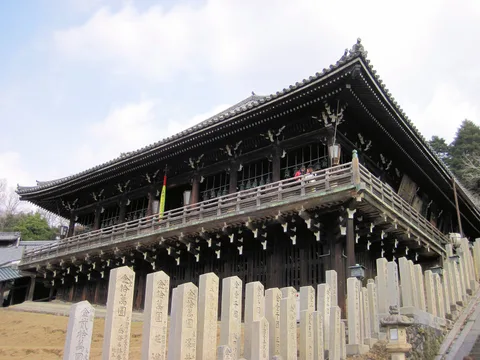
Behind the main hall, stone stairs lead eastward up the hillside to Nigatsu-do, a raised wooden sub-temple offering panoramic rooftop views. Its open balcony has hosted the annual Omizutori pine-torch and sacred water drawing rites continuously since 752. The ceremonies unfold every 1 to 14 March, culminating with well-water drawing early on 13 March. Entering the elevated timber deck is free of charge, making it a quiet refuge above the central parkland trails.
Surrounding Todai-ji, ancient parkland groves shelter over 1,200 wild sika deer. Designated a National Natural Monument, these animals were historically protected as sacred messengers of Kasuga Taisha. We can walk freely among them, but respectful manners remain vital for animal welfare. Feeding rules require offering only official sugar-free wheat-and-bran shika senbei crackers, distributed individually by hand.
- Never feed human snacks, drop wrappers, or leave plastic bags within reach of grazing deer.
- Keep bags and paper maps tucked safely away to prevent animals from nibbling personal belongings.
- Show empty open palms when food is finished so waiting deer understand feeding has concluded.
- Remember that head-bowing reflects conditioned feeding anticipation rather than tame submissive behaviour.
- Maintain 3 to 5 metres of space if an animal displays frustration or crowds too closely.
- Keep extra distance around protective mother deer from mid-May through early July.
- Exercise elevated caution around antlered stags during the autumn rut from September to November.
Kasuga Taisha and Kasugayama Primeval Forest
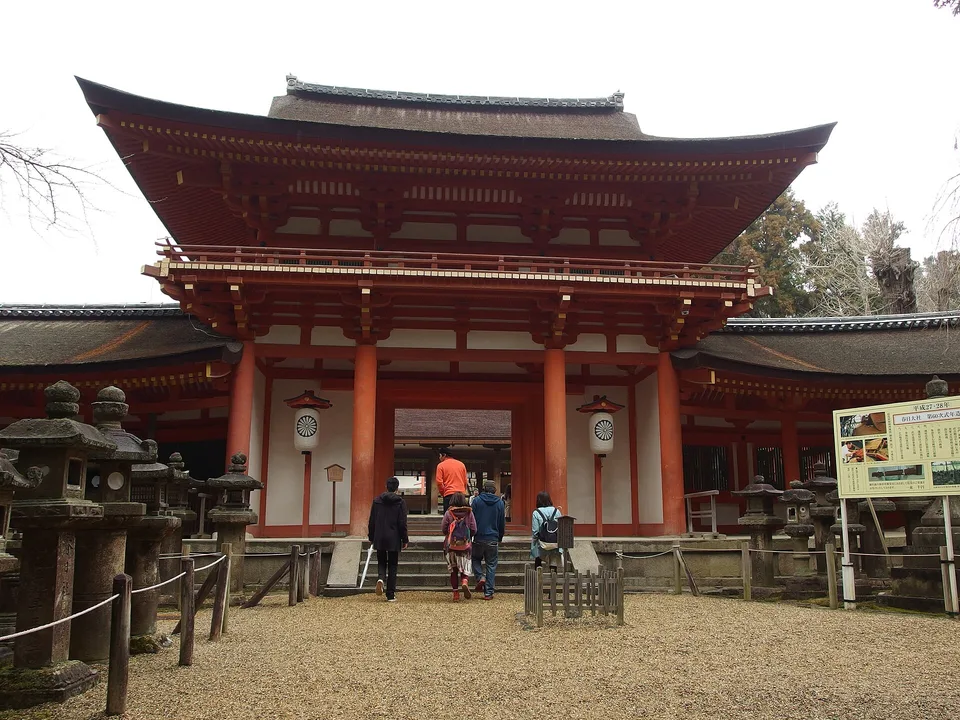
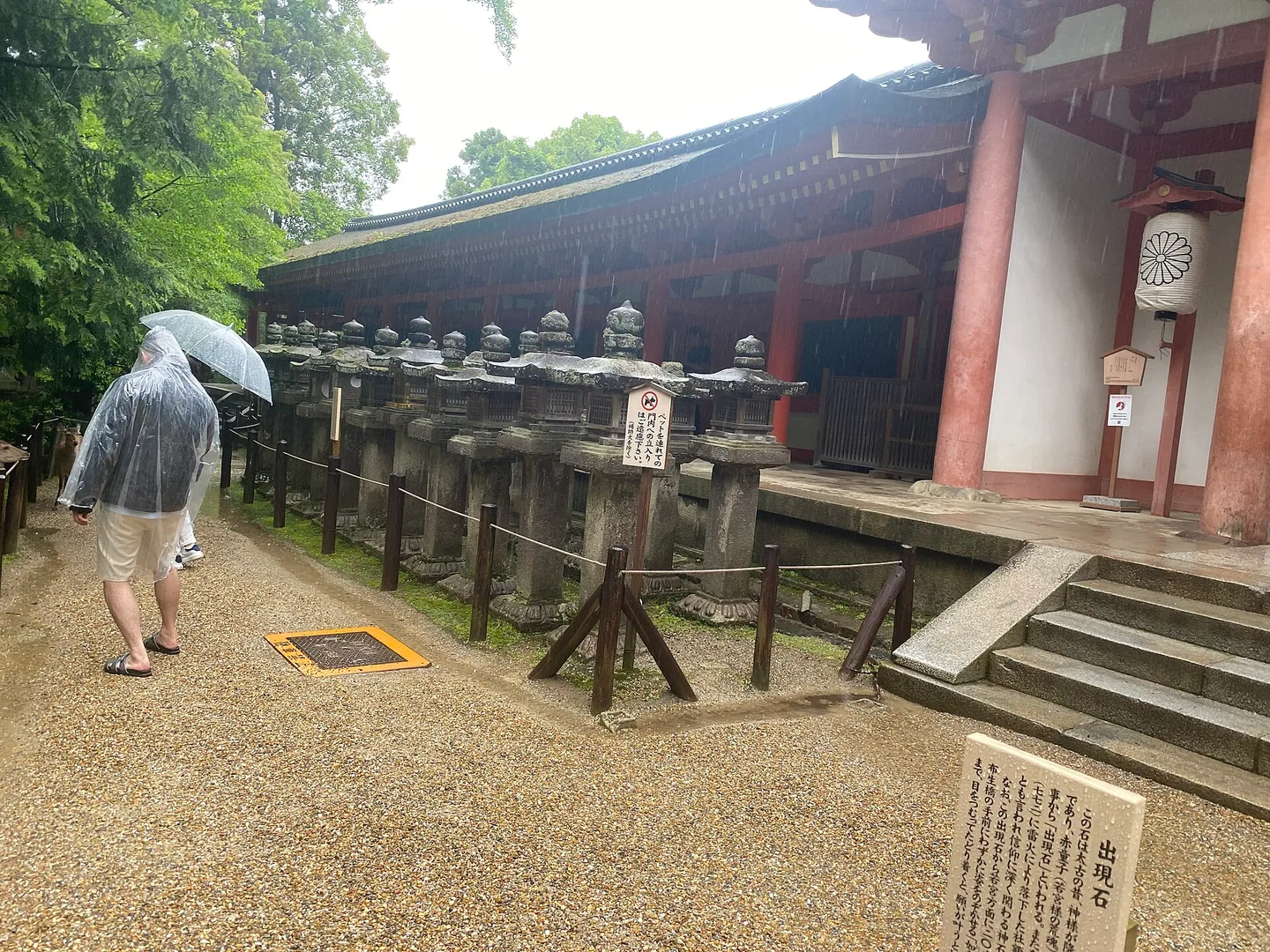
South-east from Todai-ji, shaded gravel avenues guide us beneath giant cedar trees toward Kasuga Taisha, founded in 768. The Fujiwara clan established this Shinto sanctuary beside Kasugayama Primeval Forest, where hunting and logging bans date back to 841. Walking through this protected woodland border reveals roughly 3,000 stone and hanging bronze lanterns flanking the approaches and vermilion halls. Visitors seeking detailed historical context on regional culture can explore our Nara essential background before setting out on foot.
All 3,000 lanterns are illuminated together only twice each year during the Setsubun Mantoro on 3 February and Chugen Mantoro on 14 to 15 August. Walking the outer woodland paths remains free at all times throughout the daytime. Separate entry tickets apply if we wish to enter the inner cloister for Special Worship, the Kasugataisha Museum, or Man'yo Botanical Garden. The botanical garden closes on Tuesdays from June to March, while inner cloister access closes during sacred festival dates.
Practical Walking Circuits and Regional Transit Links
Linking Todai-ji, the deer lawns, and Kasuga Taisha forms an easy pedestrian circuit within the 617-hectare central UNESCO boundary. An early morning start allows us to view Nandaimon Gate and Kasuga Taisha's forest paths before large tour groups arrive. We recommend walking east toward Kasuga Taisha first, continuing through the deer meadows, and concluding behind Todai-ji at Nigatsu-do. Those organizing their wider regional schedule will find cultural background across our Nara temple highlights.
Rail connections from nearby Kansai cities bring travellers directly to this sanctuary trail without complicated transfers. Direct trains from Kyoto Station reach Nara within easy walking reach of Nandaimon Gate for an early park loop. Rapid express services from Osaka-Namba arrive at Kintetsu-Nara in 39 to 40 minutes, leading straight into the parkland. Always avoid feeding deer near busy roadway curbs to keep grazing herds safely away from passing traffic.
Official prices and opening hours
- Todai-ji Great Buddha Hall (Daibutsuden)Official site ↗
- Kasuga Taisha Main Sanctuary (Inner Cloister Special Worship)Official site ↗
- Kasugataisha Museum (Treasure Hall)Official site ↗
- Man'yo Botanical Garden (Kasuga Taisha)Official site ↗
Where it is
- 1Todai-ji, Nara Park and Kasuga Taisha Walking
- Osaka Itami International Airport (ITM) · about 38 km from here in a straight line
- Directions in Google Maps
Stations and taxi ranks: OpenStreetMap. Airports: OurAirports. Distances are in a straight line.
Traveller tips
Real advice from people who have been to Nara. Every tip is read by our team before it goes live.
No tips yet. Been here? Yours could be the first.
Thank you! Your tip will appear here after a quick review.
More in Nara
Continue exploring Nara with related neighbourhood, food, and planning guides