Prague
A castle above the river, a Gothic old town on the other bank and a beer culture that runs through every neighbourhood.
Quick decisions
How many days?
3 days: the castle and Malá Strana, the Old Town and Jewish Quarter, then Vyšehrad and Letná for the local side. 4 to 5 days: add a day trip to Kutná Hora or Karlštejn and slower evenings in Vinohrady. Our three-day plan puts it in order.
Where should I stay?
Malá Strana: quiet lanes under the castle. Old Town: central but loud and crowded. Vinohrady or Karlín: residential streets, cafés and fast metro links, at lower rates. The trade-offs are laid out in our neighbourhood comparison.
Do I need a car?
No. The historic centre is compact and car-unfriendly, and trams, metro and buses cover the rest of the city. Day trips to Kutná Hora, Karlštejn and Plzeň run by train from the main station.
Best for
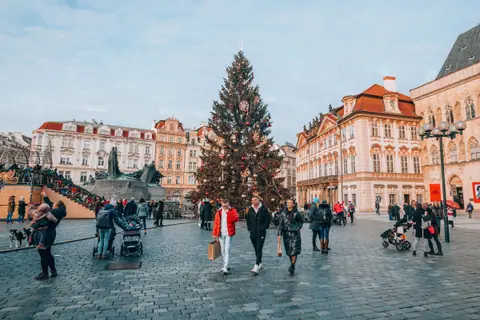
Architecture: Gothic, Baroque and Art Nouveau within a few streets. Beer: the birthplace of pale lager is an hour away. Walkers: almost every sight is reachable on foot. Winter trips: Christmas markets on the Old Town Square.
Before you go
Currency: the Czech koruna, not the euro; pay by card and refuse conversion into your home currency. Timing: walk Charles Bridge before 8am. Saturdays: the Jewish Museum is closed.
Getting around
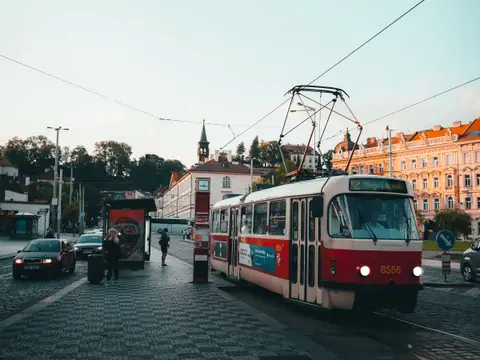
From the airport: trolleybus 59 to Nádraží Veleslavín, then metro line A into the centre. In the city: trams and metro on one ticket, bought in the PID Lítačka app or on board. Details in arrival and transport.
Continue your trip
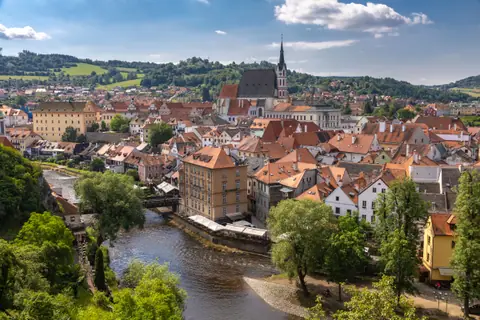
Kutná Hora and its bone chapel are an hour east by train, and Český Krumlov makes a long day or an overnight stop in the south; both are in our day trips guide. Direct trains run along the Elbe valley to Dresden and Berlin, south to Vienna and Budapest, and east to Kraków.
Overview
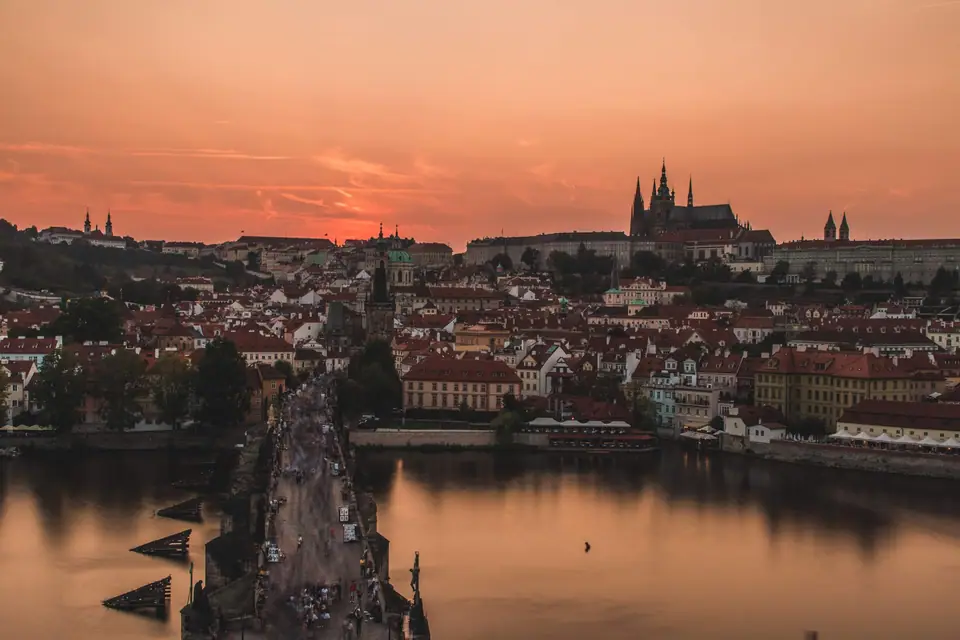
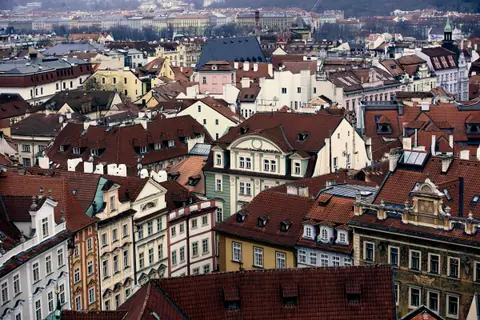
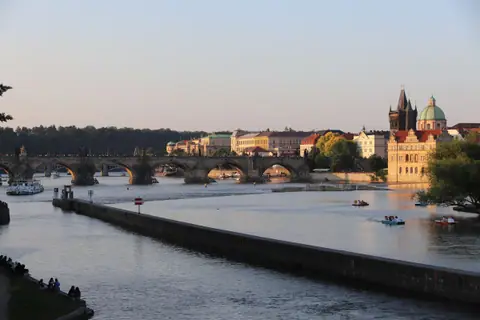
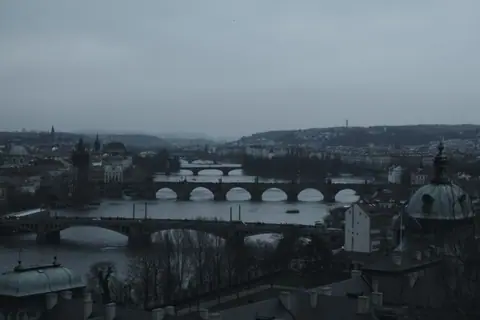
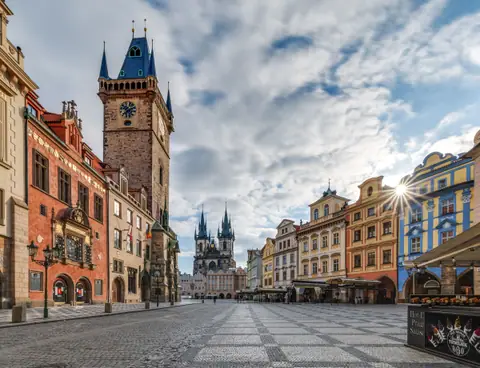
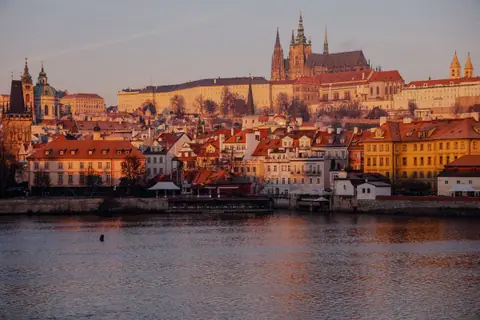
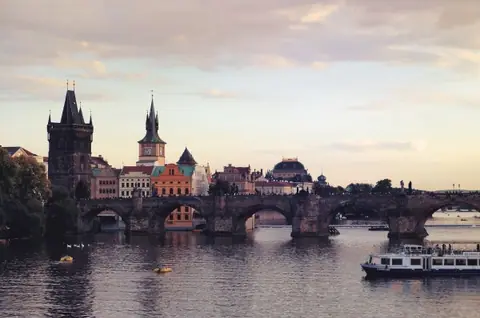
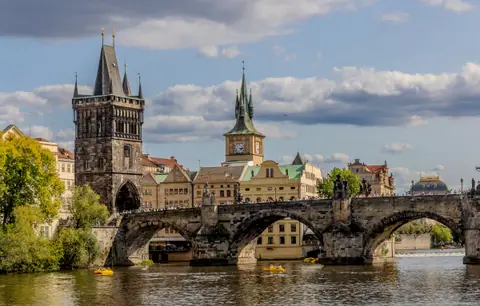
Prague grew up on both banks of the Vltava, and the river still explains the city. On the west side, Prague Castle runs along the ridge above the red roofs and Baroque domes of Malá Strana. On the east side, the Old Town packs Gothic towers, the astronomical clock and the synagogues of the former Jewish ghetto into a tangle of lanes. Charles Bridge joins the two, as it has since the 14th century.
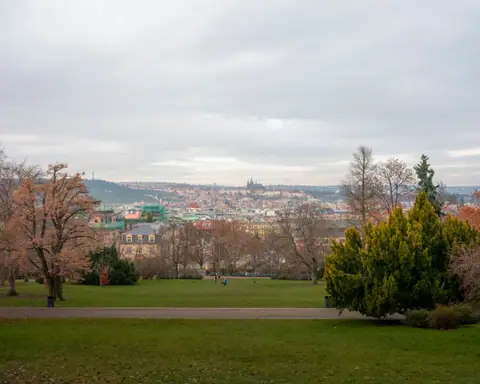
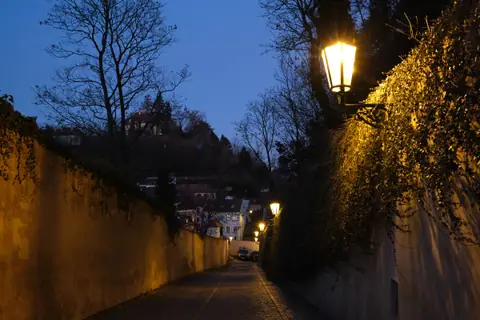
The centre gets very crowded between late morning and dusk, so the city rewards early starts and evenings away from the main squares. Walk the bridge at dawn, eat lunch where office workers eat, and spend at least one afternoon in Vyšehrad, Letná or Vinohrady, where Prague lives rather than performs. Our first-timer briefing covers money, tickets and the traps to avoid.
Getting there
Václav Havel Airport sits about 17 km west of the centre. Trolleybus 59 links it to metro line A at Nádraží Veleslavín, bus 100 runs to metro line B at Zličín, and the Airport Express bus goes straight to the main station on its own ticket. Long-distance trains arrive at Praha hlavní nádraží. All the options are in our transport guide.
Where to stay
For a short first visit, Malá Strana and the Old Town put you next to the sights; for space, lower rates and better restaurants, look at Vinohrady, Karlín or Letná, all a few metro or tram stops out. We compare five areas in where to stay in Prague.
Things to do
The core is the castle district, Charles Bridge, the Old Town Square and the Jewish Quarter, with Vyšehrad and the Letná beer garden for the views. The full list, with what to skip, is in things to do in Prague, and the evening options are in our nightlife guide.
Food and drink
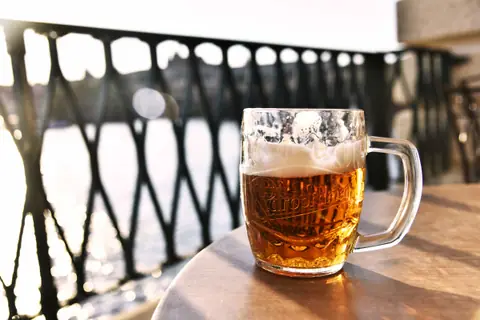
Czech cooking is built for cold days: svíčková beef in cream sauce, roast pork with dumplings and sauerkraut, fried cheese with tartar sauce. The beer is the real draw, poured fresh from tanks in pubs across the city. Start with our food and beer guide.
Culture
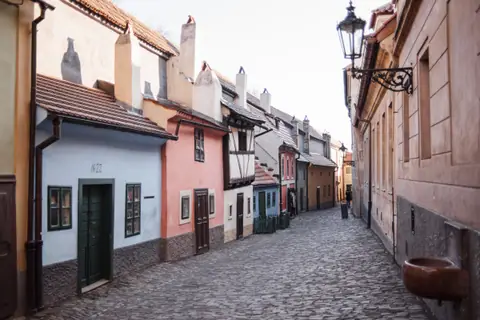
Prague was the seat of Holy Roman emperors, the stage for the Hussite wars, a centre of Jewish life for a thousand years, and the city where the Velvet Revolution ended communist rule in 1989. Kafka, Dvořák and Mucha all left traces you can still visit, from Golden Lane to the cemetery at Vyšehrad.
Weather by month
Prague is warmest in July, with average highs around 26°C, and coldest in January, when nights drop to about -2°C. August is the wettest month, with rain on about 11 days. For mild weather with fewer rainy days, aim for September.
| Month | Low | Range | High | Rain | Rainy days |
|---|---|---|---|---|---|
| Jan | -2°C | 4°C | 40 mm | 12 d | |
| Feb | -1°C | 7°C | 41 mm | 10 d | |
| Mar | 1°C | 10°C | 37 mm | 10 d | |
| Apr | 4°C | 15°C | 40 mm | 9 d | |
| May | 9°C | 20°C | 67 mm | 12 d | |
| Jun | 14°C | 25°C | 75 mm | 12 d | |
| Jul | 16°C | 26°C | 61 mm | 11 d | |
| Aug | 16°C | 26°C | 81 mm | 11 d | |
| Sep | 11°C | 21°C | 56 mm | 8 d | |
| Oct | 7°C | 15°C | 53 mm | 11 d | |
| Nov | 2°C | 9°C | 44 mm | 10 d | |
| Dec | 0°C | 5°C | 45 mm | 10 d |
Averages of daily values from 2015 to 2024. Rainy days are days with at least 1 mm of rain. Source: Open-Meteo · Compare destinations by month.
Prague on the map
Every place we cover in Prague. Tap a category or pin to explore.
In-depth Prague guides
Browse the guides grouped by topic: sights, neighbourhoods, food, transport, day trips and trip planning.
Sights, Landmarks & Parks
Key monuments, viewpoints, museums and nature trails.
- Best Things to Do in PragueThe big landmarks, the viewpoints and the local habits that make a Prague trip.
- Prague Castle and Malá Strana: How to VisitA walking route through the castle complex and the Baroque streets of the Lesser Town below it.
- Charles Bridge Guide: History, Statues and When to GoThe 14th-century stone bridge, its 30 statues and how to see it without the crowds.
- Petřín Hill: Lookout Tower, Gardens and FunicularThe green hill above Malá Strana, with a lookout tower, orchards and the city's calmest views.
- Vyšehrad, Letná and Prague Beyond the Old TownViewpoints, beer gardens and residential districts where Prague lives rather than performs.
Neighbourhoods & Where to Stay
Districts, historic quarters and the best bases for your stay.
- The Old Town, Charles Bridge and the Jewish QuarterA half-day walk from Charles Bridge to the Old Town Square and the synagogues of Josefov.
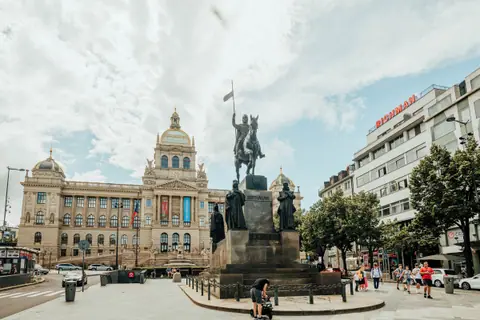
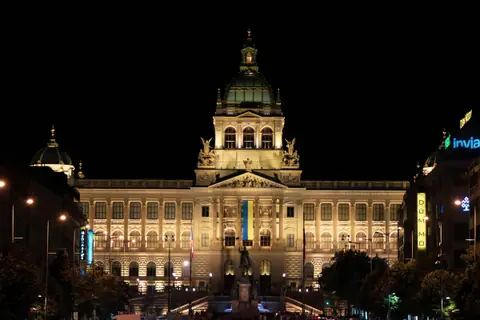
- Wenceslas Square and the New Town: A Walking RouteA self-guided walk through the boulevards where modern Czech history happened.
- Prague Nightlife: Pubs, Jazz, Clubs and the RulesWhere to drink, dance and hear music after dark, and the rules that now apply.
- Where to Stay in Prague: Neighbourhoods ComparedFive areas compared, from the castle's quiet lanes to residential Vinohrady.
Food & Drink
Local dishes, markets, cafés and dining districts.
Getting Around & Arrival
Airport transfers, public transit, passes and driving rules.
Day Trips & Excursions
Easy half-day and full-day trips from the city.
Trip Planning & Itineraries
When to visit, what to pack and day-by-day routes.
- Prague: What to Know Before You GoLayout, money, tickets and the habits that make a first visit to Prague easier.
- Best Time to Visit PragueSeason by season, from spring blossom on Petřín to the Christmas markets.
- What to Wear in PragueCobblestones, hills and changeable weather decide what you pack for Prague.
- 3 Days in Prague: A Day-by-Day ItineraryThree well-paced days that start early, avoid the crowds and end at a beer garden.
Need your embassy or consulate in Czech Republic? See embassies and consulates in Czech Republic.
Reviews
Log in to write a review.
No reviews yet.