Visby
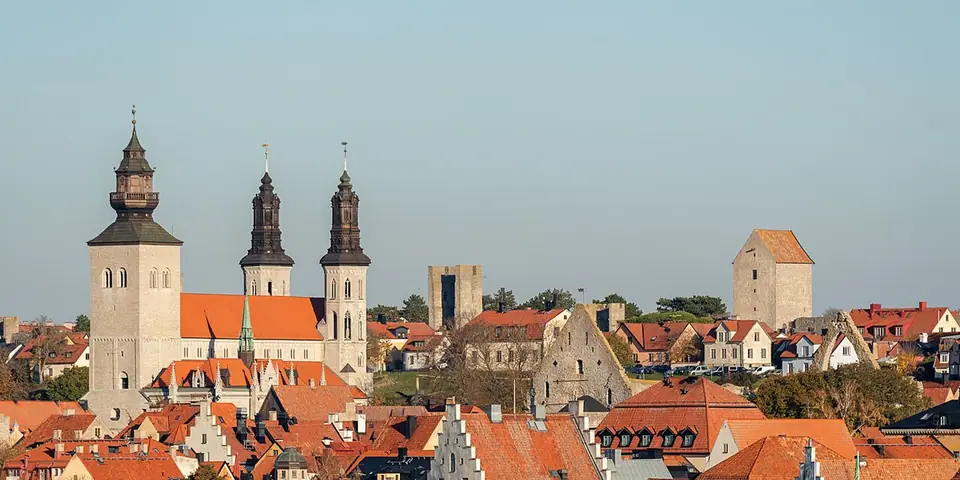
Inscribed as a UNESCO World Heritage Site in 1995, Visby on the Baltic island of Gotland preserves a 3.44-kilometre medieval limestone city wall, Hanseatic step-gabled warehouses, cathedral spires, and vaulted church ruins beside coastal cliffs and sea stack fields.
Quick decisions
Overview
Standing on the northwestern coast of Gotland, Sweden's largest island at 2,994 square kilometres, Visby grew from a Viking Age trading shore and pagan sanctuary into the central Baltic depot of the Hanseatic League. Its name combines Old Norse Vi, meaning a place of sacrifice, with by, meaning village or town. Inscribed on the UNESCO World Heritage List in 1995 as the Hanseatic Town of Visby, the settlement is known across Sweden as the City of Roses and Ruins (rosornas och ruinernas stad) and had an urban population of about 26,000 in February 2024.
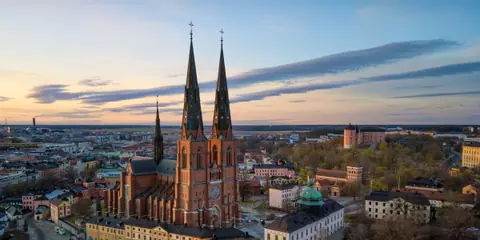
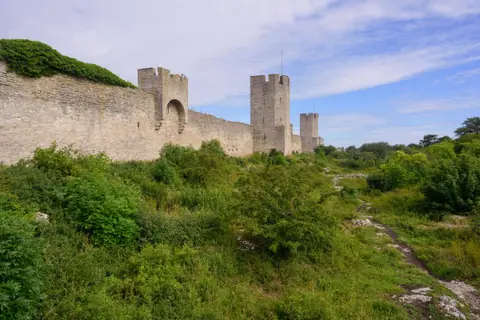
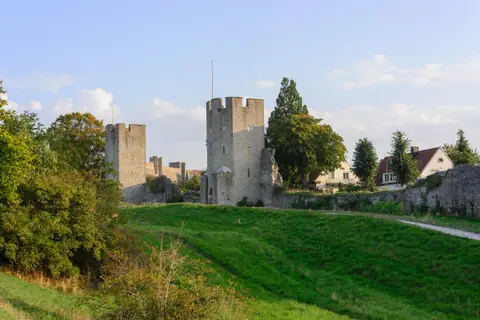
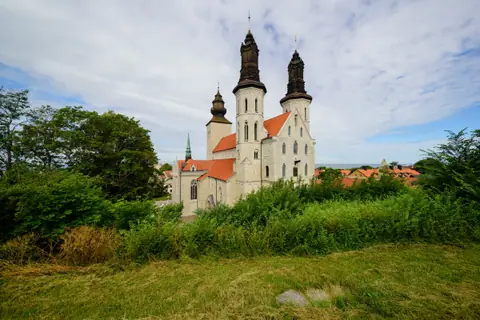
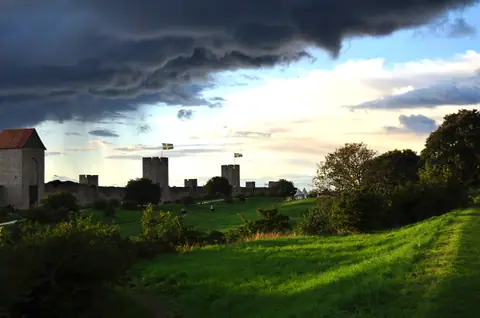
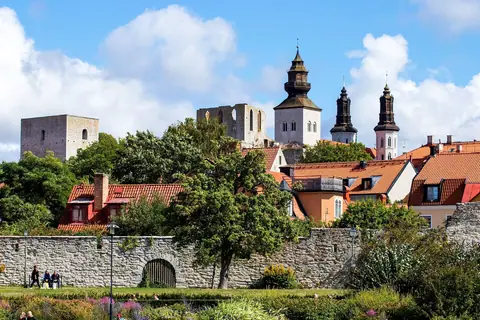
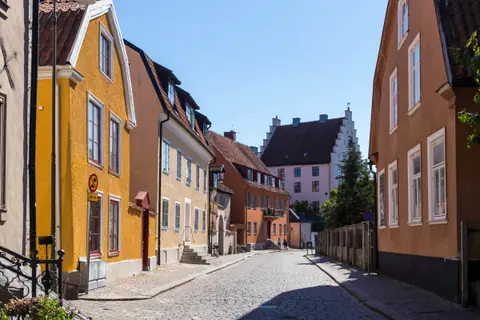
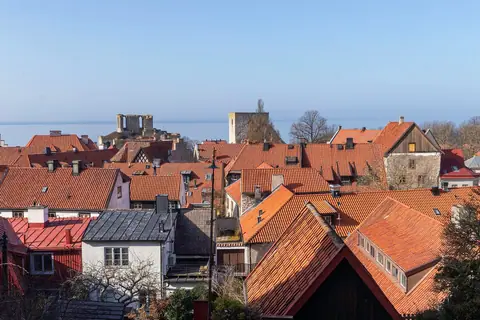
Encircling the cobbled centre is the 12th to 14th century limestone defensive wall, Visby ringmur, of which 3.44 kilometres of the original 3.6 kilometres survive along with 27 ground towers and 9 saddle towers. Within the gates stand the three spires of Visby Sankta Maria Cathedral, consecrated on 27 July 1225, more than ten medieval stone church ruins including Sankta Karin and Sankt Nicolai, and the step-gabled Hanseatic merchant storehouses of Strandgatan such as the 13th century Gamla apoteket.
Getting there
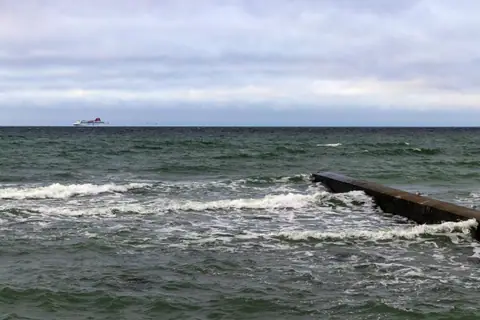
Destination Gotland, founded in 1998 as a subsidiary of Rederi AB Gotland, operates high-speed Ro-Pax ferries between the Swedish mainland ports of Nynäshamn (58 kilometres south of Stockholm) and Oskarshamn (in Småland) and Visby harbour, with crossings taking roughly 3 hours. Visby Airport (VBY), opened on 27 January 1942 located 3.5 kilometres north of the city wall, handles year-round domestic flights from Stockholm alongside seasonal routes. Inside the medieval walls, steep cobbled streets are best explored on foot, while regional Gotlandsbuss services and rented bicycles or cars connect Högklint, Lummelunda Cave, and Fårö.
Where to stay
Accommodation in Visby divides between historic merchant properties inside the 3.44-kilometre city wall and resort or cabin bases along the Baltic shore. Strandgatan, Donners plats, and Packhusplan sit on the lower western terrace within a 10-minute walk of the ferry terminal, while Stora torget and upper Klinten place you beside medieval church ruins and rooftop viewpoints. Travellers touring Gotland by car also stay immediately outside Österport and Söderport or along the coast at Snäck and Kneippbyn.
Things to do
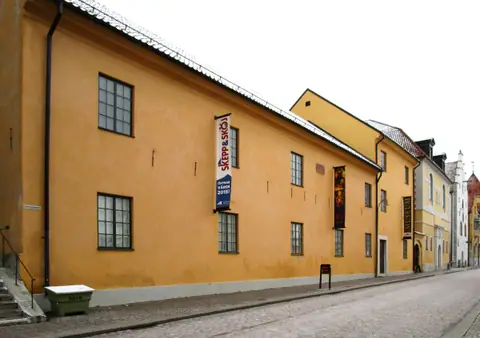
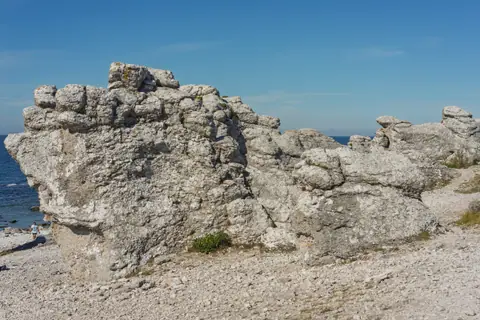
Start at the 12th century harbour watchtower Kruttornet beside Almedalen and walk the 3.44-kilometre circuit of Visby ringmur past Norderport, Dalmanstornet, Österport, and Söderport. Step inside Visby Sankta Maria Cathedral (consecrated 1225) and the roofless limestone church ruins of Sankta Karin, Sankt Nicolai, Drotten, and Sankt Lars, then visit Gotlands Museum (Fornsalen) on Strandgatan to see carved Viking picture stones and the 67-kilogram Spillings Silver Hoard. Outside the wall, follow coastal trails to the 48-metre cliff of Högklint or drive north to Lummelunda Cave and the sea stacks of Fårö.
Food and drink
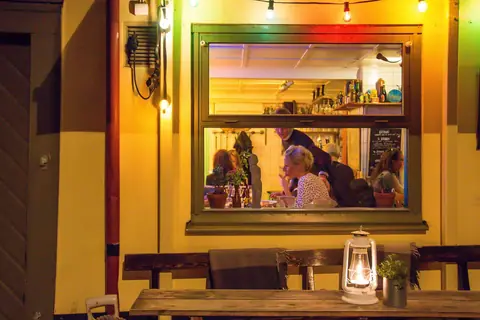
Gotland's regional table blends Hanseatic spice traditions with island pastures and Baltic waters. Every café and bakery serves saffranspannkaka (oven-baked saffron rice pudding with chopped almonds) topped with whipped cream and wild salmbärssylt (dewberry jam). Courtyard bistros around Stora torget, Södra Kyrkogatan, and Strandgatan feature curly-fleeced Gotland lamb, spring kajpsoppa (wild garlic soup), autumn Gotland truffles, smoked Baltic flounder, and smoky juniper-flavoured gotlandsdricka.
Culture
Visby's cultural identity bridges Viking and Hanseatic heritage with modern Swedish civic life. In calendar week 26 around late June, Almedalen park and Uppsala University Campus Gotland host Almedalsveckan, Sweden's premier democratic forum originated by Olof Palme's lorry speech on 25 July 1968. In calendar week 32 each August since 1984, Medeltidsveckan transforms the walled town and church ruins with over 800 medieval markets, concerts, and jousting tournaments commemorating King Valdemar Atterdag's 1361 invasion at Korsbetningen.
Weather by month
Visby is warmest in July, with average highs around 22°C, and coldest in February, when nights drop to about -3°C. July is the wettest month, with rain on about 10 days. For mild weather with fewer rainy days, aim for June.
| Month | Low | Range | High | Rain | Rainy days |
|---|---|---|---|---|---|
| Jan | -2°C | 2°C | 43 mm | 7 d | |
| Feb | -3°C | 2°C | 35 mm | 6 d | |
| Mar | -2°C | 4°C | 28 mm | 5 d | |
| Apr | 1°C | 10°C | 25 mm | 4 d | |
| May | 5°C | 15°C | 29 mm | 5 d | |
| Jun | 10°C | 19°C | 43 mm | 7 d | |
| Jul | 13°C | 22°C | 61 mm | 10 d | |
| Aug | 13°C | 21°C | 57 mm | 10 d | |
| Sep | 10°C | 17°C | 48 mm | 8 d | |
| Oct | 6°C | 11°C | 54 mm | 9 d | |
| Nov | 3°C | 6°C | 56 mm | 9 d | |
| Dec | 0°C | 4°C | 56 mm | 9 d |
Averages of daily values from 2015 to 2024. Rainy days are days with at least 1 mm of rain. Source: Open-Meteo · Compare destinations by month.
Visby on the map
Every place we cover in Visby. Tap a category or pin to explore.
In-depth Visby guides
Browse the guides grouped by topic: sights, neighbourhoods, food, transport, day trips and trip planning.
Sights, Landmarks & Parks
Key monuments, viewpoints, museums and nature trails.
- Things to Do in Visby: Walled Lanes, Ruins and Baltic CliffsExplore the top things to do in Visby, from walking the 3.44 km medieval city wall and vaulted church ruins to viewing the Spillings Viking silver hoard.
- Visby City Wall and Towers: Walking the 3.44 km Medieval RingmurWalk the 3.44 km medieval limestone city wall of Visby (Visby ringmur), exploring Kruttornet, Norderport, Dalmanstornet, Österport, and Söderport.
- Visby Cathedral and Church Ruins: Sankta Maria, Sankta Karin and Sankt NicolaiVisit Visby Sankta Maria Cathedral (consecrated 1225) and the roofless limestone church ruins of Sankta Karin, Sankt Nicolai, Drotten, and Sankt Lars.
- Gotlands Museum (Fornsalen) and the Spillings Viking Silver HoardVisit Gotlands Museum (Fornsalen) on Strandgatan to see the 87 kg Spillings Viking Hoard, 8th century carved picture stones, and 1361 Battle of Visby armour.
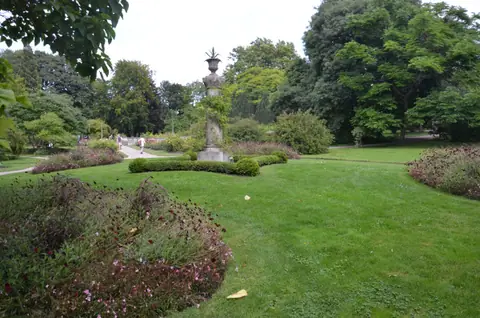
- DBW's Botanical Garden and Almedalen: Visby's Green SeafrontDiscover DBW's Botanical Garden (founded 1855) and Almedalen park in Visby, from exotic trees and Sankt Olof ruin to Uppsala University Campus Gotland.
- Medieval Week (Medeltidsveckan) and the 1361 Battle of Visby at KorsbetningenExplore the history of the 27 July 1361 Battle of Visby, the memorial cross at Korsbetningen, and Gotland's annual Medieval Week (Medeltidsveckan).
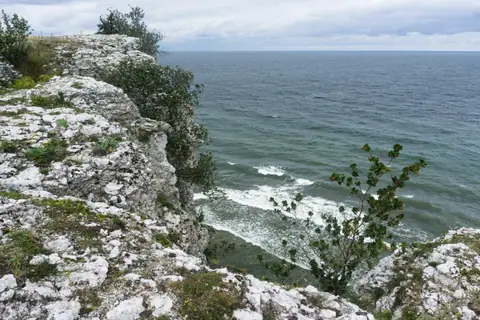
- Coastal Walks, Högklint Sea Cliffs and Kneippbyn's Villa VillekullaWalk or cycle from Visby's Strandpromenaden to the 48-metre limestone cliff of Högklint and visit the original Pippi Longstocking house at Kneippbyn.
Neighbourhoods & Where to Stay
Districts, historic quarters and the best bases for your stay.
- Visby: Essential Planning for Gotland's Walled TownPlan your visit to Visby on Gotland with practical advice on the four tiers of the walled town, ferry and airport links, and island transport.
- Stora Torget, Strandgatan and Visby's Medieval LanesStroll Strandgatan, Donners plats, Stora torget, Fiskargränd, and Klinten to see Visby's 13th century Hanseatic merchant storehouses and rose-draped cottages.
- Where to Stay in Visby: Best Areas Inside and Around the Medieval WallChoose the best area to stay in Visby on Gotland, comparing Strandgatan and Donners plats, Stora torget and Klinten inside the wall, and coastal resorts.
- Best Time to Visit Visby: SMHI Weather, Rose Season and FestivalsCheck SMHI 1991 to 2020 monthly climate normals for Visby and compare June rose season, July beach weather, August Medieval Week, and winter markets.
- 3 Days in Visby: Medieval Wall, Church Ruins and Fårö ItineraryFollow a balanced 3-day Visby itinerary covering the 3.44 km medieval city wall, cathedral and church ruins, Gotlands Museum, Högklint, Lummelunda Cave, and Fårö.
Food & Drink
Local dishes, markets, cafés and dining districts.
Getting Around & Arrival
Airport transfers, public transit, passes and driving rules.
Day Trips & Excursions
Easy half-day and full-day trips from the city.
Need your embassy or consulate in Sweden? See embassies and consulates in Sweden.
Reviews
Log in to write a review.
No reviews yet.