Berlin
A wide, flat capital of palaces, museums, Wall memorials, big parks and neighbourhood food, where each district has its own character.
Quick decisions
How many days?
3 days: the historic centre, one museum day and one Wall-history route. 4 or 5 days: add City West, the parks and a neighbourhood evening. Our 3-day itinerary shows how to group them.
Where should I stay?
Mitte: the easiest base for a first visit. Friedrichshain and Kreuzberg: food and nightlife. Prenzlauer Berg: calm, café-lined streets. Charlottenburg: City West and shopping. See where to stay in Berlin.
Do I need a car?
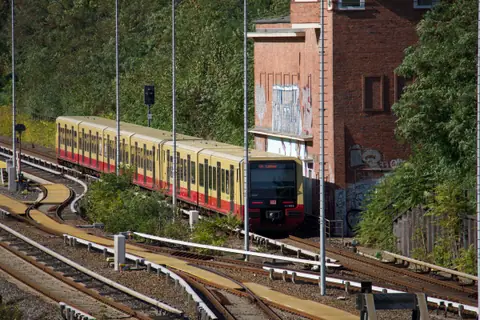
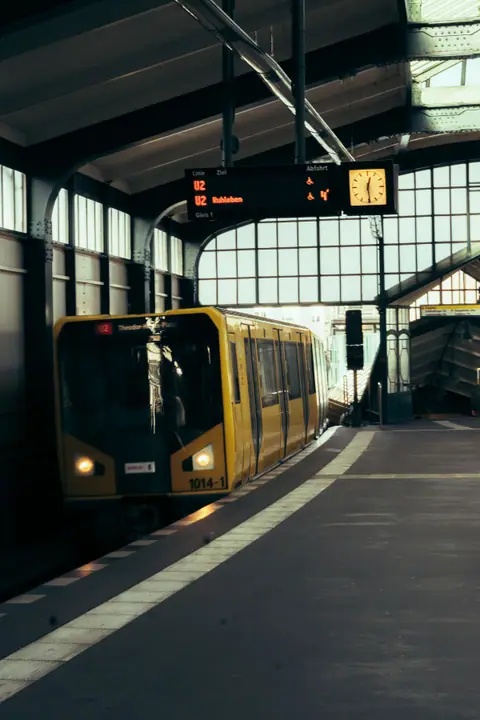
No. S-Bahn, U-Bahn, trams and buses cover the whole city on one ticket system. Use trains for distance and walk the last stretch. Zones and tickets are explained in our getting around guide.
Best for
History: Wall sites and memorials that explain the twentieth century. Museums: Museum Island and a dozen others. Neighbourhoods: Kreuzberg, Neukölln, Prenzlauer Berg. Nightlife: a club scene that spreads across districts. Parks: Tiergarten and Tempelhofer Feld.
Before you go
Register for the Reichstag dome: it is free but needs advance booking. Check museum schedules: the Pergamonmuseum is scheduled to reopen in June 2027. Carry some cash: many small places still prefer it.
Spending less
Several of the most important sights are free, including the Wall Memorial, the Topography of Terror, Tiergarten and Tempelhofer Feld. Our budget guide and the WelcomeCard guide help you decide what is worth paying for.
Continue your trip
Potsdam and its palaces make an easy day out with a zone C ticket. Long-distance trains also link Berlin with Hamburg, Prague, Dresden and Leipzig from the central station.
Overview
Berlin is one of Europe's most layered capitals. Prussian avenues and imperial museums sit beside Nazi-era sites and Cold War landmarks, and the same streets hold new architecture, small cafés, big parks and a club scene that changes from one district to the next. The city is large, but it rewards anyone who plans by cluster instead of crossing it again and again for single sights.
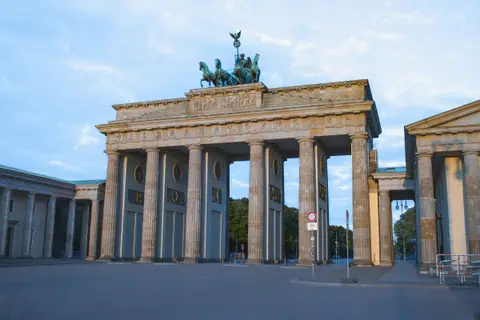
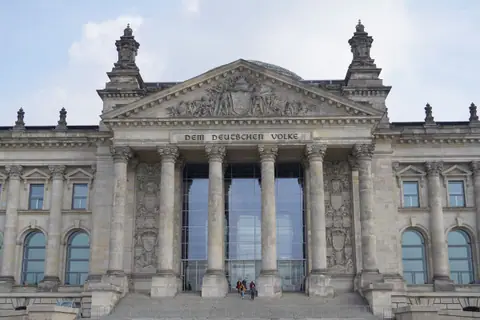
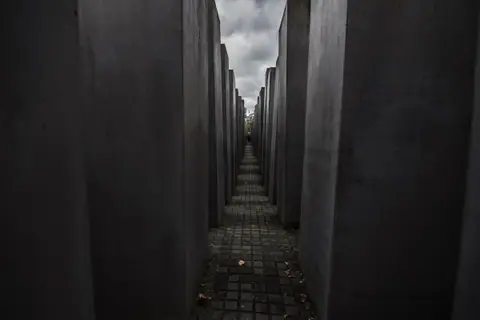
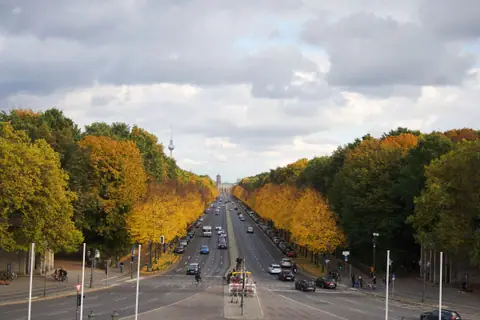
The useful question for a first trip is which version of Berlin each day should show. A historic-centre day links the Brandenburg Gate, the Reichstag, the Memorial to the Murdered Jews of Europe and Unter den Linden. An eastern day follows the Wall from Bernauer Strasse to the East Side Gallery. A western day pairs Charlottenburg Palace with Kurfürstendamm. Begin with our Berlin travel guide for the planning basics.
Museum plans need a quick check this year. The Pergamonmuseum is closed for renovation and is scheduled to reopen on 4 June 2027, and the German Historical Museum's permanent exhibition in the Zeughaus is closed, though its Pei Building still opens for temporary shows. The Bode-Museum and the Alte Nationalgalerie remain open. Build the days around what is open on your dates, not around an old list.
Getting there
BER Airport is the city's air gateway, with rail links to the centre, and the central station takes the long-distance trains. Inside the city, one ticket system covers the S-Bahn, U-Bahn, trams and buses. Our getting there guide covers the airport and the stations, and the getting around guide explains the zones.
Where to stay
Mitte suits first visits because the main sights are within walking distance. Friedrichshain and Kreuzberg suit food and late nights, Prenzlauer Berg suits slower mornings, and Charlottenburg suits City West. A room near a strong S-Bahn or U-Bahn station beats a bigger room in a weak spot. We compare the areas in our where to stay guide.
Things to do
Start with the best things to do in Berlin, then choose a cluster: Museum Island for museums, the Berlin Wall Memorial and the Topography of Terror for twentieth-century history, Tiergarten and Tempelhofer Feld for open space. For neighbourhood days, try Kreuzberg or Prenzlauer Berg.
Food and drink
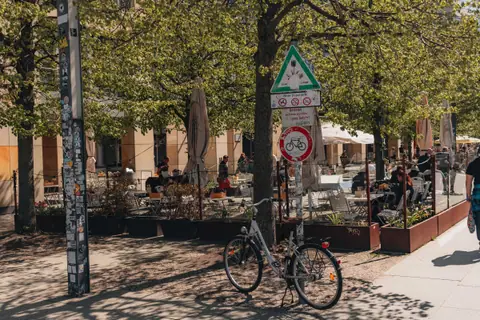
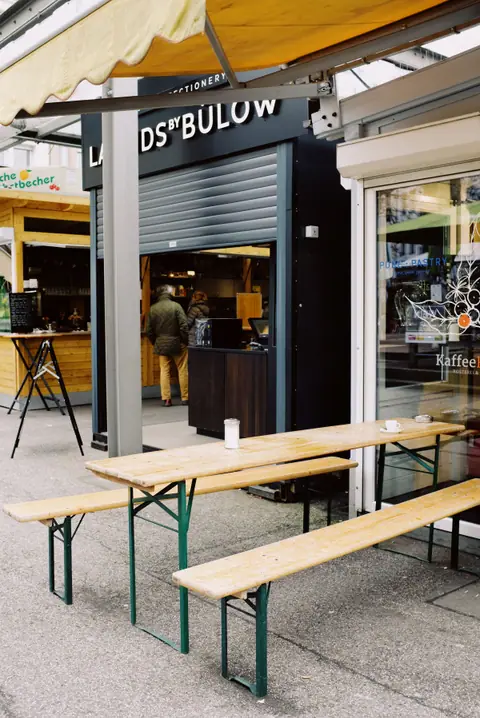
Berlin eats far beyond traditional German food. Currywurst and the döner kebab are the two city institutions, shaped by post-war history and Turkish migration, and markets and food halls make it easy to mix both with Vietnamese, Korean, Polish or Middle Eastern kitchens. Our food and street food guide shows where to start, and the nightlife guide covers the late hours.
Culture
Berlin's culture is a conversation with its own past: Prussian court life, the capital of two dictatorships, a divided city and a reunited one. The memorials are meant to be read, not photographed in passing, so give them time and quiet. Migrant communities have shaped the food and the neighbourhoods, and the club scene, on the world map since the 1990s, is part of the city's identity. The Jewish Museum and the DDR Museum are two useful ways to meet that history from different angles.
Weather by month
Berlin is warmest in August, with average highs around 26°C, and coldest in January, when nights drop to about -1°C. June is the wettest month, with rain on about 10 days. For mild weather with fewer rainy days, aim for May, August and September.
| Month | Low | Range | High | Rain | Rainy days |
|---|---|---|---|---|---|
| Jan | -1°C | 4°C | 57 mm | 14 d | |
| Feb | 0°C | 6°C | 48 mm | 11 d | |
| Mar | 1°C | 10°C | 45 mm | 12 d | |
| Apr | 4°C | 14°C | 33 mm | 9 d | |
| May | 9°C | 19°C | 42 mm | 8 d | |
| Jun | 14°C | 24°C | 71 mm | 10 d | |
| Jul | 15°C | 25°C | 65 mm | 11 d | |
| Aug | 16°C | 26°C | 47 mm | 9 d | |
| Sep | 12°C | 21°C | 40 mm | 8 d | |
| Oct | 8°C | 15°C | 56 mm | 11 d | |
| Nov | 3°C | 9°C | 49 mm | 11 d | |
| Dec | 1°C | 6°C | 51 mm | 12 d |
Averages of daily values from 2015 to 2024. Rainy days are days with at least 1 mm of rain. Source: Open-Meteo · Compare destinations by month.
Berlin on the map
Every place we cover in Berlin. Tap a category or pin to explore.
In-depth Berlin guides
Browse the guides grouped by topic: sights, neighbourhoods, food, transport, day trips and trip planning.
Sights, Landmarks & Parks
Key monuments, viewpoints, museums and nature trails.
- Best Things to Do in BerlinEleven things to do in Berlin, grouped by area, with one stop to skip.
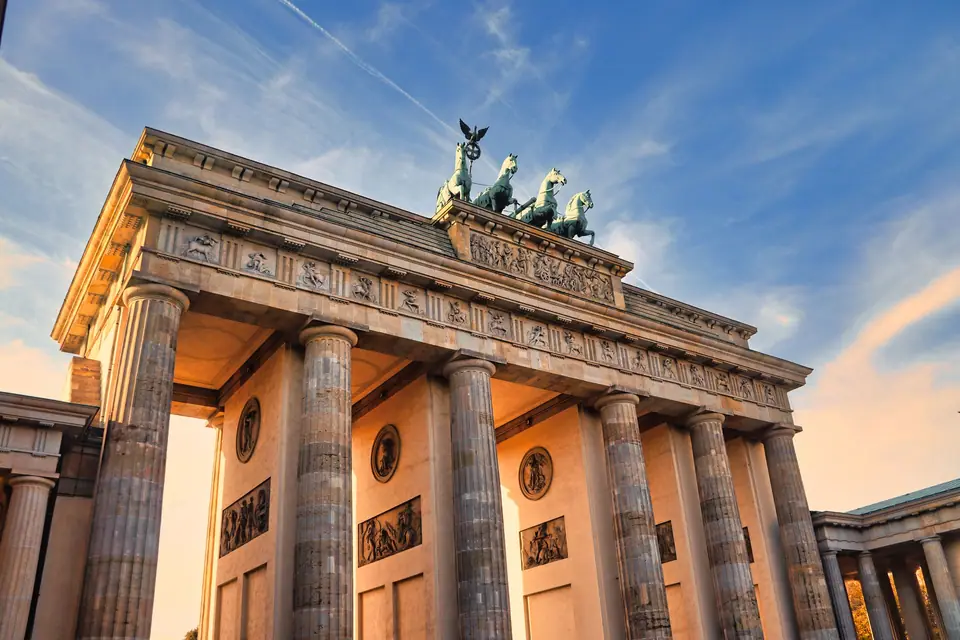
- Brandenburg Gate GuideBerlin's neoclassical gate, the quadriga on top and the square in front.
- Reichstag Dome GuideA free glass dome over the German parliament, with registration required.
- Memorial to the Murdered Jews of Europe GuidePeter Eisenman's field of stelae and the information centre beneath it.
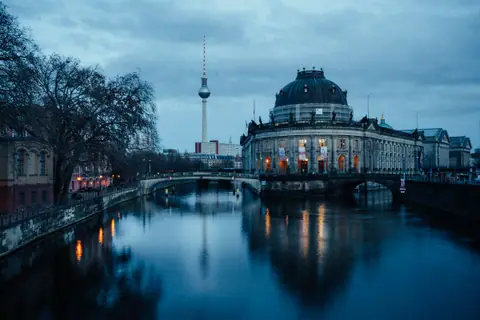
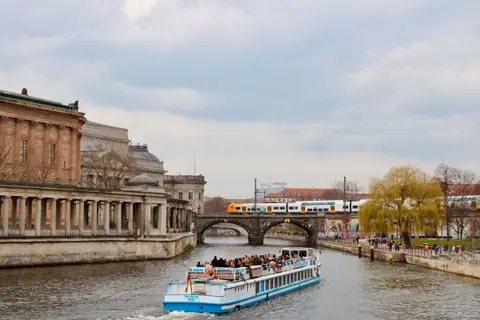
- Museum Island GuideFive museums on a Spree island, and how to choose between them.
- Neues Museum GuideNefertiti, Egyptian antiquities and a building that kept its war scars.
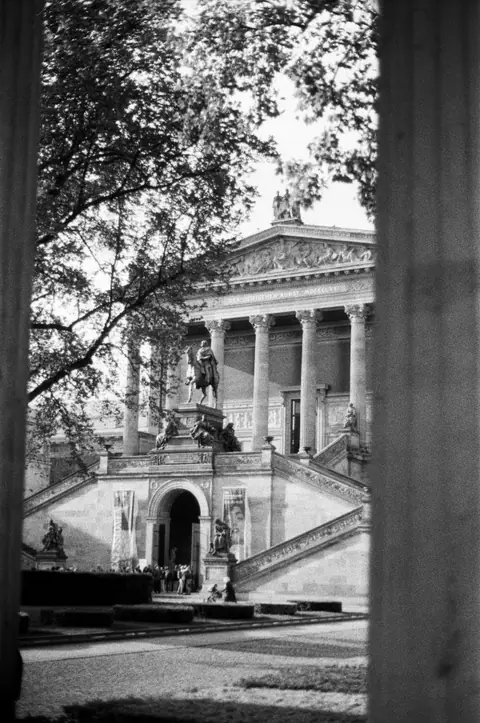
- Alte Nationalgalerie GuideNineteenth-century German and French painting in a temple on the Spree.
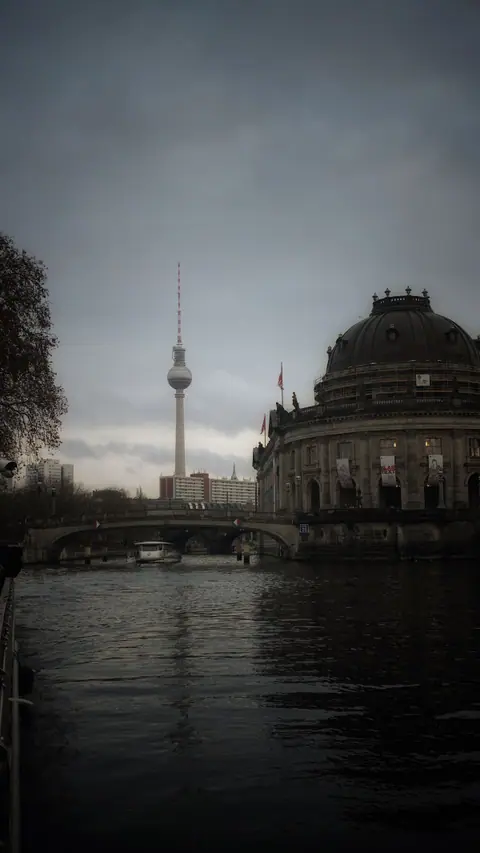
- Bode-Museum GuideSculpture, Byzantine art and coins in a domed building at the island's tip.
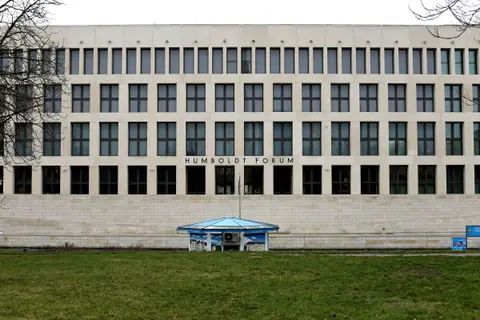
- Humboldt Forum GuideThe rebuilt palace on Museum Island, with world cultures collections inside.
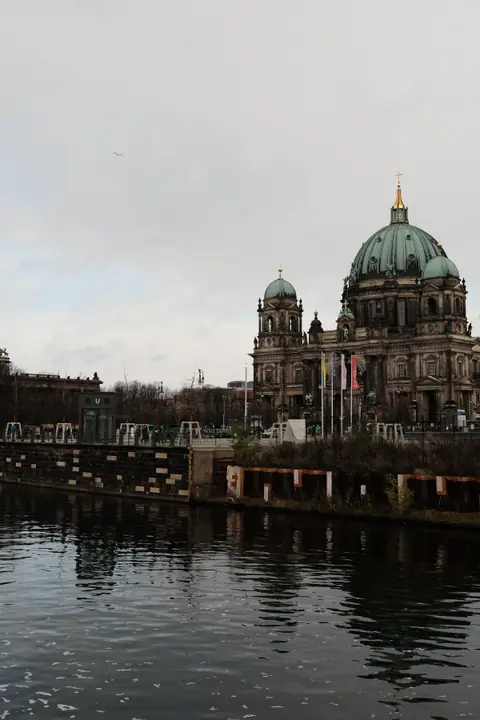
- Berlin Cathedral GuideA grand Protestant church on Museum Island with a dome you can climb.
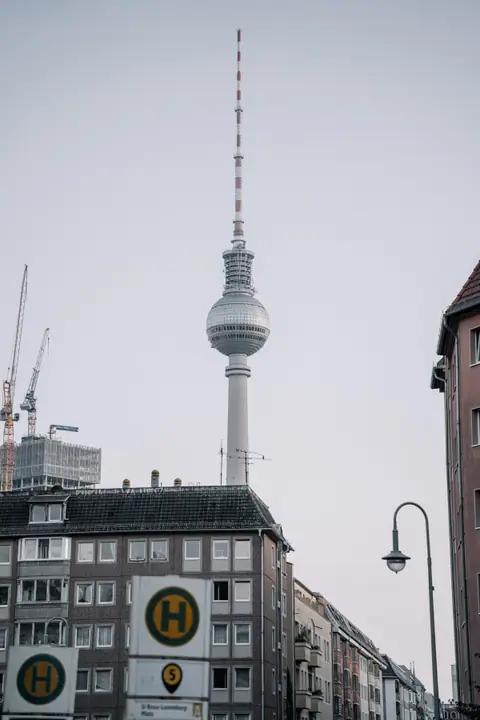
- Berlin TV Tower and Alexanderplatz GuideThe city's tallest landmark and the East Berlin square around its foot.
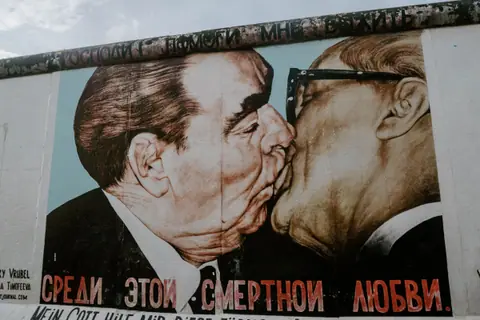
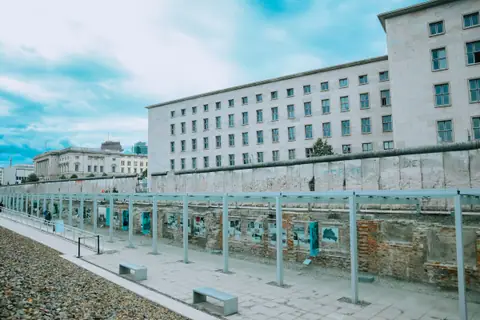
- East Side Gallery GuideThe longest surviving stretch of the Berlin Wall, painted by artists in 1990.
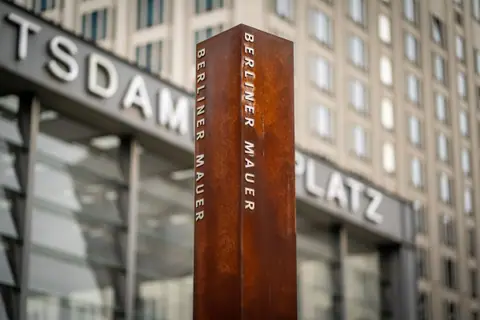
- Berlin Wall Memorial GuideThe central memorial to the division of Berlin, on Bernauer Straße.
- Topography of Terror GuideA free documentation centre on the site of the Gestapo and SS headquarters.
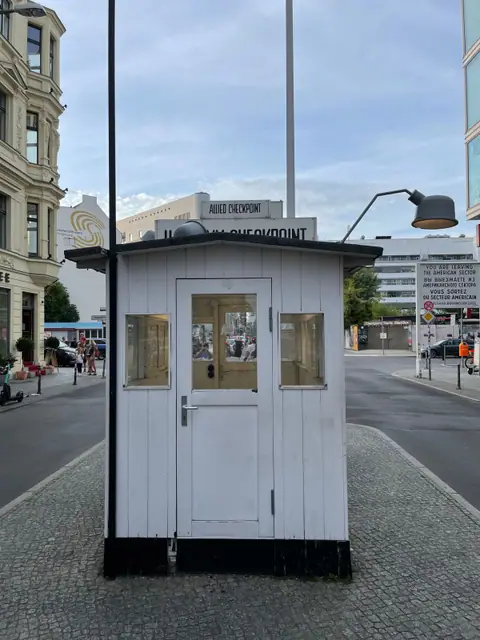
- Checkpoint Charlie GuideThe Cold War crossing point, now a busy photo stop with a few real clues.
- DDR Museum GuideA hands-on museum of daily life in East Germany, opposite the Cathedral.
- Jewish Museum Berlin GuideA museum of Jewish life in Germany, inside one of Berlin's most striking buildings.
- German Historical Museum GuideThe Zeughaus and the Pei Building: what is closed, what is open and who should still go.
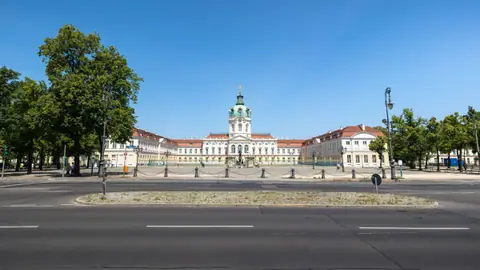
- Charlottenburg Palace GuideBerlin's largest surviving royal palace, with a baroque garden on the Spree.
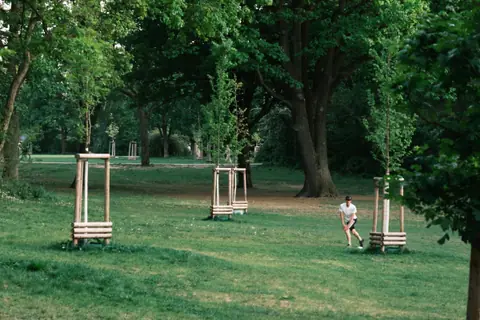
- Tiergarten GuideA walking route through Berlin's central park, from the Brandenburg Gate to the Zoo.
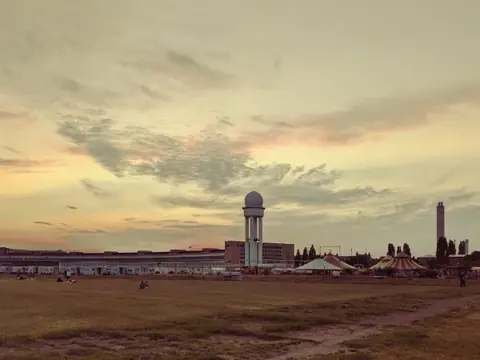
- Tempelhofer Feld GuideA former airport turned into one of the biggest open spaces in any European city.
Neighbourhoods & Where to Stay
Districts, historic quarters and the best bases for your stay.
- Unter den Linden GuideBerlin's lime-lined boulevard from the Brandenburg Gate to Museum Island.
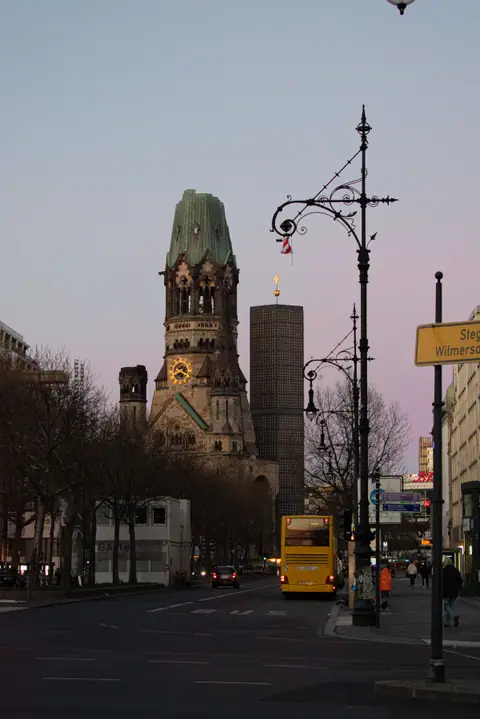
- Kurfürstendamm and City West GuideWest Berlin's grand shopping boulevard, its war-ruin church and the streets around it.
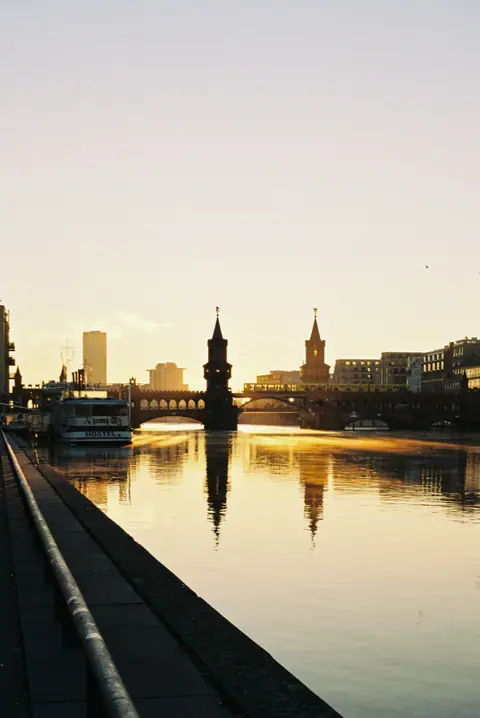
- Kreuzberg GuideA walking route from the Jewish Museum to the Oberbaum Bridge, through Berlin's most mixed district.
- Friedrichshain GuideA walking route through Berlin's east-side district of murals, clubs and Soviet-era boulevards.
- Prenzlauer Berg GuideA leafy East Berlin district of restored tenements, cafés and a Sunday park, best done on foot.
- Neukölln GuideBerlin's most mixed district: Arab and Turkish food, canal-side markets, bars and a village green.
- Schöneberg GuideA calm western district with Berlin's historic gay quarter, a market square and Kennedy's famous speech.
- Hackescher Markt and Scheunenviertel GuideCourtyards, galleries and Jewish heritage in a compact quarter of Mitte, steps from Museum Island.
- Where to Stay in Berlin: A Neighbourhood GuideFive Berlin areas compared by atmosphere, transport links and who each one suits.
Food & Drink
Local dishes, markets, cafés and dining districts.

Getting Around & Arrival
Airport transfers, public transit, passes and driving rules.
Trip Planning & Itineraries
When to visit, what to pack and day-by-day routes.
- Berlin: What to Know Before You GoHow Berlin is laid out, how long to stay and what to arrange before you arrive.
- Best Time to Visit BerlinLate spring and early autumn for walking, December for markets, summer for the lakes.
- What to Wear in BerlinComfortable shoes, layers and no fuss, with notes for clubs and memorials.
- Berlin WelcomeCard: Is a City Pass Right for You?What the WelcomeCard bundles, the three versions and how to decide.
- Berlin on a Budget: Free Sights and Smart ChoicesFree sights, cheap eating and the choices that make a Berlin trip cost less.
- Berlin Nightlife GuideWhich districts to go out in, how entry works, how late it runs and how to get home.
- Berlin 3-Day ItineraryThree days grouped by district: the historic centre, the Wall and the east, then history and the west.

Need your embassy or consulate in Germany? See embassies and consulates in Germany.
Reviews
Log in to write a review.
No reviews yet.