


























Isla de Lobos Sea Lion Colony, 1906 Lighthouse & Atlantic Whale Watching Guide
Experience Punta del Este's marine wildlife: boat out 8 km into the Atlantic to see 200,000 fur seals and sea lions around the 59m lighthouse of Isla de Lobos, and spot Southern Right Whales from July to October.
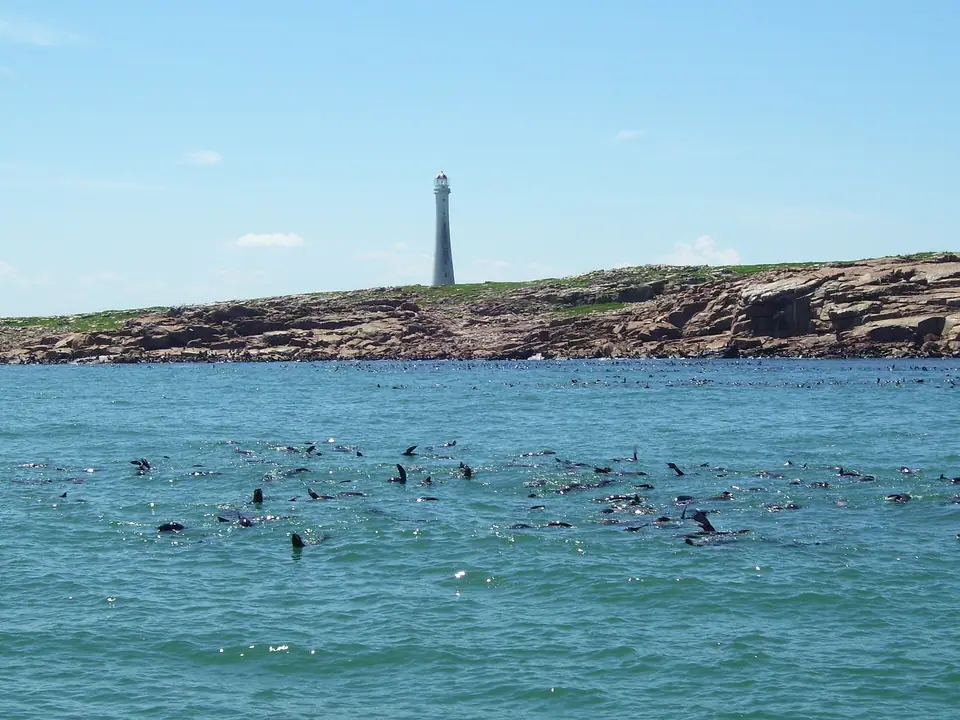
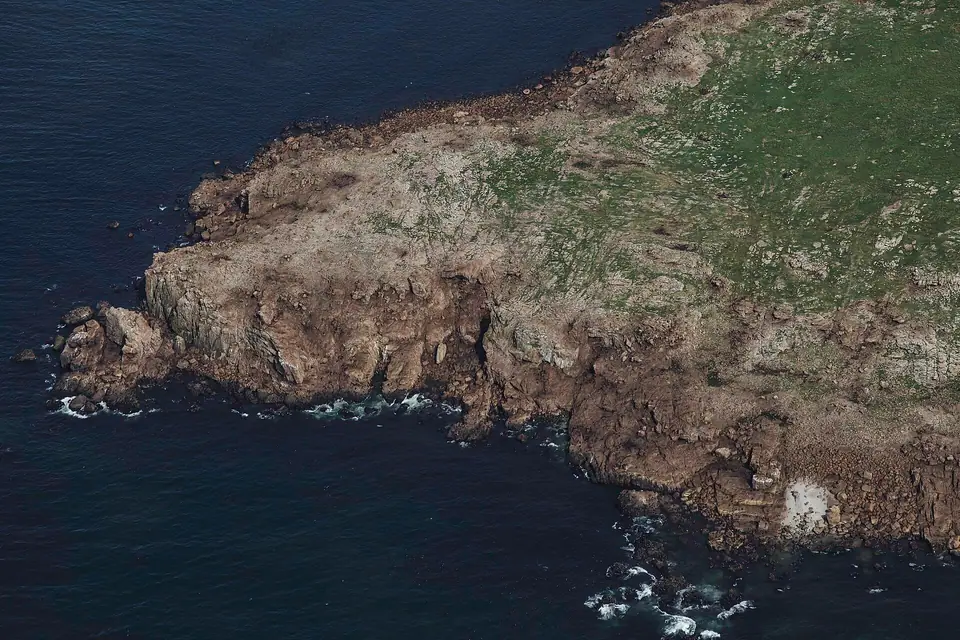
Look out across the horizon from Playa Brava on any clear day and you will spot a low granite silhouette crowned by a tall white tower eight kilometres out in the South Atlantic. That 41-hectare island is Isla de Lobos, part of Uruguay's National System of Protected Areas (SNAP) and home to the largest marine mammal rookery in South America.
1. Sailing to Isla de Lobos: Two Pinniped Species & Uruguay's Tallest Lighthouse
- 200,000 South American Fur Seals & 15,000 Sea Lions: Despite its compact size (1.2 kilometres long by 800 metres wide), Isla de Lobos shelters two distinct species of eared seals that thrive in the nutrient-rich convergence of the warm Brazil Current and the cold Malvinas (Falkland) Current:
- South American Fur Seals (Lobo marino de dos pelos, Arctocephalus australis): Numbering over 200,000 individuals, these agile, pointed-nosed seals have a dense double coat of waterproof guard hairs and insulating underfur.
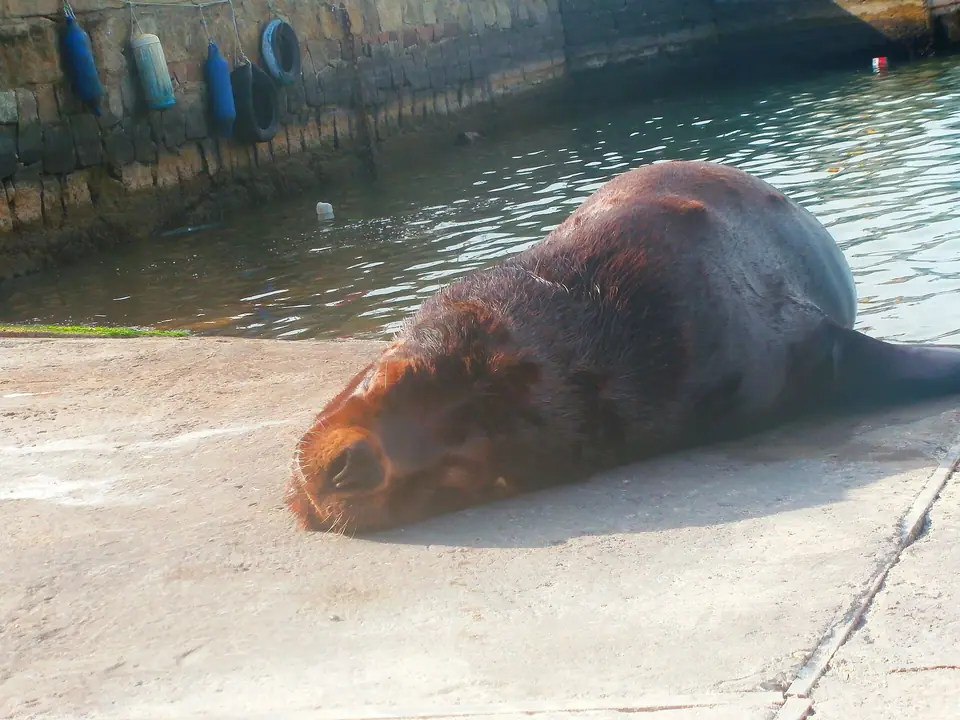
- South American Sea Lions (León marino de un pelo, Otaria flavescens): Roughly 15,000 individuals of this much larger, single-coated species inhabit the island and regularly swim into the Puerto de Punta del Este; adult males are instantly recognisable by their lion-like golden manes and deep roar.
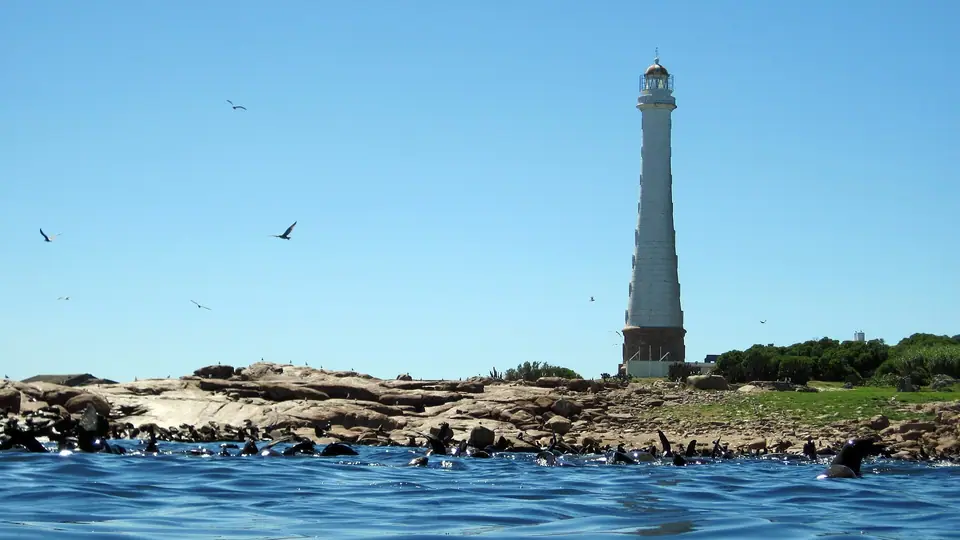
- Faro de Isla de Lobos (1906, 59 Metres High): Rising from the centre of the granite island is the 1906 Faro de Isla de Lobos. Standing 59 metres above the ground (66 metres above sea level), it is the tallest lighthouse in Uruguay and one of the tallest cylindrical concrete lighthouses in the world. Authorised nature boats depart from the Puerto de Punta del Este (a 40-minute crossing) to anchor in the calm lee of the island where curious seals swim right around the hull; check with licensed operators at the harbour for weather-dependent departures.
2. Watching Southern Right Whales (Ballena Franca Austral, July to October)
- Shoreline Whale Watching Along Playa Mansa, Punta Ballena & Playa Brava: Every austral winter and spring between July and October (peaking in August and September), dozens of Southern Right Whales (Eubalaena australis) measuring up to 16 metres long migrate north from sub-Antarctic feeding grounds to mate and nurse their calves in the shallow coastal waters of Maldonado and Rocha. Because the whales swim just 100 to 300 metres off the beach, you can watch them breach, tail-slap, and spout with the naked eye from the wooden viewing decks along Playa Mansa (Paradas 16 to 24), the rocky tip of Punta Salinas on the Peninsula, the ridge of Punta Ballena, and the lighthouse at José Ignacio.
Traveller tips
Real advice from people who have been to Isla de Lobos Sea Lion Colony, 1906 Lighthouse & Atlantic Whale Watching. Every tip is read by our team before it goes live.
No tips yet. Been here? Yours could be the first.
Thank you! Your tip will appear here after a quick review.
More in Punta del Este
Continue exploring Punta del Este with related neighbourhood, food, and planning guides
Punta del Este: Mansa vs Brava, Paradas & Coastal Layout
Punta del Este, Uruguay
12 Best Things to Do in Punta del Este: La Mano, Casapueblo, MACA & Islands
Punta del Este, Uruguay

How to Get to Punta del Este: Laguna del Sauce Airport (PDP), Montevideo Coaches & Ferries
Punta del Este, Uruguay
Best Time to Visit Punta del Este: Austral Summer, Autumn Wine Harvest & Winter Whales
Punta del Este, Uruguay
