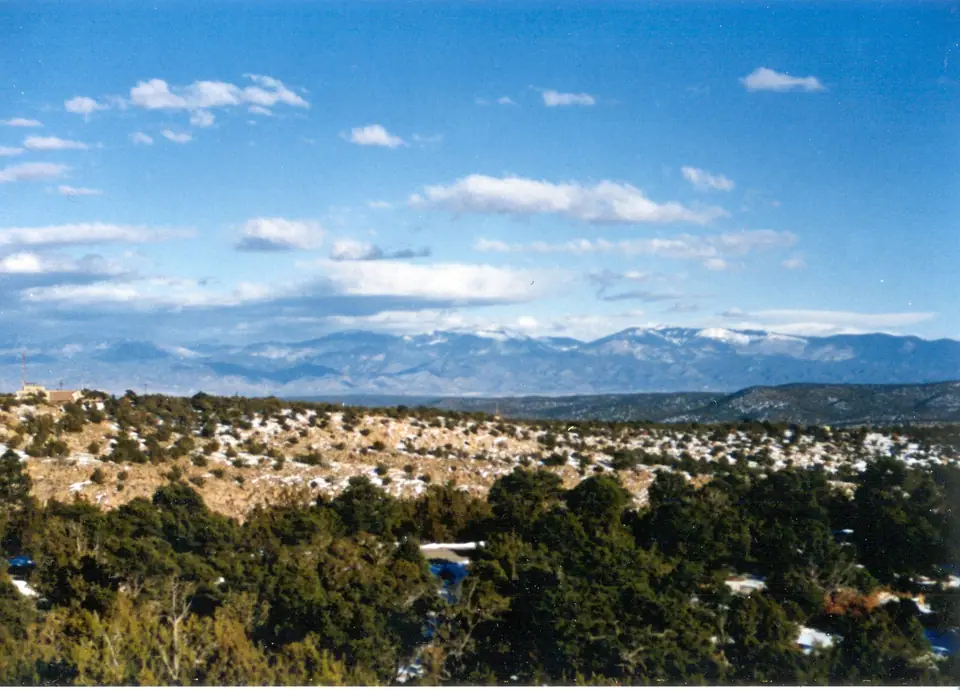
Photo: Chris Light · CC BY-SA 4.0
Best Time to Visit Santa Fe
Santa Fe offers over 320 days of sunshine across four distinct seasons, with autumn offering cooler temperatures and summer bringing mountain monsoons.
The best time to visit Santa Fe is in autumn, especially during September and October, when summer heat softens and market crowds thin.
High Altitude Climate and Geography at 7,000 Feet
Santa Fe is located at an elevation of 7,000 feet, which shapes its semiarid climate across four distinct seasons. The city enjoys over 320 days of sunshine each year under bright blue skies. Because of the mountain elevation, extreme heat is rare, with average July highs reaching 86 degrees Fahrenheit.
Winter brings much colder conditions, when January nights drop to roughly 20 degrees Fahrenheit. Total annual rainfall across the city reaches up to 14 inches. Santa Fe nicknamed itself The City Different in the early 1900s, fully conscious of its uniqueness, though its origins stretch back to the 1600s.
The thin air at this height means sunlight feels direct, and temperatures swing rapidly after dusk. The local growing season lasts for 150 days between frosts. The recorded average date of the last frost is 1 May, while the first frost arrives around 10 October. If you are organising your trip, read our Santa Fe Travel Guide: What to Know Before You Go to prepare for these altitude shifts.
Autumn and the Secret Season: September to October
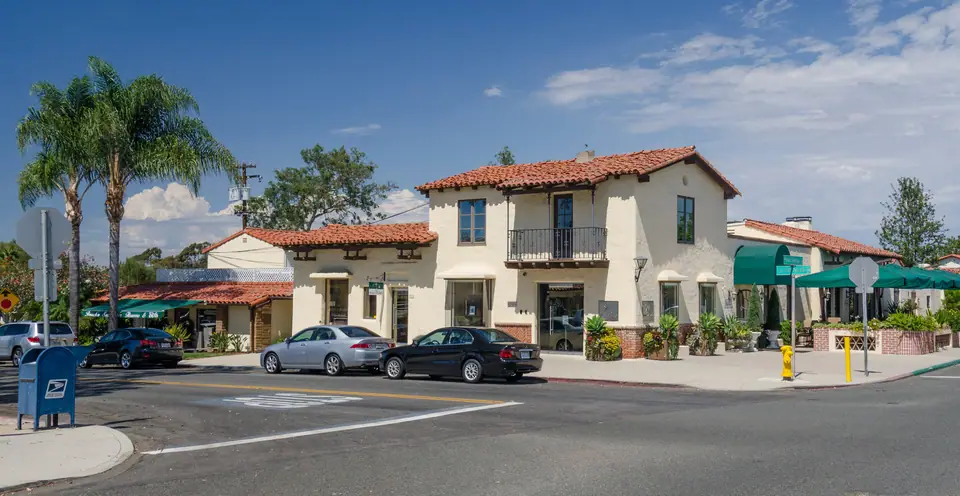
October is considered one of the best times of year to visit Santa Fe. Temperatures drop after summer, and tourist crowds dissipate throughout the historic core. Local guides describe this period as a secret season because of its tranquil atmosphere. The surrounding aspens and cottonwoods change colour, creating golden foliage across northern New Mexico.
Autumn also brings major cultural celebrations. The annual burning of Zozobra, a 50-foot tall marionette built anew each year, takes place in early September. Early September brings the annual Burning of Zozobra at Fort Marcy Park, where crowds gather to watch the giant effigy of Old Man Gloom burn. The annual Santa Fe Wine and Chile Fiesta celebrates regional culinary artistry and New Mexico winemaking each late September.
In October, Santa Fe marks Indigenous Peoples' Day Weekend with traditional dances and cultural programming on the historic Plaza. The City of Santa Fe officially designated the second Monday of October as Indigenous Peoples' Day in October 2016. Many autumn visitors also combine their stay with the annual Albuquerque International Balloon Fiesta held each October down the interstate corridor. The balloon fiesta is located 60 miles north of Santa Fe and is described as the largest ballooning event on earth.
Summer Monsoons and Storm Patterns: July to August
Summer is monsoon season in Santa Fe, bringing dramatic afternoon thunderstorms that can deliver up to 6 inches of rainfall. These storms usually build over the Sangre de Cristo Mountains before sweeping over the city. While the rains provide relief from midday heat, intense cloudbursts can cause sudden flash flooding in low-lying arroyos.
Official city emergency guidelines advise travellers never to drive or walk through floodwater under any circumstances. Severe weather can produce intense downpours, hail, high winds, and structural disruption. Safety protocols instruct residents to stay away from downed power lines and assume all lines are energized.
Severe storms can occur even outside standard peak summer patterns. Late autumn weather in the northern mountains can shift quickly, bringing sudden rain showers, localized hail, and brisk high-elevation winds. The storm produced flooding and a tornado classified as EF1 by the National Weather Service. Travellers driving into high mountain passes during autumn and winter should monitor official New Mexico road and weather advisories before setting out. Under New Mexico Anti-Donation laws, the City cannot legally remove debris from private property. Always monitor official forecasts when exploring trails or mountain roads.
Peak Summer Festivals and Heritage Markets
Despite afternoon rains, summer draws significant cultural tourism. SWAIA Native Fashion Week takes place in May, showcasing the diversity and brilliance of Indigenous fashion designers. Since 1957, newcomers and opera enthusiasts have gathered each summer for seasonal productions by the Santa Fe Opera.
July and August feature famous heritage markets. The International Folk Art Market occurs during the second full weekend in July, celebrating global artisans. The Traditional Spanish Market follows on the last full weekend in July, featuring handmade traditional art.
On the third full weekend in August, the SWAIA Santa Fe Indian Market fills the downtown streets. It stands as the largest and most prestigious intertribal art market in the world. Visitors planning to attend these events should reserve lodging early, as hotels fill quickly during these summer weekends.
Winter Skiing and Snowfall: November to March
Santa Fe experiences a snowy season that runs approximately from November through March. In town, average winter snowfall reaches 32 inches, often dusting the adobe architecture around the central square. Winter days stay mild with strong sunshine, but night temperatures drop rapidly below freezing.
Ski Santa Fe sits in the Sangre de Cristo Mountains, located 16 miles from the downtown Plaza. Some regional listings describe the driving distance as 20 miles from downtown. The mountain features 660 skiable acres and a vertical drop of 1,725 feet. Average snowfall is 225 inches, with peak seasons reaching up to 300 inches. Sledding is available at Hyde Memorial State Park, just a 15-minute drive from the city centre. When packing boots and thermal layers, consult our guide on What to Wear in Santa Fe.
Winter Culture and Holiday Celebrations
Winter brings cultural traditions that avoid the heavy foot traffic of summer. Resident dance company Entreflamenco stages seasonal winter performances from late November through early January at the El Flamenco Spanish cabaret venue. The annual Winter Spanish Market returns each December, showcasing traditional Hispanic devotional art, tinwork, and weaving. Held at the municipal convention centre, it represents the oldest and largest art show of its kind in the nation.
Christmas Eve features the Canyon Road Farolito Walk on 24 December, illuminating historic streets with small paper lanterns. Across northern New Mexico, you can also explore regional seasonal events. During midwinter, the annual Taos Winter Wine Festival takes place in late January or early February in the mountain town north of Santa Fe. Ojo Caliente Mineral Springs Resort and Spa is situated roughly one hour northwest of the city, offering restorative hot springs throughout the cold months.
Spring Blossoms and Awakening: March to May
Spring is a quieter transition season across the high desert plateau. By late March, aspens and cottonwoods begin leafing along riverbeds. Cactus flowers bloom across the rocky foothills in shades of red, pink, and yellow, followed closely by fruit tree blossoms and purple lilacs.
Because the last frost date averages 1 May, spring nights frequently remain cold despite mild daytime sunshine. Wind speeds can rise across northern New Mexico during April afternoons. Visitors during spring enjoy relaxed gallery walks along Canyon Road. More than 70 galleries operate along this half-mile corridor, without the dense crowds that arrive in late June.
Year-Round Planning and Travel Practicalities
Many activities operate across all four seasons. The Santa Fe Margarita Trail is available year-round, featuring more than 50 participating venues. New Mexico contains 19 historic Pueblos, with eight located just north of Santa Fe. Travellers can also relax at Ten Thousand Waves, a Japanese spa and resort set on 20 wooded acres hosting outdoor hot baths and its restaurant, Izanami.
Santa Fe Regional Airport connects directly to Dallas-Fort Worth, Denver, Los Angeles, Chicago O'Hare, and Phoenix. Because ground transport is limited at night, advance reservations for taxis and car services are recommended for late night arrivals. Keep in mind that all event performances, venues, dates, and times are subject to change, so verify details before travelling.
Where it is
- 1Santa Fe
- Albuquerque International Sunport (ABQ) · about 94 km from Santa Fe in a straight line
- Directions in Google Maps
Stations and taxi ranks: OpenStreetMap. Airports: OurAirports. Distances are in a straight line.
Traveller tips
Real advice from people who have been to Santa Fe. Every tip is read by our team before it goes live.
No tips yet. Been here? Yours could be the first.
Thank you! Your tip will appear here after a quick review.
More in Santa Fe
Continue exploring Santa Fe with related neighbourhood, food, and planning guides