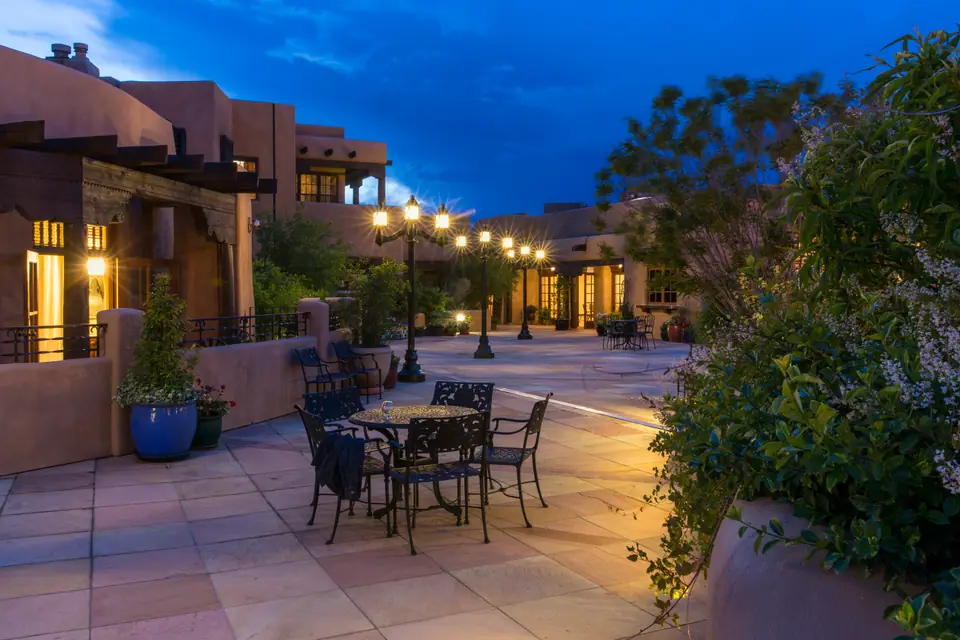
Where to Stay in Santa Fe: Best Areas
Choose between the historic core around the Plaza, the gallery lanes of Canyon Road, or creative districts in the Railyard and Midtown.
Choosing where to stay in Santa Fe depends on whether you prefer walking to central sights or resting beside art studios and railway lines.
Selecting Your Santa Fe Base
Established centuries ago, the city holds the title of the nation's oldest capital. Historic roadways shape distinct quarters, each offering a very different atmosphere after dark.
Many travellers focus on the Historic District around the Plaza. Visitors seeking quiet lanes frequently look towards Canyon Road. Meanwhile, contemporary performance spaces cluster around the Railyard and Midtown. Before booking, consult our Santa Fe Travel Guide: What to Know Before You Go for essential local customs.
Where you base yourself defines your daily pace. Central districts minimise time spent driving, while peripheral quarters offer quick access to regional roads. Consider noise levels, transit stops, and proximity to cultural spots when selecting your accommodation.
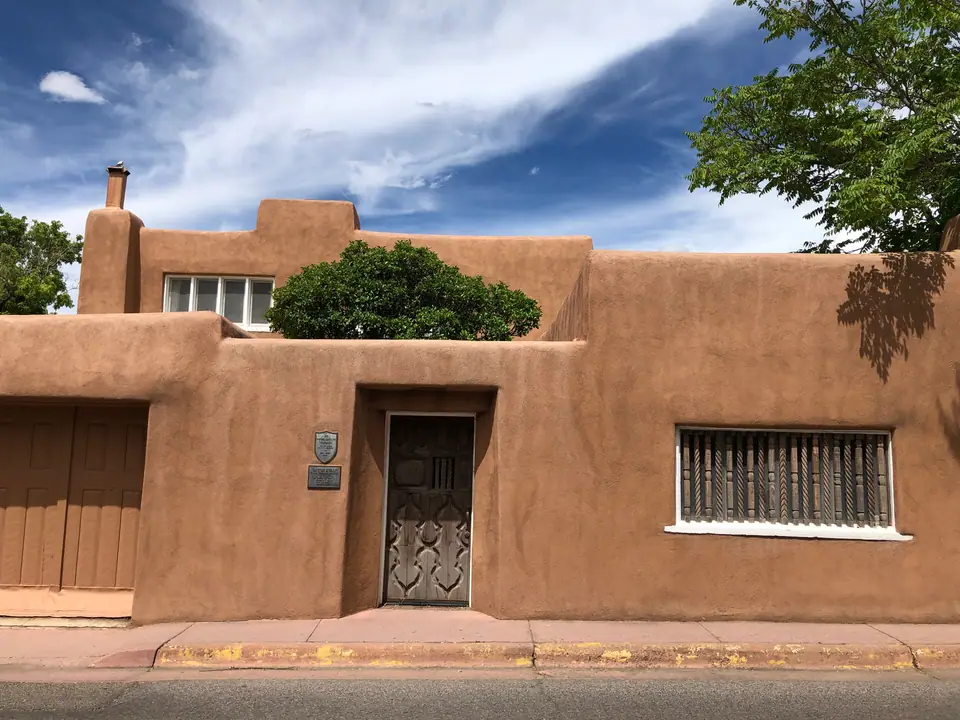
Historic District and Downtown Plaza: Classic Sights and Central Walks
The Historic District is sedate and leafy. It features the old charm of the Plaza, great retail outlets, and fabulous museums.
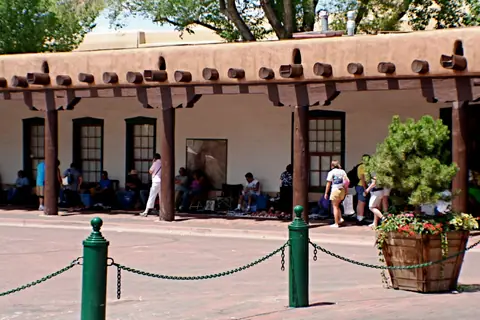
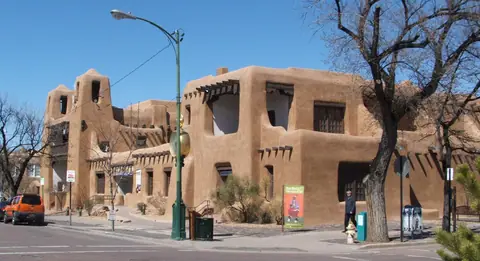
Hotels here showcase traditional adobe walls and Pueblo architecture. Many properties display artefacts, artwork, and interior décor celebrating regional cultural heritage. They combine this traditional heritage with modern amenities and state-of-the-art facilities. You can easily plan your days using our Santa Fe Plaza and Historic District Guide.
This area suits travellers who want to step straight outside to dine and sightsee without driving. City Hall stands nearby at 200 Lincoln Avenue. In addition, the Santa Fe Community Convention Center is located at 201 W. Marcy St. Noise levels can rise along main streets during festivals, but surrounding residential side lanes remain quiet after sunset.
Staying near the central square gives you direct walking access to dining, shopping, and major landmarks. The compact layout of the district makes it simple to explore entirely on foot throughout your stay.
Canyon Road: Historic Lanes and Gallery Walks
Canyon Road is colourful and lined with inviting art galleries. The neighbourhood holds the highest density of galleries in the United States, displaying over 100 galleries along a half-mile stretch.
This half-mile corridor is tree-lined and pedestrian-friendly. Historic landmarks define the route. El Zaguan features a colourful garden dating back to the 1890s, where James Johnson connected buildings for his family in 1854. Down Gormley Lane, Frank Gormley opened a general store in 1903. Nearby, Johnnie's Cash Store on 420 Camino Don Miguel has operated since 1946. Further along the road, the Santa Fe Friends Meeting began services in 1966 inside the former residence of Quaker artist Olive Rush.
Historic bed and breakfasts, inns, and vacation rentals cluster along these lanes. Staying here suits art enthusiasts seeking quiet mornings near historic homes. Learn more about the area in our Santa Fe Art Guide: Canyon Road and Museums.
Evenings along this corridor are exceptionally calm because commercial galleries close before dinnertime. Footpaths can be uneven, so comfortable walking shoes are advisable when exploring the side lanes.
The Railyard, Baca, and Guadalupe: Contemporary Arts and Rail Links
The Railyard, Baca, and Guadalupe Districts blend contemporary visual and performing arts. This sector provides an active alternative to the traditional core.
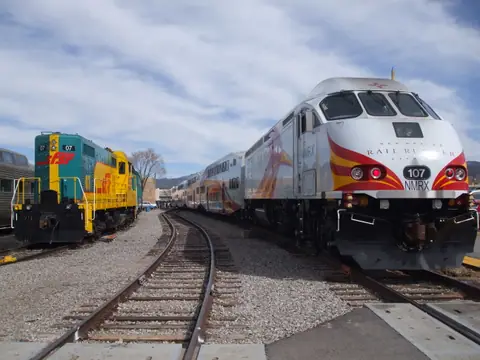
Staying near the Railyard puts you close to passenger train links and warehouse galleries. Commuter rail access runs through nearby stops, connecting city districts with regional corridors. Road traffic is steady during daytime gallery openings, yet evenings quiet down considerably once venues close.
This area suits independent travellers who value straightforward transit and fresh creative spaces. You can walk north to the Plaza in comfortable shoes or catch local connections from the neighbourhood.
Industrial architecture, open plazas, and converted warehouses lend a modern feel to this quarter. It appeals to visitors who enjoy newer public spaces and lively weekend markets.
Midtown and Siler Rufina: Industrial Roots and Performance Venues
The Midtown and Siler Rufina District melds art and technology. This district has evolved from visible industrial roots into a centre for art, theatre, and design.
Between St. Michael's Drive and Cerrillos Road, you will find brewpubs, coffee shops, performance venues, and galleries. Lena Street features independent shops and working studios. Nearby, the Second Street area contains bistros and cafes. The district also houses Teatro Paraguas, a 55-seat theatre offering bilingual productions, and Rockin’ Rollers Event Arenas, which has provided roller rentals for 23 years.
Art spaces here include the Coe Center, which showcases 2,500 Indigenous Art objects. Visitors can tour the Coe Center on the First Friday of each month or by appointment. Accommodations along commercial corridors consist largely of standard hotels and motels, offering practical bases away from central tourist crowds.
Traffic along major avenues can be busy during commute times, yet side streets remain functional and straightforward. Lodgings here often provide ample parking space for travellers touring northern New Mexico by car.
Southside and Outer Corridors: Residential Pace and Open Trails
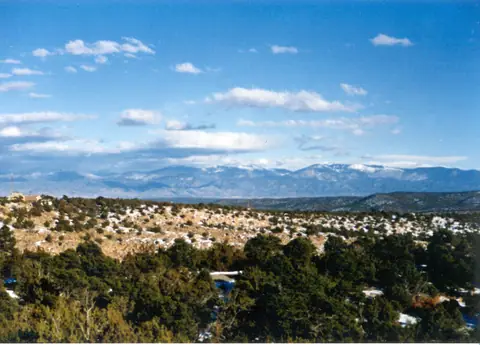
The Southside is a growing residential area and an established shopping and dining corridor. It sits in close proximity to some of Santa Fe's most beloved natural areas.
Recreation paths connect this district with other sectors of town. The Santa Fe River Trail runs from Patrick Smith Park on the eastside through to Siler Road on the southside. Cyclists and walkers use this well-maintained trail regularly. The path will soon stretch 10 miles to connect the city directly to Highway 599.
Choosing outer districts suits drivers seeking modern motor inns or visitors visiting natural reserves. These corridors provide easy parking and direct road access for day trips across northern New Mexico.
Lodgings in this area tend to offer modern conveniences, spacious layouts, and predictable highway access. Travellers planning extensive regional touring often appreciate the swift entry onto main driving corridors.
Accommodation Types Across the City
Lodging options in the area include hotels, motels, and historic inns. Travellers can also book resorts, spas, bed and breakfasts, vacation rentals, and rustic cabins.
Ranch properties and outdoor options add variety to the regional map. Dude ranches, full-service RV parks, and public campgrounds operate in surrounding areas. The New Mexico Tourism Department maintains its central office at 491 Old Santa Fe Trail, providing resources for regional lodging.
Properties range from mountain resorts to preserved adobe guest quarters. If you seek full-service spa facilities or a self-contained cabin rental, booking ahead remains sensible during busy gallery seasons.
Historic inns often feature enclosed courtyards and regional architectural details. Modern resorts further out offer expansive grounds, quiet natural settings, and sweeping desert views.
Transport Connections and Regional Buses
Getting between accommodation areas and regional transport hubs is straightforward when planned in advance. You can read our detailed overview in How to Get to Santa Fe.
Aviation routes connect the municipal airport with regional hubs including Denver, Dallas, Los Angeles, Phoenix, and Chicago O'Hare. The airport recommends making a reservation for taxi and car services if you have a late night arrival. Travellers flying through can review TSA luggage guidelines for liquids and cabin baggage on the airport website.
Local bus lines run through the city. The Santa Fe Trails municipal bus network connects major hotel corridors along Cerrillos Road with the Sheridan Street transit hub near the historic Plaza. Buses depart South Capitol Rail Runner Station across downtown before climbing Hyde Park Road. Along the way, riders can disembark at Ten Thousand Waves, forest trailheads, and Ski Santa Fe.
Regional transit links serve northern communities. For northern journeys, Route 160 connects Santa Clara Pueblo and Española with the capital. Route 200 provides links northward to Tesuque, Pojoaque, and Española. Route 220 specifically links the municipal centre with Tesuque and Pojoaque pueblos. Other regional routes link Eldorado, Galisteo, Stanley, Moriarty, and Edgewood.
Weekend express coaches link Santa Fe with Española and Taos on Saturdays and Sundays. On weekdays, transit riders enjoy a direct, fare-free connection between Santa Fe and Taos without transferring. Staying near central bus stops or train stations makes navigating northern New Mexico simple.
Where it is
- 1Santa Fe
- Albuquerque International Sunport (ABQ) · about 94 km from Santa Fe in a straight line
- Directions in Google Maps
Stations and taxi ranks: OpenStreetMap. Airports: OurAirports. Distances are in a straight line.
Traveller tips
Real advice from people who have been to Santa Fe. Every tip is read by our team before it goes live.
No tips yet. Been here? Yours could be the first.
Thank you! Your tip will appear here after a quick review.
More in Santa Fe
Continue exploring Santa Fe with related neighbourhood, food, and planning guides