Photo: Shannon Lucas · CC BY-SA 3.0
Best Time to Visit Seattle
The best time to visit Seattle depends on whether you seek dry summer park strolls or quieter seasons for cultural exhibitions.
Summer offers the driest weather for touring parks and markets, whereas autumn and spring provide quieter streets despite frequent low elevation rainfall.
Seasonal Weather Patterns and Winter Snow
Seattle weather shifts dramatically between bright summer periods and damp colder months. Across the Pacific Northwest, a series of cold fronts brings gusty winds, low elevation rainfall, and high elevation snow. These atmospheric systems shape conditions throughout western Washington from late autumn into early spring.
Ski season across Washington typically kicks off in late November and usually runs through April. Mountain visitors should prepare for heavy snow accumulation at alpine passes. City streets experience cool damp air and overcast skies during these months. Before finalising your seasonal packing lists, check our guide on what to wear in Seattle to layer effectively against sudden squalls.
Cold fronts produce rapid shifts in temperature and barometric pressure across Puget Sound. Coastal squalls can bring damp breezes that catch unprepared walkers off guard during daily outings. For city safety during wet fronts, travellers can opt in to Alert Seattle. This municipal service sends free civic updates across multiple notification channels, including text message, email, voice message, and social media during severe storms or local emergencies.
Summer Travel Peaks from Memorial Day to Labor Day
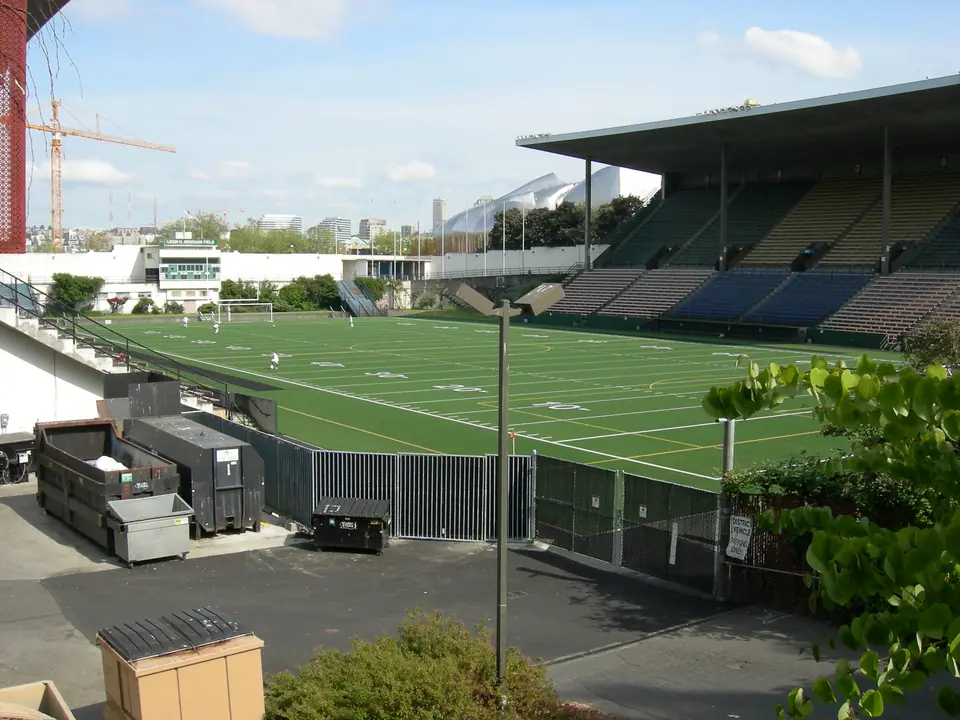
Travel across Washington state is busiest from Memorial Day through Labor Day, with visitor numbers peaking in July and August. During these warm summer months, Seattle experiences an influx of visitors, particularly on weekends.
Bright days draw crowds to outdoor viewpoints, open parks, and shoreline promenades. While sunny conditions make sightseeing pleasant, hotel availability tightens and prominent landmarks require earlier bookings. If you are organising an urban route during this active period, consider following our structured Seattle in 3 Days: A Practical Itinerary. This outline helps you make smooth progress through key districts without wasted travel time.
Summer visitors must prepare for higher pedestrian numbers along waterfront walkways. Planning transit connections in advance helps you navigate these busy weekend periods with minimal delay. High visitor traffic also extends to regional ferry routes, making early departures sensible for day trippers seeking calm crossings.
Autumn Foliage Across the Washington Park Arboretum
Autumn brings crisp air along with colourful leaf displays across the city. The Washington Park Arboretum Loop Trail provides an ideal 2.5-mile urban walk with 150 feet of elevation gain for viewing autumn foliage.
Within this arboretum, the Woodland Gardens feature one of the largest collections of Japanese maples in North America. These trees blaze scarlet red during peak autumn weeks. Limited free parking is available at the Graham Visitors Center and the Japanese Garden, so arriving early in the day is sensible.
Autumn also brings scheduled community events to the local calendar. Seattle Salmon Week takes place each November, highlighting regional waterways and marine life across Puget Sound. Autumn visitors can attend neighbourhood theatre performances, museum lectures, and indoor concert series across the city.
Exploring Public Markets Throughout the Changing Seasons
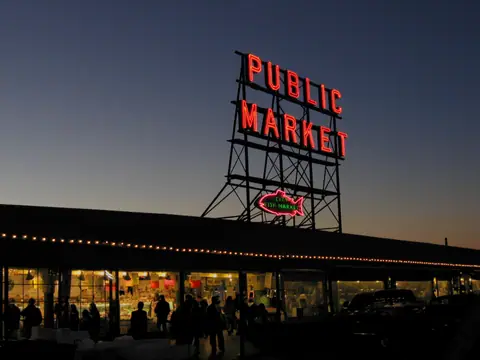
Seattle market culture remains active in all seasons, adapting to both clear summer mornings and cool winter drizzles. Seattle's historic public market encompasses nine acres as one of the oldest farmers markets in the United States. Its historic arcade provides covered walking space that shields shoppers from gusty downpours.
Neighbourhoods outside the city core sustain their own distinctive trading traditions. Established in 1990, the Fremont Market operates as a European-style, canal-side open-air street market. It provides shelter under sturdy awnings and canopies when light drizzle passes overhead.
In north Seattle, Ballard Farmers Market has operated since 2000 as Seattle's first year-round neighbourhood farmers market selling produce exclusively from Washington. Visiting these year-round stalls offers an authentic glimpse into regional farming through changing harvests. You can read more about market logistics in our detailed Pike Place Market and Waterfront Guide before heading down to the arcade stalls.
Spring Film Celebrations and Regional Art Festivals
Spring marks the gradual transition towards lighter days, accompanied by celebrated cultural gatherings. Seattle hosts the Seattle International Film Festival, which is recognized as the longest running, largest, and most highly attended film festival in the United States.
Visual arts feature prominently on the city calendar as warmer weather approaches. The REFRACT festival provides an all-access pass to the region's famous glass art scene, opening local studios and galleries to visitors. City galleries frequently celebrate local creators, such as Kenzan Tsutakawa-Chinn, an LED light installation artist who is a native of Seattle and based in New York.
Cultural institutions continue expanding their indoor programmes throughout the spring months. Travellers who encounter wet afternoons can view comprehensive displays across town. At the Washington State History Museum, a walk through time serves as its largest exhibit. These spacious galleries offer a dry haven during unpredictable spring squalls.
Museum Exhibitions and Rainy Day Cultural Options
Frequent rainy periods make indoor cultural venues essential during winter and shoulder months. Seattle is alive with events every day of the year covering art, music, theatre, culture, and sports. This wide calendar ensures ample entertainment regardless of exterior conditions.
Specialist exhibitions cater to varied interests across the city centre. Pop culture fans can inspect the Scared to Death exhibition, which features more than 50 props and costumes from horror films. Marine enthusiasts can view a 25,000-gallon community exhibit dedicated to Tropical Pacific coral reefs.
Many prominent indoor attractions cluster near central transit stops, allowing visitors to avoid walking through prolonged rainstorms. Scheduling museum visits on overcast mornings keeps your holiday enjoyable when wet weather sets in. You can discover additional ideas for covered sightseeing in our selection of the best things to do in Seattle.
Connecting Through Seattle-Tacoma International Airport
Whatever season you select for your arrival, transit connections into the city remain straightforward. Seattle-Tacoma International Airport provides travellers with an eclectic mix of 115+ dining, retail, and service choices across its main complex. Notable local outlets include Beecher's Handmade Cheese, which opened its airport location in 2012.
Public transport links the air terminal directly to central neighbourhoods. The Link light rail system completes the trip from central downtown Seattle stations in just 38 minutes. This rail link helps travellers avoid seasonal highway congestion during peak commuting hours.
For departure planning, travellers should arrive at the airport two hours before domestic flights and three hours before international journeys. Winter travellers should allow extra transit buffers when mountain snow or heavy rainfall affects regional road connections. Reviewing our guide on how to get to Seattle provides further details on rail lines and terminal transit options.
Urban Parks and Indigenous Cultural Heritage
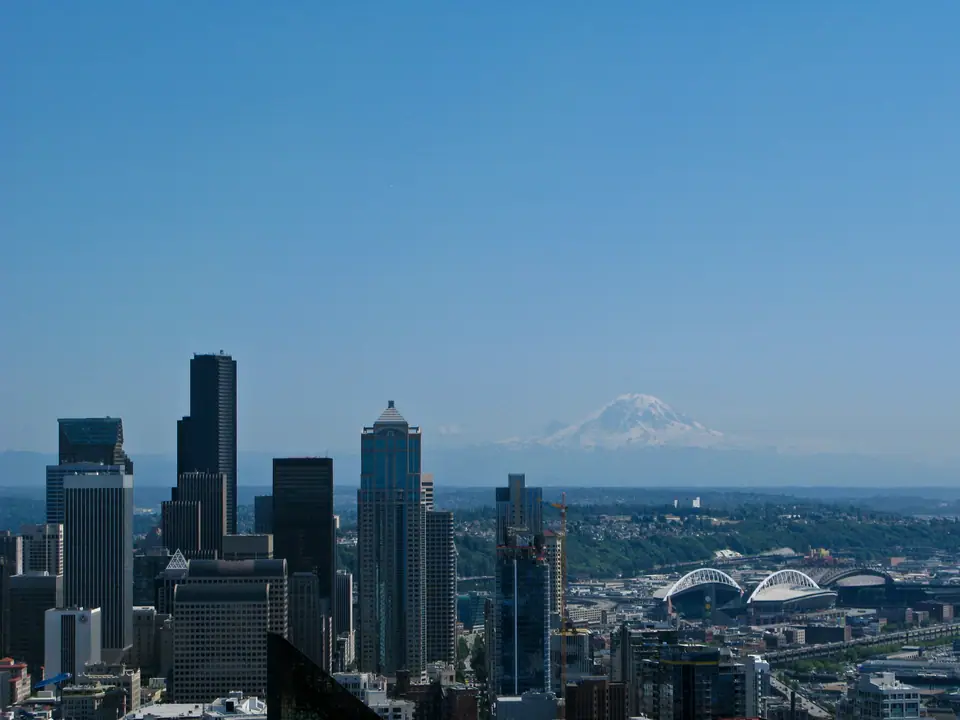
Dry weather permits extensive exploration of municipal green spaces. Seattle manages over 485 parks through Seattle Parks and Recreation, serving a population of over 737,000 residents as recorded in 2020. These open spaces offer panoramic views of surrounding waterways, coastal hills, and distant mountain peaks.
While touring municipal grounds, visitors should acknowledge the deep heritage of the region. The city of Seattle resides on the traditional land of the Coast Salish Peoples, past and present. Respecting this enduring native legacy enriches any walk through shoreline preserves and forest parks.
If you plan day excursions into neighbouring wilderness reserves during your stay, consider national park programming. At nearby Mount Rainier, ranger-led evening programs last for approximately 45 minutes. These interpretive sessions offer valuable insight into regional ecology before you return to urban lodgings.
Where it is
- 1Seattle
- Seattle–Tacoma International Airport (SEA) · about 18 km from Seattle in a straight line
- Directions in Google Maps
Stations and taxi ranks: OpenStreetMap. Airports: OurAirports. Distances are in a straight line.
Traveller tips
Real advice from people who have been to Seattle. Every tip is read by our team before it goes live.
No tips yet. Been here? Yours could be the first.
Thank you! Your tip will appear here after a quick review.
More in Seattle
Continue exploring Seattle with related neighbourhood, food, and planning guides