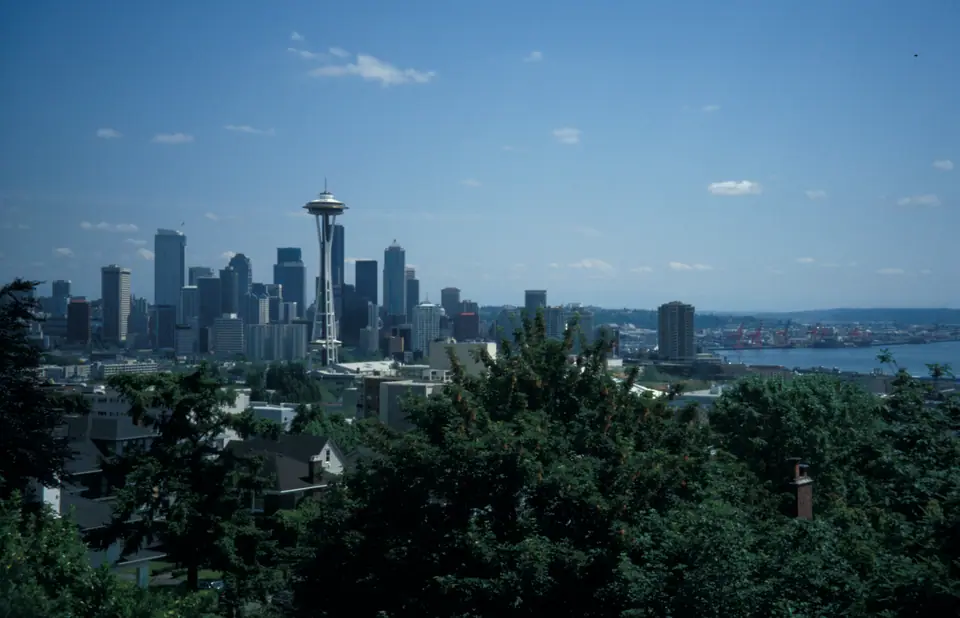
Photo: Grossbildjaeger · CC BY-SA 3.0
Seattle: What to Know Before You Go
Our detailed Seattle travel guide covers entry essentials, urban geography, public transit options, and municipal safety advice.
Seattle rewards visitors who understand entry protocols, municipal layout, transit logistics, and practical daily safety across the wider Pacific Northwest.
Entering the United States and Essential Documentation
Entering the United States requires careful advance preparation with federal border authorities. International travellers must hold valid travel authorisations or formal visas before boarding their flights. Verify that your passport remains valid throughout your intended stay in Washington State. Border officials may request proof of onward transit or confirmed accommodation arrangements upon arrival. Ensure you review all entry criteria well before your departure date.
Canadian visitors can discover special deals and offers just for Canadian visitors in Seattle. This arrangement makes cross-border journeys from neighbouring British Columbia particularly convenient and budget-friendly. Driving south along regional motorways or arriving via regional air connections allows Canadian holidaymakers to access curated metropolitan promotions easily.
Comprehensive travel insurance forms a vital safeguard for any overseas journey to America. Official consular advice reminds visitors that insurance should cover your itinerary, planned activities and expenses in an emergency. Ensure that your policy specifically covers unexpected health emergencies, personal liability, and trip disruptions. This formal travel advice also covers American Samoa, Guam, Northern Mariana Islands, Puerto Rico, and United States Virgin Islands.
Keep physical and digital duplicates of your travel insurance policies stored separately from primary baggage. Note emergency assistance telephone numbers in your mobile device for immediate access if needed. Check international roaming agreements with your mobile network provider before departing. Understanding local healthcare access and consular contact points provides peace of mind throughout your metropolitan exploration.
For structured transit planning, read our guide on How to Get to Seattle. Pack adaptable clothing suitable for coastal weather shifts, and review What to Wear in Seattle before leaving home.
Urban Geography and City Layout
Seattle is also known as the Emerald City. The municipality occupies historical indigenous territory belonging to Coast Salish communities past and present. Modern local administration operates from City Hall at 600 Fourth Ave in postcode WA 98104. Seattle had over 737,000 residents as of the year 2020. This resident population anchors a broader urbanised region defined by dramatic waterways and coastal ridges.
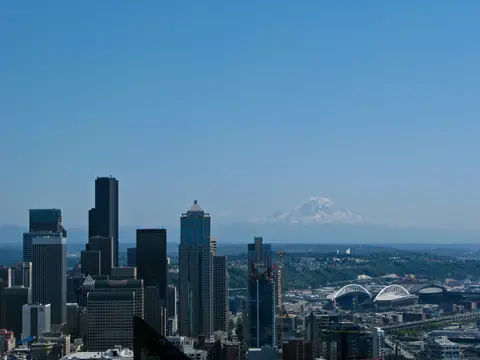
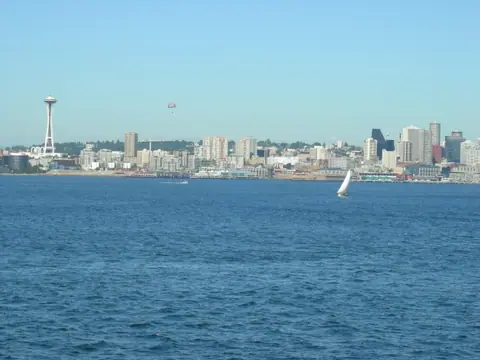
Geography dictates how the metropolitan core functions on a daily basis. The city occupies an isthmus between the saltwater of Puget Sound to the west and freshwater Lake Washington to the east. Urban districts climb steep natural slopes rising directly from the coastal docks. Moving eastward from sea level demands comfortable footwear and realistic walking pacing. Major arterial avenues run generally north to south along these hilly contour lines.
Surrounding regions expand over vast natural terrain. The broader state spans 71,300 square miles of varied topography, scenic routes, diverse climates, and deep heritage. Coastal maritime zones contrast sharply with alpine ranges and arid inland plains. Visitors benefit from treating the central downtown basin as an efficient springboard toward broader regional discovery.
Municipal stewardship maintains generous public greenery across every neighbourhood sector. There are over 485 parks managed by Seattle Parks and Recreation. These open spaces provide recreational lawns, wooded ravines, shoreline viewpoints, and sports facilities for local communities. Reliable civil infrastructure supports these facilities, with the city handling more than 46 billion gallons of treated drinking water per year. Visitors can drink municipal tap water with complete confidence.
Neighbourhood identities reflect their topographical boundaries and architectural history. Historic brick warehouses define the southern fringe, whereas high-density commercial towers dominate central avenues. Residential communities further north feature quiet hillside streets lined with mature trees. Taking time to study local topography helps travellers navigate between different urban districts efficiently.
Getting Around on Transit Without a Car
Seattle can be easily explored without a car. Compact commercial cores and dedicated regional transit routes make driving unnecessary for most holiday itineraries. Navigating on foot or via scheduled public services eliminates parking expenses and peak road congestion.
Seattle-Tacoma International Airport (SEA) serves as the primary gateway for interstate and overseas arrivals. The air terminal hosts upwards of 115 shops, eateries, and traveller amenities across its passenger concourses. Arriving passengers can find local refreshment, retail conveniences, and currency services prior to continuing into the city centre.
Rapid rail connections link airport terminals directly to metropolitan neighbourhoods. Taking the Link light rail is a 38-minute ride from downtown Seattle to the airport. This train service delivers passengers smoothly through southern districts without delays from highway bottlenecks. Stations feature level platform boarding, digital arrival boards, and lift access for travellers carrying heavy luggage.
Public transport networks rely on dedicated regional staffing standards across regional operational hubs. Sound Transit employees must maintain Washington state residency. This workforce operates train networks and regional express coach routes connecting peripheral employment hubs. Trains run frequently, giving travellers dependable options from early morning until late evening.
Ticketing across regional transit relies on reusable electronic cards or mobile payment options. Tap your travel card against platform card readers before boarding train carriages and upon exiting your destination station. Fare inspectors conduct routine checks across passenger compartments. Combining light rail journeys with pedestrian routes offers the most efficient way to navigate core sightseeing zones.

Practical Basics and Visitor Services
Handling day-to-day transactions in Seattle requires minimal physical currency. Contactless payment methods, debit cards, and credit cards find universal acceptance in shops, transport ticket machines, and casual eateries. Carry a modest supply of banknotes for tipping service staff and purchasing small items from market stalls. Tipping remains a standard social custom throughout hospitality venues across the United States.
Official tourist resources help visitors plan daily activities and verify operational routes. The primary administrative office is located at 701 Pike Street, Suite 800, Seattle, WA 98101. Travellers can access official visitor guides, regional maps, and specialised advice regarding cultural institutions and transport passes.
Civic institutions uphold welcoming community standards across all municipal services. As an illustration of local care, more than 5,000 animals receive shelter support every year from municipal welfare teams. Public libraries, clean civic squares, and public information desks offer reliable points of assistance when exploring downtown districts.
Mobile communications function reliably throughout the entire urban area. Free public internet access operates inside metropolitan transport hubs, civic buildings, and major public parks. Utilising digital navigation applications assists with real-time transit departure monitoring and pedestrian route selection along steep hill climbs.
Electrical appliances in the United States operate on standard North American voltage using two-pronged or three-pronged plugs. Travellers from outside North America should pack appropriate international adapters. Securing adapter equipment before departure prevents difficulties when recharging essential portable electronics during travel days.
Safety, Emergency Alerts, and Departure Protocols
Urban safety requires sensible precautions similar to those recommended in any large metropolitan centre. Stay observant in crowded transport interchanges, transit platforms, and quiet side streets after dark. Keep valuables concealed, secure backpack compartments, and avoid leaving belongings unattended in cafes or public areas.
Municipal authorities provide robust communication systems to protect residents and visitors during emergencies. You can opt in to receive free alerts from the City via text message, email, voice message or social media by registering with Alert Seattle. Signing up gives travellers timely warnings regarding transit disruptions, infrastructure repairs, or severe coastal weather events.
Weather conditions in the Pacific Northwest can shift rapidly across different seasons. Maritime winds and coastal rainfall can impact ferry sailings and outdoor activities. Monitoring local weather updates allows you to adjust sightseeing itineraries without unexpected logistical complications.
When concluding your stay, calculate sufficient travel time back to the regional aviation terminal. Official airport guidance dictates that travellers should arrive at the airport two hours before your flight for domestic destinations and three hours before for international. Security queues can expand during major holiday periods and early departure banks.
Leaving your accommodation with generous travel margins ensures an orderly departure. Boarding the regional light rail avoids unpredictable motorway jams on your final morning. Following these verified protocols ensures a relaxing, memorable visit to Washington State from arrival to departure.
Where it is
- 1Seattle
- Seattle–Tacoma International Airport (SEA) · about 18 km from Seattle in a straight line
- Directions in Google Maps
Stations and taxi ranks: OpenStreetMap. Airports: OurAirports. Distances are in a straight line.
Traveller tips
Real advice from people who have been to Seattle. Every tip is read by our team before it goes live.
No tips yet. Been here? Yours could be the first.
Thank you! Your tip will appear here after a quick review.
More in Seattle
Continue exploring Seattle with related neighbourhood, food, and planning guides