Photo: Joe Mabel · CC BY-SA 4.0
What to Wear in Seattle
Pack versatile breathable layers and reliable waterproof outer clothing to navigate Seattle's changeable coastal weather and rugged regional trails with ease.
Dress in versatile layers and bring waterproof clothing, because Western Washington weather changes quickly across urban pavements, coastal docks, and surrounding highland trails.
More than 737,000 residents lived in Seattle as of 2020. The municipality occupies Western Washington on the western side of the Cascade Mountains. Because of this geography, lands west of the Cascade range typically experience damper and cooler conditions than eastern districts. Preparing an adaptable wardrobe lets you enjoy city streets comfortably throughout the entire year.
Passing cold fronts regularly bring blustery winds, rain across lower ground, and mountain snowfall to the Pacific Northwest. Packing items that seal out moisture while remaining breathable prevents you from overheating on steep streets. Understanding regional climate patterns ensures your luggage contains suitable garments for both urban sights and highland nature.
Damp maritime air means local temperatures can dip sharply when coastal mist sweeps inland. Synthetic fleeces, light wool jumpers, and moisture-wicking baselayers provide dependable warmth without excessive bulk. Modifying your layers during outings keeps you dry and relaxed across historic neighbourhoods and busy transport terminals.
A compact daypack enables you to store spare garments conveniently while touring disparate districts. Carrying an extra pair of dry socks and a light windbreaker provides steady comfort against sudden marine drafts.
Dressing for Spring and Summer in Western Washington
Springtime across Western Washington delivers lower rainfall totals than the winter months, yet showers regularly persist until early June. Daily weather shifts between brisk, damp mornings and bright afternoons. State tourism guidelines encourage spring visitors to pack layered garments and dedicated rain gear. Combine breathable cotton tops with thin wool jumpers or fleece mid-layers.
Consult our Best Time to Visit Seattle guide to plan your trip around these regional seasonal shifts. Spring mornings often begin cool and overcast, making a sturdy windbreaker or water-resistant coat valuable. Midday sun breaks can quickly warm metropolitan pavements, which makes easily removable layers essential. Sturdy denim or synthetic trousers handle puddle splashes well while staying comfortable in museums.
Summer brings noticeably drier conditions across Puget Sound. July and August stand as the year's sunniest months, although rain remains possible on any day. The regional climate stays generally cool and rainy, bringing summer daytime highs typically in the 60s and 70s. Urban heat can still spike intensely, and communities across the state sometimes register afternoon heat reaching 100 degrees.
Pack airy items such as linen shirts, cotton chinos, and casual dresses for hot city afternoons. Always keep a light jumper or windbreaker near at hand for shoreline strolls. Waterfront breezes cool down rapidly once evening shadows stretch across Elliott Bay. A wide sun hat and sunglasses will block glare coming off the open sea.
Stash a light rain shell in your day bag even during midsummer travels. Sudden squalls can sweep across coastal waters unexpectedly. Quick-drying fabrics allow you to move comfortably between sunny piers and air-conditioned venues without dampness lingering on your clothes.
Autumn Layers and Rainy Winter Ensembles
Autumn opens with pleasant weather before crisper air spreads over the city. Warm September afternoons eventually give way to cooler days, with colourful autumn leaves emerging during October. Early autumn favours flexible combinations like medium denim, long-sleeved shirts, and light water-repellent jackets. These balanced outfits keep you comfortable while touring public gardens and historic districts.
Precipitation gathers pace by November as regional temperatures slide downwards. Winter introduces heavier rainfall and colder days, together with coastal storm watching and dense, atmospheric fog. Active frontal systems also deliver bouts of strong wind, lowland showers, and high-elevation snow across the Northwest. Heavy unlined cotton fabrics soak up moisture quickly during sustained showers, causing uncomfortable chills indoors.
Choose an insulated, fully waterproof coat with an adjustable hood that shuts out bitter marine gusts. Waterfront breezes often turn standard umbrellas inside out, making fitted protective hoods considerably more useful. Wear breathable thermal undergarments beneath wool knitwear or thick fleece sweaters to preserve core body heat. Water-repellent trousers protect your legs during prolonged walks along downtown avenues.
Cold-weather travellers should pack functional accessories, including a warm beanie, a thick scarf, and water-resistant gloves. Damp maritime winds amplify cold sensations significantly. Breathable base garments establish a practical foundation, letting you shed outer layers smoothly when stepping into heated museums, dining spots, and buses.
Winter footwear requires sealed uppers and warm linings to cope with drenched pavements. Quality wool socks balance foot temperature well and soften impacts against cold stones. Avoid permeable canvas shoes in winter, because road spray quickly penetrates lightweight textiles.
Footwear, Walking Surfaces, and City Etiquette
Seattle features steep roadway inclines, damp brick paths, wooden docks, and slick stones around traditional market stalls. Walking these varied urban surfaces calls for reliable footwear equipped with textured rubber outsoles. Leave delicate smooth leather shoes and precarious heels behind when exploring pedestrian zones. Treated leather boots or waterproof trainers supply vital traction on wet pavements across the rainy season.
If you are following our Seattle in 3 Days: A Practical Itinerary, supportive shoes will prevent foot fatigue on hilly streets. The metropolitan area embraces an understated, functional approach to clothing across eateries, performance halls, museums, and public spaces. Smart casual wear suits virtually every venue. Clean dark trousers and a neat knitted jumper fit fine dining rooms and neighbourhood bistros equally well.
When entering places of worship, quiet municipal halls, or classical concert halls, neat and tidy dressing remains standard. Take off wet rainwear and shake off drops before sitting in historic auditoriums or quiet galleries. Many venues provide coat racks to deposit dripping umbrellas and sodden overcoats safely during your visit.
Travellers attending professional gatherings or evening shows can select structured, water-resistant blazers with polished dark leather boots. A tailored overcoat treated with water repellent keeps you looking smart while shielding you from rain between stops. Practical clothing earns wide acceptance locally, so robust leather footwear never looks misplaced.
Mountain Day Trips and Outdoor Excursions
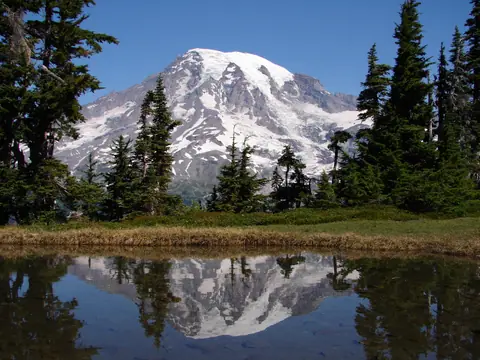
Washington encompasses 71,300 square miles, offering diverse landscapes, changing climatic zones, and scenic roadways. Heading into regional national parks demands specialised outdoor clothing. Mountain weather shifts abruptly, and damp, cold conditions can develop at any point during the year. Weather patterns around Mount Rainier fluctuate rapidly between settled calms and harsh storms.
Subalpine conditions transform quickly, so ordinary city garments prove inadequate along wilderness paths. Hikers and mountaineers must stay ready for shifting atmospheric conditions. Deep snowpacks persist at heights between 5,000 and 8,000 feet well into the middle of July. Travellers ascending above 10,000 feet or crossing glaciers require a dedicated climbing permit. Overnight backcountry campers must also secure wilderness permits before pitching camp.
Park guidelines state that visitors should carry extra garments, wet-weather gear, and a storm tent throughout the year. Sturdy waterproof walking boots with firm ankle support and deep treads handle loose shale and stubborn snowdrifts securely. Choose wool or synthetic insulating layers over cotton garments, which lose warmth when wet. A windproof technical outer shell protects your core against biting ridgetop gusts.
Help preserve fragile subalpine plant life by remaining strictly on marked paths. Domestic pets may not access hiking trails, though leashed animals can enter restricted developed zones. Safeguarding your belongings is another essential outdoor consideration, as vehicle break-ins occur each year at trailheads both inside and outside the national park.
Never leave valuables inside unattended vehicles, even for brief stops. Put any gear destined for the boot into place before arriving at your trailhead car park. Report any suspicious behavior observed near parking bays or forest roads straight away to an on-duty park ranger.
Where it is
- 1Seattle
- Seattle–Tacoma International Airport (SEA) · about 18 km from Seattle in a straight line
- Directions in Google Maps
Stations and taxi ranks: OpenStreetMap. Airports: OurAirports. Distances are in a straight line.
Traveller tips
Real advice from people who have been to Seattle. Every tip is read by our team before it goes live.
No tips yet. Been here? Yours could be the first.
Thank you! Your tip will appear here after a quick review.
More in Seattle
Continue exploring Seattle with related neighbourhood, food, and planning guides