Busan
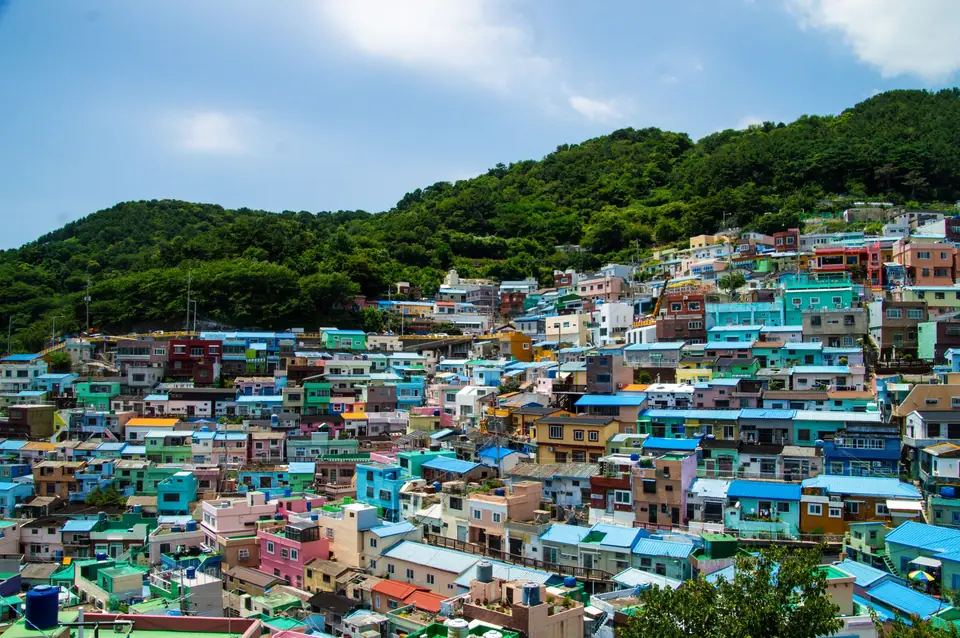
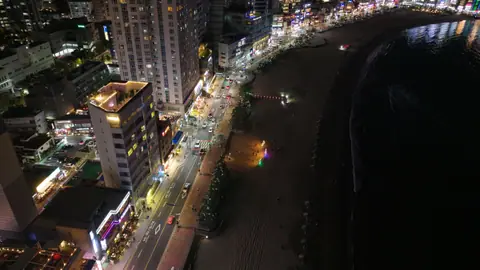
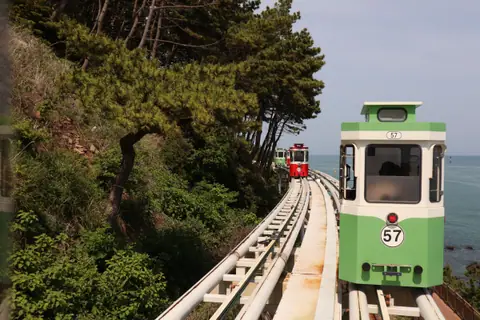
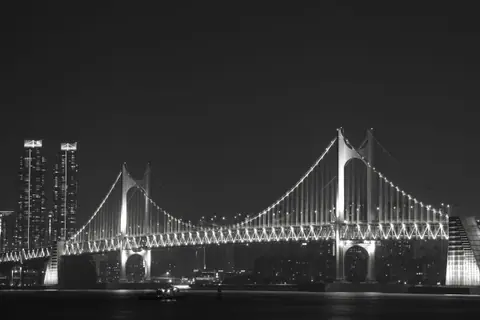
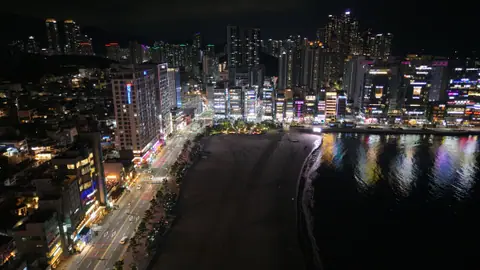
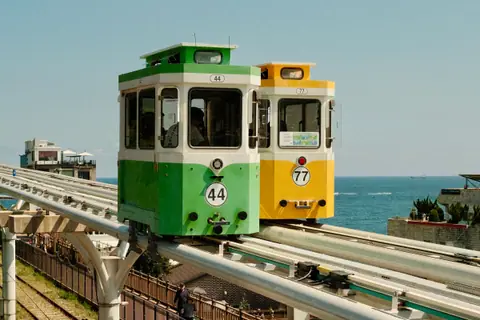
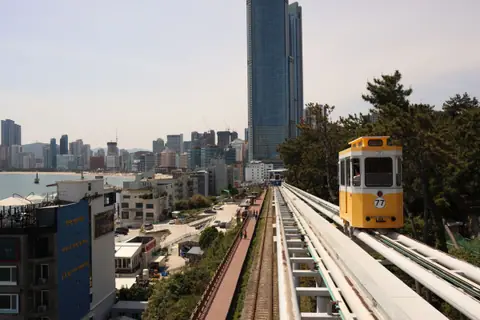
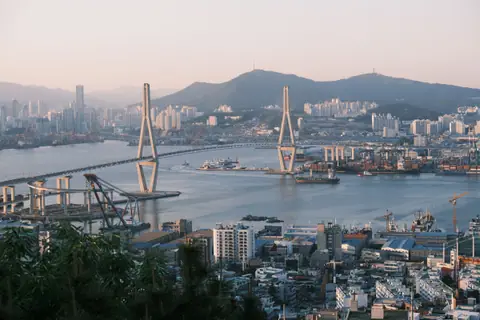
Pastel hillside houses stacked above the port at Gamcheon, Sky Capsules gliding along the Haeundae cliffs, neon-lit Gwangan Bridge over Gwangalli Beach, Jagalchi Fish Market and cliffside Haedong Yonggungsa Temple.
Quick decisions
How many days?
3 days: Gamcheon Culture Village, Jagalchi Fish Market and Nampo-dong on day one, Haeundae Beach, Blueline Park Sky Capsule and Haedong Yonggungsa Temple on day two, plus Gwangalli Beach, Igidae coastal walk and Beomeosa Temple on day three. Follow our three-day route.
Where should I stay?
Haeundae or Gwangalli Beach: ocean views and evening beachfront promenades. Seomyeon: central Line 1 & 2 Metro interchange. Nampo-dong: markets and port character. Compare areas in our neighbourhood overview.
Do I need a car?
No. Busan stretches along a mountain-and-bay coastline where road tunnels congest; use your T-money card on the six-line Busan Metro and city buses.
Best for
Coastal scenery: elevated Sky Capsules, suspension bridges and clifftop timber walks. Seafood and street food: live sea-to-table halls at Jagalchi, pork dwaeji gukbap and seed-stuffed ssiat hotteok. Temples: sea-spray shrines and mountain Zen monasteries.
Before you go
Reserve Haeundae Sky Capsule tickets and KTX trains online ahead: sunset Mipo-to-Cheongsapo capsule slots sell out weeks early. Read our practical briefing.
Getting around
From Seoul or Gimhae Airport (PUS): KTX high-speed trains reach Busan Station from Seoul in under three hours, while Gimhae Light Rail links the airport to Metro Line 2. Details in arrival and transport.
Continue your trip
Pair Busan with Seoul by KTX high-speed rail, take a fifty-minute train or bus north to the ancient Silla royal mounds of Gyeongju, or fly fifty minutes from Gimhae Airport to Jeju Island.
Overview
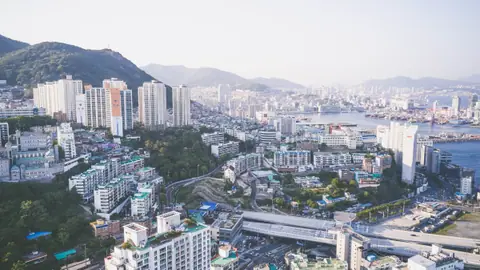
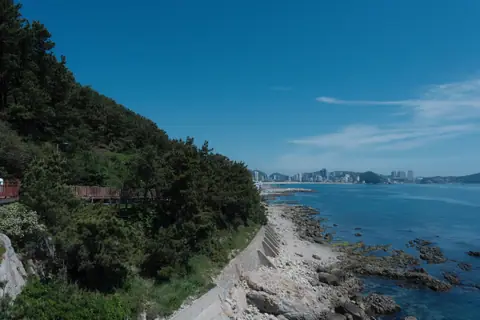
South Korea's second city and largest maritime port could not feel more different in geography from Seoul. Instead of a single river basin, Busan unfolds for forty kilometres along the southeastern tip of the Korean Peninsula where steep, pine-clad granite mountains plunge straight into the Korea Strait, carving the city into a chain of sandy bays, fishing harbours and hillside neighbourhoods.
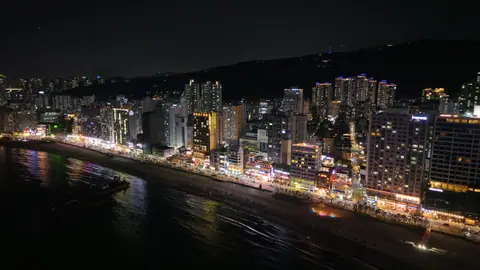
In the historic western port around Nampo-dong, Jagalchi Fish Market and Gamcheon Culture Village, post-war refugee staircases and street-food alleys overlook working shipyards. Ride Metro Line 2 forty minutes east and you emerge into the gleaming beachfront towers, coastal Sky Capsules and illuminated suspension bridges of Gwangalli and Haeundae. Start with our first-timer briefing before choosing your base.
Getting there
Most travellers arrive at central Busan Station on the KTX or SRT high-speed train from Seoul (roughly two hours and forty minutes) or land directly at Gimhae International Airport (PUS) on the western edge of the city, connected to the Busan Metro network by automated Light Rail. Your same rechargeable T-money card from Seoul works seamlessly on every Busan subway line, bus and taxi. See how to get to Busan and around.
Where to stay
Because Busan is stretched out between its western harbour and eastern beaches, where you sleep matters. Staying at Haeundae Beach or Gwangalli Beach gives you resort boardwalks and ocean views, Nampo-dong puts you inside the historic market core near Busan Station, and Seomyeon sits dead-centre where Metro Lines 1 and 2 cross. Compare every district in where to stay in Busan.
Things to do
Ride a retro two-to-four-seat Sky Capsule from Mipo to Cheongsapo above the Haeundae waves, wander the painted hillside alleys of Gamcheon Culture Village before sampling live seafood at Jagalchi Market, and visit wave-lashed Haedong Yonggungsa Temple and mountain Beomeosa. See the full list in things to do in Busan.
Food and drink
Busan is South Korea's undisputed seafood and comfort-food capital. Alongside freshly sliced raw white fish (hoe) and grilled scallops with cheese at Cheongsapo and Jagalchi, the city is famous for milky slow-simmered pork bone soup with rice (dwaeji gukbap), chilled wheat noodles in spicy-tangy broth (milmyeon), fish-cake skewers (eomuk) and brown-sugar pancakes stuffed with roasted sunflower and pumpkin seeds (ssiat hotteok). Read where to eat in Busan food, temples and coastal walks.
Culture
During the 1950 to 1953 Korean War, Busan was the provisional wartime capital and the only major port on the peninsula never captured, absorbing hundreds of thousands of displaced families from the north. Those newcomers built terraced hillside villages like Gamcheon and brought northern noodle and pork-soup dishes that evolved with Busan's coastal ingredients into the city's proud culinary identity.
Weather by month
Busan is warmest in August, with average highs around 30°C, and coldest in January, when nights drop to about 0°C. July is the wettest month, with rain on about 12 days. For mild weather with fewer rainy days, aim for October.
| Month | Low | Range | High | Rain | Rainy days |
|---|---|---|---|---|---|
| Jan | 0°C | 8°C | 34 mm | 3 d | |
| Feb | 2°C | 10°C | 46 mm | 4 d | |
| Mar | 6°C | 14°C | 84 mm | 6 d | |
| Apr | 11°C | 18°C | 128 mm | 8 d | |
| May | 15°C | 22°C | 138 mm | 8 d | |
| Jun | 19°C | 25°C | 178 mm | 9 d | |
| Jul | 23°C | 28°C | 296 mm | 12 d | |
| Aug | 24°C | 30°C | 238 mm | 10 d | |
| Sep | 20°C | 26°C | 168 mm | 9 d | |
| Oct | 15°C | 22°C | 72 mm | 5 d | |
| Nov | 8°C | 16°C | 48 mm | 5 d | |
| Dec | 2°C | 10°C | 28 mm | 3 d |
Averages of daily values from 2015 to 2024. Rainy days are days with at least 1 mm of rain. Source: Open-Meteo · Compare destinations by month.
Busan on the map
Every place we cover in Busan. Tap a category or pin to explore.
In-depth Busan guides
Browse the guides grouped by topic: sights, neighbourhoods, food, transport, day trips and trip planning.
Sights, Landmarks & Parks
Key monuments, viewpoints, museums and nature trails.
- Best Things to Do in BusanHillside art villages, coastal Sky Capsules, live seafood markets, suspension bridges and ocean temples.
- Haeundae Beach, Blueline Park Sky Capsule and Gwangalli BridgeHow to ride the Haeundae Sky Capsule, walk Dongbaekseom to Cheongsapo and enjoy Gwangalli at night.
- Gamcheon Culture Village, Jagalchi Fish Market and Nampo-dongWalking the painted hillside terraces of Gamcheon, Jagalchi Fish Market, BIFF Square and Yeongdo.
Neighbourhoods & Where to Stay
Districts, historic quarters and the best bases for your stay.
Food & Drink
Local dishes, markets, cafés and dining districts.
Getting Around & Arrival
Airport transfers, public transit, passes and driving rules.
Trip Planning & Itineraries
When to visit, what to pack and day-by-day routes.
- Busan: What to Know Before You GoUnderstanding Busan's east-west coastal geography, booking Haeundae Sky Capsules and using Naver Map.
- Best Time to Visit BusanOctober film and fireworks festivals, late March cherry blossoms, summer beach season and mild winters.
- What to Wear in BusanFootwear for hillside stairs and cliffside boardwalks, plus wind-resistant layers for ocean breezes.
- Busan 3-Day Itinerary: West Port Villages, East Beaches and TemplesA geographically grouped three-day route covering West Busan markets, East Busan beaches and temples.
Need your embassy or consulate in South Korea? See embassies and consulates in South Korea.
Reviews
Log in to write a review.
No reviews yet.