Seville: What to Know Before You Go
How Seville works, what to see first, when the heat matters and how to build a trip around the city's rhythm.
Seville is easier to understand once you accept that the day runs later than it does in much of northern Europe. The city can look quiet in the heat of an afternoon and then suddenly fill up after sunset. Build your schedule around that rhythm rather than fighting it.
Start with the monumental triangle
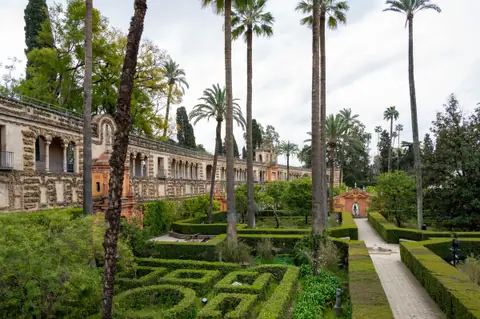
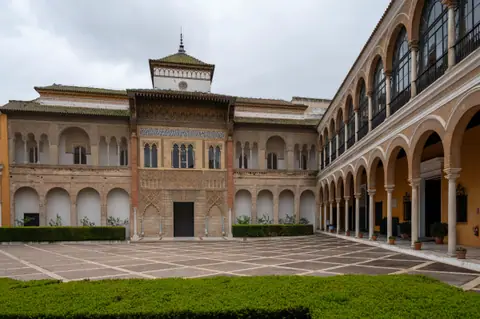
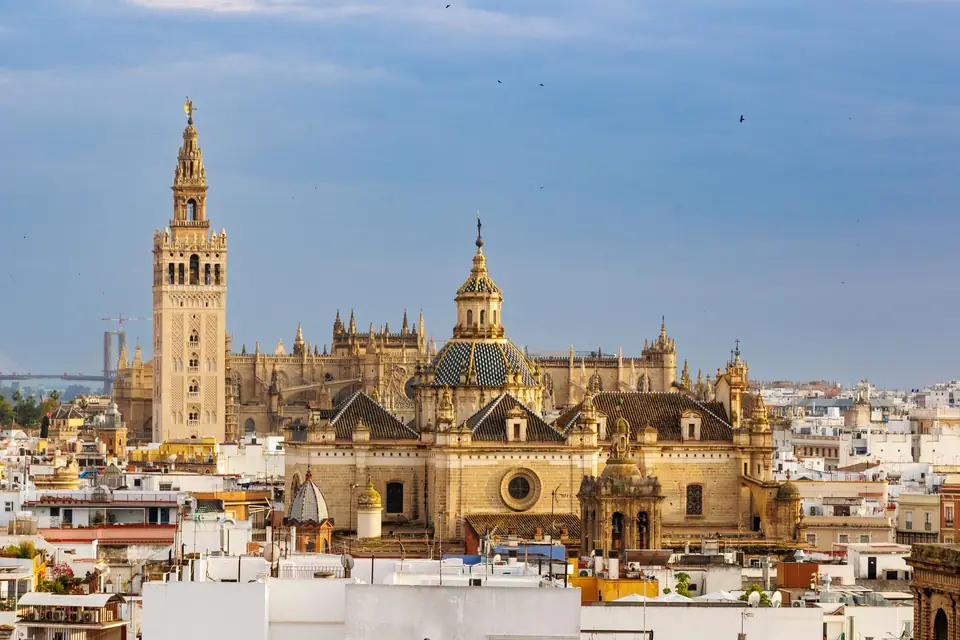
The Cathedral and Giralda, Real Alcázar and Archivo de Indias stand together around Plaza del Triunfo. UNESCO lists the three as a single World Heritage property, reflecting the way Islamic, Christian and later Renaissance histories overlap here. The Giralda began as the minaret of the Almohad mosque; the cathedral was later built over the mosque site, while the Alcázar developed through successive rulers and architectural styles.
Do not treat this as a quick photo stop. The Cathedral and Giralda visit is currently estimated by the cathedral's official site at around 75 minutes, while the Alcázar is a palace-and-garden complex that rewards more time. Book the major monuments before the hottest part of the day and leave slower wandering for later.
How the city is laid out
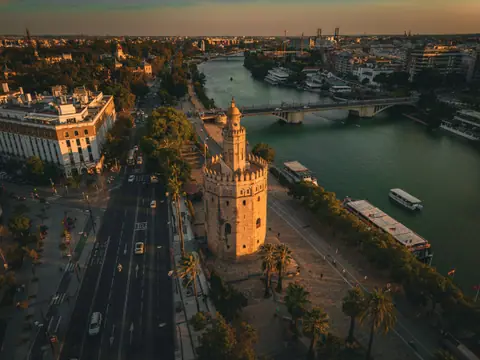
The historic centre is compact, with Santa Cruz beside the cathedral and Alcázar, El Arenal along the river, and the Alfalfa, Encarnación axis leading north toward the Setas and Alameda. Cross the Puente de Triana and the mood changes. Triana has its own ceramics, market life, terraces and flamenco traditions.
For most visitors, the centre is a walking city. Use buses, tram or metro when the distance grows, rather than renting a car and then trying to park in the old town.
The heat changes the itinerary
Summer is not simply “hot”; it can change how much you want to do between lunch and early evening. Put indoor sights, shaded streets and a long lunch into the middle of the day, then return outside once the sun softens. In winter, you gain a much larger comfortable walking window.
Meal times and tapas
Do not mistake the busiest tourist hour for the local one. Lunch tends to be substantial, while dinner is late. Tapas are especially useful because they let you eat in stages. Order one or two things, move on, and continue the night elsewhere. The city tourism office treats this bar-to-bar movement as a core part of Seville's food culture.
Festivals can transform the trip
Holy Week and the April Fair are not background events. Processions change street access and the visual character of the centre; the Fair takes over Los Remedios with hundreds of casetas and a very different social rhythm. Accommodation demand also rises. Check the calendar before booking a spring trip.
One practical booking rule
Buy tickets from official monument sites where possible.50. These are exactly the kinds of prices and access rules that can change, so re-check shortly before travel.
Traveller tips
Real advice from people who have been to Seville: What to Know Before You Go. Every tip is read by our team before it goes live.
No tips yet. Been here? Yours could be the first.
Thank you! Your tip will appear here after a quick review.
More in Seville
Continue exploring Seville with related neighbourhood, food, and planning guides