


























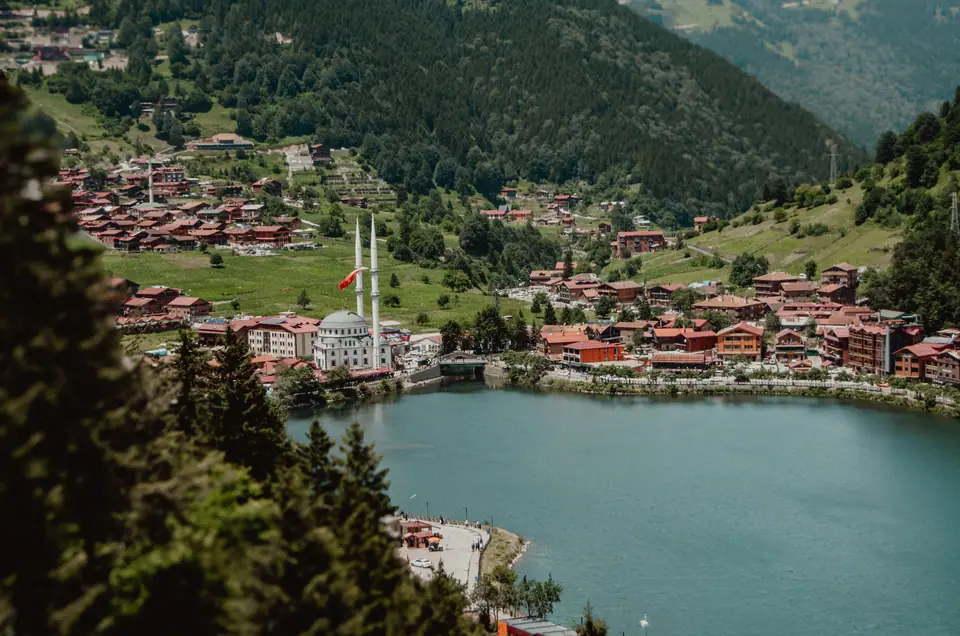
Best Time to Visit Trabzon: Lush Yayla Summers, June Waterfalls and Anchovy Season
Why Trabzon is Turkey's ultimate summer and early-autumn escape when southern coasts hit 40°C.
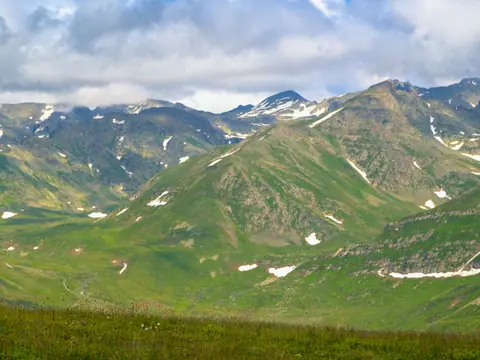
Unlike the Mediterranean and Aegean coasts, which become scorching hot in July and August, Trabzon and the Eastern Black Sea have a lush, temperate oceanic climate where rain falls gently across every season, keeping the hills as green as Ireland or the Pacific Northwest all summer long. For green alpine meadows (yaylalar), comfortable 25°C coastal weather and full daylight, the prime window is mid-May through mid-October.
Late Spring and Early Summer (May and June) is the season of thundering waterfalls and rhododendrons. As winter snow melts off the 3,000-metre peaks above Altındere Valley (Sumela) and Uzungöl, every mountain stream turns into a whitewater cascade, purple and yellow Pontic rhododendrons (orman gülü, whose nectar produces the famous medicinal "mad honey", deli bal) bloom across the forests, and the first May flush of fresh Black Sea tea leaves is harvested.
High Summer: The Great Yayla Season (July and August) is when Trabzon shines as a cool sanctuary from southern heatwaves. While coastal temperatures in Trabzon city sit at a mild 26°C to 28°C (and you can swim at Kaşüstü or Akçakale beaches), riding 40 minutes up into the mountains to Uzungöl (1,090m), Hamsiköy (1,300m), Hıdırnebi (1,600m) or Sultan Murat (2,200m) drops the temperature to a crisp 16°C to 20°C. Late July and August also host the traditional Yayla Migration Festivals (Kadırga, Hıdırnebi and Sultan Murat Şenlikleri), when thousands of highlanders gather on the open meadows for three days of kemençe music and horon dancing.
Autumn: Golden Beech Forests & Hazelnuts (September, October and early November) is arguably the most photogenic month for photographers. Summer crowds thin out at Uzungöl, the mixed deciduous beech, chestnut and alder trees among the dark-green spruces in Altındere Valley turn brilliant gold, orange and crimson in October, and the new crop of sweet Trabzon hazelnuts and persimmons arrives in the bazaar.
Winter (late November to March) is mild and rainy at sea level (8°C to 13°C), marking the peak season for fresh pan-fried Black Sea anchovies (hamsi), while Sumela Monastery and Zigana Pass transform into a dramatic snow-draped winter wonderland. Check what to wear in Trabzon before packing.
Traveller tips
Real advice from people who have been to Best Time to Visit Trabzon: Lush Yayla Summers, June Waterfalls and Anchovy Season. Every tip is read by our team before it goes live.
No tips yet. Been here? Yours could be the first.
Thank you! Your tip will appear here after a quick review.
More in Trabzon
Continue exploring Trabzon with related neighbourhood, food, and planning guides
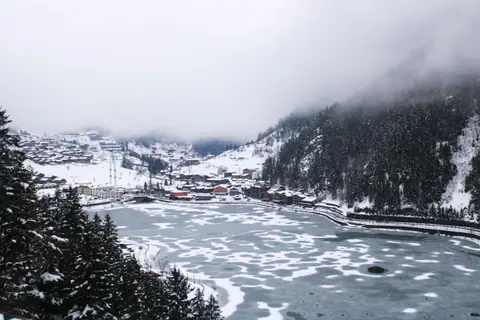
Where to Stay in Trabzon: Meydan Centre, Yomra Seafront and Mountain Chalets
Trabzon
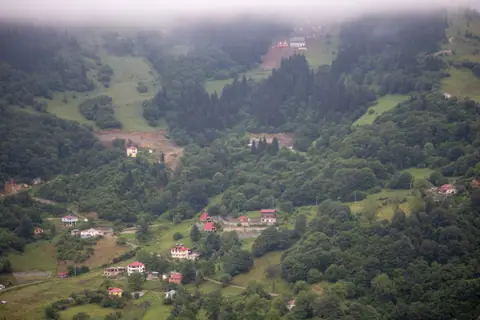
What to Wear in Trabzon: Waterproof Shells, Yayla Fleece Layers and Trail Shoes
Trabzon
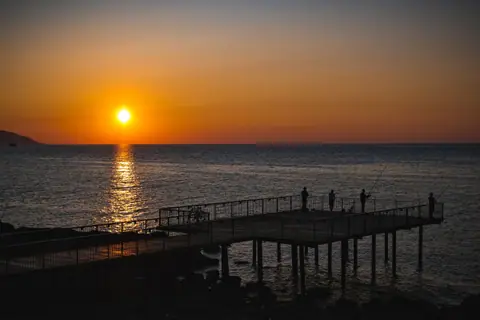
3 Days in Trabzon: Hagia Sophia, Sumela Monastery, Uzungöl and Boztepe
Trabzon
Hidden Byzantine Monasteries of Maçka (Vazelon & Peristera) and Sultan Murat Yaylası
Trabzon
