


























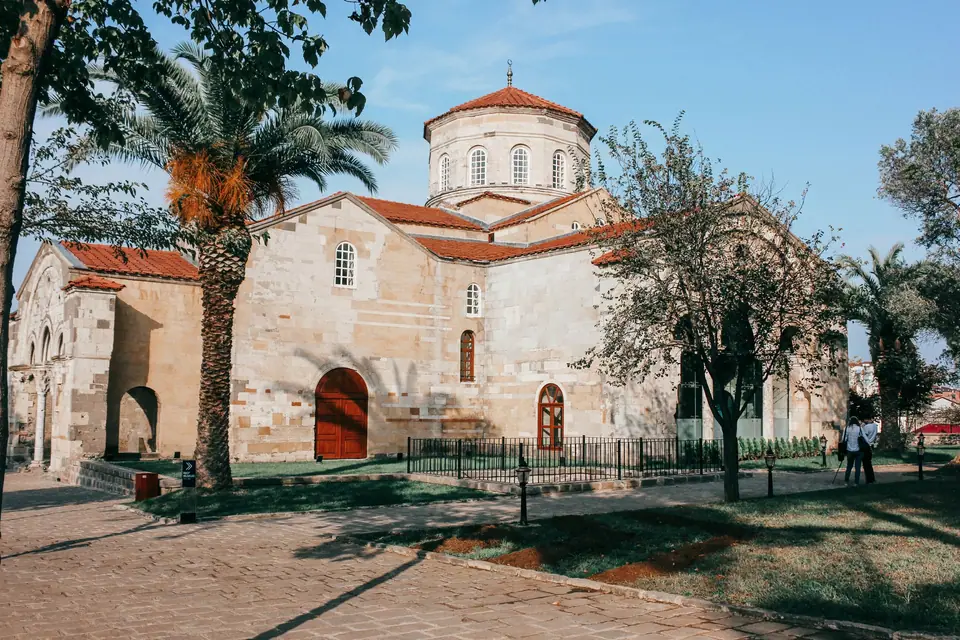
Trabzon Hagia Sophia (Ayasofya) and Kostaki Mansion Museum
Examining 1260s Byzantine dome frescoes, Seljuk stone carvings and the 1913 Kostaki Mansion Museum.
Perched on a green coastal terrace overlooking the Black Sea three kilometres west of Meydan Square (10 minutes by frequent Beşirli/Ayasofya minibus or city bus from the centre), Trabzon Hagia Sophia (Ayasofya Camii ve Müzesi) is universally regarded as one of the finest surviving examples of late Byzantine architecture and painting anywhere in the world.
1. Trabzon Hagia Sophia (Built 1238 to 1263 by Emperor Manuel I Grand Komnenos)
After Crusader knights captured Constantinople in 1204, members of the imperial Komnenos dynasty established the rival Empire of Trebizond along the Black Sea coast. In the 1250s, the empire's wealthiest ruler, Manuel I Grand Komnenos, built Hagia Sophia as the burial and monastic church of the royal house. Because Trebizond sat at the crossroads of the Christian Caucasus and the Islamic Seljuk Sultanate, the church is a fascinating fusion of three artistic worlds:
- The Southern Porch Genesis Frieze & Seljuk Muqarnas: before stepping inside, stand in front of the monumental southern portico. Carved across the limestone arch is a continuous high-relief sculptural frieze depicting the Creation of Adam and Eve, the Temptation of the Serpent in the Garden of Eden, the Expulsion from Paradise, and Cain and Abel, flanked by the single-headed imperial eagle of the Grand Komnenoi, while the column capitals and northern porch feature intricate geometric Seljuk Islamic muqarnas medallions carved by Anatolian masons.
- The 1260s Frescoes and Opus Sectile Floor: functioning today as both an active mosque (on the carpeted ground floor, with free admission) and a museum gallery, its vaulted western narthex (porch), side apses and vaults preserve luminous 13th-century Palaiologan-style frescoes, including the Miracle of the Loaves and Fishes, the Marriage at Cana, the Last Judgement and the Annunciation, while the 1427 Standalone Bell Tower in the garden (rising 24 metres high) contains its own tiny upstairs chapel covered in 15th-century frescoes.
2. The Trabzon Museum (Kostaki Mansion, Zeytinlik Caddesi near Meydan)
Back in the city centre just two blocks north of Meydan Parkı stands the Kostaki Mansion (Kostaki Konağı), built between 1898 and 1913 by Italian architects for Greek banker Kostaki Teophylaktos (and hosting Mustafa Kemal Atatürk during his first visit to Trabzon in 1924). Reopened after a comprehensive restoration as the Trabzon Archaeological and Ethnographic Museum, every single room of the three-storey Italianate palace is covered in hand-painted Art Nouveau wall murals, housing a remarkable 2nd-century AD Roman bronze statue of Hermes excavated in Tabakhane alongside Byzantine icons and Ottoman embroidery.
Traveller tips
Real advice from people who have been to Trabzon Hagia Sophia (Ayasofya) and Kostaki Mansion Museum. Every tip is read by our team before it goes live.
No tips yet. Been here? Yours could be the first.
Thank you! Your tip will appear here after a quick review.
More in Trabzon
Continue exploring Trabzon with related neighbourhood, food, and planning guides
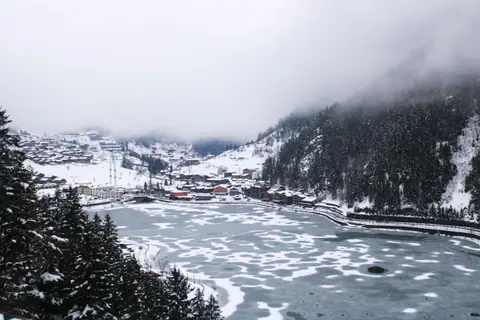
Where to Stay in Trabzon: Meydan Centre, Yomra Seafront and Mountain Chalets
Trabzon
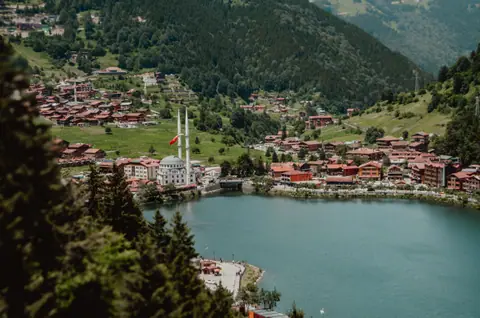
Best Time to Visit Trabzon: Lush Yayla Summers, June Waterfalls and Anchovy Season
Trabzon
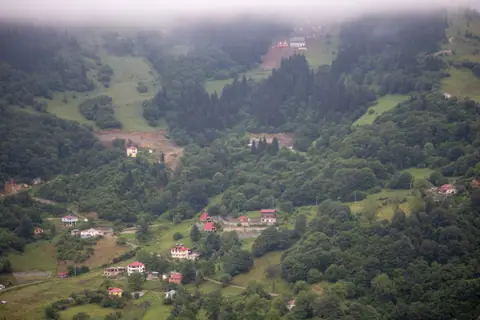
What to Wear in Trabzon: Waterproof Shells, Yayla Fleece Layers and Trail Shoes
Trabzon
3 Days in Trabzon: Hagia Sophia, Sumela Monastery, Uzungöl and Boztepe
Trabzon
