







Fado Night in Lisbon
An evening of Lisbon's own song, two guitars and a voice in a small dark room, and the one night out that feels most like the city.
Overview
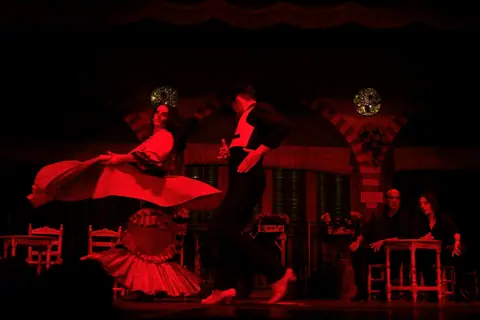
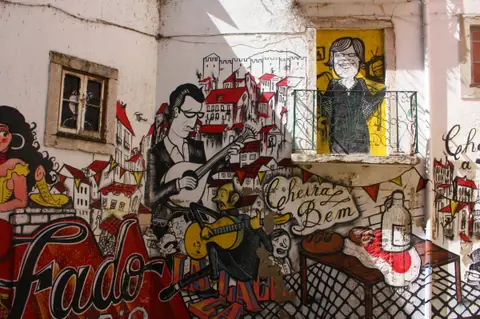
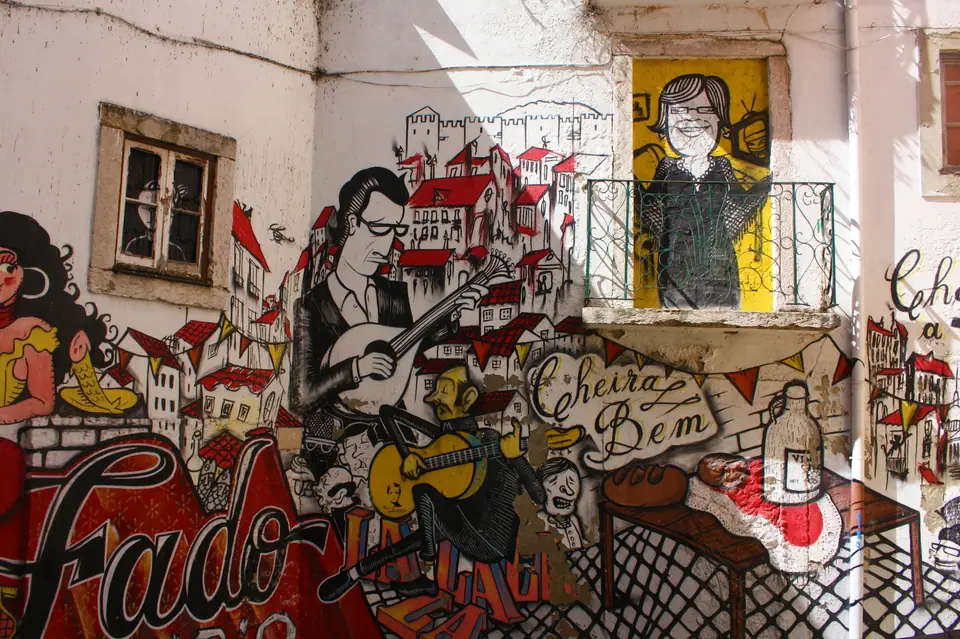
Fado is the song of Lisbon: one singer, a guitarra portuguesa (a pear-shaped guitar with twelve metal strings that carries the melody) and a classical guitar underneath. The songs are about loss, jealousy, the sea, the neighbourhood and saudade, a longing for something gone that doesn't translate neatly. It grew up in the poor waterfront quarters in the early 19th century, mixing Afro-Brazilian dance songs, rural tunes and city ballads. In 2011 UNESCO added it to its list of the intangible cultural heritage of humanity.
A fado night is one of the most tourist-packaged experiences in Lisbon, and also one of the few that still works when it is packaged. The difference between a great night and a flat one is almost entirely the room you choose.
Casa de fado or tasca
A casa de fado is a restaurant built around the music. You book a table, eat a full dinner, and professional singers perform in sets between courses, usually three or four fadistas taking turns through the night. There is almost always a minimum spend per person, and the food ranges from very good to forgettable at a high price. You are paying for the singers.
A tasca with fado vadio ("vagrant fado") is the other end. Amateurs from the neighbourhood, a retired taxi driver, a woman from upstairs, a student, stand up and sing with the house guitarists. Some are wonderful, some are not. It's cheaper, more crowded, often standing room only, and far more local. Nights are irregular, so ask at the bar during the day.
Alfama, Bairro Alto or Mouraria
Alfama has the most fado houses and the strongest atmosphere, with small rooms off stepped lanes below the castle. It also has the most tourist traps, the ones with a hostess outside and a laminated menu in six languages. Our Alfama walk ends a few steps from the heart of it.
Bairro Alto has a handful of old, well-known houses among the bars, and a couple of tiny places for fado vadio. The street outside is loud until late, which is a strange contrast when you walk out of a silent room.
Mouraria, on the slope north of the castle, is where fado is said to have been born, and the home of Maria Severa, its first legendary singer. It is less polished and has fewer tourists, and it's a good place to hear amateurs.
Coimbra fado is different
In the university city of Coimbra, fado is sung by men, traditionally students in black capes, and the songs are serenades about love and student life rather than fate. Audiences there often clear their throats instead of clapping. Lisbon houses occasionally include a Coimbra song in a set, but they are two separate traditions.
Who it suits
Couples, music lovers and anyone who likes a slow evening at a table. It's a poor fit for small children, for groups who want to chat, and for anyone who finds an hour of melancholy in a language they don't speak hard going. If that's you, a tasca where you can leave after two songs is the safer bet.
How to Book
For a casa de fado, book ahead, especially from Thursday to Saturday and in summer. Reserve directly with the house by phone or on its own site, and ask three things: the minimum spend, if a later drinks-only visit is possible (some houses allow this after the dinner service), and roughly when the music starts.
What to look for:
- A small room, ideally under fifty seats, where the singer stands among the tables without a microphone.
- Named fadistas listed for the night. The houses that care about the music tell you who is singing.
- A short menu. A long one often means the kitchen is the business and the music is the decoration.
Avoid places where someone on the street waves you in with a menu, and packaged "fado show and dinner" tours that bus groups between venues.
For fado vadio you rarely book. Turn up, buy a drink, and stand quietly at the back. Cancellation rules vary for the dinner houses, so ask when you reserve. Many restaurants in Lisbon keep one weekday off, so check before you plan around a particular night. The 3-day itinerary puts fado at the end of the Alfama day.
Tips
- Silence during the songs is the rule. When the lights dim, stop talking, put the phone down and don't clink cutlery. Waiters stop serving mid-song. You can talk, order and move between sets.
- Go late. The first set often plays to a room still eating. The later sets, when the regulars and the better singers arrive, are the ones to stay for.
- Ask before filming. Many houses ban it outright. A short clip between songs is sometimes fine, never with a flash.
- Visit the Museu do Fado first. The museum at the bottom of Alfama explains the guitars, the great singers such as Amália Rodrigues, and the history of the houses. An hour there makes the evening far more interesting. Check the official site for opening days.
- Wear shoes for stairs. The walk home through Alfama after midnight is steep and cobbled, and the stones are slippery when damp. See our what to wear guide.
Reviews
Log in to write a review.
No reviews yet.
You might also like

Ubud Cycling Tour
Usually a half day to a full day including hotel pickup, with around 2 to 3 hours on the bike · Bali

Tokyo Izakaya Food Tour
About 3 hours, usually three or four stops in one or two neighbourhoods · Tokyo

Moroccan Cooking Class in Marrakech
About 3 to 5 hours, including the market visit and the meal you cook · Marrakech

Inca Trail Trek to Machu Picchu
4 days and 3 nights for the classic trek, 1 long day for the short version (2 days with a night in Aguas Calientes and a second visit) · Machu Picchu