Photo by Johny Goerend on Unsplash
Canada Travel Guide: Regions, Routes and Practical Tips
How to plan a first trip to Canada: which regions to pick, how long the distances really take, when to go, and the entry and park rules visitors most often get wrong.
Canada is the second-largest country in the world, and Toronto to Vancouver is a flight of nearly five hours or four nights on the train. So pick a coast or the mountains, and fly between regions instead of driving.
Canada in brief
Short answer: for a first trip, choose the west (Vancouver and the Rockies) or the east (Toronto, Montreal and Quebec City). Either works in ten days. Combining them needs a domestic flight and at least two weeks.
Canada suits hikers, road-trippers and families who want safe, easy cities; in Jasper, elk graze by the road. It is harder without a driving licence, outside summer, or on a tight budget.
The regions at a glance
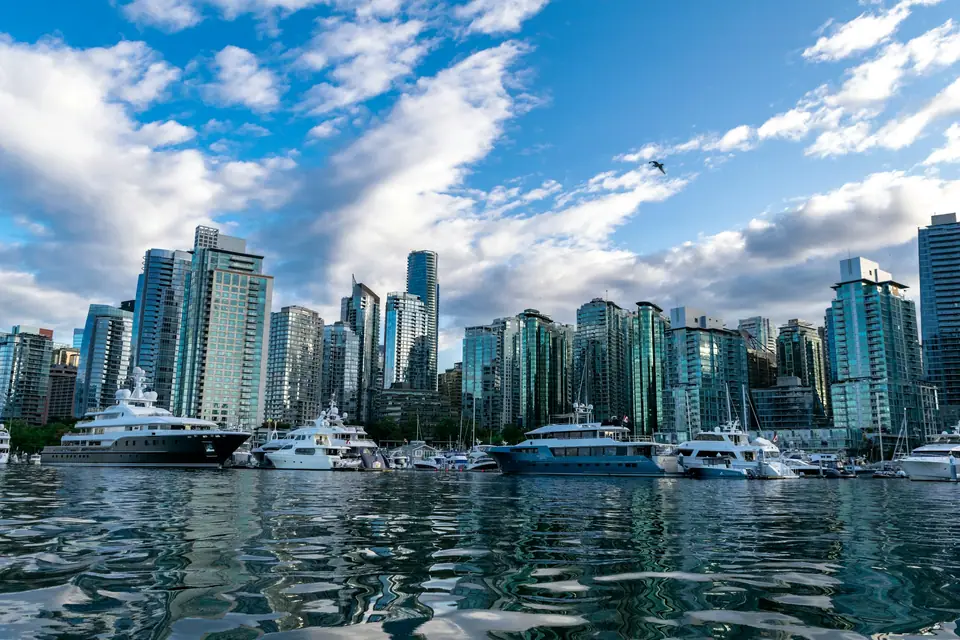
- Vancouver and Vancouver Island. A city between the sea and the Coast Mountains, with Stanley Park and Granville Island's market; start with our Vancouver travel guide. Across the water, Tofino faces the open Pacific: surf, rainforest and winter storms.
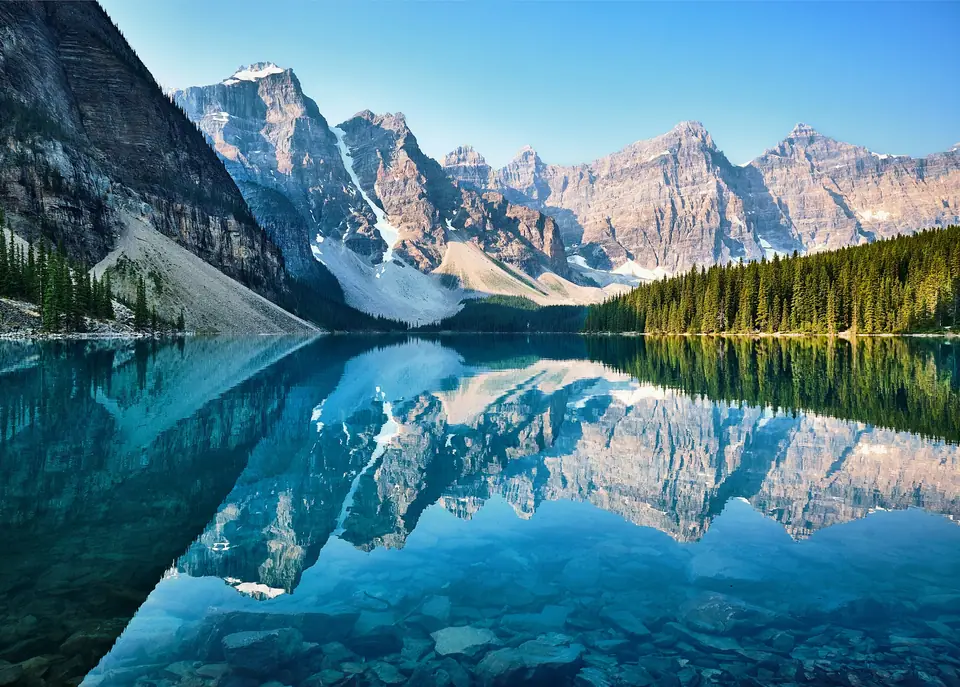
- The Rockies: Banff and Jasper. Glacier-fed lakes and the Icefields Parkway linking the two parks. Calgary, about 90 minutes from Banff, is the gateway.
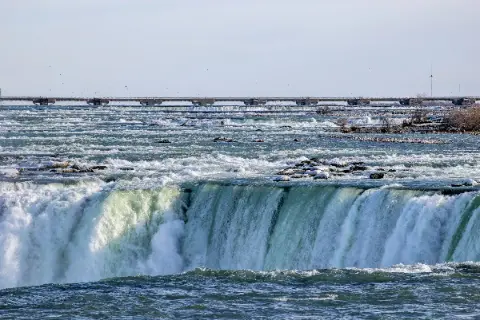
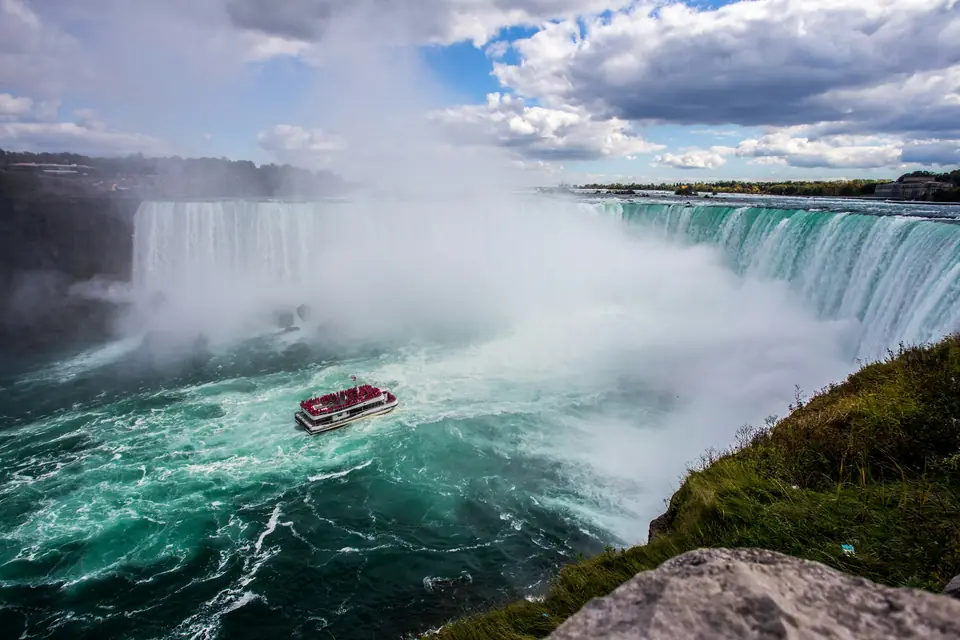
- Toronto and Niagara. The biggest city: eat in Kensington Market and Chinatown. Niagara Falls is about 90 minutes away; the falls deserve half a day, the town around them much less.
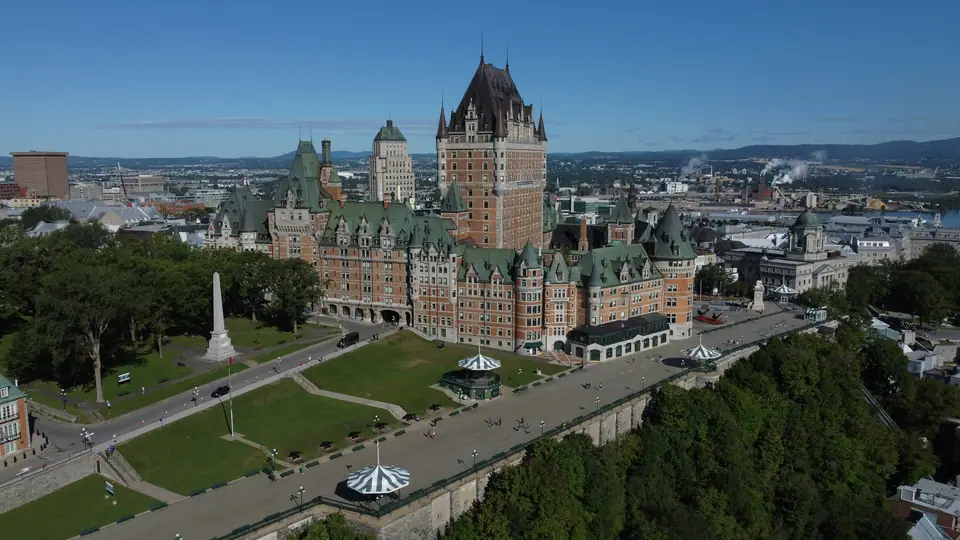
- Montreal and Quebec City. French-speaking Canada. Montreal has bagels, smoked meat and the outdoor staircases of the Plateau. Quebec City keeps its fortified walls and a lower town of stone houses below the Château Frontenac.
- Atlantic Canada. Nova Scotia's Cabot Trail, Prince Edward Island's lobster suppers and Newfoundland's icebergs in late spring.
- The North. Whitehorse in Yukon and Yellowknife in the Northwest Territories are the bases for the northern lights, a flight from Vancouver, Calgary or Edmonton.
- The Prairies. Most visitors fly over them, except for Churchill's polar bears in autumn.
Three routes: 7, 10 and 14 days
7 days: the Rockies
- Fly into Calgary and drive to Banff or Canmore, 2 nights.
- Lake Louise, 1 night, about 45 minutes from Banff, with Moraine Lake by shuttle.
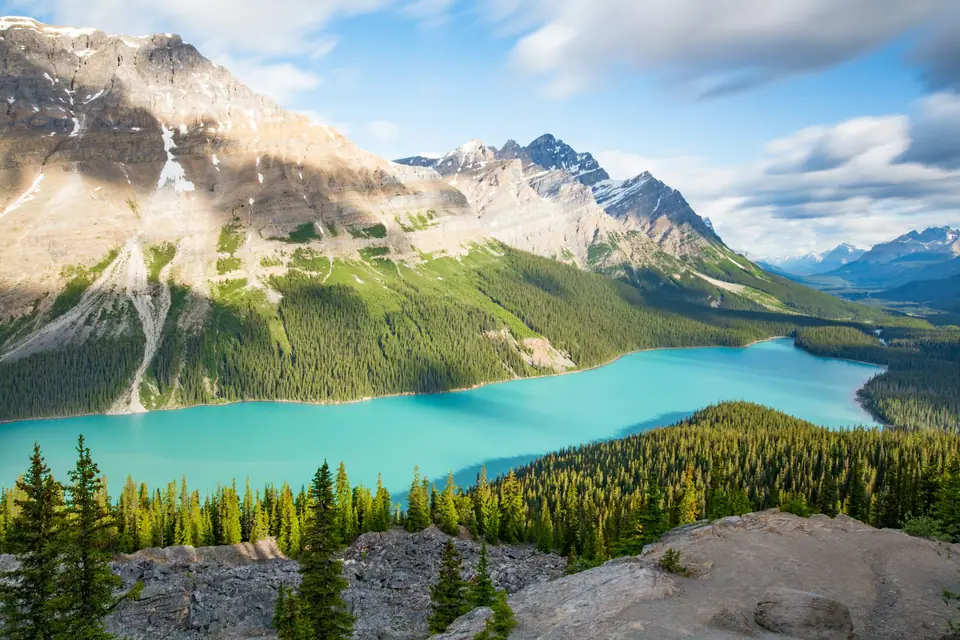
- The Icefields Parkway to Jasper: about 230 km, three and a half hours without stops, a full day with stops at Peyto Lake and the Columbia Icefield.
- Jasper, 3 nights. Drive to Edmonton (about four hours) or back to Calgary (about five) to fly home.
10 days: Toronto, Montreal and Quebec City
- Toronto, 3 nights, with a day at Niagara Falls.
- Train to Montreal, about five hours; 3 nights.
- Train or car to Quebec City, about three hours; 3 nights, with a day on Île d'Orléans or at Montmorency Falls. Fly home from Quebec City or Montreal.
Starting in New York? Our New York transport guide covers Penn Station, where Amtrak's Adirondack leaves for Montreal (check summer schedules).
14 days: Vancouver, the island and the Rockies
- Vancouver, 3 nights.
- Ferry to Vancouver Island (about 95 minutes of crossing), 2 nights in Victoria and 2 in Tofino.
- Ferry back from Nanaimo, then drive via Revelstoke and Rogers Pass to Banff: about 850 km, two days.
- Banff, Lake Louise and Jasper, 5 nights. Fly home from Calgary.
Getting around
VIA Rail is practical only in the corridor from Quebec City to Windsor, linking Quebec City, Montreal, Ottawa and Toronto several times a day, increasingly on new Siemens-built Venture trains. Toronto to Montreal takes around five hours, centre to centre.
The Canadian, VIA's Toronto to Vancouver train via Jasper, takes four nights, runs only a few times a week (less in winter) and often arrives hours late because freight has priority. Leave a spare day before any onward flight.
Domestic flights are the only sensible way to cross the country.
Driving is how most visitors see the Rockies and the Atlantic provinces. In Quebec, winter tyres are compulsory on passenger cars, rentals included, from 1 December to 15 March. In British Columbia, most mountain highways, including the Sea to Sky and the routes to the Rockies, require them from 1 October to 30 April.
When to go
July and August bring long days, open trails and the biggest crowds. They are also wildfire season, and smoke can drift hundreds of kilometres, hiding the Rockies or reaching Toronto and Vancouver. Book refundable rooms.
September is our favourite month for the Rockies: cooler and quieter, until the larches turn gold above Moraine Lake in the second half and the crowds return. Quebec and Ontario turn red in early October.
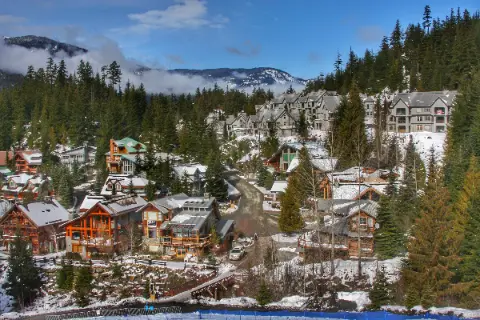
Winter means skiing at Whistler, Banff and Mont-Tremblant, the Quebec Winter Carnival in February, and minus 20°C or colder in the Prairies and the North. Aurora season in Yukon and the Northwest Territories runs from late August to April.
Late spring is quiet, but black flies (May and June) and mosquitoes (June and July) can be relentless in the backcountry.
Money and manners
- Tax is added at the till. Listed prices exclude the federal GST and any provincial tax (PST, QST or a combined HST): about 5 percent in Alberta, up to around 15 in the Atlantic provinces.
- Tipping works as in the US: 15 to 20 percent in restaurants and bars, less for taxis and hairdressers.
- French in Quebec. French is the official language and comes first on signs and menus. Montreal is bilingual in practice; elsewhere, open with "bonjour" before switching to English.
Practical questions
Do we need a visa or an eTA?
Visa-exempt travellers (EU, British, Australian, Japanese and others) need an electronic travel authorisation, the eTA, to fly to Canada. It lasts five years or until the passport expires; apply only on the Government of Canada site. Arriving by land or on most cruise ships, you need no eTA, and US citizens never do. Other nationalities need a visitor visa, though some holding a valid US visa can fly in with an eTA instead. ArriveCAN is no longer required.
Can we combine Canada with the US?
Easily: Niagara, Vancouver to Seattle and Montreal to New York are simple land crossings. Entering the US by land, you need your ESTA or US visa plus an I-94 record, which can be requested online a few days ahead. See our USA travel guide and, after Montreal, our New York travel guide.
How do park fees work?
Banff, Jasper and most national parks charge daily admission per person or per group, apart from occasional free-entry periods announced by Parks Canada. Stay a week and the annual Parks Canada Discovery Pass usually pays off. Under-18s enter free.
Can we drive to Moraine Lake?
No. Since 2023 the road has been closed to private vehicles. From June to mid-October you go by Parks Canada shuttle, booked in advance (it sells out), or with a licensed tour operator.
What is open in Jasper after the 2024 fire?
The July 2024 wildfire destroyed about a third of the town's buildings, but Jasper is open, and most hotels and restaurants are running. The Icefields Parkway, Maligne Lake Road, Pyramid Lake and the SkyTram are open. As of September 2026, Maligne Canyon and several campgrounds remain closed; check Parks Canada's "What's open" page.
Bears, bear spray and cannabis
Black bears and grizzlies live across the Rockies and much of British Columbia. Make noise on trails and carry bear spray on your belt. You can't fly with it, so buy or rent it in Banff or Jasper. Cannabis is legal from licensed shops, but never take it across any border, even into US states where it is legal.
Where would we start?
With Banff in September. Fly into Calgary, stay three nights in Canmore or Banff, book the first Moraine Lake shuttle of the day and walk to Larch Valley (in larch season, hikers must go in groups of four) while the needles are gold. Then drive the Icefields Parkway slowly to Jasper.