A detailed walking and Sacred Valley route through Qosqo, the Navel of the Inca World: precision-fitted coursed stone walls, Qorikancha, San Blas, Sacsayhuamán, and Ollantaytambo.
Pachacuti’s Puma-Shaped Capital and Andean Baroque Courtyards
Inhabited first by the Killke culture and transformed in the fifteenth century by Sapa Inca Pachacuti into the monumental capital of Tawantinsuyu (The Four United Regions of the Inca Empire), Qosqo was designed in the silhouette of a crouching puma, with the megalithic fortress-sanctuary of Sacsayhuamán forming its jagged head and the confluence of the Saphi and Tullumayo rivers forming its tail.
Four royal highways (Qhapaq Ñan) radiated from the central square of Huacaypata (modern Plaza de Armas) and the gold-sheathed Sun Temple of Qorikancha. Following the Spanish arrival in 1533, Andean Baroque cathedrals and cloisters were built directly atop earthquake-resistant Inca diorite and andesite stone walls, creating one of the world's most extraordinary architectural synthesis sites.
Plaza de Armas, Cathedral & Core Inca Palaces
Plaza de Armas Huacaypata, Cusco Cathedral, Church of the Society of Jesus Compañía de Jesús, Portal de Panes, Hatun Rumiyoc Twelve-Angled Stone, Palace of Inca Roca, Museo Inka Admiral’s Palace, and Plaza Nazarenas
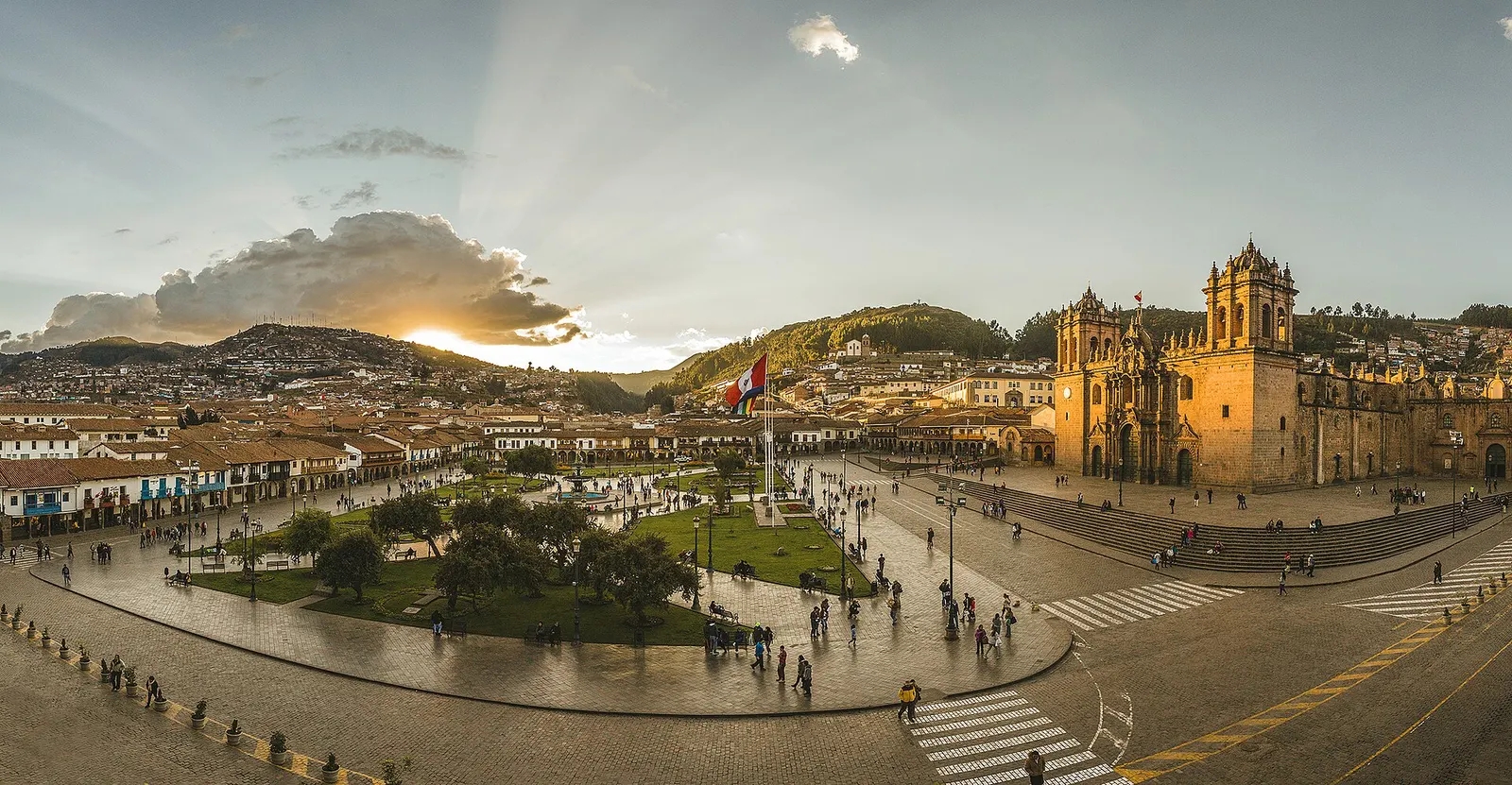
Plaza de Armas of Cusco
Originally known as Huacaypata, this central open space formed the ceremonial heart of the Inca Empire before Spanish colonists built stone arcades around its perimeter. We observe both imperial stonework foundations and fine colonial balconies overlooking the gardens. Today it remains surrounded by historic temples, offering a clear view of Cusco's complex layered heritage.
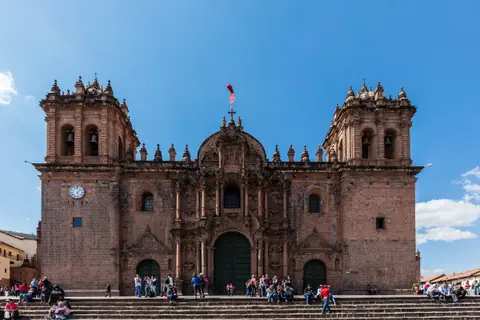
Cusco Cathedral
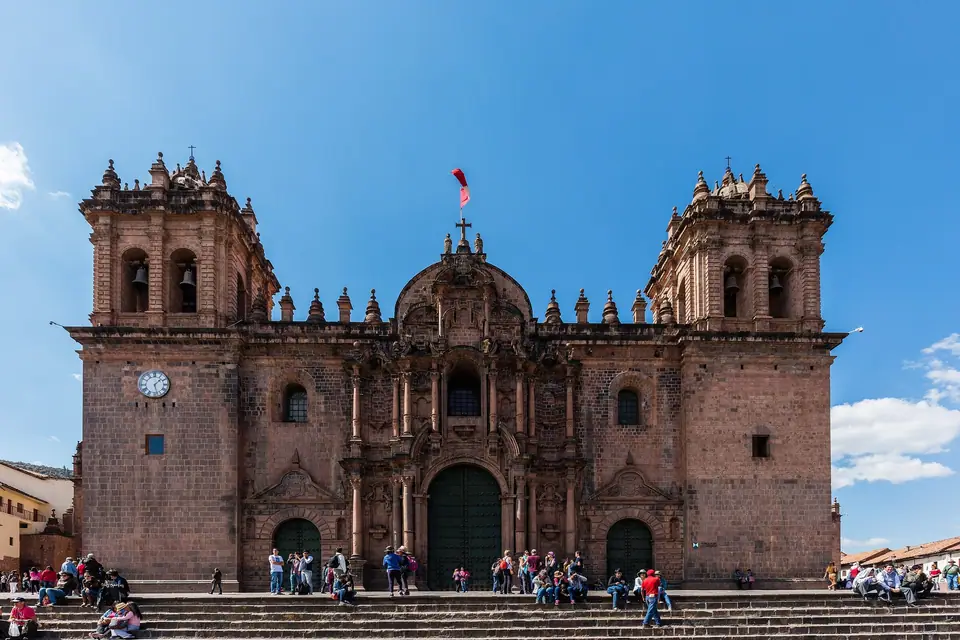
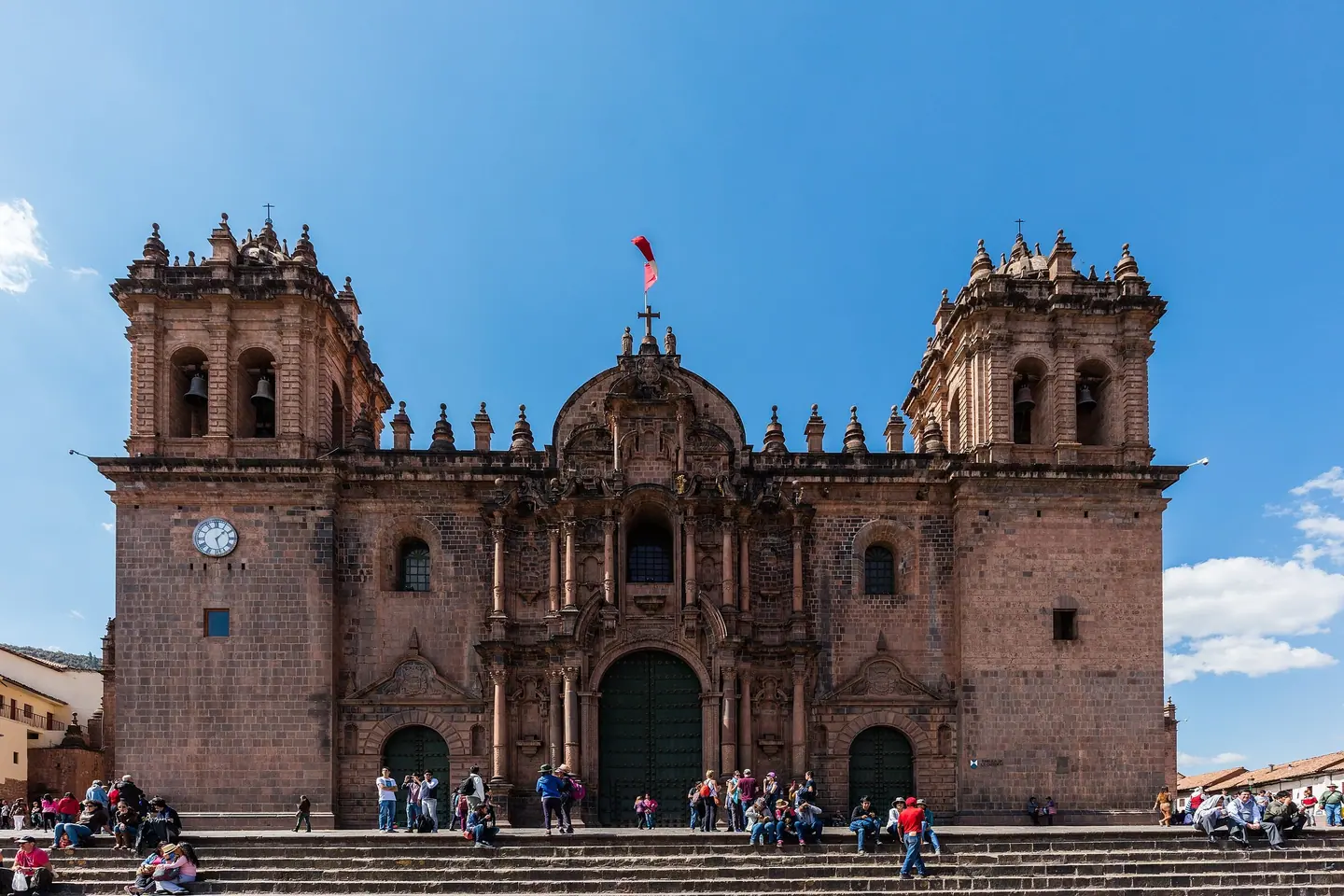
Constructed over the palace of Inca Viracocha, this grand Renaissance and baroque cathedral took nearly a century to complete using stones quarried from Sacsayhuamán. The interior houses magnificent silver altars, carved cedar choir stalls, and Andean religious paintings, notably Marcos Zapata's representation of the Last Supper. The complex also integrates two neighbouring chapels: El Triunfo and Sagrada Familia.
Church of the Society of Jesus
Erected upon the site of Huayna Capac's royal residence, Amarucancha, this Jesuit church was rebuilt in grand Andean baroque style following the 1650 earthquake. Its carved stone facade competes openly in grandeur with the neighbouring cathedral. Inside, visitors find an enormous carved and gilded main retablo alongside paintings depicting the marriage of Martin Garcia de Loyola.
Twelve-Angled Stone
Carved into the green diorite wall of the palace of Inca Roca, this celebrated stone showcases the flawless mortarless joinery of imperial Inca masons. Twelve distinct angles fit tightly against neighbouring blocks without allowing a piece of paper to slide through the joints. The wall continues down Calle Hatun Rumiyoc, forming a durable testament to pre-Columbian engineering.
Archbishop's Palace of Cusco
Built over the substantial stone base of the palace of Inca Roca, this stately colonial residence features an ornamental carved wooden balcony and an expansive inner courtyard. It houses the Museum of Religious Art, displaying prominent works from the Cusqueña painting school. The massive retaining walls outside display some of the finest polygon masonry in the city.
Museo Inka
Housed within the seventeenth-century Palacio del Almirante, this museum contains a comprehensive collection of Inca and pre-Inca material culture, including mummies, textiles, ceramics, and metalwork. The building itself is notable for its plateresque stone portal bearing colonial coats of arms and a spacious stone-pillared courtyard. It is managed by the National University of Saint Anthony the Abbot.
Plaza Nazarenas
Located a short walk uphill from the central square, Plaza Nazarenas offers a tranquil space framed by whitewashed walls and polished Inca stone bases. The square served as an administrative sector during Inca rule before hosting colonial monastic orders. Today, former convents and aristocratic mansions around the cobblestone plaza operate as museums and luxury heritage lodgings.
Church of the Triumph
Built on the site of Sunturhuasi, an Inca hall of arms, this was the first Christian chapel erected in the city following the Spanish capture. Its name commemorates the Spanish victory during Manco Inca's siege of 1536, attributed by colonists to divine intervention. Inside rests a revered granite cross said to have arrived with the early conquistadors.
Church of the Sagrada Familia
Completed in the early eighteenth century, this Renaissance-style church stands adjacent to the cathedral on the northeast flank of the Plaza de Armas. The facade features restrained stone carvings and a central niche holding statues of the Holy Family. Its interior contains finely carved altarpieces and baroque paintings produced by local indigenous artists.
Portal de Panes
This arcade forms the western border of the Plaza de Armas, sustained by sturdy stone pillars and colonial arches that once sheltered bread merchants. Above the walkway, traditional enclosed wooden balconies jut out over the plaza. It remains an active civic corridor where travellers can admire the sweep of the square while sheltered from Andean mountain rains.
Portal de Harinas
Running along the northwest flank of the Plaza de Armas, the Portal de Harinas historically accommodated traders selling flour and grains. The architecture retains classic Spanish colonial columns supporting timbered roofs and ornate painted balconies above. Walking beneath these arches provides intimate views across the central gardens toward the twin towers of the cathedral.
Portal de la Compañía
Adjacent to the Church of the Society of Jesus, this arcade connects the southern reaches of the plaza with colonial residential streets. The arches stand near what was once the outer enclosure of Huayna Capac's palace compound. Its covered terrace offers an exceptional vantage point for observing the stone facade and bell towers of the Jesuit church.
Loreto Alley
Originally known as Intikijllu, this narrow pedestrian passageway preserves some of Cusco's finest dual-sided Inca stonework. On the western side stands the wall of Amarucancha, while the eastern side preserves the exterior retaining wall of the Acllahuasi, the house of the chosen women. The finely dressed, dark andesite blocks display characteristic inward-sloping trapezoidal precision.
Santa Catalina Monastery
Founded in the early seventeenth century, this cloistered Dominican convent occupies the site where Inca acclacuna once wove fine textiles and brewed chicha. The convent complex includes preserved arcaded cloisters, peaceful domestic cells, and an ecclesiastical museum displaying religious art and colonial relics. Intricate Inca masonry remains clearly visible along the building's exterior foundation.
Casa de las Sierpes
Located on Calle Nazarenas, this historic manor house incorporates an original stone doorway decorated with low-relief carvings of serpents, reflecting Inca artistic traditions. The building later served as the colonial convent of the Beaterio de las Nazarenas. Today restored as a heritage hotel, its stone entrance remains one of the area's most photographed architectural details.
Pre-Columbian Art Museum
Situated in Plaza Nazarenas within a former colonial mansion built over an Inca ceremonial court, this museum exhibits ancient Peruvian artifacts. Curated in collaboration with Lima's Larco Museum, the galleries display gold, silver, shell, and ceramic treasures from Mochica, Chimú, Nazca, and Inca cultures. The central courtyard preserves elegant colonial arches and restored stone pavement.
Casa de Garcilaso de la Vega
This sixteenth-century mansion was the family residence of Inca Garcilaso de la Vega, whose writings detailed Inca customs and the Spanish conquest. Constructed over Inca foundations, the house features a stone portal, an inner courtyard with stone columns, and traditional timber balustrades. It now houses the Regional Historical Museum, chronicling Cusco's history from pre-ceramic eras onward.
Triunfo Street
Connecting the Plaza de Armas directly to the artisanal district of San Blas, this narrow thoroughfare displays an unbroken continuity of imperial stonework and whitewashed adobe. Several buildings along the street preserve carved Inca foundations, including parts of the ancient palace of Viracocha. Small craft shops, cafes, and art galleries line its gentle stone gradient.
Palacio de Manco Cápac
Set on the lower slopes below Sacsayhuamán, Colcampata is traditionally associated with Manco Cápac, the mythical founder of the Inca dynasty. The site retains a colossal terrace wall built of massive polished stone blocks featuring fine trapezoidal niches. Beside the ancient stonework stands the colonial church of San Cristóbal, commanding a broad panorama over the Plaza de Armas below.
Kusicancha
Situated just south of the Plaza de Armas, Kusicancha was an imperial residential complex traditionally identified as the birthplace of Inca Pachacuti. Archeological excavations have uncovered stone walls, ceremonial rooms, drainage channels, and residential patios once inhabited by Inca nobility. Visitors can walk through preserved stone foundations that illustrate urban domestic planning in the pre-Columbian imperial centre.
Qorikancha Sun Temple, Kusikancha & San Pedro Market
Qorikancha & Santo Domingo Convent, Loreto Alley Inca Walls, Kusikancha Courtyard, Santa Catalina Monastery Cusco, Plaza Regocijo, Casa Garcilaso Regional Historical Museum, La Merced Cloister, Santa Clara Arch, and San Pedro Central Market
Qorikancha
Regarded as the most sacred sanctuary of the Inca Empire, this complex once featured exterior stone walls lined with sheets of pure gold. Spanish chroniclers recorded that its curved masonry survived earthquakes that flattened later structures. Today, visitors observe the precision joinery of the surviving stone chambers beneath the colonial convent.
Convento de Santo Domingo
Erected by the Dominican Order in the sixteenth century, this complex incorporates original basalt ashlar masonry into its baroque cloister. The interior displays paintings from the Cusco School alongside archaeological exhibits explaining the site's ritual significance. We can examine fine wood carvings in the choir stalls and the stark contrast between stone architectures.
Callejón de Loreto
This stone corridor connects the central plaza with neighbouring thoroughfares, bordered by the boundary walls of the Acllahuasi and Amarucancha palaces. The trapezoidal stone blocks fit tightly together without the use of mortar. Walking through reveals the defensive layout and urban planning typical of the imperial Inca capital.
Kusikancha
Believed to be the birthplace of the Inca emperor Pachacuti, this preserved residential quadrangle features interconnected rooms arranged around a central court. Archaeological excavations here revealed domestic hearths, ceramic vessels, and funeral contexts from the Late Horizon period. Visitors can study the low stone doorways and double-jamb niches that denote high-status dwellings.
Monasterio de Santa Catalina de Siena
Constructed in 1601 over the foundations of the Inca Acllahuasi, this convent served as an enclosed religious community for centuries. The museum houses a significant collection of seventeenth-century religious canvases, colonial furnishings, and gilded altarpieces. Arched colonnades enclose a tranquil courtyard that reflects traditional Andalusian convent architecture.
Plaza Regocijo
Separated from the main plaza during the colonial era, this public park served as an Inca gathering ground for festivals and civic celebrations. Shaded by native trees and surrounded by municipal arcades, it features a central stone fountain topped with a bronze condor. It offers a calmer alternative for observing daily civic life.
Museo Histórico Regional de Cusco
This sixteenth-century residence stands as a prime example of early viceregal civil architecture, complete with stone porticoes and an interior courtyard. The rooms exhibit archaeological artefacts from pre-Inca cultures, such as Marcavalle and Wari, alongside viceregal art. Information panels document the life of Garcilaso, the first notable mestizo writer of the Americas.
Basílica Menor de la Merced
Rebuilt after the devastating 1650 earthquake, this church features an ornate carved stone facade and a soaring bell tower. The crypt holds the remains of Spanish conquistadors Diego de Almagro and his son. Inside the sacristy, visitors can view a gold monstrance adorned with pearls and thousands of precious stones.
Arco de Santa Clara
Erected in 1835 under the orders of Marshal Andrés de Santa Cruz, this stone arch commemorates the formation of the Peru-Bolivian Confederation. Carved from local andesite, the structure features classical pediments and statues representing the nation. It stands astride the direct pedestrian route between the colonial centre and the western markets.
Mercado Central de San Pedro
Opened in 1925, this sprawling iron-roofed municipal market serves as the primary trade centre for produce, meat, and traditional remedies. Aisles are organized by product type, displaying native Andean tubers, mountain cheeses, and handwoven textiles. It offers travellers a direct encounter with modern agrarian commerce and highland culinary traditions.
Templo de San Pedro
Founded as part of a hospital for indigenous residents in the sixteenth century, the current stone church dates from the late seventeenth century. Twin bell towers flank a baroque facade constructed using blocks salvaged from nearby Inca structures. The interior contains ornate gilded altars and pulpit carvings typical of regional colonial workshops.
Plaza San Francisco
This expansive public space lies directly west of Plaza Regocijo, serving historically as an entry staging ground for travellers arriving from the coast. The plaza contains a stone fountain and botanical gardens displaying native highland plants, including q'euña trees. Important colonial monuments, including a Franciscan church and secondary school, line its perimeter.
Iglesia de San Francisco de Asís
Constructed in the 1670s, this austere stone church contains a vast Franciscan art collection and an extensive colonial library. The adjacent cloister displays a colossal painting depicting the family tree of the Franciscan Order, attributed to Basilio de Santa Cruz Pumacallao. Visitors can also descend into the stone crypts beneath the main altar.
Colegio Nacional de Ciencias
Founded in 1825, this landmark school occupies the former Jesuit boarding college of San Bernardo adjacent to Plaza San Francisco. Its neoclassical facade features heavy stone doorways and iron-grilled windows overlooking the plaza. The building played a fundamental role in nineteenth-century republican education and the formation of Cusco's intellectual elite.
Iglesia de Santa Clara
Dating back to the mid-sixteenth century, this fortified stone temple was built to house the Order of Saint Clare. The single-nave interior is notable for its intricate gilded retablos decorated with thousands of small mirrors intended to reflect candlelight during services. An ornate choir screen separates the former cloistered nuns from the main congregation.
Plaza de la Almudena
Situated in the historic Santiago quarter, this quiet plaza developed around religious foundations built to treat the poor and infirm. The square is framed by the stone facade of Almudena Church and the adjacent historic cemetery. It provides insight into the outer boundary of colonial Cusco's civic development.
Templo de la Almudena
Constructed between 1686 and 1689, this church houses a replica of the Virgin of Almudena sent directly from Madrid. The interior features an exceptionally fine baroque pulpit and wood carvings executed by the indigenous master sculptor Juan Tomás Tuyro Tupac. The sanctuary remains a dedicated centre for regional Catholic devotions.
Cementerio General de la Almudena
Established in 1845 using debris salvaged from ruined colonial buildings, this cemetery is the oldest functioning public burial ground in the city. The grounds contain classical family crypts, multi-tiered burial niches, and monuments dedicated to notable regional figures, including writer Clorinda Matto de Turner. Its architectural styles range from neoclassical stone tombs to republican ironwork.
Avenida El Sol
Serving as the modern commercial spine of the city, this avenue follows the ancient route running parallel to Qorikancha. In the twentieth century, engineers culverted the subterranean river to create a wide civic boulevard linking the historic centre with the railway station. Today it hosts craft workshops, commercial banks, and regional government offices.
Palacio de Justicia de Cusco
Designed during the mid-twentieth-century urban modernisation programme, this massive andesite building houses the Superior Court of Justice. The facade features colossal ionic columns and wide approach stairs that command the eastern flank of Avenida El Sol. The architecture demonstrates how classical European judicial forms were adapted using regional stone.
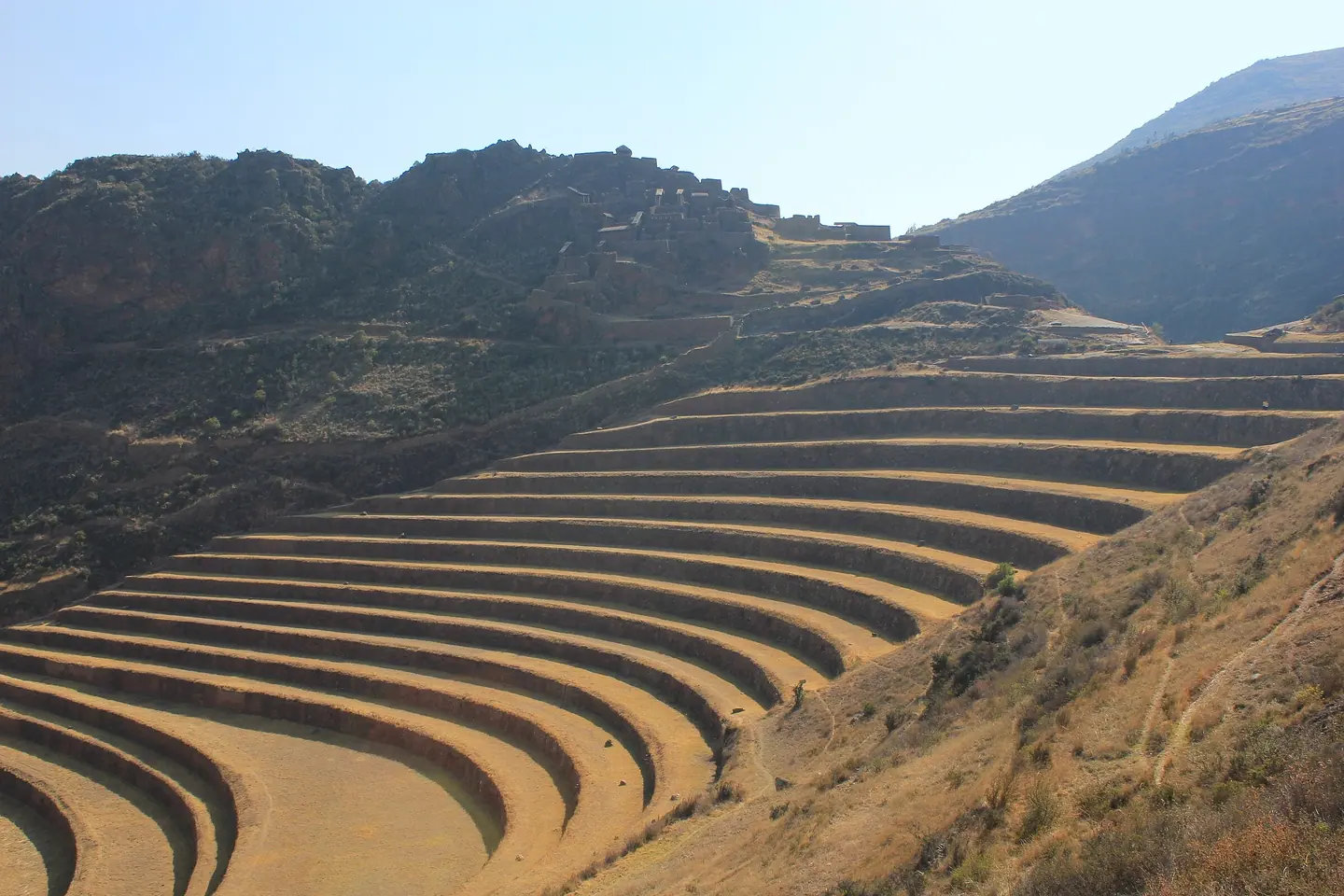
San Blas Artisans’ Quarter & San Cristóbal Viewpoints
Cuesta de San Blas, Plazoleta de San Blas, San Blas Church Carved Cedar Pulpit, Hilario Mendívil Workshop, Siete Borreguitos Flower Street, Sapantiana Colonial Aqueduct, Colcampata Inca Terraces, and San Cristóbal Bell Tower Viewpoint
Cuesta de San Blas
This steep colonial street ascends directly from Hatun Rumiyoc towards the artisans' quarter, framed by whitewashed walls and polished stone gutters. Historically an Inca pathway connecting the lower urban sectors with northern agricultural terraces, it now hosts traditional craft shops and galleries. Travellers should observe the fine Inca foundation stones integrated into later colonial houses along the western pavement.
Plazoleta de San Blas
Serving as the civic and social focal point of the neighbourhood, this elevated plaza features an octagonal stone fountain and terraced seating. The public space stands on the site of the former Inca sector of T'oqokachi, where imperial royalty maintained country residences. On weekends local painters, sculptors, and woodcarvers exhibit their handiwork around the paved perimeter opposite the parish church.
Templo de San Blas
Erected over an Inca shrine in 1544, this simple adobe church was heavily rebuilt following the destructive earthquake of 1650. Its modest exterior belies a baroque interior adorned with gold leaf altarpieces and canvases of the Cusqueno painting school. The main attraction is the seventeenth-century cedar pulpit, carved intricately from a single massive trunk with representations of the doctors of the church.
Hilario Mendivil Workshop
This small studio preserves the distinct mid-twentieth-century aesthetic founded by master artisan Hilario Mendivil and his wife Georgina Duenas. The artists developed an unmistakable style of religious imagery, creating figures with elongated necks inspired by local llamas and alpacas. Visitors can view generations of handcrafted plaster saints, archangels, and nativity figures displayed alongside traditional working tools.
Calle Siete Borreguitos
Named after the historic route where herders once drove their young sheep towards pasture, this narrow lane ascends between rustic stone and plaster walls. Overflowing floral baskets and hanging window planters line the stone staircase, leading pedestrians upwards towards the Sapantiana water channel. The street provides an authentic glimpse of residential colonial architecture with deep doorways and wooden lintels.
Sapantiana Colonial Aqueduct
Constructed during the viceregal period over the Pituqpuquio gorge, this multi-tiered hydraulic monument diverted mountain spring water into central Cusco. The structure incorporates both Inca hydraulic stonework and Spanish masonry across three tiers of rounded arches. A paved walkway allows visitors to inspect the engineering of the water channels and admire the surrounding vegetation.
Calle Resbalosa
Connecting the Plaza de Armas to the higher terrace of San Cristobal, this famously steep alleyway is lined with ancient polygonal masonry. The path gained its name from the slick, polished river stones that become slippery during Andean rainstorms. Small wooden doorways along the incline open into residential courtyards that have stood undisturbed for centuries.
Colcampata Inca Terraces
These monumental stone terraces flank the high bluff beneath the royal estate attributed to the first Inca ruler, Manco Capac. The finely fitted granite blocks display double-jamb trapezoidal niches, an architectural hallmark reserved for imperial royal residences. In colonial times, these structures formed part of the compound awarded to the puppet ruler Cristobal Paullo Inca.
San Cristobal Bell Tower Viewpoint
Built on the lower slopes of Sacsayhuaman, this parish church features a detached stone bell tower erected in the mid-seventeenth century. The stone esplanade in front offers sweeping panoramic vistas across the entire historic centre, framing the cathedral and colonial churches against distant Andean summits. Inside, the church preserves the mortal remains of Paullo Inca and several colonial-era processional statues.
Calle Tandapata
Running parallel to the mountain slope, this prolonged cobbled street marks the upper boundary of the historic San Blas parish. The narrow road is flanked by traditional adobe houses, boutique craft shops, and peaceful inner courtyards. Walking its length reveals traditional carpentry workshops, weaving centres, and panoramic glimpses over the clay roofs of lower Cusco.
Mirador de San Blas
Perched at the upper fringes of the district, this paved terrace viewpoint presents an uninterrupted view across the valley of Cusco. The location is an ideal vantage point for studying the urban layout, highlighting the contrasting geometries between Inca foundations and colonial plazas. Simple benches allow travellers to rest after negotiating the steep staircases of the artisan quarter.
Calle Carmen Alto
This quiet street preserves an authentic residential atmosphere, with heavy carved wooden portals set into high whitewashed stone walls. Long associated with families of master ceramicists and wood sculptors, the thoroughfare features working ateliers open to the street. Travellers can observe artisans throwing clay, painting religious iconography, and restoring historic furniture using traditional techniques.
Calle Choquechaca
Following the natural course of the subterranean Tullumayo River, this long street forms the western boundary of the San Blas quarter. The Incas originally canalised the river using fine ashlar masonry, portions of which remain visible in the lower sections of the buildings. Today the cobbled passage is popular for its mixture of historic architecture and contemporary craft boutiques.
Palacio de Manco Capac Ruins
Located adjacent to the Church of San Cristobal, these structural remains are traditionally identified with the palace of the legendary founder Manco Capac. The extant walls exhibit classical imperial Inca masonry, characterised by precisely fitted, pillowed andesite blocks with prominent trapezoidal niches. Architectural historians believe the palace also served as a fortified checkpoint monitoring access to Sacsayhuaman.
Calle Atocsaycuchi
Deriving its Quechua name from a folk tale about a fox exhausted by the vertical gradient, this stone staircase climbs vertically towards upper San Blas. The street is lined with quaint colonial balconies, small cafes, and traditional residences with red tile roofs. Its continuous steps demonstrate the challenging topography that shaped the indigenous settlement and viceregal urban expansion.
Calle Pumacurco
Connecting the northern agricultural terraces to the central religious core, this historic street retains high Inca walls with intact stonework. Legend holds that imperial pumas were once tied along this street during ceremonial rituals, lending the path its indigenous name. The walls feature finely smoothed blocks that now support the heavier, lime-plastered second stories of colonial mansions.
Mirador de Santa Ana
Positioned on the opposite side of the historic centre from San Blas, this high viewpoint offers a direct reciprocal gaze towards the San Cristobal ridge. The open stone terrace in front of Santa Ana Church reveals the entire span of the Cusco valley from west to east. It serves as a quieter alternative for landscape observation, away from standard tourist tracks.
Calle Suecia
Originally known in the colonial era as the Calle Sucia, this narrow ascending street was later renamed Calle Suecia. It serves as the primary pedestrian artery climbing out of the northwest corner of the Plaza de Armas towards the Colcampata sector. Its base showcases monumental Inca stone walls that smoothly transition into traditional painted wooden balconies above.
Calle Siete Culebras
Named after the seven pairs of serpents carved into its ancient stone masonry, this tranquil alley links Choquechaca with the Plazoleta de las Nazarenas. In Inca cosmology, the snake represented the underworld, or Uku Pacha, making these petroglyphs culturally significant. The passageway is vaulted by colonial stone arches, creating an evocative interplay between indigenous stone art and Spanish architectural additions.
Calle Lucrepata
Positioned on the eastern boundary of San Blas, this gentle incline leads into an authentic residential quarter favoured by contemporary artists and potters. Unlike the busier commercial corridors of the district, this street retains a quiet rural character with large family gardens and orchard walls. The route leads travellers towards traditional family workshops that continue to produce vernacular Andean ceramics and woven textiles.
Sacsayhuamán, Q’enqo, Puka Pukara & Tambomachay
Sacsayhuamán Zigzag Megalithic Walls, Muyuq Marka Round Tower, Rodadero Carved Diorite Slides, Cristo Blanco, Q’enqo Ritual Amphitheatre and Altar, Temple of the Moon Amaru Marka Wasi, Puka Pukara Red Fortress, and Tambomachay Inca Baths
Sacsayhuamán Zigzag Megalithic Walls
Forming three parallel tiers, these zigzagging ramparts incorporate single limestone blocks weighing more than one hundred tonnes. The precision joinery reflects Inca state engineering under Pachacuti and Huayna Capac, designed without mortar to withstand seismic shocks. Visitors can examine the finely bevelled edges and massive corner stones overlooking the northern ceremonial plain.
Muyuq Marka Round Tower
Standing at the summit of Sacsayhuamán, this circular foundation once supported a multi-storey stone tower and water reservoir. Spanish chroniclers recorded its role during the 1536 siege of Cusco, where Inca noble Cahuide made his final stand before leaping to his death. Today, three concentric stone rings illustrate the advanced hydraulic and defensive planning of the complex.
Rodadero Carved Diorite Slides
Located directly opposite the megalithic terraces across the central esplanade, this geological outcrop displays natural fluting caused by tectonic pressure. The Inca shaped portions of the diorite into stepped seats, ceremonial platforms, and water channels known as the Inca Throne. Smooth grooves worn into the rock allow modern travellers to observe both natural geology and intentional masonry.
Chinkana Grande
Cut directly into the limestone hills behind the Rodadero, this extensive network of natural fissures and carved tunnels served ritual functions related to the underworld. Access to deeper passages is now restricted for preservation, but visitors can inspect the outer chambers and carved stone lintels. The surrounding rock formations preserve multiple niches where offerings were deposited during seasonal ceremonies.
Paucarpata Terraces
These extensive agricultural terraces descend the southern slope of Sacsayhuamán toward the historic district of San Blas. Built with fitted fieldstones and integrated drainage canals, they stabilised the steep hillside against seasonal rains while producing crops for the resident priesthood. Walking beside the terraces reveals how Inca planners seamlessly merged defensive foundations with intensive mountain farming.
Cristo Blanco
Erected in 1945 on Pukamoqo hill, this eight-metre statue of Christ with outstretched arms was sculpted by local artist Francisco Olazo Allende. The monument was gifted by the Palestinian Christian community that settled in Cusco during the early twentieth century. From its elevated base, visitors obtain sweeping panoramas over the terracotta roofs of the historic centre below.
Q'enqo Ritual Amphitheatre and Altar
Dominated by a fractured six-metre monolith, this ceremonial huaca features a semi-circular limestone plaza ringed by nineteen carved niches. Beneath the central rock lies a subterranean chamber chiselled from solid stone, housing an altar used for mummification rites and animal offerings. Intricate zigzag canals on the upper rock surface were used for chicha and blood divination rituals.
Q'enqo Chico
Situated on a gentle hill just south of the main complex, this secondary ceremonial outpost contains ruined stone walls and modified rocky knolls. Spanish colonial authorities dismantled much of its fine masonry to construct churches in Cusco, leaving only foundational terraces and carved bedrock. It offers quiet exploration among eucalyptus trees and demonstrates the wider sacred geography surrounding the capital.
Temple of the Moon Amaru Marka Wasi
Carved into a natural limestone hill east of Q'enqo, this sacred huaca centres on an interior cave pierced by an overhead aperture. During full moons, light filters directly onto a sculpted rock altar adorned with reliefs of pumas, snakes, and condors. The site served as a vital focus for lunar fertility ceremonies and imperial agricultural calendar calculations.
Kusilluchayoc
Translating as the place of the little monkeys in Quechua, this limestone sanctuary retains weathered low-relief carvings of small primates, snakes, and felines. The surrounding bedrock displays stepped thrones, sacrificial surfaces, and finely routed liquid channels. Archaeologists identify the site as an integral component of the sacred seques system radiating outward from the central Coricancha.
Inca Face at Lanlakuyoq
Situated along the ancient bridle trail behind the Temple of the Moon, this craggy limestone promontory resembles an Inca warrior in profile. While largely the product of natural weathering, subtle chiselled adjustments by pre-Columbian stonemasons emphasise the forehead and nose. The formation highlights the Andean reverence for huacas, where natural topography was treated as a living sacred presence.
Sapantiana Aqueduct
Spanning the narrow ravine of the Pupanmayo river, this four-level arched brick and stone aqueduct dates to the early colonial period. It was constructed over older Inca foundations to channel spring water from the hills of Sacsayhuamán into colonial city fountains. Travellers can view the stepped waterfall beneath the structure, reached via historic pedestrian lanes behind San Blas.
Puka Pukara Red Fortress
Guarding the royal road leading toward Pisac and the Sacred Valley, this defensive post derives its name from the reddish hue of its limestone masonry. The architectural layout features robust perimeter walls, domestic quarters, watchtowers, aqueducts, and inner courtyards. It operated as a garrison and customs checkpoint to screen travellers and provisions entering imperial Cusco.
Tambomachay Inca Baths
Built into a limestone ravine, this monumental fountain complex showcases stone masonry featuring four tiers of retaining walls and ceremonial niches. Underground springs feed twin cascading fountains that maintain a constant water flow through finely carved stone channels across all seasons. Scholars believe the site functioned as an elite spa for royal retreats and a water cult sanctuary.
Inkilltambo
Positioned inside a secluded valley east of Cusco, Inkilltambo underwent significant expansion under Inca Emperor Viracocha. The complex incorporates finely carved ceremonial boulders, water fountains, ritual niches, and wide agricultural terraces supported by high stone walls. Extensive restoration programmes have stabilised the stone passages and canal routes that once hosted funerary and agricultural rites.
Patallaqta Archaeological Site
Located near the upper slopes of Sacsayhuamán, this archaeological zone preserves residential platforms and stone foundations associated with Inca Pachacuti. Colonial sources suggest the emperor kept a private country retreat here before his death in the fifteenth century. Walking the ruins reveals distinctive trapezoidal doorways, subterranean storehouses, and clear views over the northern approaches to the city.
Kallachaca Terraces and Bridge
Kallachaca preserves a stone bridge that carried the Antisuyo road across a deep stream valley, flanked by sweeping retaining terraces. The architecture showcases fieldstone construction techniques common in state agricultural infrastructure, including integrated access steps protruding directly from the walls. It remains an excellent example of pre-Columbian civil engineering linking remote farming hamlets to Cusco.
Chacan Water Cave
Also known as the Balcón del Diablo, this impressive geological formation features a limestone cavern carved out by the Chacan River. Inca engineers modified the surrounding cliffs with storage niches, retaining walls, and ritual stations honouring the subterranean spring. Visitors can walk through the naturally hollowed rock bridge while observing the hydraulic canals that fed the city.
Llaullipata Forest and Reserve
Covering the southwestern perimeter of Sacsayhuamán, this environmental reserve preserves native q'euña and chachacomo trees alongside historic stone footpaths. The reserve protects ancient irrigation channels and seasonal farming terraces from modern encroachment, maintaining the historical relationship between stone architecture and high-altitude ecology. Shaded trails provide a tranquil vantage point toward the lower fortress walls.
Mirador de San Cristóbal
Located on the lower approaches to Sacsayhuamán, this broad cobblestone terrace fronting the Church of San Cristóbal was built over the Inca palace of Qolqampata. The site retains an eleven-niche imperial stone wall alongside a freestanding stone bell tower. We can look directly across the Plaza de Armas and the sprawling valley below from its vantage point.
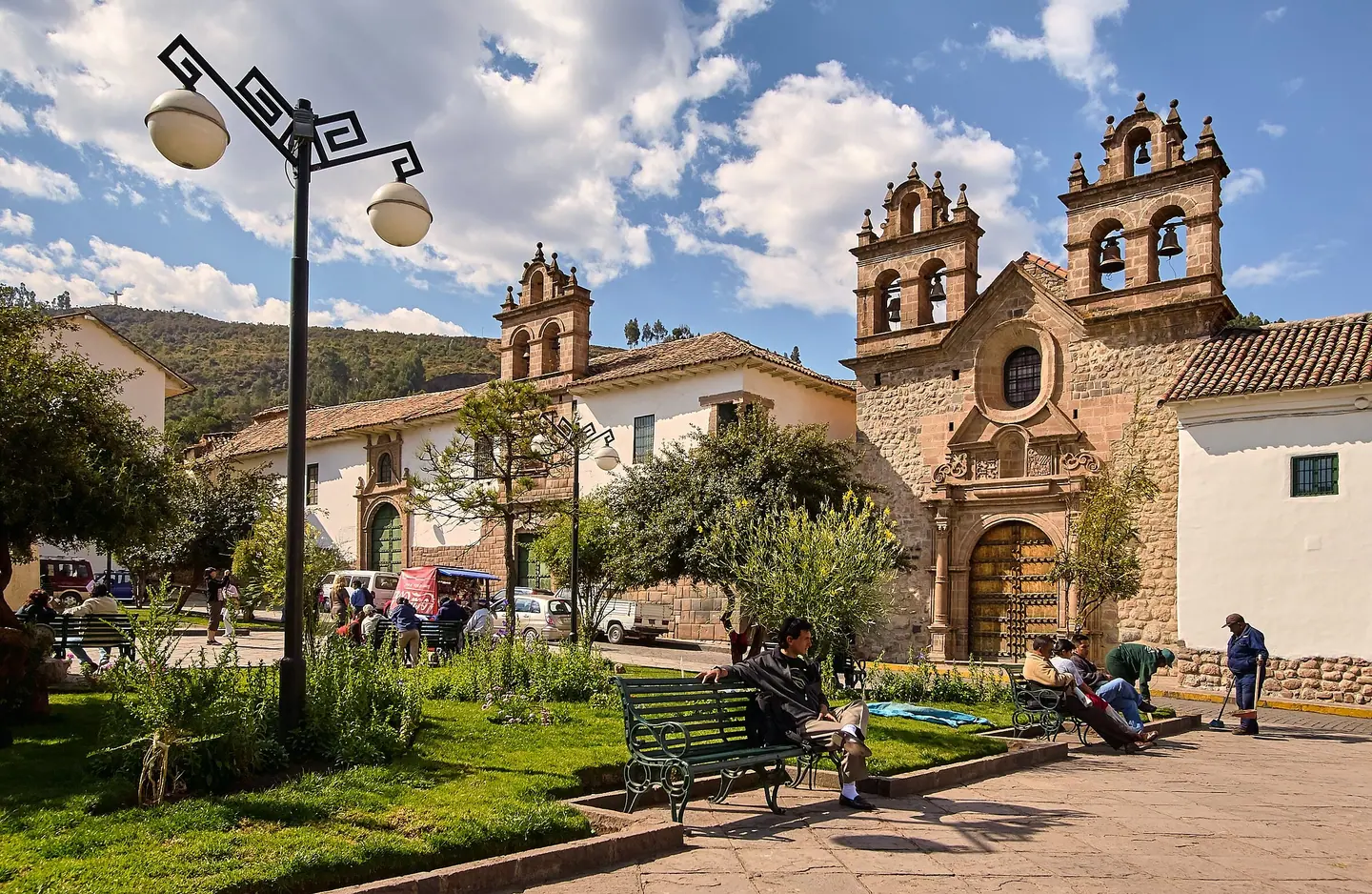
Sacred Valley of the Incas: Pisac, Maras, Moray & Ollantaytambo
Pisac Inca Intihuatana & Agricultural Terraces, Chinchero Inca Wall & Colonial Frescoes, Moray Concentric Agricultural Terraces, Maras Salt Pans Salineras, Ollantaytambo Temple of the Sun Six Monoliths, Pinkuylluna Granaries, and Tipón Hydraulic Terraces
Pisac Inca Intihuatana
Perched on a narrow ridge within the upper citadel, this carved volcanic bedrock served as a solar observatory and ritual focal point. The surrounding complex showcases polygonal granite masonry joined without mortar, alongside retaining walls that stabilise the mountain spur. Travellers can observe ceremonial baths linked by carved stone channels that transported water across the sacred sector.
Agricultural Terraces of Pisac
These sweeping tiers descend hundreds of metres down the southern mountain flanks towards the Vilcanota River. Built with fieldstone revetments and deep gravel backfill, they created microclimates capable of growing high-altitude maize varieties. We note the integrated flight stairs projecting directly from the masonry walls, allowing farmers efficient access between levels.
Q'allaqasa Citadel of Pisac
Positioned on the highest crest of the Pisac ridge, this residential sector includes dozens of stone buildings constructed with clay mortar. The structures served administrative and garrison functions guarding the highland access routes from the Amazonian basin. Cliffside tombs carved into the vertical rock faces of the neighbouring gorge remain visible across the valley.
Pisac Artisan Market
Held in the main square of the colonial settlement, this market has served as a focal point for Andean commerce for generations. Quechua weavers from highland communities gather to trade alpaca textiles, pottery, and silver jewellery beneath a prominent pisonay tree. The neighbouring Church of San Pedro provides an austere colonial backdrop to the central trading floor.
Chinchero Archaeological Complex
Constructed in the late fifteenth century, this royal estate features an enormous trapezoidal plaza flanked by massive limestone retaining walls with trapezoidal niches. The lower perimeter steps down into extensive agricultural terraces engineered for frost resistance. Stone foundations demonstrate classical imperial masonry, cut and fitted to absorb tectonic movement across the plateau.
Church of Our Lady of Monserrat in Chinchero
Erected in the early seventeenth century over the stone foundations of an Inca palace, this adobe temple exhibits a blend of indigenous and Spanish religious traditions. The interior boasts floral murals and ceiling frescoes executed by the indigenous master painter Mateo Pérez de Alesio. An ornate carved wooden altarpiece coated in gold leaf commands the sanctuary.
Moray Concentric Terraces
Engineered within natural limestone sinkholes, these tiered concentric circles drop approximately thirty metres into the earth. The differing depths, wind exposures, and solar angles generate temperature variations of up to fifteen degrees Celsius between top and bottom. Hydraulic channels carved through the stone retaining walls directed mountain runoff to water experimental crops.
Maras Salt Pans
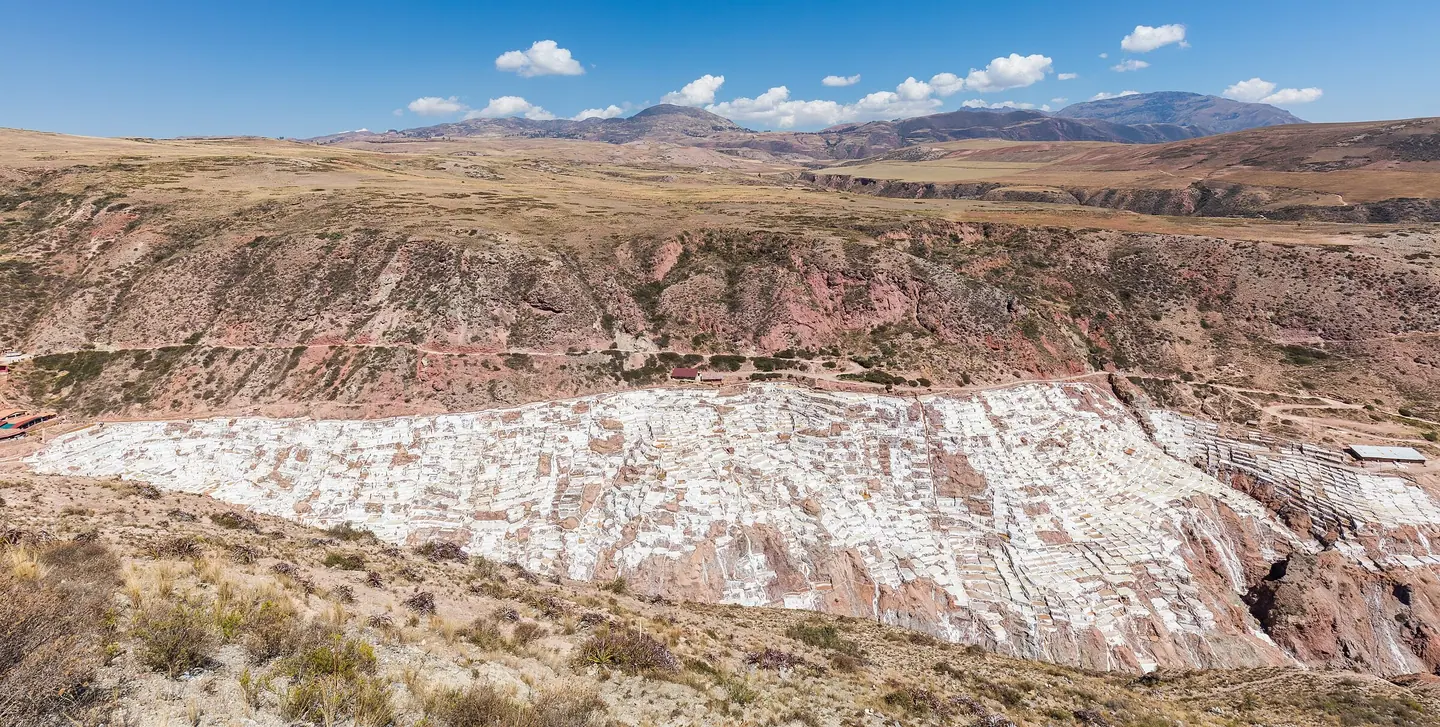
Over three thousand terraced pools cling to the slopes of the Qaqawiñay mountain, fed by a single subterranean thermal stream called Qoripujio. Local families maintain the pans through cooperative communal rights, controlling water flow with hand-dug sluice gates. As the water evaporates under the intense Andean sun, crystallized mineral salt forms along the clay margins.
Ollantaytambo Sun Temple and Six Monoliths
The pinnacle of the ceremonial sector features six colossal slabs of red granite fitted together with narrow spacer stones. Weighing more than fifty tonnes each, these monoliths were transported across the river from the Kachiqhata quarry miles away. Carved relief symbols on the stone faces represent Andean cosmological concepts, though the complex was abandoned incomplete during Spanish conquests.
Terraces of Pumatallis in Ollantaytambo
Ascending the steep hill toward the ceremonial precinct, these monumental terraces served both structural stabilising roles and defensive purposes during the 1537 Battle of Ollantaytambo. Built from precisely dressed fieldstone, they feature trapezoidal access stairways integrated directly into the walls. The broad surfaces provided staging grounds for Manco Inca's forces against Spanish cavalry.
Pinkuylluna Granaries
Perched on the sheer rock face opposite the Ollantaytambo fortress, these multi-storey storehouses kept agricultural surpluses secure from vermin and damp. Narrow windows and ventilation shafts allowed cool mountain breezes to circulate continuously, preserving dried maize and freeze-dried potatoes. Travellers who hike the steep path can inspect the rough fieldstone walls and original plaster remains.
Ollantaytambo Town Grid
Regarded as the best-preserved example of pre-Columbian urban planning, this residential sector retains its original grid of narrow alleys and walled family compounds, or kanchas. Stone drainage channels running down the centre of each street continue to supply clear water from mountain springs. Trapezoidal doorways made from polished granite open into central courtyards still inhabited by townspeople.
Inka Watana Viewpoint of Ollantaytambo
Situated on a precipitous ridge above the ceremonial sector, this carved outcrop functioned as a solar marker and sacred observation post. The rock features steps, seats, and cylindrical posts chiseled directly out of native stone. From this promontory, Inca priests tracked the winter solstice across the sharp peaks guarding the entrance to the sacred valley.
Tipón Hydraulic Terraces
Situated southeast of Cusco, this royal estate contains twelve expansive agricultural terraces fed by an intricate network of stone-lined canals. Spring water still flows through split fountains and polished stone conduits designed with calculated hydraulic gradient controls. The precision masonry of the ceremonial baths highlights the imperial fusion of water worship and agricultural mastery.
Pikillacta Wari Archaeological Site
Constructed between 550 and 1100 AD, this vast walled city reflects the strict urban geometry of the Wari empire rather than the fluid Inca style. Thousands of multi-storey buildings made from small stones bound with mud plaster fill an orderly geometric grid. Travellers can examine tall defensive perimeter walls, narrow streets, and expansive rectangular administrative plazas.
Andahuaylillas Saint Peter the Apostle Church
Known as the Sistine Chapel of the Americas, this adobe church features one of the most elaborate decorative programmes in South America. The coffered ceiling displays Mudéjar-style geometric wood carving coated in gold leaf, accompanied by large murals attributed to Luis de Riaño. An early seventeenth-century organ stands near the entrance, flanked by bilingual Latin and Quechua inscriptions.
Huayna Picchu of Tipón
This elevated outpost sits above the main hydraulic terracing, commanding views across the southern Cusco valley basin. The structures consist of defensive enclosures, storage buildings, and watchtowers connected by a stone-paved trail to the principal ruins. We can observe traces of outer ramparts constructed to protect water sources during regional conflicts.
Urubamba Royal Palace of Huayna Capac
Known historically as Qispiwankha, this sprawling complex served as the private country retreat of the eleventh Inca emperor. The site preserves large adobe walls set on polished stone foundations, together with an imposing ceremonial entrance. Surrounding fields were systematically levelled and irrigated to support elite gardens and imperial banqueting halls.
Yucay Inca Palace and Terraces
Yucay functioned as an agricultural resort for Inca nobility, blessed with fertile soils and a mild valley climate. Surviving elements include multi-tiered stone terraces, stone storehouses, and the adobe Palace of Sayri Tupaq built during the post-conquest transitional era. The monumental walls feature oversized trapezoidal niches used for storing ceremonial objects.
Rumicolca Stone Gateway
This colossal gateway was initially constructed by the Wari civilisation and later refaced with fine imperial Inca masonry. The structure spans a narrow natural pass, controlling traffic moving between the Cusco valley and the Lake Titicaca basin. Deep vertical joints reveal the construction phases where Inca builders laid smoothed andesite ashlar over rough Wari core walls.
Altitude Pacing and Sacred Valley Circuits from Cusco
Our main Cusco guide covers airport arrivals, neighbourhood bases and multi-day pacing to complement this walk; see also our full collection of city route guides.