Algiers
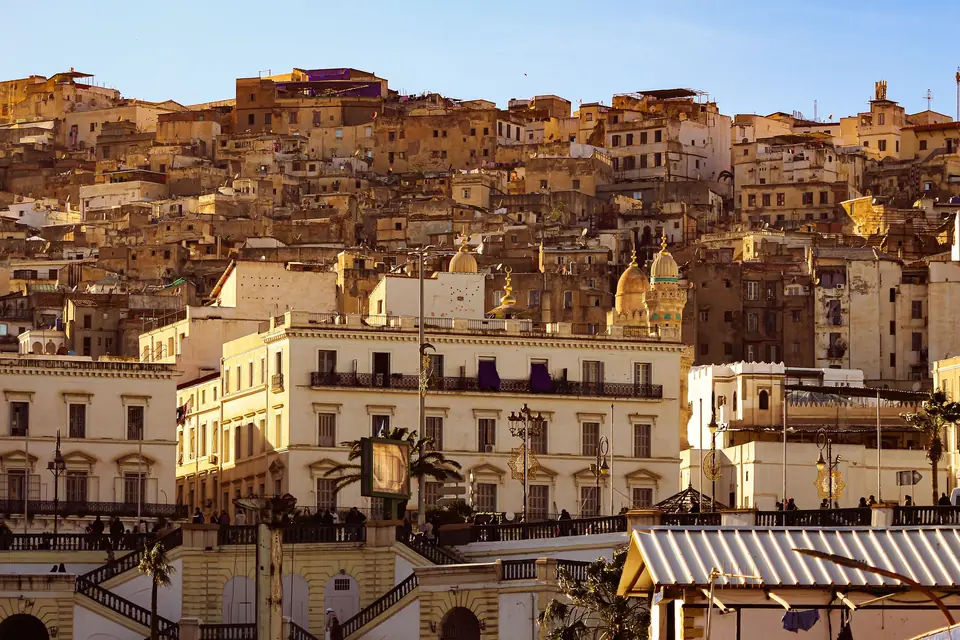
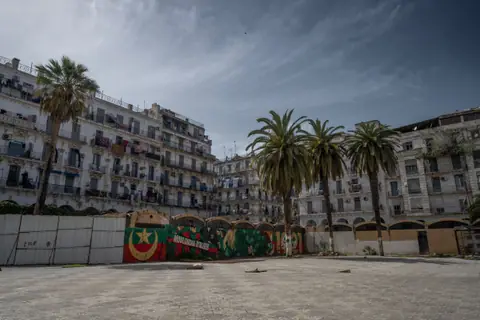
Tiered whitewashed Casbah lanes, Ottoman palaces and Haussmannian seafront arcades curving around the Mediterranean Bay of Algiers, linked by underground Metro trains and hillside cable cars.
Quick decisions
How many days?
3 days: the UNESCO Casbah, Ketchaoua Mosque and Bastion 23 on day one, the Grande Poste, Rue Didouche Mourad and Notre-Dame d'Afrique on day two, plus the Jardin d'Essai du Hamma and the Maqam Echahid cable car on day three. Follow our three-day route.
Where should I stay?
Alger Centre (Didouche Mourad & Grande Poste): walkable boulevards right on Metro Line 1. El Madania and Hamma: hillside gardens and bay views. Hydra or Sidi Yahia: leafy diplomatic quarters with modern restaurants. Compare areas in our neighbourhood overview.
Do I need a car?
No. Central Algiers is steep and congested; use underground Metro Line 1 along the bay, the city's aerial cable cars (téléphériques) up the cliffs, and the local Yassir ride-hailing app.
Best for
Architecture and history: Ottoman palaces, 11th-century Almoravid mosques, Neo-Moorish civic halls and French seafront arcades. Botanical gardens and panoramas: Jardin d'Essai du Hamma and cliffside cable cars. Authentic urban culture: zero mass tourism.
Before you go
Arrange your Algerian visa in advance and walk the upper Casbah with a licensed local guide: Algeria is predominantly a cash economy for daily spending. Read our practical briefing.
Getting around
Houari Boumediene Airport (ALG): located 17 kilometres east of the centre, connected by an SNTF airport train to Agha station and by the Yassir app. Details in arrival and transport.
Continue your trip
Day trips west along the coast reach the UNESCO Roman ruins of Tipaza and the Royal Mausoleum of Mauretania, while domestic flights and SNTF trains connect to Oran, Constantine and the Sahara.
Overview
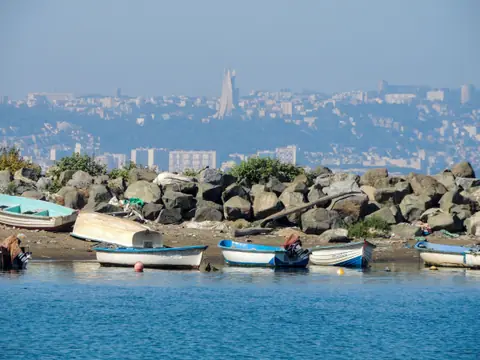
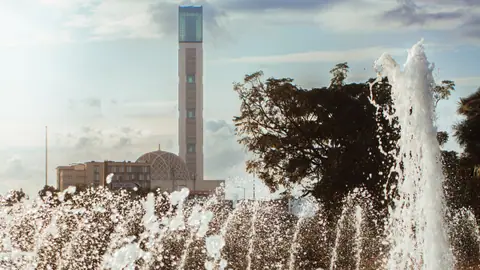
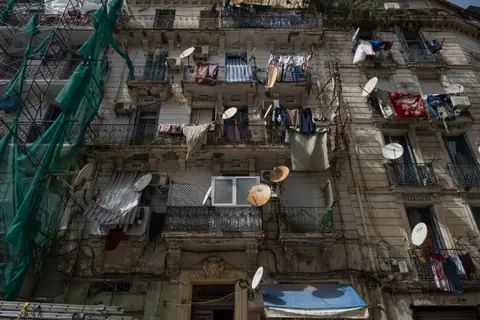
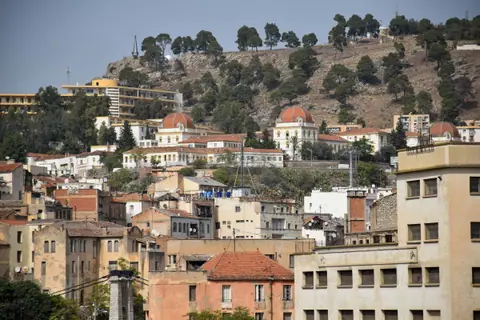
Known for centuries as El-Bahdja (The Joyous) and Alger la Blanche (Algiers the White), Algeria's capital rises in a dramatic natural amphitheatre from the turquoise curve of the Bay of Algiers. Along the water's edge, 19th-century limestone arcades and Haussmannian balconies face the Mediterranean; directly above them climbs the triangular labyrinth of the UNESCO-listed Casbah, while the southern and northern ridges are crowned by the Martyrs' Memorial above the Jardin d'Essai du Hamma and the clifftop basilica of Notre-Dame d'Afrique.
Because Algeria sees only a fraction of the visitor numbers of its neighbours, exploring Algiers feels refreshingly uncommercialised and genuine. Start with our before-you-go briefing and top things to do in Algiers.
Getting there
Houari Boumediene International Airport (ALG) lies 17 kilometres east of central Algiers and connects to Gare de l'Agha in the city centre via a modern SNTF rail link as well as taxis and the local Yassir ride-hailing app. Once in town, underground Metro Line 1 links Place des Martyrs (at the foot of the Casbah) with the Grande Poste and the Jardin d'Essai, while aerial cable cars climb straight up the steep hills. See how to get to Algiers and around.
Where to stay
Staying in Alger Centre along Rue Didouche Mourad or near the Grande Poste puts cafes, bookshops and Metro stations right outside your door, while the hillside district of Hamma and El Madania offers five-star garden views over the bay and upscale Hydra provides quiet diplomatic streets. Compare bases in where to stay in Algiers.
Things to do
Descend through the cedar-supported alleys and tiled Ottoman mansions of the Casbah to Ketchaoua Mosque and Bastion 23, admire the Neo-Moorish plasterwork of the Grande Poste and ride the cable car up to Notre-Dame d'Afrique, and pair the giant dragon trees of the Jardin d'Essai du Hamma with the Fine Arts Museum and Maqam Echahid. Full list in things to do in Algiers.
Food and drink
Algiers is proud of its distinct Algérois culinary repertoire: silky hand-rolled rechta noodles steamed over a white chicken, chickpea and turnip broth perfumed with cinnamon and orange-blossom water, rich chorba frik green-wheat soup, crisp cigar-shaped bourek pastries, hot street slices of chickpea garantita, and fresh Mediterranean red mullet and sardines at the port of El Djamila. Read more in our gardens and food overview.
Culture
Built over the Phoenician and Roman trading post of Icosium and refounded in 944 AD by Buluggin ibn Ziri as El-Djazair (The Islands, named after four rocky islets off the harbour), the city became a formidable Mediterranean naval Regency under Ottoman corsair admirals (the Barbarossa brothers and later the Deys) before 132 years of French rule and the 1954 to 1962 War of Independence forged modern Algeria.
Weather by month
Algiers is warmest in August, with average highs around 32°C, and coldest in January, when nights drop to about 8°C. December is the wettest month, with rain on about 9 days. For mild weather with fewer rainy days, aim for April and May.
| Month | Low | Range | High | Rain | Rainy days |
|---|---|---|---|---|---|
| Jan | 8°C | 17°C | 82 mm | 9 d | |
| Feb | 8°C | 17°C | 68 mm | 8 d | |
| Mar | 10°C | 19°C | 59 mm | 7 d | |
| Apr | 12°C | 22°C | 48 mm | 6 d | |
| May | 15°C | 25°C | 31 mm | 4 d | |
| Jun | 19°C | 29°C | 11 mm | 2 d | |
| Jul | 21°C | 31°C | 3 mm | 1 d | |
| Aug | 22°C | 32°C | 7 mm | 1 d | |
| Sep | 20°C | 29°C | 34 mm | 4 d | |
| Oct | 16°C | 25°C | 62 mm | 6 d | |
| Nov | 12°C | 21°C | 88 mm | 8 d | |
| Dec | 9°C | 18°C | 91 mm | 9 d |
Averages of daily values from 2015 to 2024. Rainy days are days with at least 1 mm of rain. Source: Open-Meteo · Compare destinations by month.
Algiers on the map
Every place we cover in Algiers. Tap a category or pin to explore.
In-depth Algiers guides
Browse the guides grouped by topic: sights, neighbourhoods, food, transport, day trips and trip planning.
Sights, Landmarks & Parks
Key monuments, viewpoints, museums and nature trails.
- Best Things to Do in AlgiersOttoman sea palaces, stepped Casbah alleys, Neo-Moorish landmarks, botanical avenues and cable car views.
- The Casbah of Algiers, Ketchaoua Mosque and Bastion 23Walking downhill through the UNESCO Casbah to Ketchaoua Mosque, Ottoman tiled palaces and Bastion 23.
- Notre-Dame d'Afrique, the Grande Poste and White BoulevardsClifftop views at Notre-Dame d'Afrique, Neo-Moorish masterpieces at the Grande Poste and white boulevards.
- Jardin d'Essai du Hamma, Martyrs' Memorial and Algerian FoodCanary dragon trees at the Jardin d'Essai, cable car panoramas at Maqam Echahid and Algérois dishes.
Neighbourhoods & Where to Stay
Districts, historic quarters and the best bases for your stay.
Getting Around & Arrival
Airport transfers, public transit, passes and driving rules.
Trip Planning & Itineraries
When to visit, what to pack and day-by-day routes.
- Algiers: What to Know Before You GoVisa preparation, Algerian dinar cash rules, navigating the hills by Metro and cable car, and Casbah tips.
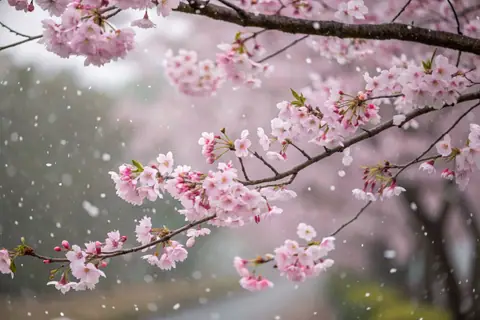
- Best Time to Visit AlgiersFlowering spring avenues in the Jardin d'Essai, golden autumn bay views, warm summers and mild winters.
- What to Wear in AlgiersFootwear for steep Casbah steps, smart-casual city layers and respectful dress for religious sites.
- Algiers 3-Day Itinerary: Casbah, White Boulevards and GardensThree days linking the UNESCO Casbah and Ottoman palaces with white boulevards, cable cars and gardens.
Need your embassy or consulate in Algeria? See embassies and consulates in Algeria.
Reviews
Log in to write a review.
No reviews yet.