


























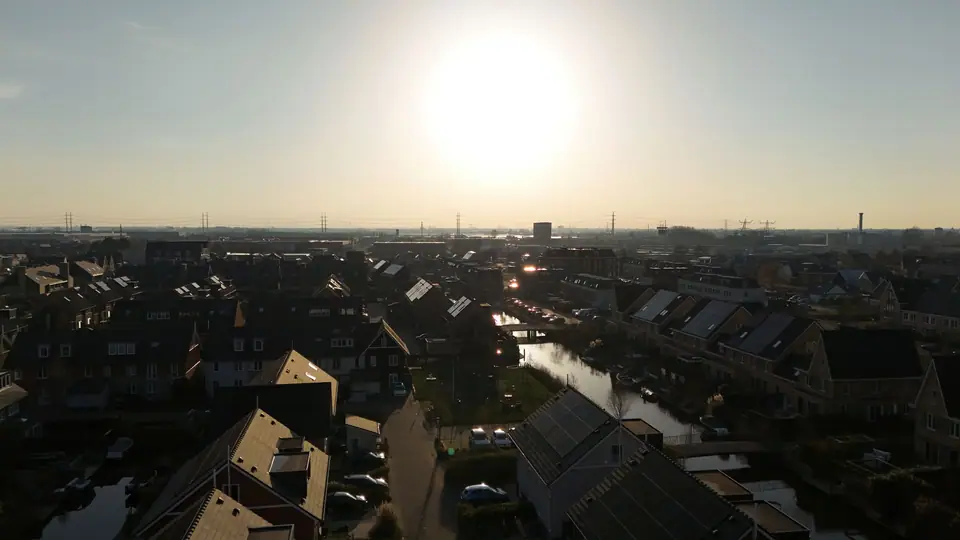
The Canal Ring and Jordaan: Bridges, Courtyards and Brown Cafés
A walking guide to the UNESCO Canal Ring, the Nine Streets and the courtyards of the Jordaan.
Laid out at the height of the Dutch Golden Age to house a booming population and move cargo from the harbour to merchant warehouses, the 17th-century Canal Ring (Grachtengordel) is the architectural spine of Amsterdam. Look up at the narrow brick facades and you will notice two details: a sturdy iron beam sticking out from the top gable (used with a pulley rope because the stairs inside are too narrow for furniture) and a slight forward tilt, designed so hoisted crates would not smash the windows on the way up.
The three great canals and the Nine Streets
Each of the three main residential canals has its own character. Herengracht (Lords' Canal) was the wealthiest address; its grandest stretch, the Golden Bend (Gouden Bocht) between Leidsestraat and Vijzelstraat, is lined with double-width mansions built by colonial traders and bankers. Keizersgracht (Emperor's Canal) is the widest of the three, while Prinsengracht (Prince's Canal) feels the liveliest, home to houseboats, café terraces, the Westerkerk tower and the Anne Frank House. Connecting all three canals on the western side are De Negen Straatjes (the Nine Streets), three parallel cross-lanes packed with vintage shops, cheese counters, bookshops and canalside cafés.
Into the Jordaan
Cross Prinsengracht west of the Westerkerk and the scale immediately drops. The Jordaan was built in the early 1600s for artisans, Huguenot refugees and labourers, following the diagonal lines of older drainage ditches rather than the grand symmetry of the main canals. Today it is the most pleasant neighbourhood in central Amsterdam for an unhurried walk.
- Brouwersgracht: forming the northern border of the Jordaan, this former brewers' canal is lined with converted brick warehouses and arched white drawbridges; it is at its quietest before 9am.
- Hidden courtyards (hofjes): charitable almshouse gardens sit behind modest street doors on Lindengracht and Karthuizersstraat. Step through the gate of the Karthuizerhofje during daytime hours and keep your voice low, as residents still live in the cottages around the garden.
- Noordermarkt: at the base of the Noorderkerk, hosting an organic farmers' market and antique stalls on Saturdays and a textile and flea market on Monday mornings. Stop at Winkel 43 on the corner for a slice of deep-dish Dutch apple pie (appeltaart).
- Historic brown cafés: named for walls stained dark by centuries of tobacco smoke and wood panelling, pubs like Café 't Smalle (a former 18th-century jenever distillery on Egelantiersgracht) and Café Papeneiland are built for slow late-afternoon drinks. Pair your walk here with Day 1 of our itinerary or look at nearby hotels in our accommodation guide.
Traveller tips
Real advice from people who have been to The Canal Ring and Jordaan: Bridges, Courtyards and Brown Cafés. Every tip is read by our team before it goes live.
No tips yet. Been here? Yours could be the first.
Thank you! Your tip will appear here after a quick review.
More in Amsterdam
Continue exploring Amsterdam with related neighbourhood, food, and planning guides
Museumplein: Rijksmuseum, Van Gogh Museum and Vondelpark
Amsterdam, Netherlands

De Pijp, Albert Cuyp Market and What to Eat in Amsterdam
Amsterdam, Netherlands
Where to Stay in Amsterdam: Best Neighbourhoods Compared
Amsterdam, Netherlands

3 Days in Amsterdam: A Balanced Canal and Museum Itinerary
Amsterdam, Netherlands
