Amsterdam: What to Know Before You Go
Canal layout, advance museum bookings, bike lane etiquette and card-only rules.
Short answer: book your three main museum tickets weeks before you fly, pay for almost everything with a contactless card, stay out of the red cycle lanes when walking, and spend your evenings in the Jordaan, Oud-West or De Pijp rather than on Damrak.
How the canal horseshoe works
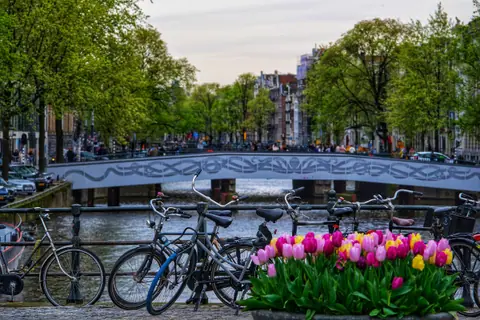
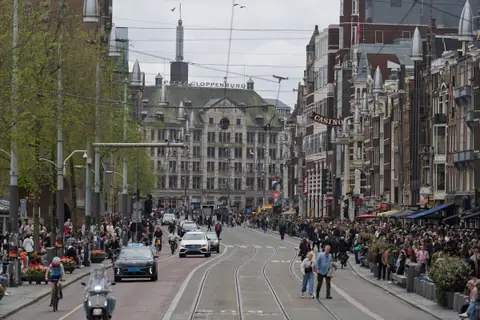
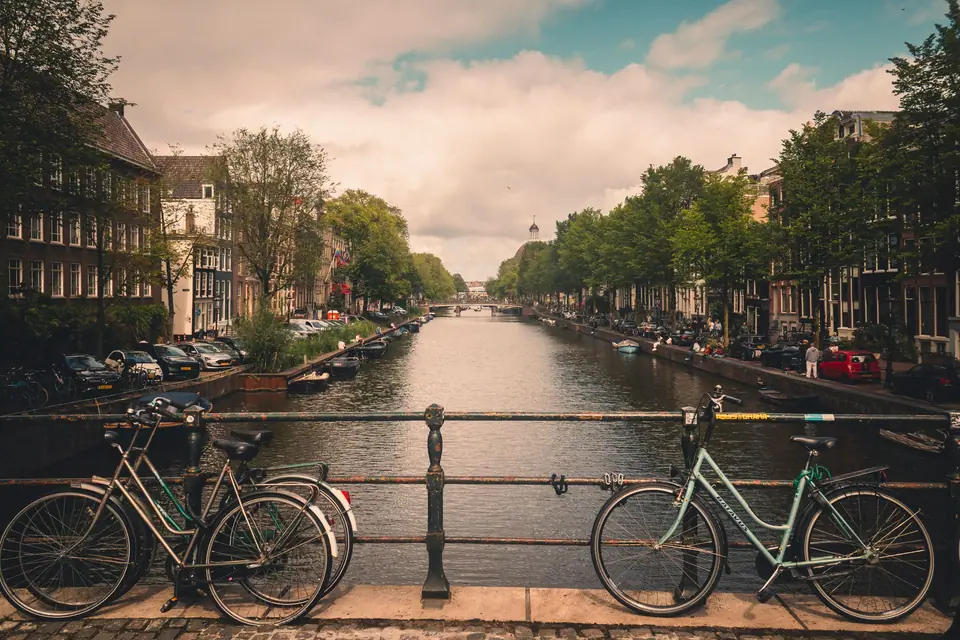
Amsterdam radiates outward from Amsterdam Centraal Station like a sliced onion. Closest to the station is the medieval centre (Centrum), bisected by Damrak and the Red Light District (De Wallen). Wrapping around it in a semi-circle are the four main canals of the 17th-century Canal Ring, running from inside out: Singel, Herengracht, Keizersgracht and Prinsengracht. Just outside Prinsengracht on the west side sits the Jordaan; to the south lie Museumplein, Vondelpark and De Pijp; across the IJ waterway to the north is Amsterdam Noord.
The tickets you cannot leave until arrival
Unlike many European capitals, Amsterdam has zero walk-up tickets for its two most famous interiors. The Anne Frank House releases tickets online every Tuesday morning for dates six weeks ahead, and they sell out within hours. The Van Gogh Museum is also online-only with timed entry and frequently books out a week or two in advance, especially from April to October. Even the Rijksmuseum uses timed online slots.
Bike lanes and pedestrian survival
Over half of daily trips in central Amsterdam happen by bike. Cycle lanes are paved in reddish-brown asphalt or brick and sit between the pavement and the road. Cyclists move fast, rarely have time to brake for tourists stepping out with a camera, and have right of way. Look both ways before crossing any red lane, never stand in one to take a photo of a canal bridge, and wait until you have seen the traffic rhythm for a day before hiring a bike yourself.
Card-only shops and tipping
The Netherlands is one of the most cashless countries in Europe. Many cafés, bakeries, museums and all GVB trams and buses are card-only (alleen pinnen). Visa and Mastercard contactless cards and phone wallets work almost everywhere, including for tapping onto public transport, explained in our transport guide. In restaurants and brown cafés, rounding up the bill or leaving 5 to 10 percent for attentive service is standard.
Traveller tips
Real advice from people who have been to Amsterdam: What to Know Before You Go. Every tip is read by our team before it goes live.
No tips yet. Been here? Yours could be the first.
Thank you! Your tip will appear here after a quick review.
More in Amsterdam
Continue exploring Amsterdam with related neighbourhood, food, and planning guides