Banff
Crown jewel of the Canadian Rockies and Canada's first national park (1885), where the neon-turquoise glacial waters of Lake Louise and Moraine Lake meet the ten-peak Valley of the Ten Peaks, the Sulphur Mountain Gondola, Johnston Canyon and the Icefields Parkway.
Quick decisions
How many days?
4 days: Banff Town, the Sulphur Mountain Gondola, Bow Falls and Lake Minnewanka on day one, Lake Louise (Lake Agnes Tea House hike) and Moraine Lake on day two, Johnston Canyon, Bow Valley Parkway and Emerald Lake on day three, and a full-day drive up the Icefields Parkway to Peyto Lake and Bow Lake on day four. Follow our multi-day route.
Where should I stay?
Banff Town: walkable restaurants, Roam transit hub and evening mountain views. Canmore (20 mins east outside the park gate): 30% better hotel value and spacious suite kitchens. Lake Louise Village: early access to the glacial lakes and Icefields Parkway. Compare bases in our park overview.
Do I need a car?
Not for Lake Louise, Moraine Lake and Johnston Canyon; essential for the Icefields Parkway. Personal cars are banned at Moraine Lake year-round, you must use Parks Canada Shuttles or Roam Transit, while a rental car is needed to drive north to Peyto Lake and the Columbia Icefield.
Best for
Glacial turquoise lakes: rock-flour-fed Lake Louise, Moraine Lake and Peyto Lake. Alpine ridge hikes: Lake Agnes Tea House, Little Beehive and Johnston Canyon catwalks. Wildlife spotting: grizzly and black bears, elk and bighorn sheep.
Before you go
Reserve Parks Canada Lake Louise & Moraine Lake shuttles in advance and carry bear spray: personal vehicles cannot drive up Moraine Lake Road, and 60% of shuttle seats release 48 hours prior early in the morning MDT. Read our practical briefing.
Getting around
From Calgary International Airport (YYC): located 145 kilometres (90 minutes down the Trans-Canada Highway 1) east of Banff Town, linked by frequent airport shuttles (Brewster Express / Banff Airporter) and rental cars. Details in arrival and transport.
Continue your trip
Drive 25 minutes west into Yoho National Park (Emerald Lake), follow the Icefields Parkway north to Jasper, or pair with Vancouver and Victoria.
Overview
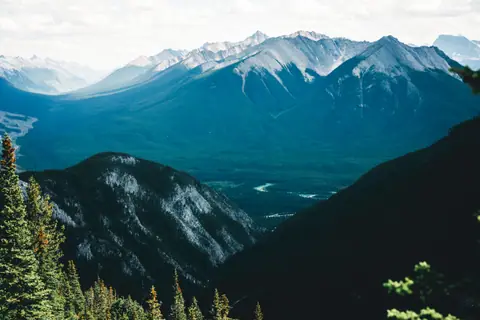
Established in 1885 after railway workers stumbled upon a steaming cave of mineral hot springs on the slopes of Sulphur Mountain, Banff National Park is Canada's oldest national park and the centrepiece of the UNESCO-listed Canadian Rocky Mountain Parks World Heritage Site. Stretching across 6,641 square kilometres of jagged limestone peaks, hanging valley glaciers, spruce-and-larch forests and alpine meadows along the Continental Divide of Alberta, it is one of the greatest mountain sanctuaries on Earth.
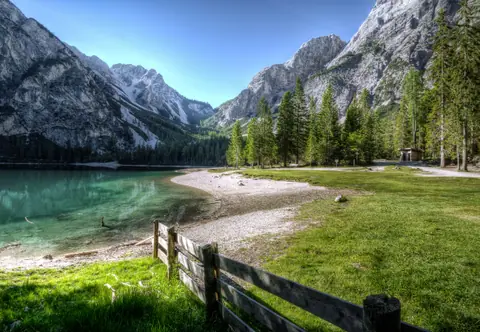
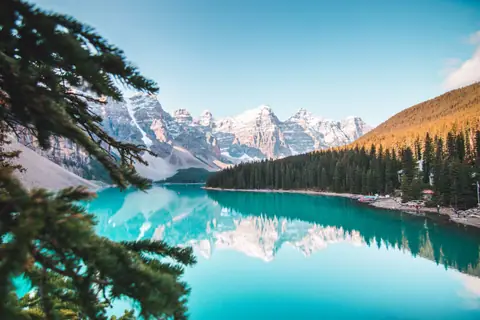
What makes Banff world-famous is the surreal, electric colour of its glacial lakes: every summer, melting ice grinds bedrock into microscopic 'rock flour' (glacial silt) that stays suspended in the water and refracts sunlight into glowing shades of neon turquoise and emerald at Lake Louise, ten-peak-framed Moraine Lake, and wolf-shaped Peyto Lake along the Icefields Parkway. Anchored by the walkable alpine town of Banff and the Sulphur Mountain Gondola, the suspended catwalks of Johnston Canyon, and the cruises of Lake Minnewanka, Banff is effortlessly accessible without sacrificing wild alpine grandeur. Start with our before-you-go briefing and top things to do in Banff.
Getting there
Calgary International Airport (YYC) is the gateway to Banff, located 145 kilometres (90 minutes' drive west on divided four-lane Trans-Canada Highway 1) from Banff Town. Year-round express coaches (Banff Airporter, Brewster Express, Vivo Green and seasonal On-It Regional Transit) run directly from Calgary Airport arrivals to Banff and Canmore hotels. Once inside the park, you must display a daily Parks Canada Discovery Pass on your windshield, while Roam Public Transit buses and Parks Canada Shuttles connect Banff Town with Johnston Canyon, Lake Minnewanka, Lake Louise and Moraine Lake. See getting to Banff from Calgary and how park passes and shuttles work.
Where to stay
You have three distinct base options along the Bow Valley corridor: stay in Banff Town if you want a walkable mountain village with 70+ restaurants, breweries, the Gondola and direct Roam buses; stay 20 minutes east just outside the park gates in Canmore if you want 25% to 40% lower nightly rates, modern condo suites with full kitchens and supermarkets; or splurge on a lakeside stay at Lake Louise (40 mins north-west of Banff Town) to wake up on the water before the day-trippers arrive. Compare all three bases in where to stay in Banff and Canmore.
Things to do
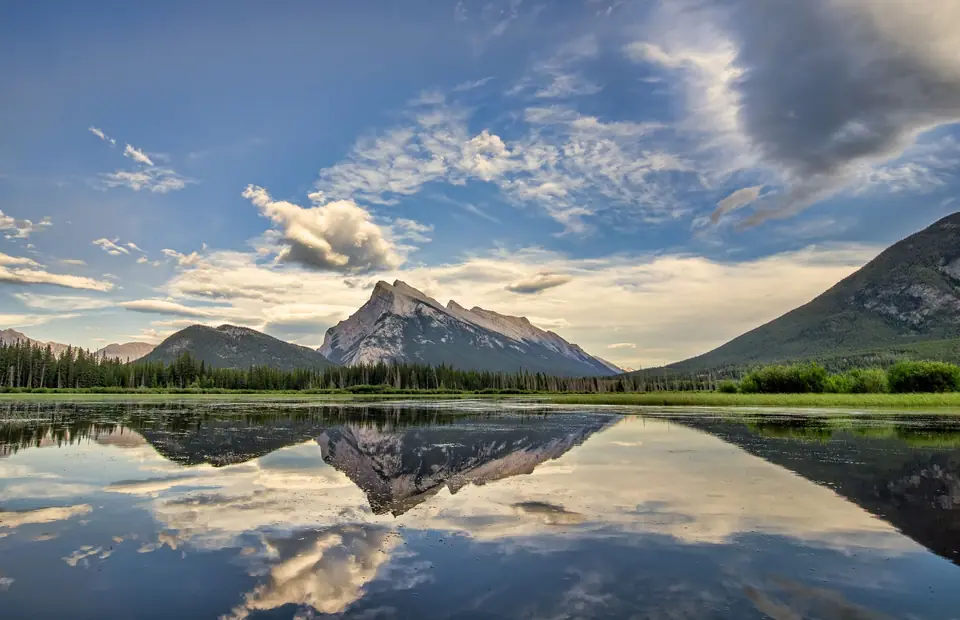
Stand atop the Rockpile viewpoint at Moraine Lake in the Valley of the Ten Peaks, hike from the turquoise shore of Lake Louise up to the 1901 Lake Agnes Tea House and Little Beehive, ride the Banff Gondola up Sulphur Mountain and soak in the Upper Hot Springs, walk the steel cliff catwalks inside Johnston Canyon, drive the world-famous Icefields Parkway to Bow Lake and Peyto Lake, watch sunset at Vermilion Lakes and Lake Minnewanka, and cross the Continental Divide to Emerald Lake in Yoho National Park. Full list in things to do in Banff.
Food and drink
Canadian Rockies mountain cuisine celebrates Alberta's ranching and indigenous heritage: AAA Alberta prime beef steaks, smoky grilled Canadian bison ribeye and burgers, wild Pacific salmon with Saskatoon berry glaze, elk tourtière meat pies, crisp Caesar cocktails (invented 90 minutes away in Calgary in 1969), BeaverTails fried pastries on Banff Avenue, and craft mountain ales at Three Bears and Banff Ave Brewing. Read more in our Banff food and craft brewery guide.
Culture
Long before the Canadian Pacific Railway built its grand chateau hotels in 1888, the Bow Valley was the sacred hunting and gathering homeland of the Stoney Nakoda, Blackfoot (Siksikaitsitapi) and Tsuut'ina First Nations, who named Tunnel Mountain Sleeping Buffalo.
Weather by month
Banff is warmest in July, with average highs around 23°C, and coldest in December, when nights drop to about -13°C. June is the wettest month, with rain on about 12 days.
| Month | Low | Range | High | Rain | Rainy days |
|---|---|---|---|---|---|
| Jan | -12°C | -3°C | 26 mm | 7 d | |
| Feb | -11°C | 0°C | 22 mm | 6 d | |
| Mar | -7°C | 4°C | 28 mm | 7 d | |
| Apr | -2°C | 9°C | 38 mm | 8 d | |
| May | 2°C | 15°C | 62 mm | 11 d | |
| Jun | 6°C | 19°C | 78 mm | 12 d | |
| Jul | 8°C | 23°C | 56 mm | 10 d | |
| Aug | 8°C | 23°C | 54 mm | 9 d | |
| Sep | 3°C | 17°C | 46 mm | 8 d | |
| Oct | -2°C | 10°C | 34 mm | 7 d | |
| Nov | -8°C | 1°C | 30 mm | 7 d | |
| Dec | -13°C | -4°C | 28 mm | 8 d |
Averages of daily values from 2015 to 2024. Rainy days are days with at least 1 mm of rain. Source: Open-Meteo · Compare destinations by month.
Banff on the map
Every place we cover in Banff. Tap a category or pin to explore.
In-depth Banff guides
Browse the guides grouped by topic: sights, neighbourhoods, food, transport, day trips and trip planning.
Sights, Landmarks & Parks
Key monuments, viewpoints, museums and nature trails.
- Best Things to Do in Banff National ParkNeon-turquoise glacial lakes, historic mountain teahouses, canyon catwalks, summit gondolas and the Icefields Parkway.
- Lake Louise Complete Guide: Lake Agnes Tea House Hike, Big Beehive and CanoeingHiking from the turquoise shoreline of Lake Louise up to the 1901 log cabin of the Lake Agnes Tea House and the Beehive viewpoints.
- Moraine Lake & The Valley of the Ten Peaks: How to Book Shuttles, the Rockpile & HikesHow to reach car-free Moraine Lake, climb the Rockpile for the 'Twenty-Dollar View' and hike to Consolation Lakes.
- Sulphur Mountain: Riding the Banff Gondola (Sanson's Peak), Hiking Up & Upper Hot SpringsStanding 2,281 metres above Banff Town on the Sanson's Peak skywalk and soaking in the 38°C Banff Upper Hot Springs.
- Johnston Canyon Catwalk Hike (Lower & Upper Falls) and the Turquoise Ink PotsWalking suspended steel catwalks bolted into vertical limestone walls above the turquoise waterfalls of Johnston Canyon.
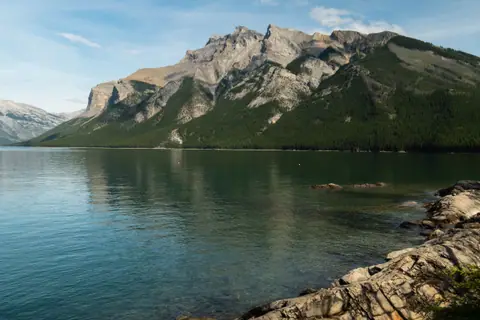
- Banff's Closest Lakes: Lake Minnewanka Scenic Loop, Two Jack Lake and Vermilion Lakes SunsetFive to fifteen minutes from Banff Town: bighorn sheep and cruises on Lake Minnewanka and sunset reflections at Vermilion Lakes.
- The Bow Valley Parkway (Highway 1A): Wildlife Safari, Castle Mountain & Morant's CurveTrading the four-lane highway for Banff's historic 48km forest road, home to grizzly bears, Castle Mountain and Morant's Curve.
- Banff's Best Easy High-Alpine Hikes: Sunshine Meadows (Gondola-Assisted) and Parker RidgeHow to walk through 2,200-metre high-alpine wildflower meadows without a grueling climb at Sunshine Meadows and Parker Ridge.
Neighbourhoods & Where to Stay
Districts, historic quarters and the best bases for your stay.
- Walking Banff Town: Banff Avenue, Bow Falls, Surprise Corner and Tunnel Mountain HikeExploring Canada's highest town on foot: Banff Avenue, the turquoise Bow River trail, Bow Falls and Tunnel Mountain.
- Where to Stay in Banff: Banff Town vs Canmore (Best Value) and Lake LouiseBanff Town vs Canmore vs Lake Louise: choosing between walkable park convenience, 30% better hotel value or lakeside luxury.
Food & Drink
Local dishes, markets, cafés and dining districts.
Getting Around & Arrival
Airport transfers, public transit, passes and driving rules.
- Getting to Banff from Calgary Airport (YYC): Express Shuttles, Rental Cars & Scenic TrainsReaching Banff Town in 90 minutes from Calgary Airport (YYC) by direct shuttle coach, budget bus or rental car.
- Getting Around Banff: Roam Public Transit, Parks Canada Shuttles and Parking RulesHow to use Banff's colour-coded Roam buses, the Lake Louise/Moraine Lake shuttle system and free town parking.
Day Trips & Excursions
Easy half-day and full-day trips from the city.
- Driving the Icefields Parkway (Highway 93N): Bow Lake, Peyto Lake and the Columbia IcefieldDriving North America's greatest mountain highway from Lake Louise past Bow Lake and wolf-shaped Peyto Lake to the Athabasca Glacier.
- 20 Minutes West of Lake Louise: Emerald Lake, Natural Bridge and Takakkaw Falls (Yoho)Crossing the Continental Divide 20 minutes west of Lake Louise to canoe on glowing green Emerald Lake and stand below 373m Takakkaw Falls.
- Canmore Guide (20 Mins from Banff): Three Sisters Viewpoint, Grassi Lakes and Ha Ling PeakTwenty minutes east of Banff: emerald spring pools at Grassi Lakes, the Three Sisters viewpoint and walkable 8th Street.
Trip Planning & Itineraries
When to visit, what to pack and day-by-day routes.
- Banff: What to Know Before You GoMastering Banff's Moraine Lake car ban, the 48-hour shuttle ticket release, Parks Canada passes and when the lakes thaw.
- Best Time to Visit Banff: When the Turquoise Lakes Thaw, Golden September Larches & WinterTiming your trip so you don't arrive to frozen lakes: the June-to-October turquoise window and late-September golden larches.
- What to Wear in Banff: The 3-Layer Mountain Rule, Hiking Boots, Bear Spray & MicrospikesWhy a morning at Moraine Lake requires a fleece and beanie even in July, and how to layer for 20°C daily temperature swings.
- 3 to 4 Days in Banff: Lake Louise, Moraine Lake, Gondola, Johnston Canyon & Icefields ParkwayA logical, geographic 3-to-4-day route grouping Banff Town, the Lake Louise/Moraine Lake shuttle, Johnston Canyon and the Icefields Parkway.
Need your embassy or consulate in Canada? See embassies and consulates in Canada.
Reviews
Log in to write a review.
No reviews yet.