Banjul
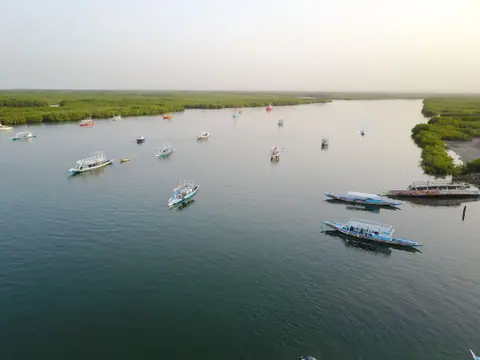
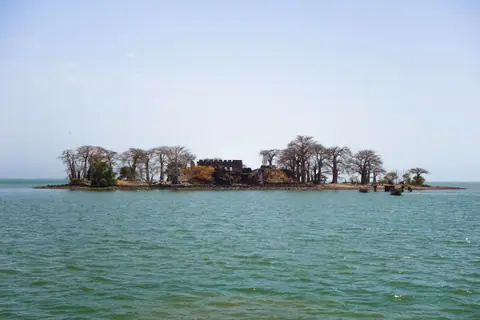
An island capital at the mouth of the Gambia River, linked by mangrove creeks to Bakau's sacred crocodile pool, Atlantic birdwatching beaches and Kunta Kinteh Island.
Quick decisions
How many days?
3 days: Arch 22, the National Museum and Albert Market on Banjul Island plus Bakau's Kachikally Crocodile Pool on Day 1, Abuko Nature Reserve, Bijilo Forest Park and Kotu Beach on Day 2, and a river trip via the Barra ferry to UNESCO-listed Kunta Kinteh Island on Day 3. Follow our three-day route.
Where should I stay?
Cape Point and Bakau: peaceful cliff-and-beach hotels near Banjul Island. Kotu and Fajara: bird-rich estuary lagoons and quiet golden beaches. Kololi and Senegambia Strip: lively resort restaurants and music. Compare areas in our neighbourhood overview.
Do I need a car?
No. Official green tourist taxis and yellow-and-green town taxis connect the Atlantic coastal hotels with Banjul Island across Denton Bridge in twenty minutes.
Best for
Birdwatching and nature: over 560 recorded bird species across mangrove creeks, Abuko and Kotu Bridge. River history: Banjul Island and UNESCO Kunta Kinteh Island. Winter sun: Atlantic beaches.
Before you go
Airport security fee and cash: verify whether the Gambia airport security fee is included in your airline ticket, and carry clean foreign banknotes to exchange into local cash for markets and taxis. Read our practical briefing.
Getting around
From Banjul International Airport (BJL): located at Yundum, 25 km south of Banjul Island and 20 minutes from the coastal hotels of Kololi, Kotu and Bakau. Details in arrival and transport.
Continue your trip
Cross the mouth of the Gambia River on the Banjul-Barra ferry to Fort Bullen and Juffureh, sail upriver through mangrove channels to Tendaba and Janjanbureh, or drive south to Kartong and Senegal's Casamance region.
Overview
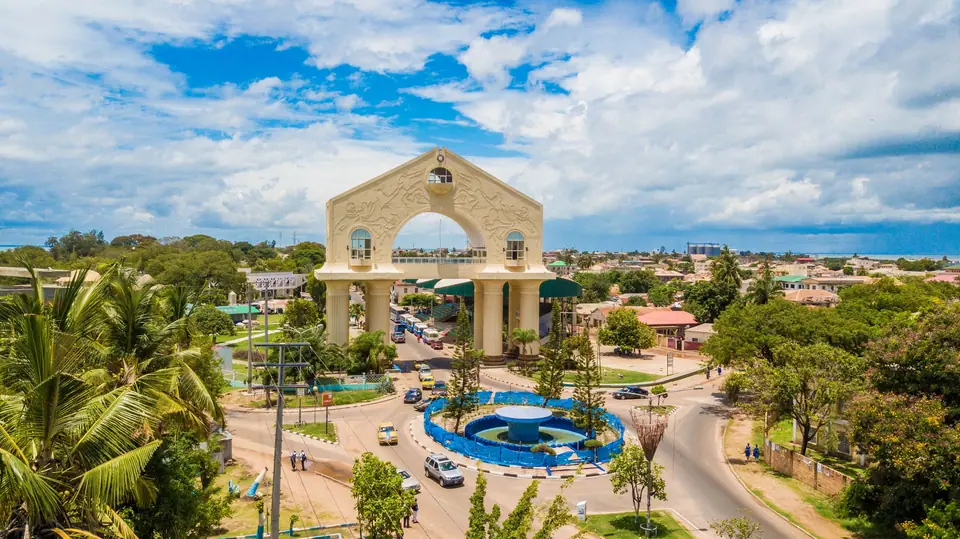
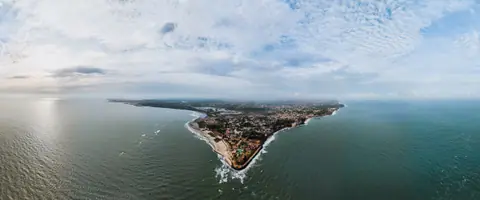
Built on low-lying St Mary's Island where the broad mouth of the Gambia River meets the Atlantic Ocean, Banjul is one of Africa's smallest and most relaxed capitals. Linked to the mainland on the west by Denton Bridge over Oyster Creek and to the north bank by the lively Banjul-Barra ferry, the island preserves a nineteenth-century grid beneath the panoramic cupola of Arch 22, the National Museum and the fabric-draped lanes of Albert Market.
Just across Denton Bridge along the Atlantic coast stretch the palm-shaded botanic gardens, sacred crocodile pool and coastal cliffs of Bakau, the gallery forest of Abuko Nature Reserve, Bijilo Forest Park and the golden beaches of Kotu and Kololi. Pair creek birdwatching and a river voyage to UNESCO-listed Kunta Kinteh Island with creamy peanut domoda and one-pot benachin, starting with our first-timer briefing.
Getting there
Banjul International Airport (BJL) sits inland at Yundum, roughly 24 km south of Banjul Island and 15 to 20 km from the coastal hotel belt of Kololi, Kotu, Fajara and Bakau. Official green tourist taxis operate from a fixed-rate dispatch booth outside the arrivals hall. To reach historic Banjul Island from the coast, taxis drive east along the Bertil Harding and Banjul-Serekunda highway over Denton Bridge. See how to get to Banjul.
Where to stay
Almost no travellers sleep on Banjul Island itself (which quiets down completely after government offices and Albert Market close for the afternoon). Instead, visitors stay ten to twenty-five minutes west along the breezy Atlantic shoreline in Cape Point and Bakau, birdwatcher-friendly Kotu and Fajara, or lively Kololi (Senegambia). We compare every coastal base in where to stay in Banjul.
Things to do
Ride the lift to the top of Arch 22 and walk through Albert Market to the Banjul-Barra ferry, visit the sacred reptiles at Kachikally Crocodile Pool in Bakau and spot monkeys in Bijilo and Abuko Nature Reserve, glide through Lamin Lodge's mangroves by wooden pirogue, and sail upriver to UNESCO Kunta Kinteh Island. See the top ten highlights in things to do in Banjul.
Food and drink
Gambian cooking showcases the bounty of the river, estuary and groundnut fields: velvety domoda (meat or vegetables simmered in roasted peanut paste and tomato), tangy lemon-and-onion chicken yassa, fragrant one-pot benachin rice, smoky palm-oil superkanja okra stew, and freshly squeezed baobab (bouye) and hibiscus (wonjo) juices. Read what to order in our Gambian food overview.
Culture
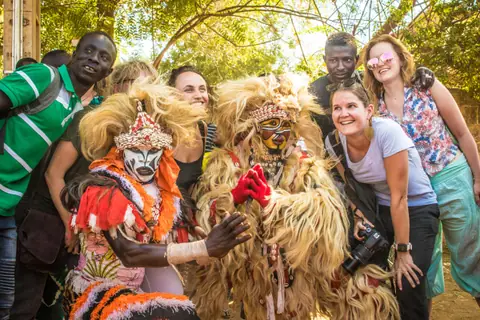
Known for generations as the "Smiling Coast of Africa", The Gambia brings together Mandinka, Wolof, Fula, Jola, Serer and Aku heritage along the banks of a single great river. Listen for the harp-like twenty-one-string kora played by hereditary jali (griot) storytellers, watch traditional wrestling matches on the sand, and browse tie-dyed batik fabrics in Albert Market.
Weather by month
Banjul is warmest in March, with average highs around 33°C, and coldest in January, when nights drop to about 17°C. August is the wettest month, with rain on about 16 days.
| Month | Low | Range | High | Rain | Rainy days |
|---|---|---|---|---|---|
| Jan | 17°C | 31°C | 1 mm | 0 d | |
| Feb | 18°C | 32°C | 0 mm | 0 d | |
| Mar | 19°C | 33°C | 0 mm | 0 d | |
| Apr | 20°C | 32°C | 0 mm | 0 d | |
| May | 21°C | 31°C | 2 mm | 0 d | |
| Jun | 24°C | 31°C | 48 mm | 4 d | |
| Jul | 24°C | 30°C | 195 mm | 11 d | |
| Aug | 24°C | 30°C | 310 mm | 16 d | |
| Sep | 24°C | 31°C | 235 mm | 13 d | |
| Oct | 24°C | 32°C | 62 mm | 4 d | |
| Nov | 21°C | 32°C | 2 mm | 0 d | |
| Dec | 18°C | 31°C | 0 mm | 0 d |
Averages of daily values from 2015 to 2024. Rainy days are days with at least 1 mm of rain. Source: Open-Meteo · Compare destinations by month.
Banjul on the map
Every place we cover in Banjul. Tap a category or pin to explore.
In-depth Banjul guides
Browse the guides grouped by topic: sights, neighbourhoods, food, transport, day trips and trip planning.
Sights, Landmarks & Parks
Key monuments, viewpoints, museums and nature trails.
- Best Things to Do in BanjulIsland viewpoints, royal markets, sacred crocodile pools, forest monkeys and Gambia River voyages.
- Banjul Island: Arch 22, National Museum, Albert Market and Kunta Kinteh IslandWalking historic Banjul Island from the panoramic gallery of Arch 22 and the National Museum through Albert Market to the Barra and Kunta Kinteh ferries.
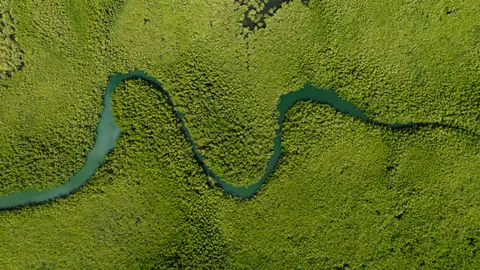
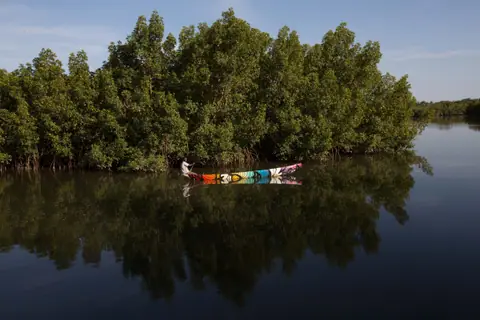
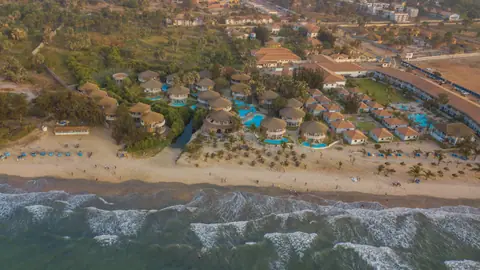
- Bakau Crocodile Pool, Abuko Nature Reserve, Bijilo Park and Atlantic BeachesSacred crocodile pools, gallery rainforest monkeys, tidal creek birding and golden Atlantic sand.
Neighbourhoods & Where to Stay
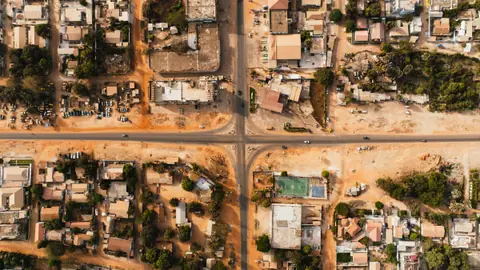
Districts, historic quarters and the best bases for your stay.
Food & Drink
Local dishes, markets, cafés and dining districts.
Getting Around & Arrival
Airport transfers, public transit, passes and driving rules.
Trip Planning & Itineraries
When to visit, what to pack and day-by-day routes.
- Banjul: What to Know Before You GoHow Banjul Island connects to the coastal beaches, cash rules, greetings and birdwatching etiquette.
- Best Time to Visit BanjulGuaranteed dry sunshine from November to May, migratory birds and emerald summer mangroves.
- What to Wear in BanjulDressing for Atlantic beaches, mangrove birdwatching trails and respectful visits to Albert Market.
- 3 Days in Banjul: Arch 22, Bakau Crocodiles, Abuko Monkeys and Kunta Kinteh IslandThree days combining Banjul Island and Bakau with rainforest reserves and a Gambia River voyage.
Need your embassy or consulate in The Gambia? See embassies and consulates in The Gambia.
Reviews
Log in to write a review.
No reviews yet.