


























What to Eat in Bariloche: Patagonian Lamb, Trout, Curanto, Fondue & Chocolates
Explore Bariloche's Alpine-Patagonian cuisine: taste slow-roasted cordero patagónico, smoked lake trout, Colonia Suiza earth-oven curanto, Swiss fondue, and Calle Mitre artisan chocolates.
Few cities in South America have a culinary identity as distinctive as San Carlos de Bariloche. Shaped by indigenous Mapuche ingredients, Patagonian estancia open-fire roasting, and successive waves of Swiss, German, Austrian, and Northern Italian mountain settlers who arrived between 1895 and the late 1940s, Bariloche blends smoky Andean meats and cold-water lake fish with alpine fondues, forest berries, and world-famous bean-to-bar chocolate.
1. Savoury Classics: Cordero Patagónico, Smoked Lake Trout, Ciervo & Curanto
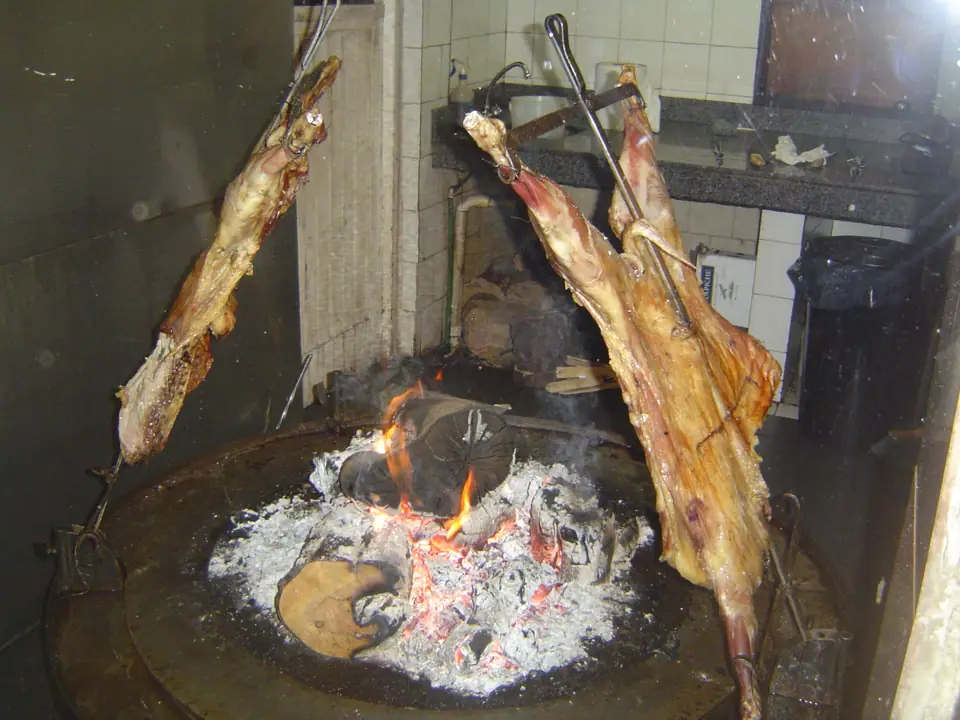
- Cordero Patagónico al Asador: Raised on the wind-swept coirón grasses and wild herbs of the Río Negro steppe, whole Patagonian lamb is stretched onto an upright iron cross (a la cruz) and slow-roasted for four hours beside glowing embers of native lenga or ñire wood until the skin crackles and the meat pulls effortlessly off the bone.
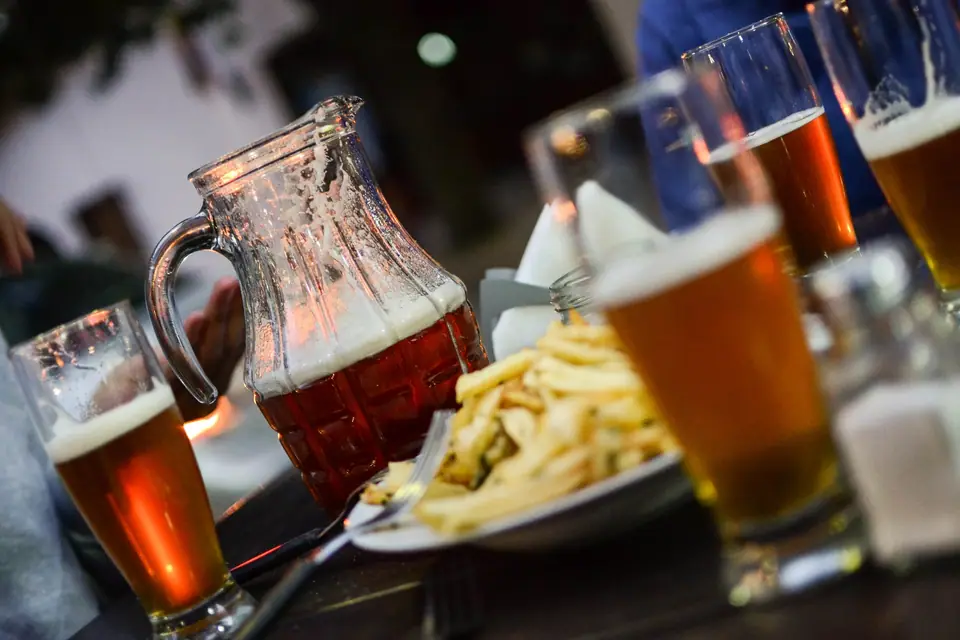
- Andean Lake Trout (Trucha) & Patagonian Smoked Platter (Tabla de Ahumados): From the icy waters of Nahuel Huapi, Moreno, and Alicurá come prized rainbow and brown trout, served either grilled with caper-and-lemon butter, baked in puff pastry, or cold-smoked over fruitwood alongside smoked red deer (ciervo), wild boar (jabalí), and sheep's-milk cheeses on a shared tabla de ahumados with a pint of Bariloche craft beer.
- Colonia Suiza Earth-Oven Curanto & Alpine Cheese Fondue: Every Wednesday and Sunday around midday in Colonia Suiza, families gather around steaming ground pits for curanto, a traditional Chilote-Araucanian feast brought across the Andes by the Goye family in 1895: beef, pork, chicken, sausages, sweet potatoes, apples, and hollow pumpkins stuffed with melted cheese and creamed corn are layered over red-hot volcanic stones, blanketed with giant nalca (Pangue) leaves and wet canvas bags, and buried under earth to steam-roast for two hours. Back in town, winter evenings call for bubbling pots of Swiss Gruyère and Emmental cheese fondue or Hungarian-style venison goulash with homemade spätzle.
2. Argentina's Chocolate Capital & Wild Patagonian Berries
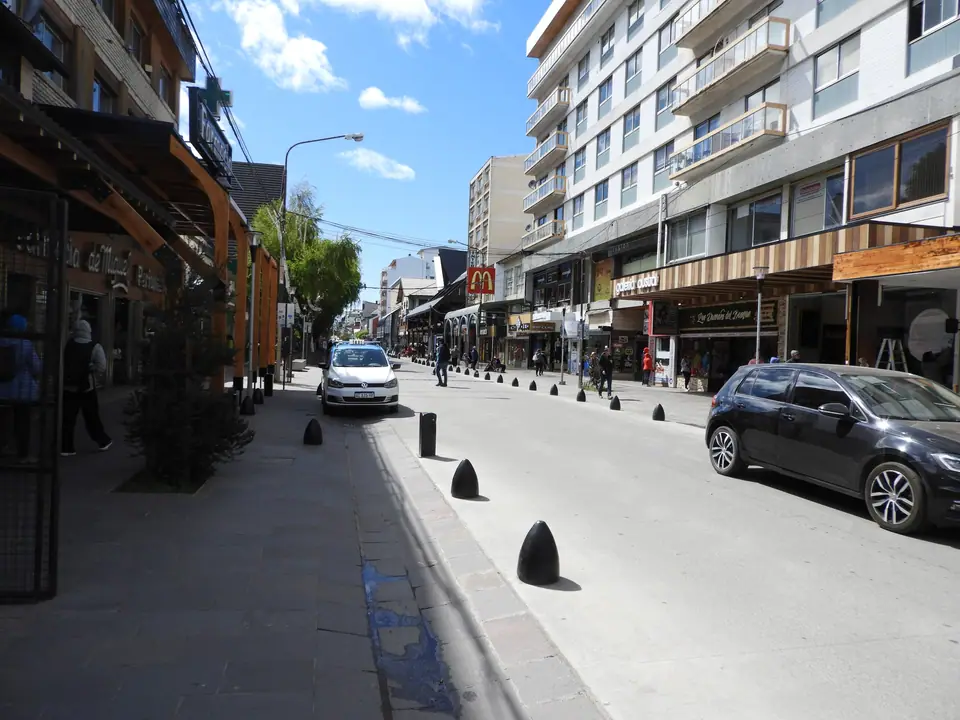
Bariloche's modern chocolate tradition began in 1947 when Turin-born master chocolatier Aldo Fenoglio and his wife Inés Secco opened Tronador (later Fenoglio), inventing Bariloche's signature flaky, bark-like chocolate en rama. Today along Calle Mitre, flagship houses such as Mamuschka (winning international bean-to-bar gold medals), Rapa Nui (founded by Diego Fenoglio and creator of Franui, fresh El Bolsón raspberries dipped in white and dark or milk chocolate), Benroth, and Abuela Goye pair single-origin cacao with wild Patagonian rosa mosqueta (rosehip), calafate berry, elderberry (sauco), and maqui.
Traveller tips
Real advice from people who have been to What to Eat in Bariloche: Patagonian Lamb, Trout, Curanto, Fondue & Chocolates. Every tip is read by our team before it goes live.
No tips yet. Been here? Yours could be the first.
Thank you! Your tip will appear here after a quick review.
More in San Carlos de Bariloche
Continue exploring San Carlos de Bariloche with related neighbourhood, food, and planning guides

Best Time to Visit Bariloche: Summer Trekking, Autumn Lengas & Winter Ski Season
San Carlos de Bariloche, Argentina
Where to Stay in Bariloche: Centro Cívico, Los Kilómetros, Llao Llao & Cerro Catedral
San Carlos de Bariloche, Argentina
3 Days in Bariloche Itinerary: Centro Cívico, Circuito Chico, Cerro Catedral & Lakes
San Carlos de Bariloche, Argentina
Centro Cívico, Cathedral of Nahuel Huapi & Calle Mitre Chocolate Route Guide
San Carlos de Bariloche, Argentina
