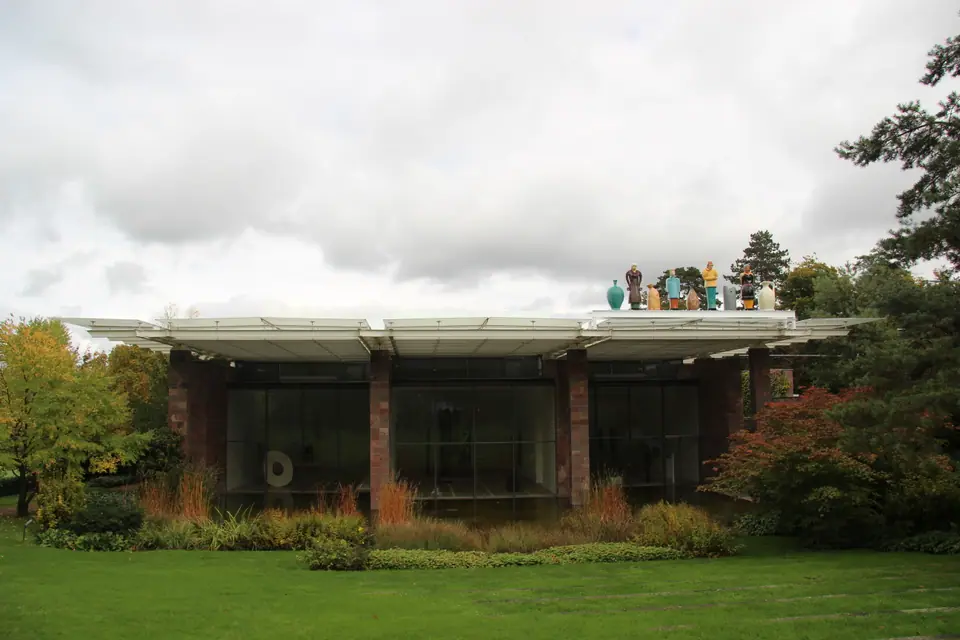
Photo: Bic · CC BY-SA 3.0
Civic Cabinet to Porphyry Pavilions: Basel's Art
Comparing the world's oldest municipal public art museum in Grossbasel with Renzo Piano's daylight gallery set among Riehen water-lily ponds.
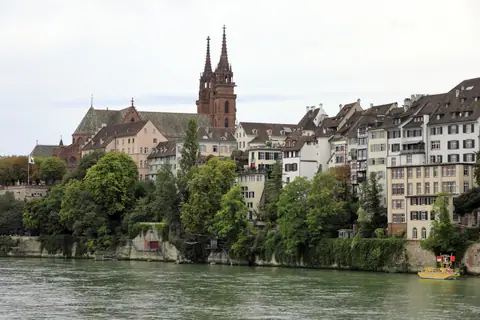
Few cities of Basel's size rival its museum concentration, anchored at opposite ends by two landmark institutions with sharply different origins. In central Grossbasel sits Kunstmuseum Basel, born from a seventeenth-century municipal purchase and expanded across three civic wings. Out among sunlit meadows in suburban Riehen rests Fondation Beyeler (ree-EN), founded by two dedicated modern art dealers inside Renzo Piano's glass pavilion. Scheduling them across separate days turns civic collecting history and twentieth-century painting into one seamless itinerary.
From the 1661 Amerbach Purchase to Three City Wings
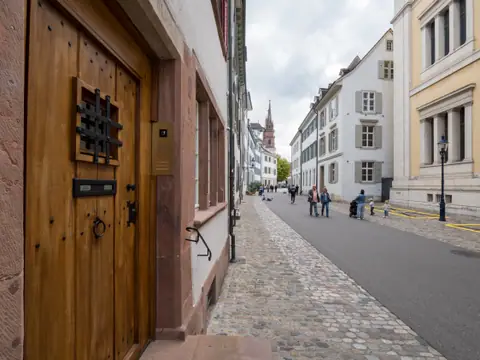
In 1661, Basel's city council and university pooled public funds to buy the private Amerbach Cabinet before foreign collectors could disperse its drawings abroad. Opened inside the zur Mücke townhouse in 1671, those works formed the world's oldest municipally owned public art collection across four centuries of acquisitions. Today that civic core spans three distinct buildings across postcodes 4051 and 4052. Compact tram connections let art travellers visit multiple centuries in one calm morning.
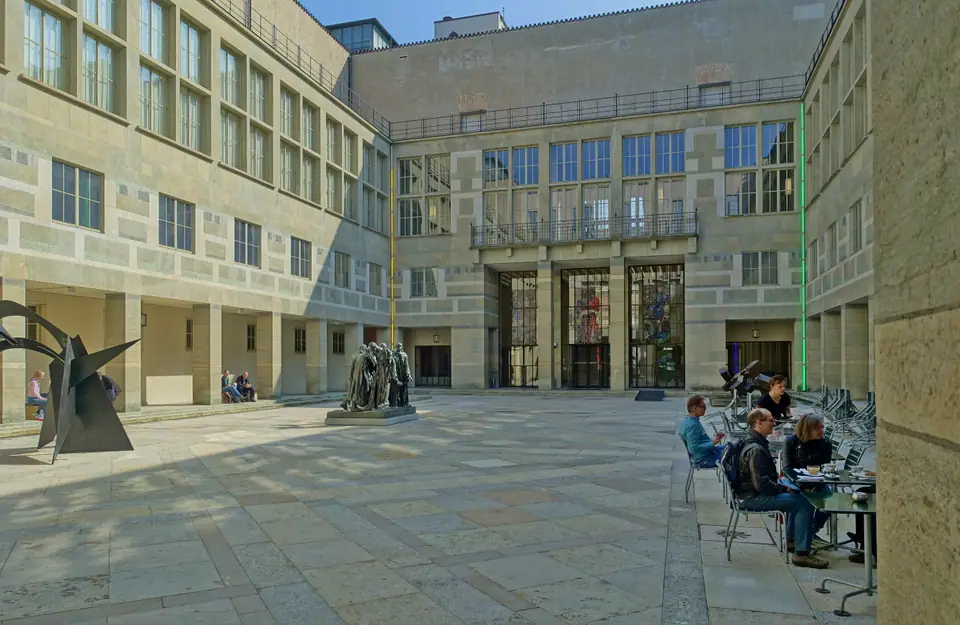
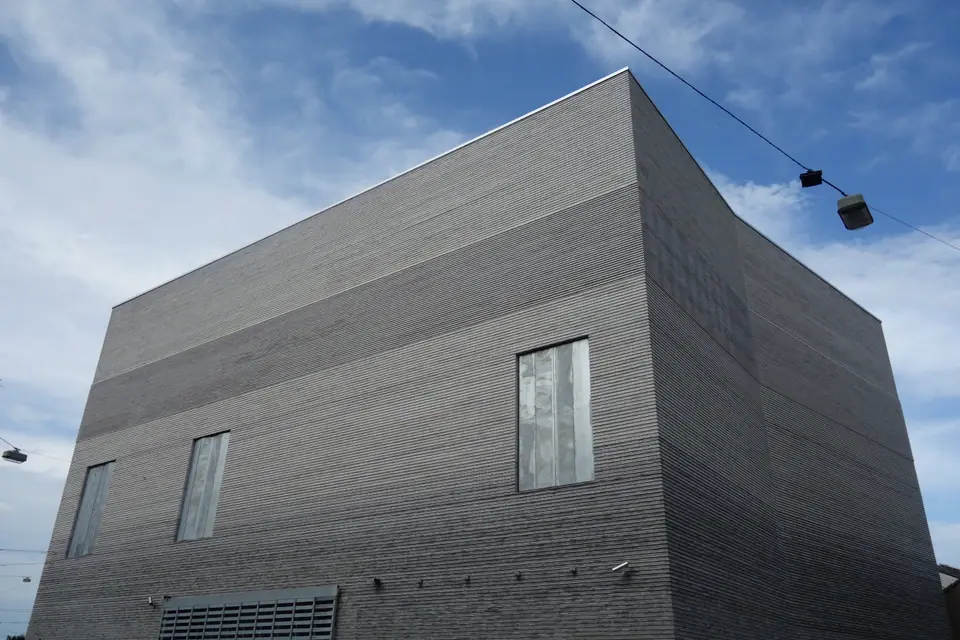
Architects Rudolf Christ and Paul Bonatz built the stately travertine Hauptbau along St. Alban-Graben from 1931 to 1936 around a quiet courtyard anchored by Auguste Rodin's Burghers of Calais and 1936 stained glass by Charles Hindenlang and Otto Staiger. Across Dufourstrasse opened Christ & Gantenbein's pale-grey brick Neubau in April 2016, linked underground via a broad marble staircase and skylit foyer. That expansion added 2,750 square metres to approach 10,000 square metres total exhibition area, drawing around 265,000 visitors in 2019. Downstream along St. Alban's mill stream stands Gegenwart, opened in 1980 as Europe's first public museum dedicated strictly to contemporary art.
Holbein Masters, Modernist Rooms and Provenance Audits
Hauptbau galleries preserve the world's largest collection of paintings and drawings by Hans Holbein the Younger and his family, shown beside Upper Rhine Old Masters from 1400 to 1600. Step from Holbein portraits and rescued fragments of his lost 1522 Rathaus council frescoes straight into nineteenth-century Arnold Böcklin mythologies, French Impressionism, Cubist Picassos, and post-war American abstractions. Split visits cleanly across floors so seventeenth-century prints and minimalist installations never blur together. Quiet courtyard seating lets visitors reset between heavy medieval altarpieces and modern canvas rooms.
Curators here openly publish provenance research rather than concealing contested twentieth-century histories. Public archives record a 2008 restitution dispute settled in 2020 plus documented inquiries touching works by Kazimir Malevich (2012), the Freund collection (2020), and Henri Rousseau (2022). Check rotating installation notices on kunstmuseumbasel.ch beforehand, as gallery hang changes sometimes close individual floors briefly. Clear gallery maps at main desks simplify jumping between permanent rooms and temporary shows.
Renzo Piano's Daylight Gallery in Riehen
Where Kunstmuseum grew through generations of public stewardship, Fondation Beyeler reflects one remarkable dealer partnership. Collectors Ernst Beyeler (1921 to 2010) and Hildy Kunz (1922 to 2008) established their foundation in 1982. They later hired Italian architect Renzo Piano to craft a serene daylight building inside Riehen's Berower Park. Opening on 18 October 1997, the calm horizontal pavilion pairs four parallel 127-metre walls clad in red Patagonia porphyry. An engineered floating glass roof filters northern sky light evenly across indoor galleries. Historic Villa Berower sits directly beside the park lawns housing museum dining beneath mature chestnut trees.
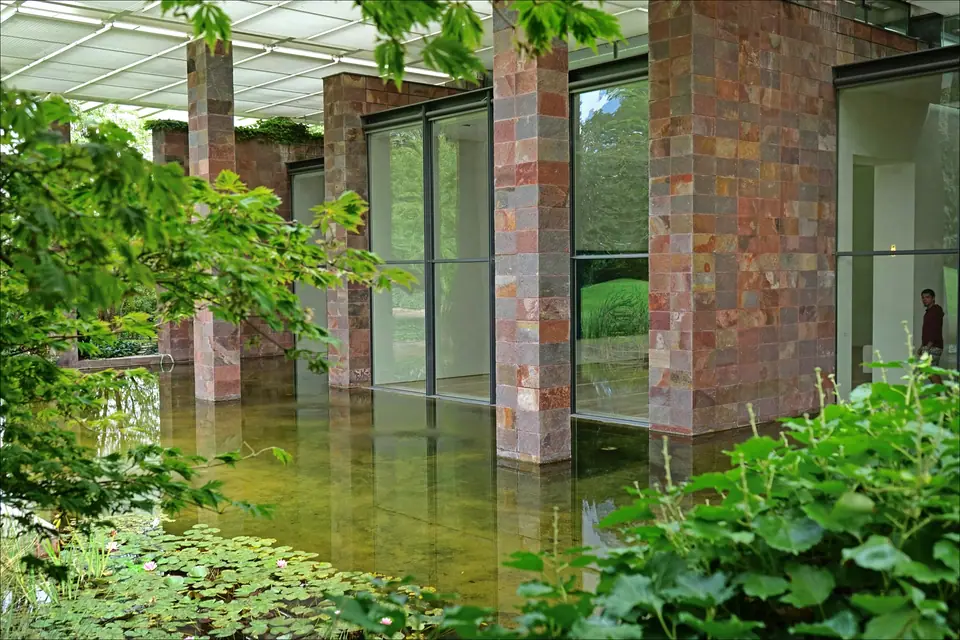
Inside rest roughly 400 classic modern works, led by 140 pieces hung for the opening show including 23 by Pablo Picasso. Galleries link Claude Monet water lilies smoothly with Mark Rothko colour fields, Alberto Giacometti sculptures, Henri Matisse cut-outs, and Francis Bacon triptychs. Landscaped meadows and lily ponds mirror the glass wall directly outside, helping the museum welcome 340,000 visitors in 2006 and 332,000 in 2016 as Switzerland's most visited art museum. Public debate also followed a 2021 objection concerning a Dubuffet sale. Even without temporary exhibitions, strolling the open park around reflecting water basins feels unhurried and deeply restorative across every season.
Scheduling Galleries Around Mondays and Tram Line 6
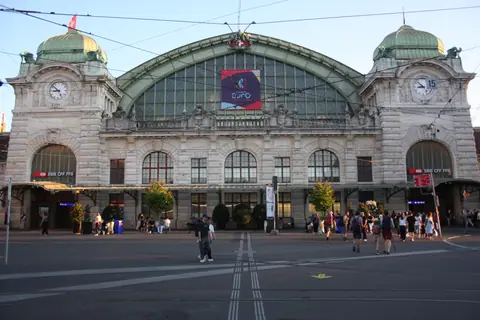
Combining Basel's top museums without hitting locked doors comes down to Monday rules and complimentary BaselCard transit. Unlike Kunstmuseum Basel and Museum Tinguely, Fondation Beyeler opens 365 days a year including Mondays and keeps extended Wednesday evenings for calm post-work browsing. Direct green Tram Line 6 leaves Barfüsserplatz, Claraplatz, and Badischer Bahnhof regularly. It drops riders straight outside the museum garden gate (stop Riehen, Fondation Beyeler) in roughly 20 to 25 minutes inside free TNW zones. Show your BaselCard at ticket desks for 25 percent off admission at Kunstmuseum Basel, Fondation Beyeler, and Museum Tinguely, noting that Germany's Vitra Design Museum needs a passport and separate cross-border fare. Pairing a Monday afternoon in Riehen with Tuesday morning Holbein galleries inside Hauptbau balances modern glass architecture against centuries of civic craftsmanship. Check special temporary exhibition dates online before booking weekends. Leave quiet late afternoons for park meadows around the pond. Slow tram rides home through Riehen let fresh modern colours linger comfortably.
| Museum | Key Collection & Architecture | Monday Status | Transit Access |
|---|---|---|---|
| Kunstmuseum (Hauptbau & Neubau) | 1661 Amerbach Cabinet, Holbeins, Cubism; Bonatz & Christ / Gantenbein | Closed Mondays | Tram 2 from Basel SBB to Kunstmuseum |
| Kunstmuseum Gegenwart | Opened 1980; rotating contemporary installations on canal bank | Closed Mondays | Tram 3 to St. Alban-Tor, walk downhill |
| Fondation Beyeler (Riehen) | 1997 Renzo Piano glass roof & lily pond; ~400 modernist works | Open Mondays (365 days) | Direct Tram 6 to Riehen, Fondation Beyeler |
| Museum Tinguely | 1996 Mario Botta sandstone building; kinetic iron sculptures | Closed Mondays | Tram 2 or Bus 31 to Solitudepark |
| Vitra Design Museum (Germany) | Frank Gehry campus & modern furniture design (Weil am Rhein) | Open Mondays (daily) | Bus 55 or Tram 8 (needs passport & extra fare) |
Where it is
- 1Civic Cabinet to Porphyry Pavilions
- EuroAirport Basel–Mulhouse–Freiburg (BSL) · about 8 km from here in a straight line
- Directions in Google Maps
Stations and taxi ranks: OpenStreetMap. Airports: OurAirports. Distances are in a straight line.
Traveller tips
Real advice from people who have been to Basel. Every tip is read by our team before it goes live.
No tips yet. Been here? Yours could be the first.
Thank you! Your tip will appear here after a quick review.
More in Basel
Continue exploring Basel with related neighbourhood, food, and planning guides